
Menstrual cups have become a popular alternative to disposable pads and tampons. They are reusable, can hold menstrual fluid for several hours, and may help reduce the cost of period care over time. Unlike pads and tampons, which absorb menstrual fluid, cups collect it inside the vagina. However, choosing the right cup is not just about price. Size, capacity, firmness, stem design, material, and ease of removal all affect comfort and everyday use. A cup that works well for one person may not suit another.
Several brands in India offer menstrual cups at different price points, from affordable options for first-time users to premium designs with specialised removal features.
This guide compares 10 menstrual cup brands available in India, including their key features, approximate prices, and purchasing options. It also explains how to choose a suitable size, use a cup safely, and care for it between periods.
Quick Comparison Table
The following table provides a quick overview of the 10 menstrual cup brands, their reported materials, main features, and approximate prices. Check the current product listing for exact specifications, sizes, and wear-time instructions before buying.
| Brand | Material | Best Known For | Suggested Wear Time | Approx. Price |
| Sirona | Medical-grade silicone | Affordable options and period-care kits | Up to 8–10 hours, subject to product instructions | ₹250–₹450 |
| Pee Safe | Medical-grade silicone | Beginner-friendly design | Up to 12 hours, subject to product instructions | ₹250–₹350 |
| Carmesi | Medical-grade silicone | Flexible designs and multiple sizes | Up to 8–10 hours, subject to product instructions | ₹300–₹400 |
| i-activ | Medical-grade silicone | Budget-friendly pricing | Up to 8–10 hours, subject to product instructions | ₹180–₹250 |
| Asan | USP Class VI silicone | Ring-shaped removal stem | Up to 12 hours, subject to product instructions | ₹1,199–₹1,299 |
| Sanfe | Medical-grade silicone | Soft, flexible construction | Up to 10–12 hours, subject to product instructions | ₹250–₹350 |
| Be Bodywise | Medical-grade silicone | Size options for different needs | Up to 8–10 hours, subject to product instructions | ₹250–₹350 |
| Nua | Medical-grade silicone | Flexible body and shaped rim | Up to 8–10 hours, subject to product instructions | ₹300–₹450 |
| Plush | Medical-grade silicone | Comfort-focused design | Up to 8–10 hours, subject to product instructions | ₹300–₹400 |
| Safecup | Platinum-cured medical silicone | Clear silicone and specialised shape | Up to 8–10 hours, subject to product instructions | ₹849–₹1,099 |
Note: Prices and wear times are approximate and may vary by size, product version, seller, and current availability. Follow the instructions supplied with your specific cup and do not exceed its stated maximum wear time.
Top 10 Menstrual Cup Brands in India
1. Sirona
Sirona is an Indian personal-care brand with a range of period-care and intimate-hygiene products. Its menstrual cups are an option for people looking for a reusable alternative to disposable sanitary products at a relatively affordable price. The brand offers different product variants, so it is worth checking the size and accessories included in each kit before purchasing.
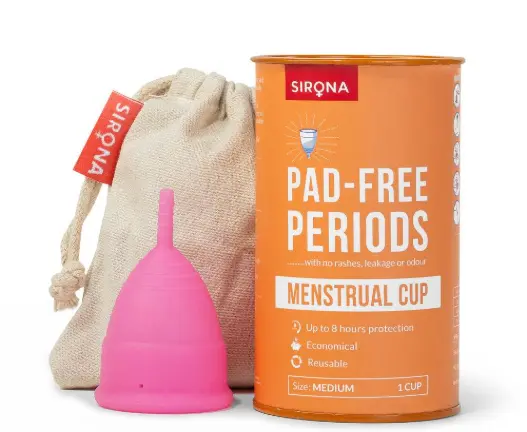
Available Sizes and Capacity: Sirona offers Small, Medium, and Large options. The Small cup is listed at around 15 ml and may suit teens, people under 30, or those who have not given birth vaginally. The Medium is listed at around 22 ml, with a height of 70 mm and diameter of 44 mm. The Large is suggested for heavier flow or some users aged 35 and above. Treat age and childbirth guidance as general suggestions, not fixed rules, and check Sirona’s current size chart.
Key Features
- Made from medical-grade silicone in the listed silicone variants.
- Reusable design that can reduce dependence on disposable period products.
- Different variants may offer different sizes or accessories.
- Suitable for users who want to compare budget-friendly menstrual cup options.
Pricing
Sirona menstrual cups generally fall within the approximate range of ₹267 to ₹449, depending on the product and kit. Check the current listing for the exact price.
Where to Buy
Amazon India, Sirona Official Website, Pharmeasy
2. Pee Safe
Pee Safe is known for its intimate-hygiene and period-care products. Its menstrual cups are worth considering if you want a reusable option with a straightforward design and a relatively accessible price. First-time users should pay particular attention to the cup’s size, firmness, and removal instructions, as these factors can make the learning process easier.
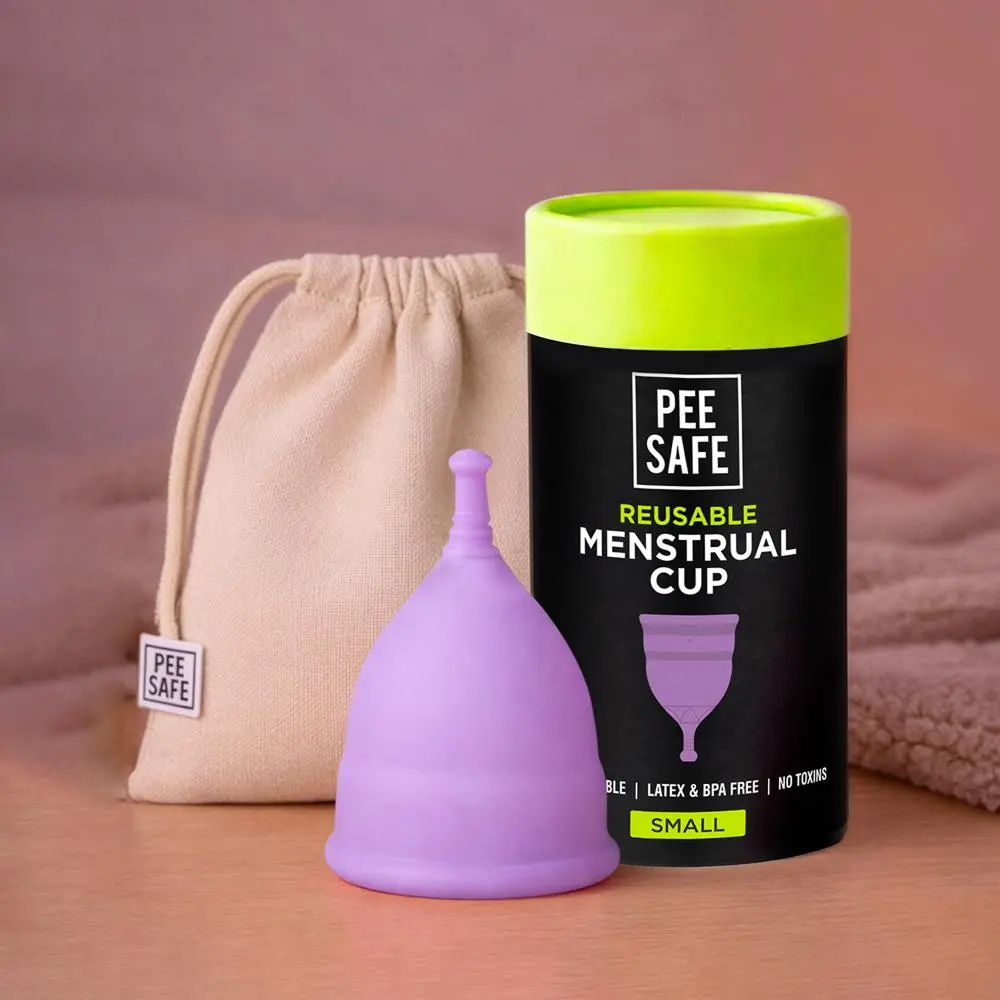
Available Sizes and Capacity: Listed options include Extra-Small, Small, Medium, and Large, although variants may differ by product. Small is positioned for teenagers and first-time users, while Medium and Large options may offer capacity of up to around 26 ml. Some variants are advertised for up to 12 hours of protection, but actual wear time depends on the product instructions and your flow.
Key Features
- Medical-grade silicone construction in the relevant variants.
- Designed to collect menstrual fluid rather than absorb it.
- Available in product options intended for different menstrual needs.
- A reusable alternative for people who want to reduce their regular spending on disposable products.
Pricing
Pee Safe menstrual cups typically cost around ₹265 to ₹305, although prices vary by seller and product variant.
Where to Buy
Apollo Pharmacy, Pee Safe Official Website
3. Carmesi
Carmesi focuses on period care and personal hygiene, including products designed for people seeking alternatives to conventional sanitary pads. Its menstrual cups are an option for those who prioritise flexibility and comfort. Before buying, compare the available sizes and the manufacturer’s sizing guidance rather than choosing a cup based on age alone.
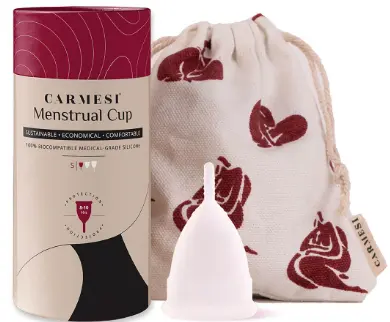
Available Sizes and Dimensions: Carmesi offers Small, Medium, and Large options. The Small is listed with a 13 mm stem, 61 mm body height, and 36 mm width, and is suggested for teens or lighter flow. The Medium has an 18 mm stem, 70 mm body height, and 48 mm width. The Large has an 18 mm stem, 76 mm body height, and 48 mm width. The brand’s guidance also considers flow and childbirth history, but comfort and anatomy should guide the final choice.
Key Features
- Medical-grade silicone construction in the listed variants.
- Flexible design intended to help with insertion and positioning.
- Multiple size options may be available, depending on the product range.
- Reusable construction that can reduce disposable menstrual waste.
Pricing
Carmesi menstrual cups generally cost around ₹300 to ₹400.
Where to Buy
Nykaa, Carmesi Official Website
4. i-activ
i-activ is a budget-conscious option for people who want to try reusable menstrual cups without spending too much initially. Its listed menstrual cup options use medical-grade silicone. As with any budget product, review the packaging, size information, cleaning instructions, and seller details before making a purchase.
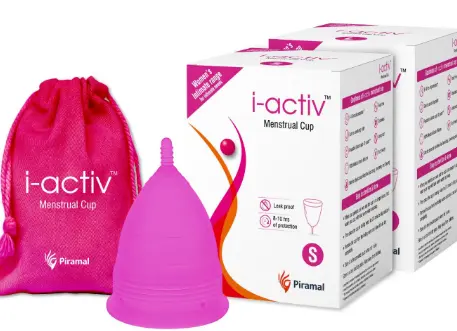
Available Sizes and Capacity: Size names, dimensions, and capacity can vary by package. Standard Small, Medium, or Large configurations may be available, so check the exact pack label or Apollo Pharmacy listing before choosing a size.
Key Features
- Medical-grade silicone construction in the listed variants.
- Affordable pricing compared with many premium cup options.
- Reusable design for regular menstrual care.
- A practical option for buyers comparing lower-cost alternatives.
Pricing
i-activ menstrual cups are listed at approximately ₹180 to ₹250.
Where to Buy
5. Asan
Asan is a premium menstrual cup brand known for its distinctive ring-shaped stem. This design gives users a larger point to hold during removal, which may be helpful for those who find traditional stems difficult to grip. The ring can make handling easier for some people, but correct removal still requires releasing the cup’s suction before pulling it out.
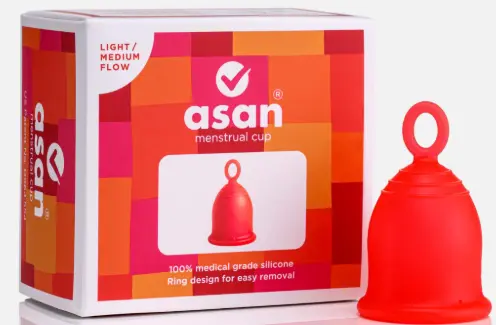
Available Sizes and Fit: Asan offers options for Light/Medium Flow and Heavy Flow. The supplied sizing guidance describes an approximately 40 mm diameter for Light/Medium Flow and around 45 mm for Heavy Flow, with the heavier-flow version using slightly firmer silicone. The brand recommends choosing based on how often you need to change pads or tampons on your heaviest day.
Key Features
- Uses USP Class VI silicone according to the supplied product specifications.
- Ring-shaped stem designed to provide a secure grip during removal.
- Distinctive design that may appeal to first-time users concerned about handling.
- Premium pricing compared with many standard menstrual cups.
Pricing
Asan menstrual cups generally cost around ₹1,199 to ₹1,299.
Where to Buy
Amazon India, Asan Official Website
6. Sanfe
Sanfe offers personal-care products, including menstrual and intimate-hygiene items. Its menstrual cups are worth considering if you prefer a soft, flexible design. Comfort depends on more than softness alone. The correct length, capacity, and firmness also matter, particularly if you experience bladder pressure or discomfort with other cups.
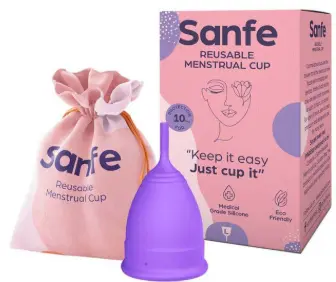
Available Sizes and Fit: Small, Medium, and Large options are listed. These are generally positioned for lighter, moderate, and heavier flow, respectively, but exact capacity and dimensions may differ by model. If you have a low cervix or are new to cups, compare the cup length and stem design rather than automatically choosing the smallest size.
Key Features
- Medical-grade silicone construction in the relevant variants.
- Flexible design intended to support comfortable insertion.
- Reusable alternative to disposable period products.
- Suitable for comparing options across different price points.
Pricing
Sanfe menstrual cups are generally available in the approximate range of ₹250 to ₹350.
Where to Buy
Amazon, Sanfe Official Website
7. Be Bodywise
Be Bodywise offers women’s personal-care products, including menstrual-care options. Its menstrual cups may suit people who want to compare different sizes and look for a reusable period-care product. When selecting a cup, use the manufacturer’s measurements and sizing chart. Body weight or body mass index alone cannot determine the right cup size.
Available Sizes and Capacity: Small, Medium, and Large options are listed, but exact dimensions and capacity should be checked against the specific product variant. Use the brand’s measurements alongside your flow, cervix height, and comfort needs rather than relying on body weight alone.
Key Features
- Medical-grade silicone construction in the listed variants.
- Size options may help users compare different fit requirements.
- Reusable design for menstrual fluid collection.
- An alternative to regularly purchasing disposable sanitary products.
Pricing
Be Bodywise menstrual cups generally cost around ₹299 to ₹350.
Where to Buy
Amazon India, Be Bodywise Official Website
8. Nua
Nua is known for its period-care products and customisable menstrual-care kits. Its menstrual cup range is an option for people looking for a reusable product with a design focused on fit and ease of use. A cup’s rim and body work together to help it open and form a seal. The best design for you depends on your anatomy, pelvic floor muscles, and comfort preferences.
Available Sizes and Design: Nua has standard size options, with a shaped rim and flexible body described as helping the cup adapt to internal dimensions. Exact size names, dimensions, and capacity can vary by current product range, so check the official listing before buying.
Key Features
- Medical-grade silicone construction in the listed variants.
- Cup designs may combine a shaped rim with a more flexible body.
- Reusable construction that can help reduce disposable waste.
- Worth comparing if you prefer to purchase menstrual-care products from one brand.
Pricing
Nua menstrual cups are listed at approximately ₹320 to ₹450.
Where to Buy
Amazon India, Nua Official Website
9. Plush
Plush offers personal-care and menstrual-care products, including reusable period options. Its menstrual cups may appeal to users looking for a comfort-focused design. People with sensitive skin should check the product’s material information and care instructions. Medical-grade silicone can be a suitable material for many users, but no product can guarantee that irritation will never occur.
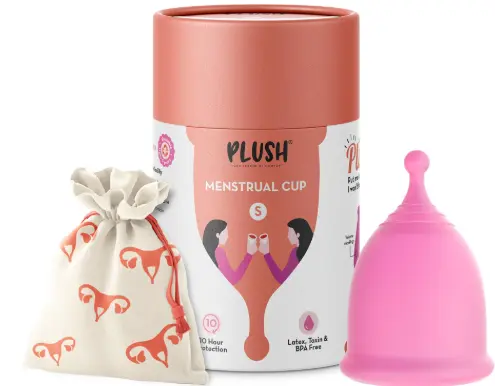
Available Sizes and Design: Plush lists standard size options and focuses on a soft, comfort-oriented silicone design. Exact dimensions and capacity are not specified in the information available for this comparison, so check the current product variant and sizing details before purchasing.
Key Features
- Medical-grade silicone construction in the listed variants.
- Reusable design for collecting menstrual fluid.
- Product options aimed at everyday comfort and convenience.
- An alternative for people who want to reduce their use of disposable menstrual products.
Pricing
Plush menstrual cups generally cost around ₹300 to ₹400.
Where to Buy
Amazon India, Nykaa, Plush Official Website
10. Safecup
Safecup is a premium option for people comparing reusable menstrual cups made from platinum-cured medical silicone. Its listed product specifications emphasise a clear silicone design and a shaped body. Before purchasing, review the manufacturer’s material documentation and the exact model’s instructions. A manufacturing facility’s registration should not be confused with regulatory approval of an individual product.
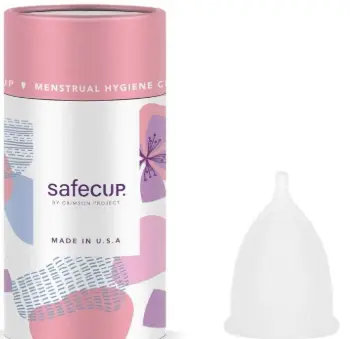
Available Sizes and Dimensions: Safecup lists Mini, Size A, and Size B. The Mini is described as approximately 37 mm in diameter, Size A around 41 mm, and Size B around 44-46 mm. Confirm the measurements and capacity for the exact model on Safecup’s current product page before ordering.
Key Features
- Platinum-cured medical silicone, according to the supplied product details.
- Clear design without added colour dyes in the listed variant.
- Shaped body intended to support opening and positioning.
- Premium price point compared with many entry-level options.
Pricing
Safecup menstrual cups generally cost around ₹849 to ₹1,099.
Where to Buy
Amazon India, Safecup Official Website
How to Choose the Right Menstrual Cup
The best menstrual cup in India for you is the one that fits your body, holds enough menstrual fluid, and feels comfortable to insert and remove. A higher price does not automatically mean a better fit.
1. Cup Size and Cervix Height
Your cervix height helps determine how long a cup should be. A cup that is too long may feel uncomfortable or protrude, while a very short cup may be harder to reach during removal. You can check your cervix height with a clean finger during your period, when the cervix may sit lower than it does at other times. Wash your hands first and stop if the process causes pain.
- Low cervix: A shorter cup may be more comfortable. Look for a compact shape or a model with a trimmable stem, provided the manufacturer permits trimming.
- Medium cervix: Many standard-length cups may work, depending on your anatomy and comfort.
- High cervix: A longer cup or one with an easy-to-grip stem may be easier to reach and remove.
These are general guidelines rather than fixed rules. Cervix height can change throughout your cycle, and you do not need to choose a particular size based only on how far your finger reaches.
2. Menstrual Flow and Cup Capacity
Your flow determines how frequently you may need to empty the cup. Capacity is particularly important on heavier days.
- Light to medium flow: A small or medium cup may provide enough capacity. Some standard models hold around 20 to 25 ml, but check the actual product specifications.
- Heavy flow: A larger or higher-capacity cup holding around 30 to 40 ml may be worth considering if it fits comfortably.
Do not choose a large cup solely because you are over 30 or have given birth vaginally. Age and childbirth history can inform sizing, but they do not determine it on their own.
If your cup fills quickly or leaks on heavy days, you may need to empty it more frequently or consider a higher-capacity model. Very heavy menstrual bleeding, especially if accompanied by dizziness, weakness, or unusual fatigue, should be discussed with a healthcare professional.
3. Material, Firmness, and Comfort
Cup firmness affects how easily the cup opens after insertion and how it feels against the vaginal walls or bladder.
- Softer cups: These may feel more comfortable for people who experience bladder pressure or discomfort with firmer cups. However, they can sometimes be harder to open fully.
- Firmer cups: These may open more easily and hold their shape during movement. However, they may cause pressure for some users.
Medical-grade silicone is a common choice because it is flexible and reusable. Still, check the material details for the specific product rather than assuming every cup from a brand has identical specifications.
If you experience persistent pain, urinary discomfort, or irritation, stop using the cup and consider seeking medical advice.
Ease of Insertion and Removal
A menstrual cup should be manageable to insert and remove without pulling or forcing it. Its stem and rim design can influence how easy it is to handle.
- Traditional stem or flat tab: These can help guide you to the cup’s base, although you should not pull forcefully on the stem.
- Ring-shaped stem: A ring can provide a larger grip for removal. You must still pinch the cup’s base to release the seal before taking it out.
- Firmer rim: A more structured rim may help the cup open after insertion.
- Softer rim: A flexible rim may fold more easily, although it can take practice to open properly.
If you are new to menstrual cups, consider a model with clear instructions, an appropriate size, and a stem you can comfortably reach.
Menstrual Cups for Beginners: What to Know Before Buying
Trying a menstrual cup for the first time can feel unfamiliar, but most people need some practice to learn how to fold, insert, and remove it comfortably.
Keep these points in mind before buying your first cup:
- Choose fit over age recommendations: Follow the manufacturer’s sizing chart and consider your cervix height, flow, and comfort.
- Learn a simple fold: The C-fold and punch-down fold are common starting points. You can try both to see which feels easier.
- Allow time to practise: Learning to open and position the cup may take a few attempts. Do not force insertion if it hurts.
- Check for a proper seal: Once inserted, the cup should open fully. A gentle check around its base can help you identify folds, although you should not tug on the stem to test the seal.
- Understand removal before use: Pinch the base to release suction before gently removing the cup.
- Follow the wear-time limit: Empty it according to the product instructions and your flow. Do not assume every cup can safely be worn for the same number of hours.
- Keep it clean: Wash your hands before handling the cup and follow the manufacturer’s washing and sterilisation instructions.
You can practise during a period when you have enough time and privacy to learn without rushing. Water-based lubricant may help with insertion if needed, provided it is compatible with the cup manufacturer’s instructions.
If insertion or removal remains painful, or you cannot reach the cup comfortably, stop and seek advice from a qualified healthcare professional.
Benefits of Using Reusable Menstrual Cups
Reusable menstrual cups offer several practical advantages, although the experience varies depending on fit, flow, and personal preference.
- Less disposable waste: A reusable cup can replace many disposable pads or tampons over its useful life, reducing the amount of menstrual waste you generate.
- Potential long-term savings: You pay for the cup upfront instead of repeatedly buying disposable products. The actual savings depend on the cup’s lifespan and how much you usually spend on period care.
- Longer intervals between changes: Many cups can be worn for up to 8 to 12 hours, depending on the model, its instructions, and your menstrual flow. They may need emptying sooner on heavy days.
- Convenience during daily activities: A correctly fitted cup can be worn during many normal activities, including exercise and swimming. Comfort and leak protection depend on proper positioning.
- No absorbent material: Unlike pads and tampons, cups collect menstrual fluid instead of absorbing it. This can be helpful for people who prefer not to use absorbent products.
However, menstrual cups are not completely risk-free. Incorrect use or cleaning can cause irritation, and rare complications such as vaginal injury, infection, or toxic shock syndrome have been reported. Reusable cups also require proper handling, cleaning, and storage.
A cup does not guarantee that rashes, odour, or leakage will never occur. Good hygiene and a comfortable fit remain important.
How to Use and Clean a Menstrual Cup Safely
Proper handling helps keep your cup clean and makes insertion and removal more comfortable. Always follow the instructions supplied with your specific product because cleaning and sterilisation recommendations can differ.
1. Prepare and Insert the Cup
- Sterilise before first use in a cycle: Many reusable silicone cups can be boiled in water for around 3 to 5 minutes. Follow the manufacturer’s instructions, keep the cup fully submerged if required, and never leave boiling water unattended.
- Wash your hands: Use soap and clean water before touching the cup. Rinse your hands thoroughly.
- Fold the cup: Try a C-fold or punch-down fold to make insertion easier.
- Find a comfortable position: Sit on the toilet, squat, or stand with one leg raised. Relax your pelvic muscles and gently guide the folded cup into the vagina, angling it slightly toward your tailbone.
- Check that it opens: Allow the cup to unfold. You can gently feel around the base to check for obvious folds. If it does not open properly, try rotating it slightly or removing and reinserting it.
A correctly positioned cup should not cause persistent pain. If you experience discomfort, remove it gently and check the fit rather than forcing it into place.
2. Remove the Cup Without Pulling on the Stem
- Wash your hands: Clean your hands before removal.
- Relax and reach the base: Sit or squat in a comfortable position. Gently bear down if needed to bring the cup within reach.
- Release the suction: Pinch the base of the cup to break the seal. Do not pull the stem forcefully, as this can cause discomfort.
- Remove it slowly: Gently move the cup from side to side while keeping it upright to minimise spills.
- Empty the contents: Empty the menstrual fluid into the toilet.
If you cannot reach or remove the cup, avoid using sharp objects or pulling forcefully. Seek help from a healthcare professional if it remains stuck or you experience pain.
3. Clean the Cup During and Between Periods
During your period
- Empty the cup according to the product’s instructions and sooner if it fills up.
- Rinse it with clean water before reinserting it when possible.
- If you use a cleanser, choose one specifically recommended by the manufacturer. Avoid fragranced, oily, or harsh products that could irritate the vagina or damage the cup.
- If clean water is unavailable, follow the manufacturer’s guidance for safe cleaning before reinsertion.
At the end of your period
- Wash the cup according to the product instructions.
- Boil it for the recommended duration if the manufacturer specifies boiling as the sterilisation method.
- Allow it to dry completely.
- Store it in a clean, breathable pouch, if provided or recommended. Avoid storing it in an airtight container while damp.
Replace the cup if it becomes damaged, sticky, cracked, or otherwise deteriorated, or when the manufacturer recommends replacement. Although some reusable cups can last several years, do not assume every model has the same lifespan.
When to seek medical help: Remove the cup if possible and seek prompt medical advice if you develop significant pain, unusual discharge, fever, or difficulty urinating. Sudden fever, vomiting or diarrhoea, dizziness, or a widespread rash while using a menstrual cup can signal a serious problem and requires urgent medical assessment.
Conclusion
The best menstrual cups are not necessarily the most expensive ones. The right choice depends on your cervix height, menstrual flow, comfort preferences, and how easily you can insert and remove the cup. Sirona, Pee Safe, Carmesi, i-activ, Sanfe, Be Bodywise, Nua, and Plush offer options at relatively accessible prices. Asan stands out for its ring-shaped removal stem, while Safecup is a higher-priced option worth comparing for its listed material specifications. Before buying, check the current price, available sizes, product materials, and care instructions. If you are a beginner, start with a cup that fits your body and feels manageable to handle. With the right fit and proper hygiene, a reusable menstrual cup can be a practical alternative to disposable period products.
Frequently Asked Questions
Yes, you can generally sleep with a menstrual cup if the product instructions permit it and you empty it before bed. Many cups allow up to 8 to 12 hours of wear, but the exact limit varies by model. Empty it sooner if needed, especially on heavy-flow days, and do not exceed the manufacturer’s maximum wear time.
A menstrual cup cannot travel beyond the vagina, but it can sit high enough to be difficult to reach. Relaxing your pelvic muscles, squatting, and gently bearing down may help bring it within reach. Pinch the base to release the seal before removing it. If you cannot remove the cup, seek help from a healthcare professional rather than pulling forcefully.
Yes. A menstrual cup sits inside the vagina, while urine and stool leave through separate openings. However, pressure during urination or bowel movements may make the cup feel different or shift its position. If you experience discomfort, leakage, or difficulty urinating, check the fit and consider trying another size or firmness.
Many people tolerate medical-grade silicone cups well, but individual reactions can vary. Check the material and care instructions, and avoid harsh or fragranced cleaning products. If you experience persistent irritation, pain, or unusual discharge, stop using the cup and consult a healthcare professional. A softer cup may improve comfort for some people, but it is not a guaranteed solution for sensitivity.
Yes. Being unmarried does not prevent someone from using a menstrual cup. The important considerations are comfort, fit, hygiene, and personal preference. Insertion may stretch the hymenal tissue, and hymenal appearance cannot reliably establish whether someone has had sex. If you are new to menstrual cups, choose a suitable size and follow the instructions carefully.
People are also reading