
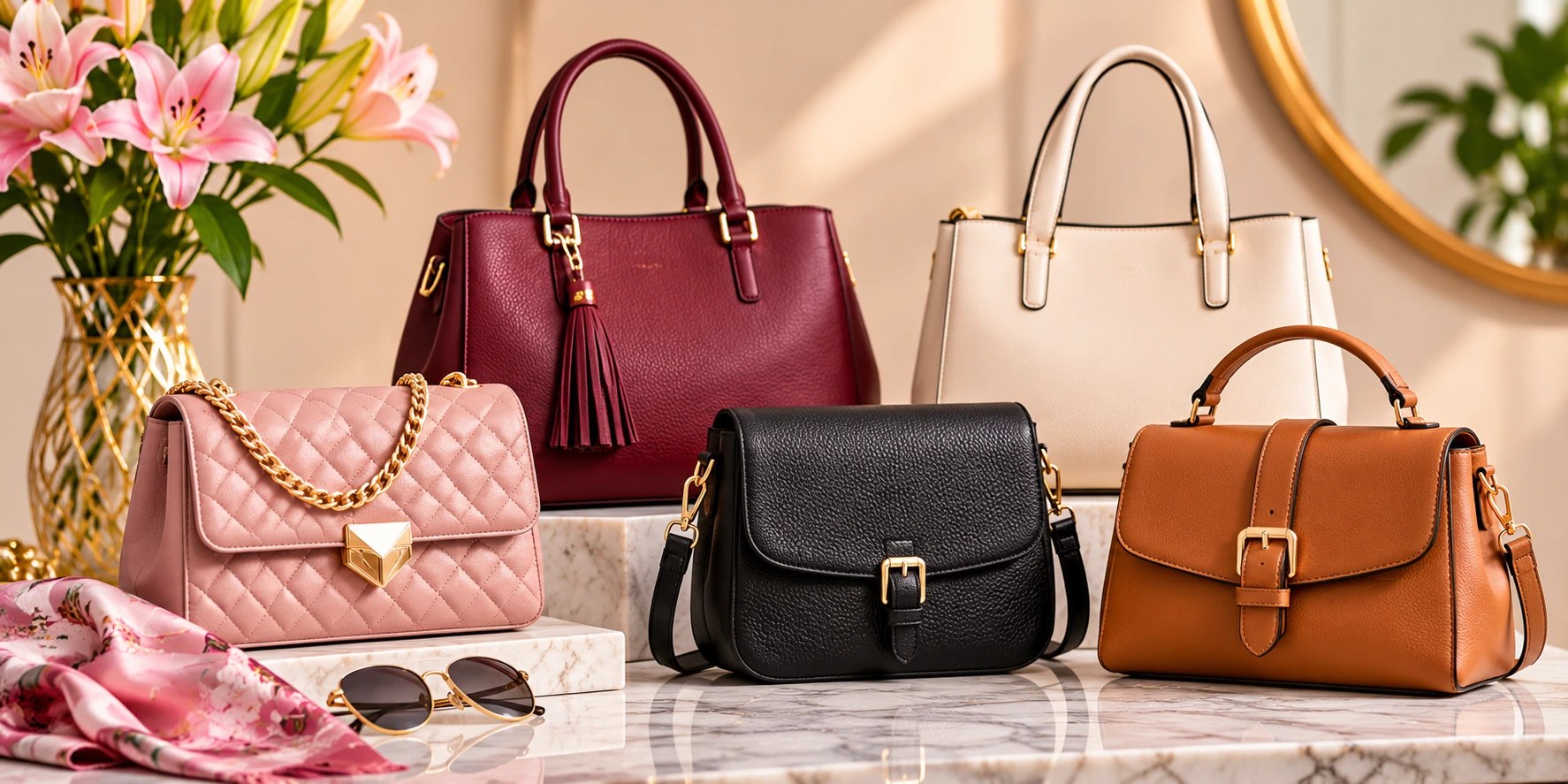
A handbag is one of the most useful accessories in a woman’s wardrobe. It helps carry everyday essentials, keeps personal belongings organised and adds a finishing touch to an outfit. Whether you are going to the office, attending a wedding, travelling or meeting friends, the right handbag can make your day more comfortable.
However, choosing a handbag is not always easy. There are many styles, sizes, materials, colours and designs available. Some bags are suitable for everyday use, while others are made for formal occasions, parties or travel. The right choice depends on your lifestyle, personal preference, budget and the things you need to carry.
From understanding different handbag styles to checking material quality, choosing the right size and maintaining your bag, there are several things worth considering before making a purchase.
This guide explains everything you need to know about handbags for women, including their types, materials, sizes, price ranges, styling ideas, buying tips and care instructions.
What Is a Handbag?
A handbag is a portable bag designed to carry personal belongings such as a wallet, mobile phone, keys, cosmetics, documents and other everyday essentials. Most handbags have one or two handles, shoulder straps or adjustable crossbody straps.
They are available in different shapes, sizes and materials to suit different needs. Some handbags offer plenty of storage space for daily use, while smaller designs are meant for carrying only a few essentials.
Apart from their practical purpose, handbags are also an important fashion accessory. They can complement clothing, add colour to an outfit and reflect a woman’s personal style.
Why Are Handbags Important for Women?
A handbag is more than just an accessory. It makes everyday activities easier by keeping important belongings together and within reach.
Here are some reasons why handbags are useful:
1. Carry Everyday Essentials: Handbags provide space for items such as phones, wallets, keys, makeup, tissues and other personal belongings.
2. Keep Things Organised: Compartments and pockets help separate different items, making it easier to find what you need.
3. Complete an Outfit: A well-chosen handbag can complement casual wear, office outfits, traditional clothing and party dresses.
4. Offer Convenience While Travelling: Crossbody bags, sling bags and backpacks allow women to carry important belongings comfortably while sightseeing or travelling.
5. Reflect Personal Style: From simple designs to colourful and embellished handbags, different styles allow women to express their fashion preferences.
14 Different Types of Handbags for Women
Handbags come in many styles, and each type serves a different purpose. Understanding their features can help you choose the right bag for your daily routine and special occasions.
1. Tote Bags
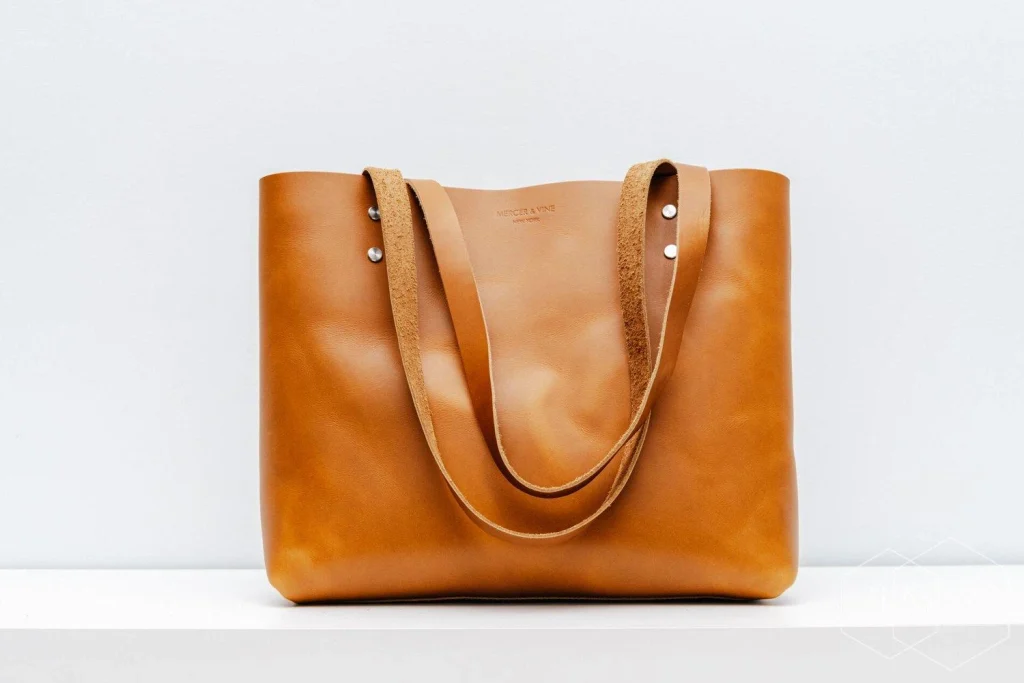
Tote bags are spacious handbags with two parallel handles and a large main compartment. They usually have an open top, although many modern designs include zip closures.
They are suitable for women who carry several items throughout the day. Some larger totes also have enough space for documents, notebooks and laptops.
Best for: Office, college, shopping, daily use and short trips.
2. Shoulder Bags
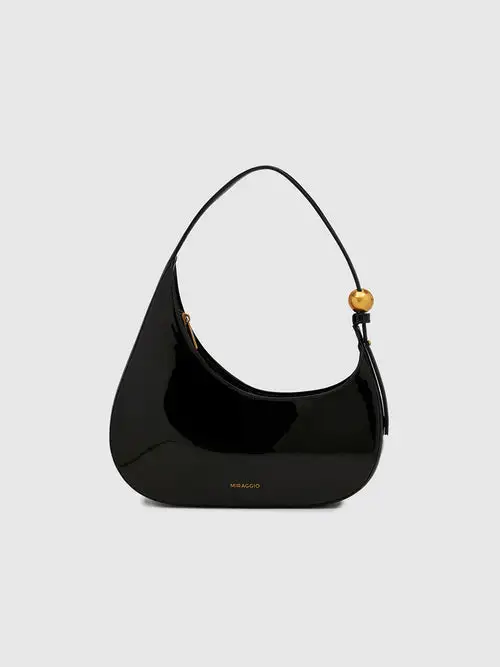
Shoulder bags have one or two straps designed to sit comfortably over the shoulder. They are available in small, medium and large sizes.
These bags are popular because they are easy to carry and work well with both casual and formal outfits.
Best for: Everyday use, shopping, office and casual outings.
3. Sling Bags
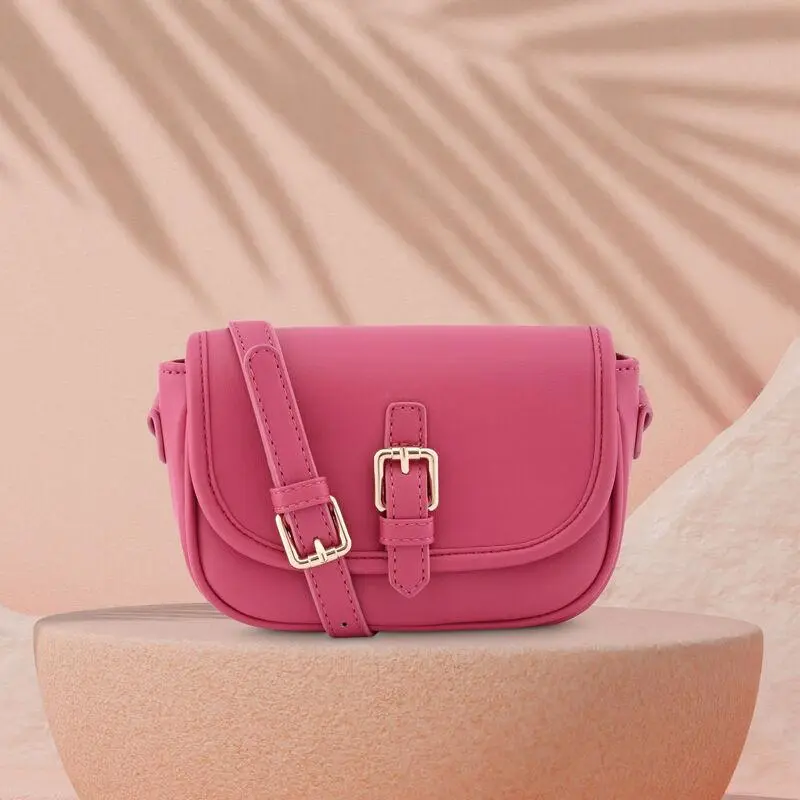
Sling bags are compact bags with a long strap that can be worn across the body or over one shoulder. They are generally smaller than tote bags and are designed for carrying basic essentials.
Best for: Shopping, casual outings, college and everyday errands.
4. Crossbody Bags
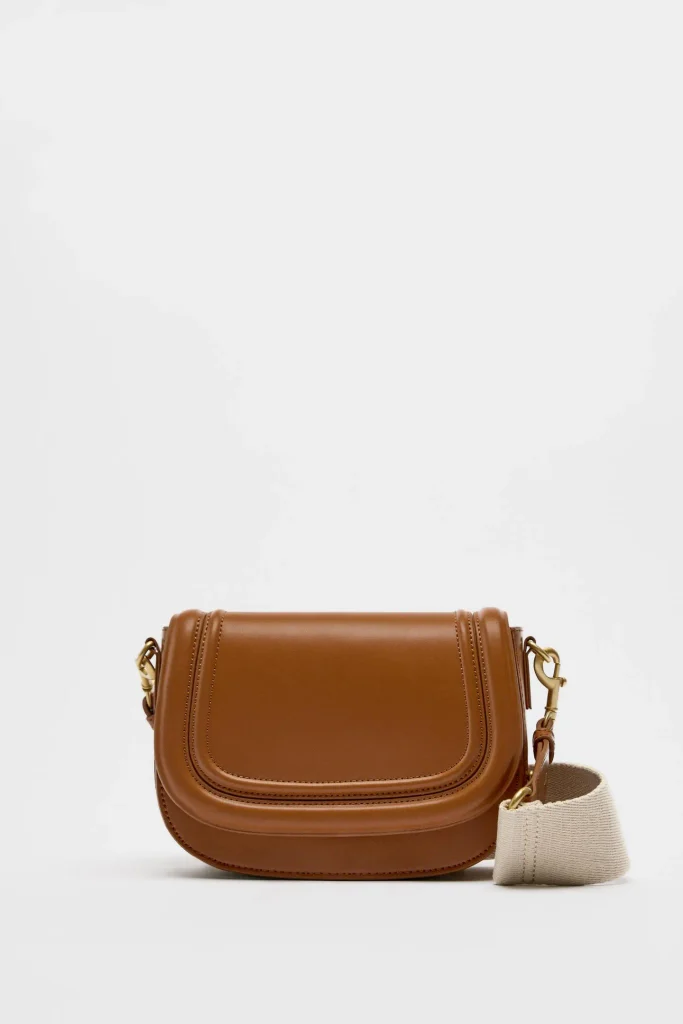
Crossbody bags have a long adjustable strap that runs diagonally across the body. This design keeps your hands free and can make carrying a bag more convenient.
They are particularly useful when walking through crowded places or exploring a new destination. They are available in compact and medium sizes, making them a practical choice for walking, commuting and travelling.
Best for: Travel, sightseeing, shopping and daily use.
5. Clutch Bags
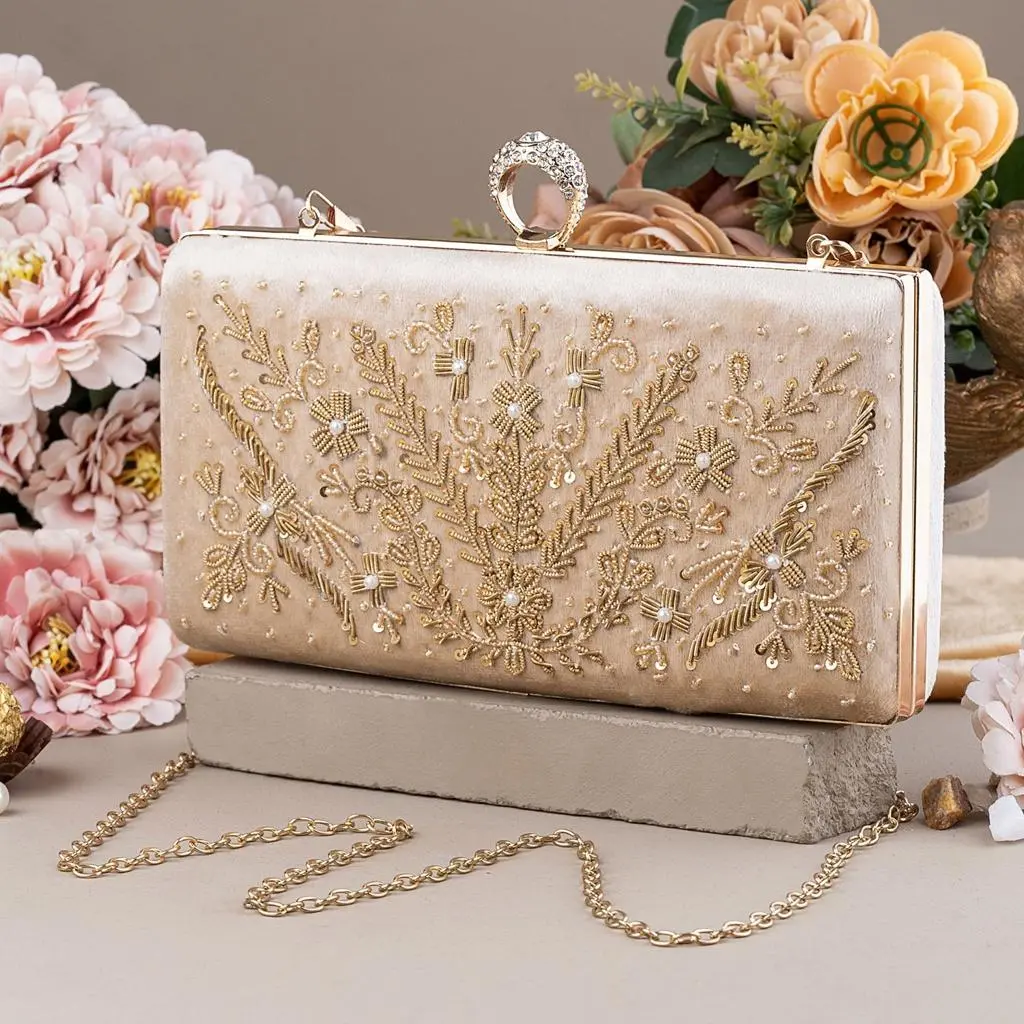
A clutch is a small handbag that is usually carried in the hand or under the arm. Most designs do not have regular handles, although some include detachable chains or wrist straps.
Clutches are often decorated with embroidery, beads, stones, metallic details or elegant patterns.
Best for: Weddings, parties, receptions, formal dinners and evening events.
6. Satchel Bags
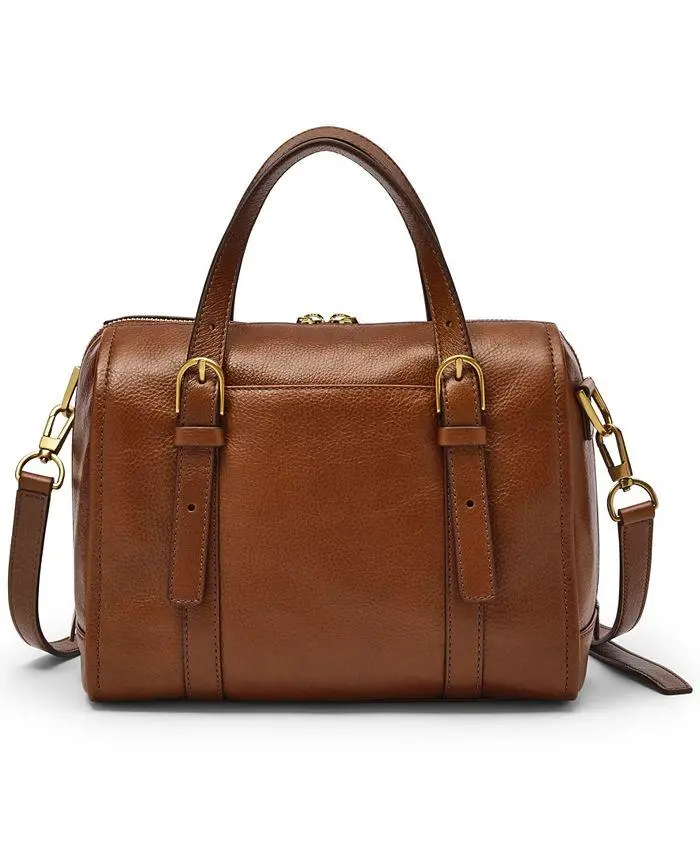
Satchel bags are structured handbags with a flat base, a top handle and often a longer shoulder strap. Many designs include a front flap and buckle-style closure.
Their organised shape makes them a practical option for women who prefer a neat and professional appearance.
Best for: Office, meetings, college and smart-casual occasions.
7. Hobo Bags
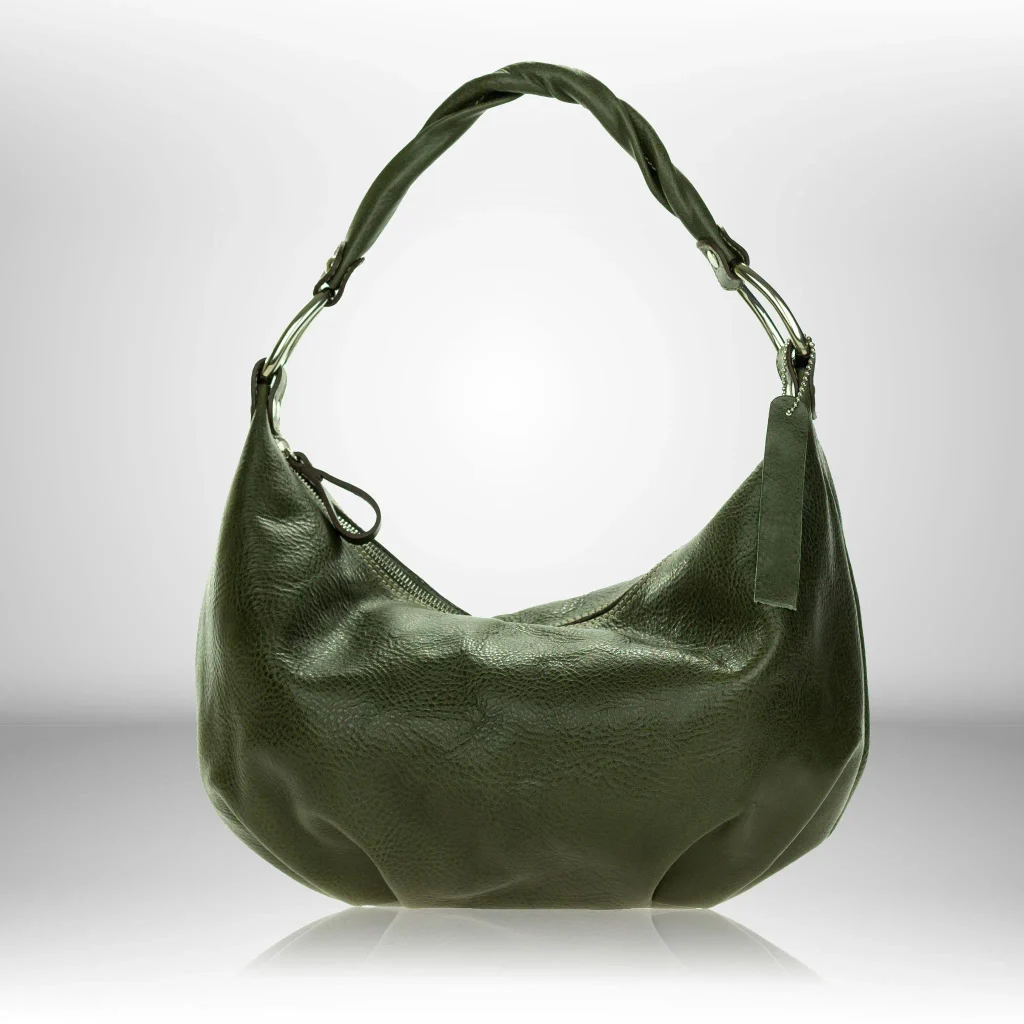
Hobo bags are known for their soft, curved shape and relaxed appearance. They generally have a single shoulder strap and a spacious main compartment.
Their flexible design makes them comfortable for everyday use.
Best for: Shopping, casual outings and daily activities.
8. Bucket Bags
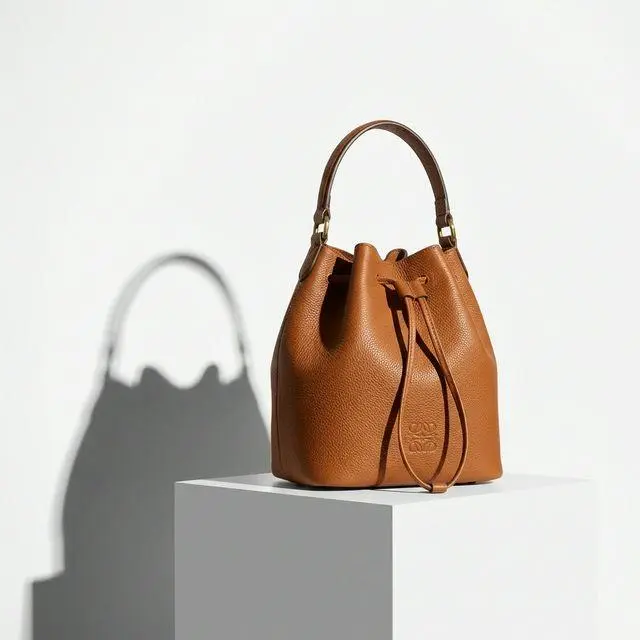
Bucket bags have a rounded or cylindrical shape with a wide opening. Many designs feature a drawstring closure and a shoulder or crossbody strap.
They offer a different look compared to traditional handbags and can hold everyday essentials.
Best for: Casual outings, shopping, holidays and everyday styling.
9. Top-Handle Bags
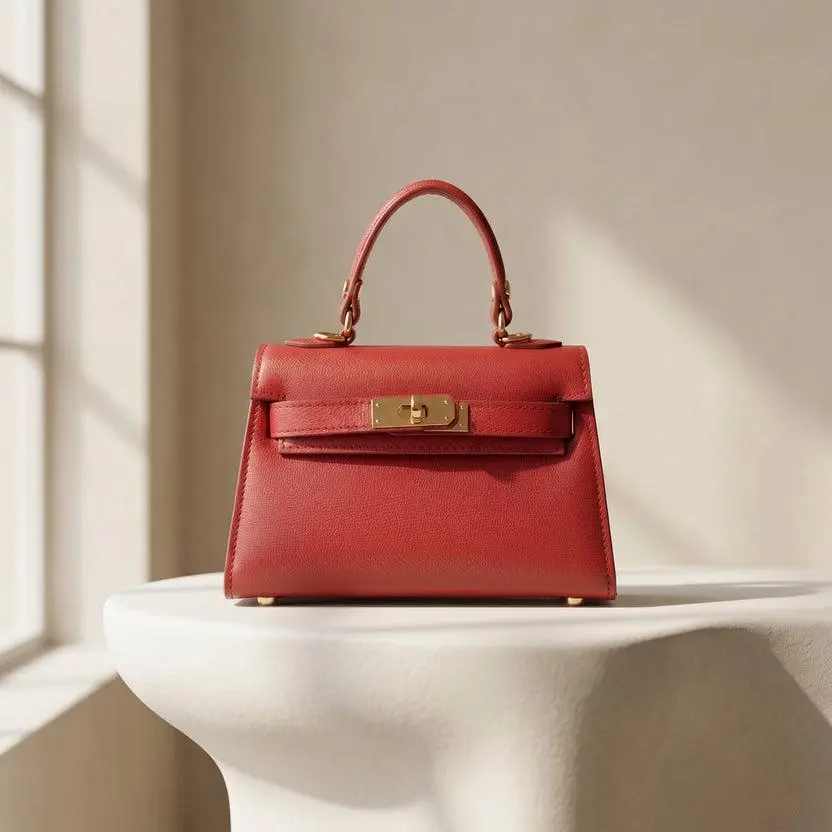
Top-handle bags have one or two handles attached to the upper part of the bag. They usually feature a structured design and may also include a detachable shoulder strap.
These handbags give outfits a polished and elegant appearance.
Best for: Office wear, formal meetings, dinners and special occasions.
10. Baguette Bags
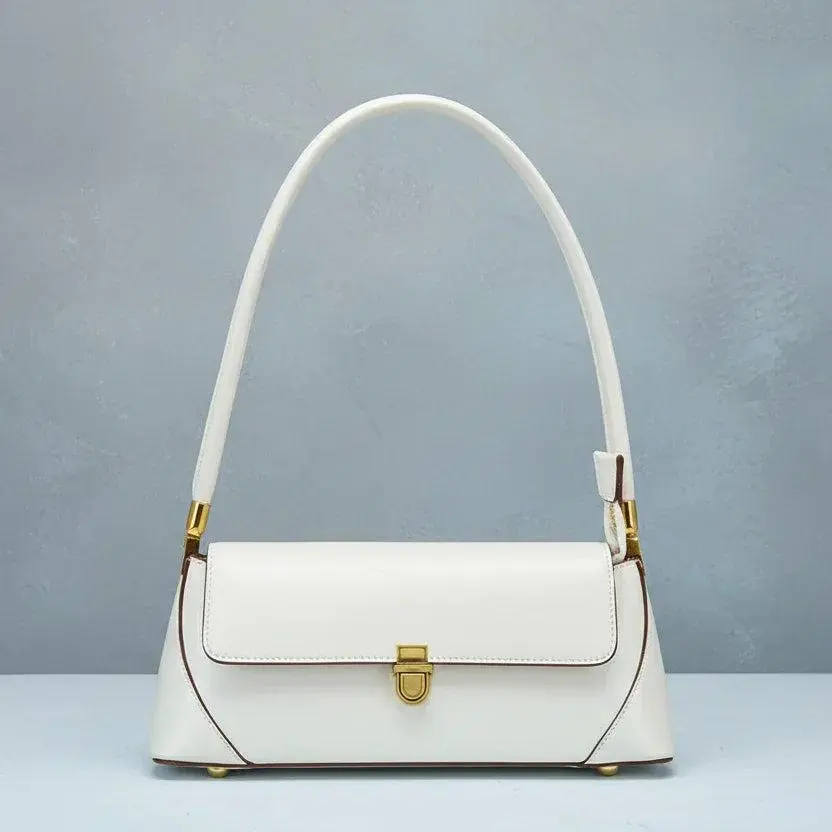
Baguette bags are small, narrow handbags with a short strap. They are designed to sit under the arm and are recognised by their elongated shape.
They are popular among women who prefer compact and fashionable accessories.
Best for: Brunches, casual outings, parties and evening wear.
11. Backpack Handbags
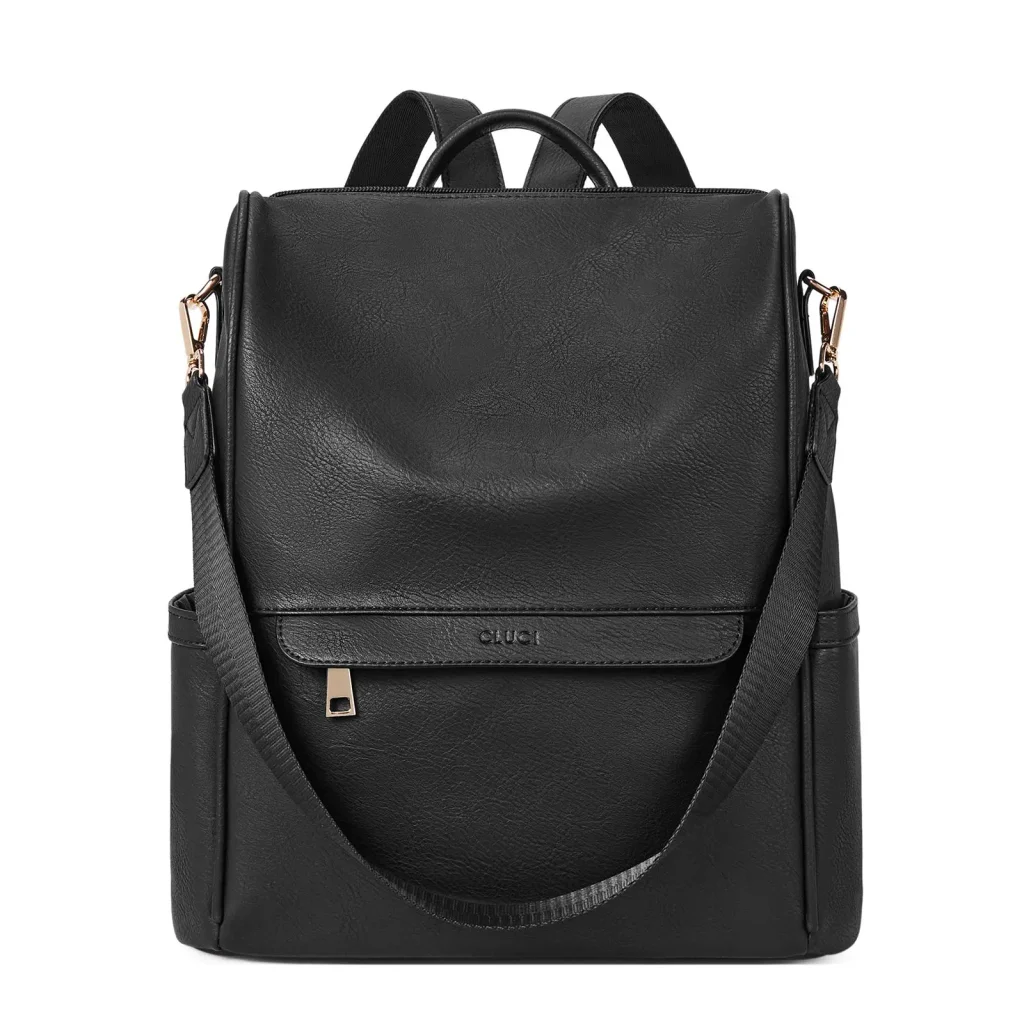
Backpack handbags have two shoulder straps and are carried on the back. Unlike traditional school backpacks, fashion backpacks are available in stylish designs, leather finishes and compact sizes.
They distribute weight across both shoulders, making them useful when carrying several belongings.
Best for: College, commuting, shopping and travel.
12. Potli Bags
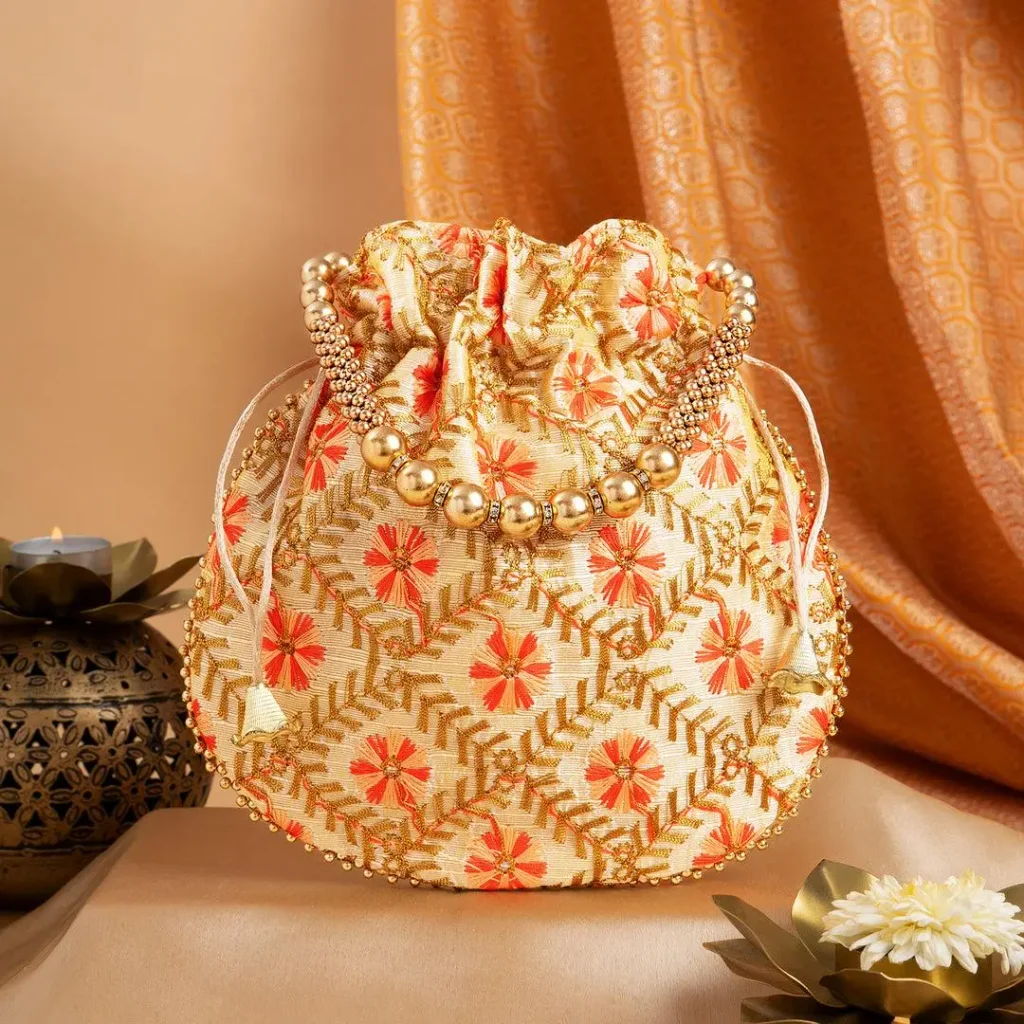
Potli bags are traditional Indian drawstring bags. They are commonly made using silk, velvet, brocade or other decorative fabrics and often feature embroidery, beads, mirrors or zari work.
They are particularly popular with ethnic outfits and festive clothing.
Best for: Weddings, festivals, traditional functions and celebrations.
13. Wristlet Bags
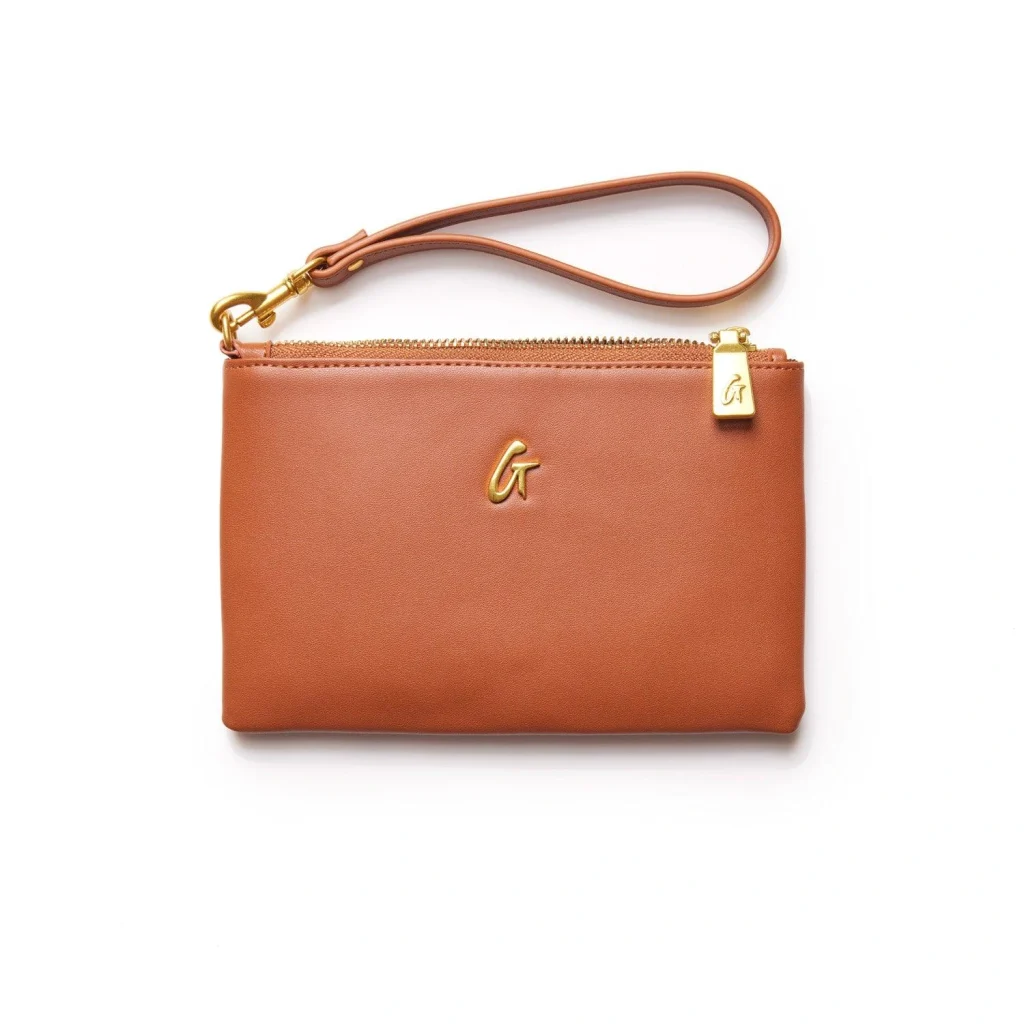
Wristlet bags are small pouches with a short strap that fits around the wrist. They are designed to carry a few essentials without the need for a larger handbag.
Best for: Parties, dinners, shopping and short outings.
14. Weekender Bags
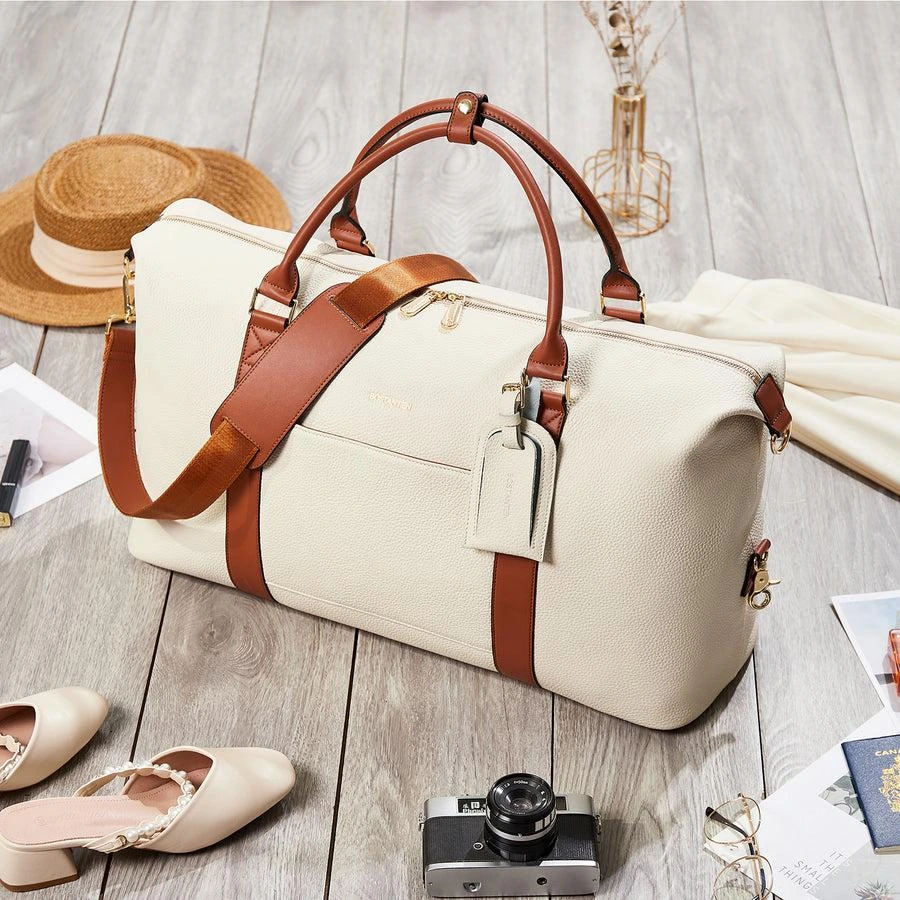
Weekender bags are larger handbags designed for short trips and overnight stays. They offer more storage space than regular handbags and usually include strong handles and shoulder straps.
Best for: Weekend getaways, short holidays and overnight travel.
Which Handbag Is Best for Different Occasions?
Not every handbag is suitable for every situation. A large tote may work well for the office, while a small clutch is more appropriate for a wedding.
Here is a simple guide to choosing the right handbag for different occasions.
| Occasion | Recommended handbag |
| Office and work | Tote, satchel or structured shoulder bag |
| College | Tote, backpack or sling bag |
| Shopping | Crossbody or shoulder bag |
| Weddings | Clutch or potli bag |
| Parties | Clutch, baguette or mini bag |
| Travel | Crossbody, sling or backpack |
| Casual outings | Shoulder, hobo or bucket bag |
| Weekend trips | Weekender bag |
Different Handbag Materials and Their Features
The material of a handbag affects its appearance, weight, durability, maintenance and price. Before buying a handbag, it is important to understand the differences between commonly used materials.
1. Genuine Leather
Genuine leather is made from animal hide and is known for its natural texture and durability. With proper care, a good-quality leather handbag can last for many years.
Features:
- Durable when properly maintained.
- Develops a natural appearance over time.
- Available in different textures and finishes.
- Usually more expensive than synthetic alternatives.
2. Faux Leather or PU Leather
Faux leather is a synthetic material designed to look like genuine leather. PU leather is one commonly used type.
It is available in many colours, textures and designs, making it a popular option for affordable handbags.
Features:
- Usually more affordable than genuine leather.
- Available in different finishes and colours.
- Easy to wipe clean in many cases.
- May peel, crack or wear with regular use.
3. Canvas
Canvas handbags are made from a strong woven fabric, usually cotton or a cotton blend. They are generally lightweight and suitable for everyday activities.
Features:
- Lightweight and practical.
- Suitable for casual outfits.
- Available in printed and plain designs.
- Some versions can be washed, depending on the care label.
4. Nylon
Nylon handbags are made from synthetic fibres and are often lightweight and practical. Many designs are water-resistant, although this depends on the fabric treatment and construction.
Features:
- Lightweight and easy to carry.
- Often suitable for daily commuting and travel.
- Available in sporty and casual designs.
- Generally easy to maintain.
5. Jute
Jute handbags are made from natural plant fibres. They are commonly used for shopping bags and casual accessories.
Features:
- Natural and textured appearance.
- Lightweight in many designs.
- Suitable for casual and summer outfits.
- Can be sensitive to moisture and rough handling.
6. Suede
Suede is a type of leather with a soft, brushed surface. It gives handbags a rich and elegant appearance.
Features:
- Soft and textured finish.
- Suitable for stylish and dressy outfits.
- Requires careful cleaning.
- Can be damaged by water and stains.
7. Fabric and Embroidered Materials
Fabric handbags are available in cotton, silk, velvet and other textiles. Some feature decorative embroidery, prints, beads or mirror work.
Features:
- Available in many designs and colours.
- Suitable for casual and traditional outfits.
- Often lightweight.
- Delicate decorations may require careful handling.
Handbag Size Guide: Small, Medium, Large and Oversized
Choosing the right handbag size is important because it determines how much you can carry and how comfortable the bag will be throughout the day.
Handbag sizes are not governed by one universal standard. Different brands may describe similar dimensions differently. The measurements below are approximate examples to help you understand common sizes. Always check the product’s actual dimensions before purchasing.
| Handbag size | Approximate width | What it can carry |
| Mini | 13–20 cm | Phone, cards and lip balm |
| Small | 20–25 cm | Phone, slim wallet and keys |
| Medium | 25–33 cm | Wallet, phone, keys, sunglasses and small pouch |
| Large | 33–41 cm | Daily essentials, notebook and some tablets |
| Extra large | 41 cm or more | Documents, laptop or additional belongings, depending on depth |
Which Handbag Size Should You Choose?
Small handbags
Choose these when you only need to carry a few essentials. They are suitable for parties, dinners and short outings.
Medium handbags
These are practical for everyday use because they can hold a wallet, phone, keys, cosmetics and other small items without becoming too bulky.
Large handbags
These are useful for office work, shopping and college, especially when you carry notebooks, documents or other belongings.
Extra-large handbags
These are suitable for travel and carrying larger items. If you plan to carry a laptop, check the internal dimensions, padded protection and weight capacity.
Handbag Price Guide in India
Handbag prices in India depend on the brand, material, size, design and overall quality. A basic fabric or PU handbag usually costs less than a premium leather or designer bag.
The following table gives you a general idea of handbag prices in India.
| Price range | What you can generally expect |
| Under ₹1,000 | Basic fabric, canvas and PU handbags |
| ₹1,000–₹2,500 | Everyday sling bags, totes and shoulder bags with more design options |
| ₹2,500–₹5,000 | Better-quality fashion bags and some leather options |
| ₹5,000–₹10,000 | Premium designs, selected leather handbags and branded options |
| Above ₹10,000 | Premium and designer handbags, including high-end leather styles |
Handbag Market Statistics in India
According to a 2026 analysis of Indian D2C handbag stores:
- 1,885 stores in the study sold handbags.
- The median listed handbag price was around ₹2,195.
- Around 31.9% of handbags were priced between ₹2,000 and ₹4,999.
- Sling and crossbody bags had a median price of ₹1,734, while leather handbags had a median price of ₹3,249.
Source: https://merchantdata.in/markets/handbags
What Affects the Price of a Handbag?
- Material: Genuine leather and premium fabrics generally cost more than basic synthetic materials.
- Brand: Established brands may charge more because of their design, reputation, quality standards and services.
- Craftsmanship: Hand embroidery, decorative work and detailed finishing can increase the price.
- Hardware: Strong zippers, buckles, clasps and metal fittings can add to manufacturing costs.
- Size and Storage: Larger handbags may require more material, stronger construction and additional compartments.
- Design and Collection: Limited collections, designer collaborations and seasonal styles may be more expensive.
A higher price does not automatically mean better quality. Always check the actual construction and material before purchasing.
You can also explore our guide to top lingerie brands in India to learn about popular brands offering comfortable and stylish innerwear.
How to Choose the Right Handbag for Women
Choosing a handbag should involve more than looking at its colour or design. A good handbag should match your daily needs, offer enough storage and feel comfortable to carry.
Consider these factors before making a purchase.
1. Understand Your Purpose
Start by deciding why you need a handbag. If you want something for everyday use, choose a medium-sized shoulder bag or crossbody bag. For office use, consider a structured tote with enough room for documents and other work essentials.
For weddings and parties, a clutch or potli bag may be a better choice.
2. Choose the Right Size
The size of a handbag should depend on the items you usually carry.
- Small handbags are suitable for a phone, wallet, keys and a few small essentials.
- Medium handbags are suitable for everyday belongings such as a wallet, makeup pouch and phone.
- Large handbags are useful for work, college, shopping and carrying several items.
- Extra-large bags are useful for travel or carrying bulky belongings.
If you need to carry a laptop, check the bag’s internal dimensions and laptop compatibility instead of relying only on its external size.
3. Check the Material
Choose a material according to your budget, lifestyle and maintenance preferences. Leather may be suitable for long-term use, while canvas and nylon are practical options for casual activities.
If you prefer an affordable fashion handbag, PU leather and fabric designs offer plenty of choices.
4. Look at the Storage Space
A handbag should have enough space for the items you need throughout the day.
Look for useful features such as:
- A main compartment.
- Inner zip pockets.
- Separate phone pockets.
- A secure valuables compartment.
- An outer pocket for frequently used items.
5. Check the Handles and Straps
Handles and straps affect how comfortable a handbag feels. Check whether the handles are securely attached and whether the strap length suits your height and carrying preference.
Adjustable and detachable straps are useful because they allow you to carry the same bag in different ways.
6. Consider the Closure
Handbags come with different closure styles, including zippers, magnetic buttons, buckles, drawstrings and flap closures.
A zip closure is useful for keeping belongings secure, especially when travelling or using public transport.
7. Check the Weight
The empty weight of a handbag is easy to overlook. However, a heavy bag can become uncomfortable once you add your phone, wallet, water bottle and other belongings.
If you carry a handbag for several hours each day, choose a lightweight design with comfortable straps.
8. Set a Budget
Handbags are available across different price ranges. Instead of choosing the most expensive option, compare the material, stitching, storage, hardware and overall quality.
A well-made handbag that suits your needs can be a better purchase than an expensive design you rarely use.
The right accessories can complete your everyday look. You can also check our guide to top perfume brands for women.
How to Check Handbag Quality Before Buying
A handbag may look attractive in photographs, but its actual quality depends on several details. Before purchasing, inspect these parts carefully.
1. Stitching
Look for straight, even stitching around the handles, edges and main body. Avoid bags with loose threads, uneven seams or visible gaps.
2. Zippers and Closures
Open and close the zipper a few times to check whether it moves smoothly. Buckles, magnetic buttons and clasps should close securely without requiring too much force.
3. Handles and Straps
Check how the handles are attached to the bag. The stitching and attachment points should feel strong enough for normal use.
4. Inner Lining
Look inside the handbag for a neatly fitted lining. It should not have loose fabric, torn sections or unfinished seams.
5. Hardware
Check the quality of metal fittings, rings, buckles and decorative elements. They should be securely attached and should not feel loose.
6. Base and Shape
A well-constructed handbag should have a stable base if its design is meant to be structured. Check for uneven panels, poor finishing or damaged corners.
7. Material Information
Read the product description carefully. Terms such as genuine leather, faux leather, PU leather and vegan leather do not mean the same thing.
For expensive branded handbags, purchase from official stores or authorised sellers and check the product’s authenticity information.
Best Handbag Colours to Consider
Colour plays an important role when selecting a handbag. Some colours are easy to match with different outfits, while others work better as statement accessories.
- Black: A versatile choice for office wear, casual outfits and formal occasions. It pairs well with most clothing colours.
- Brown: A classic option that works particularly well with neutral, earthy and traditional outfits.
- Tan: A warm, elegant colour suitable for everyday use, denim and smart-casual clothing.
- Beige: A subtle choice for minimal and sophisticated outfits. However, light shades may show dirt and stains more easily.
- White and Cream: These colours work well with summer dresses, pastel outfits and light-coloured clothing but require regular cleaning.
- Red: A statement colour that can add contrast to simple outfits.
- Blue: Navy and other shades of blue work well with denim, casual clothing and many office outfits.
- Pastel Colours: Pink, lavender, mint and light blue are popular choices for soft and feminine looks.
If you are buying your first handbag, a black, brown or tan design is a practical starting point because these colours can be paired with many outfits.
How to Match Handbags with Different Outfits
A handbag can change the overall appearance of an outfit. You do not always need an exact colour match. Instead, focus on creating a balanced combination of colours, textures and styles.
Handbags with Western Wear
For jeans, trousers, tops and dresses, shoulder bags, crossbody bags and totes are practical choices. Neutral colours work well for everyday outfits, while colourful handbags can add contrast.
Handbags with Office Wear
Structured totes, satchels and top-handle bags complement formal shirts, trousers, blazers and office dresses.
Choose a design with sufficient space for your daily work essentials and a secure closure.
Handbags with Indian Ethnic Wear
Potli bags, embroidered clutches and embellished handbags complement sarees, salwar suits, lehengas and other traditional outfits.
Gold, silver, maroon and other rich shades can work well with festive clothing, depending on the outfit.
Handbags with Casual Wear
For casual clothing such as jeans, T-shirts, kurtis and summer dresses, sling bags, canvas totes and hobo bags are comfortable options.
Handbags for Party Wear
Small clutches, chain-strap bags and embellished mini bags can complement party dresses, gowns and evening outfits.
Tips for Buying Handbags Online
Buying handbags online gives you access to many designs, brands and price options. However, you cannot physically check the bag before placing an order.
Keep these points in mind:
1. Read the Material Description
Check whether the bag is made from genuine leather, PU leather, canvas, nylon or another material.
2. Check the Dimensions
Look at the width, height and depth instead of judging the size from photographs alone.
3. Examine Product Images
Check front, back, side and interior photographs to understand the design and storage space.
4. Read Customer Reviews
Look for comments about stitching, material quality, colour, size and actual product appearance.
5. Check the Return Policy
Understand the return and replacement conditions before ordering.
6. Compare Prices
Check the same or similar design across different sellers, but do not choose a seller only because the price is unusually low.
7. Buy Branded Bags from Reliable Sellers
For expensive handbags, prefer official websites, brand stores or authorised retailers.
8. Check Warranty Information
Some brands provide warranty or repair support. Read the conditions to understand what is covered.
Common Mistakes to Avoid When Buying a Handbag
A handbag may look beautiful in a store or online, but that does not always mean it will be comfortable or practical.
Avoid these common mistakes:
- Choosing Style Over Comfort: A fashionable bag with uncomfortable handles may not be suitable for everyday use.
- Ignoring the Size: Always check whether your regular belongings will fit inside.
- Not Checking the Stitching: Weak stitching and loose handles can reduce a bag’s durability.
- Buying Without Checking the Closure: Make sure the zipper, clasp or button works properly.
- Ignoring the Weight: A heavy handbag can become uncomfortable when filled.
- Following Every Trend: Choose designs that suit your lifestyle rather than buying every new fashion trend.
- Ignoring Maintenance: Some materials need more care than others, so consider how much maintenance you are comfortable with.
Conclusion
Handbags are useful accessories that combine convenience, organisation and personal style. From spacious tote bags and practical crossbody designs to elegant clutches and traditional potli bags, there are many options available for different occasions.
The best handbag is not necessarily the most expensive or fashionable one. It is the one that suits your lifestyle, carries your essentials comfortably and complements your wardrobe.
Before buying, consider its size, material, quality, storage, weight and overall design. Also, check the stitching, handles, zippers and return policy, especially when shopping online.
With the right choice and proper care, a good handbag can become a useful part of your everyday wardrobe for years.
Frequently Asked Questions
Some popular types include tote bags, shoulder bags, sling bags, crossbody bags, clutches, satchels, hobo bags, bucket bags and backpacks. Each style serves a different purpose.
A medium-sized shoulder bag, tote or crossbody bag is suitable for everyday use. The best choice depends on how many items you carry and how you prefer to carry your bag.
Black, brown and tan are versatile handbag colours that pair well with many outfits. Beige and navy are also practical options.
No. A higher price does not automatically guarantee better quality. Check the material, stitching, handles, hardware, storage and overall construction before purchasing.
Clean it according to its material, avoid overloading it, protect it from moisture and store it in a dust bag when not in use. Proper storage and regular cleaning can help maintain its appearance.
Check the product dimensions, material description, internal compartments, strap length, closure type, customer reviews, return policy and actual product photographs before placing an order.
People Are Also Reading:
- Best Bag Brands in India
- Best Branded Watches for Women
- Best Eyewear Brands
- Lipstick Brands
- Lingerie Brands in India