
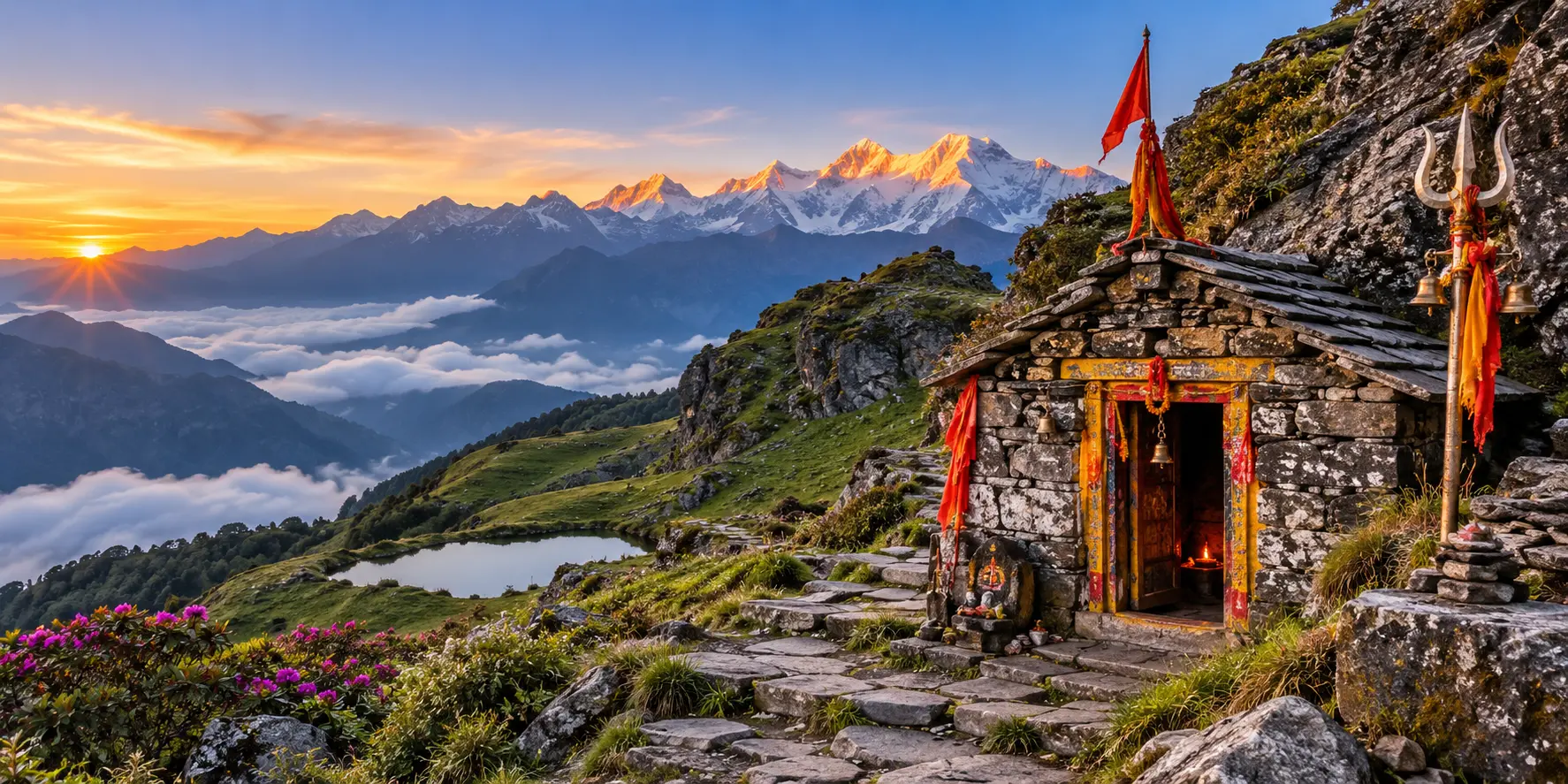
Rudranath Temple is one of the most sacred Shiva temples in the Garhwal Himalayas of Uttarakhand. Rudranath Temple is located in Chamoli district at an altitude of around 3,600 metres. It is one of the Panch Kedar temples and is traditionally believed to represent the face of Lord Shiva. Unlike temples that you can reach by road, Rudranath requires a long trek through forests, meadows, and the high Himalayan mountains. The journey is physically demanding, but it also offers peaceful surroundings, mountain views and a deeply spiritual experience.
This Rudranath travel guide covers the temple history, legend, Panch Kedar connection, trek distance, route, difficulty, opening dates, best time to visit, how to reach the base village, accommodation, things to carry and practical travel tips for 2026.
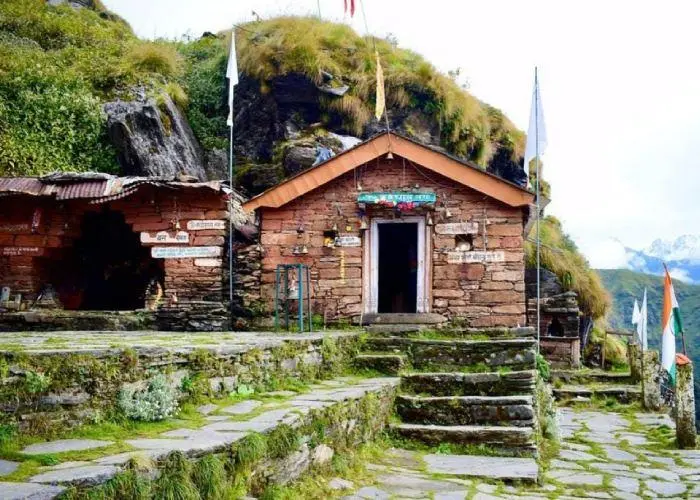
Rudranath Highlights
- Location: Chamoli district, Uttarakhand
- Elevation: Around 3,600 metres
- Trek Distance: Around 20 to 22 km one way
- Trek Duration: 4 to 5 days
- Difficulty: Moderate to difficult
- Starting Point: Sagar Village
- Best Season: Mid May to June and September to mid October
- Opening Period: April 22 to November 11, 2026, with the closing date tentative
- Nearest Railway Station: Rishikesh Railway Station
- Nearest Airport: Jolly Grant Airport, Dehradun
- Temple Deity: Lord Shiva, traditionally worshipped as his face
- Panch Kedar: Fourth temple in the Panch Kedar pilgrimage
- Winter Seat: Gopinath Temple in Gopeshwar
- Road Access: No motorable road reaches the temple
Why Is Rudranath Temple Famous?
Rudranath is famous mainly because of its religious importance as one of the Panch Kedar temples. According to Hindu tradition, the natural rock formation worshipped at the temple represents the face of Lord Shiva. The temple is also known for its remote Himalayan setting. The trek passes through forests and high meadows, making the journey different from a regular temple visit. The combination of spirituality and mountain terrain makes Rudranath an important destination for both pilgrims and experienced trekkers.
Things To Do In Rudranath
Rudranath offers more than a temple visit. The journey combines trekking, Himalayan landscapes and spiritual experiences. Some of the best things to do in and around Rudranath include:
1. Trek Through Himalayan Trails
Take on the challenging trek from Sagar Village to Rudranath Temple. The approximately 20 to 22 km route passes through forests, steep mountain sections, high altitude meadows and rugged Himalayan terrain. The trek itself is an important part of the Rudranath experience.
2. Walk Through Panar and Lyuti Bugyal
Spend time walking through the open alpine meadows of Panar Bugyal and Lyuti Bugyal. These high altitude grasslands provide wide mountain views and seasonal wildflowers, offering a scenic contrast to the forest sections of the trail.
3. Enjoy Himalayan Mountain Views
Take breaks along the higher sections of the trail to enjoy the surrounding Himalayan landscape. The open meadows and elevated ridges provide expansive views and a peaceful setting away from busy tourist areas.
4. Offer Prayers at Rudranath Temple
Visit the main shrine and offer prayers to Lord Shiva, traditionally worshipped here in the form of his natural, self manifested face. Rudranath is the fourth temple of the Panch Kedar pilgrimage and holds special religious importance for Shiva devotees.
5. Visit the Sacred Kunds
Spend some time around the sacred kunds near the temple. Additionally, Surya Kund, Chandra Kund, and Tara Kund are traditionally associated with the religious landscape of Rudranath. Visitors should maintain cleanliness and respect local religious practices while visiting these sites.
6. Experience the Peaceful Himalayan Surroundings
Take time to enjoy the quiet atmosphere around the temple, forests and open meadows. The remote location, limited road access and natural surroundings make Rudranath different from more easily accessible pilgrimage destinations.
7. Visit Gopinath Temple in Gopeshwar
If your itinerary allows, visit Gopinath Temple in Gopeshwar before or after the trek. The temple has an important connection with Rudranath’s winter worship and is also significant from a historical and archaeological perspective.
8. Extend the Journey to Kalpeshwar
Travellers planning a wider Panch Kedar pilgrimage can consider visiting Kalpeshwar Temple in the Urgam Valley. It is associated with the matted hair of Lord Shiva in the traditional Panch Kedar story and provides an opportunity to continue the pilgrimage beyond Rudranath.
Rudranath Temple History and Legend
The history of Rudranath is closely connected with the traditional Panch Kedar story. Many details about the temple’s origin belong to religious tradition and should be understood as legend rather than documented historical events.
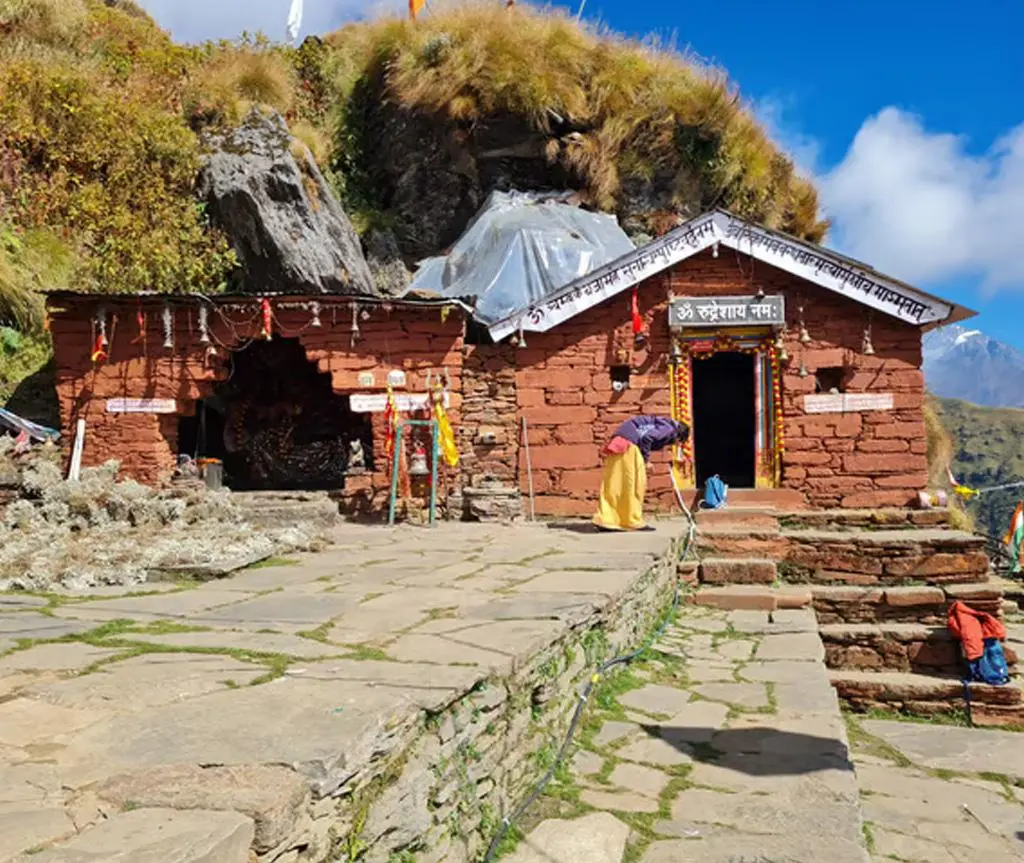
The Pandava Legend
According to Hindu tradition, the Pandavas wanted to seek forgiveness from Lord Shiva after the Kurukshetra War because of the destruction and deaths caused by the conflict. Lord Shiva did not want to appear before them and is believed to have taken the form of a bull. The Pandavas eventually recognised him, and Bhima tried to hold the bull. According to the legend, Shiva’s body appeared at five different places in the Garhwal Himalayas:
- The hump appeared at Kedarnath
- The arms appeared at Tungnath
- The stomach appeared at Madhyamaheshwar
- The matted hair appeared at Kalpeshwar
- The face appeared at Rudranath
These five places became known as the Panch Kedar temples. The Pandavas are traditionally believed to have built temples at these locations as part of their worship of Shiva.
Rudranath as a Natural Rock Shrine
Rudranath has a distinctive setting because the main sacred form is associated with a natural rock formation rather than a conventional sculpted idol. The temple is located in a rugged mountain environment, with rocks, forests and open meadows surrounding the shrine. The natural character of the site adds to its quiet and isolated atmosphere. The route to the temple also contributes to its appeal. Instead of a short road journey, pilgrims have to walk for several hours through Himalayan terrain before reaching the shrine.
Swayambhu Face of Lord Shiva
Rudranath is traditionally associated with the swayambhu, or self manifested, face of Lord Shiva. Devotees worship the natural rock form as Shiva’s face, also associated with the name Rudra. This religious belief is one of the main reasons the temple holds a special place among the Panch Kedar shrines. The worship at Rudranath is therefore not simply about visiting a mountain temple. For devotees, the natural form itself is considered sacred and connected with Lord Shiva.
Rudranath Temple and Panch Kedar
Rudranath is the fourth temple in the traditional Panch Kedar pilgrimage. The five temples are located across the Garhwal Himalayas and are associated with different parts of Shiva’s body according to the Pandava legend.
| Panch Kedar Temple | Traditional association |
| Kedarnath | Hump of Lord Shiva |
| Tungnath | Arms of Lord Shiva |
| Madhyamaheshwar | Stomach or navel |
| Rudranath | Face |
| Kalpeshwar | Hair or matted locks |
The Panch Kedar pilgrimage challenges devotees physically because several temples sit at high elevations and require them to trek through rugged mountain terrain. The remote locations and steep trails make the journey challenging for pilgrims.
Rudranath Temple During Winter
Rudranath remains inaccessible during the winter months because snowfall makes the high mountain route difficult and unsafe. During winter, priests traditionally bring the movable deity down to Gopeshwar. Worship continues there until the temple opens again for the summer pilgrimage season. This seasonal migration is an important part of the religious tradition surrounding Rudranath.
Gopinath Mandir in Gopeshwar
Gopinath Temple is an important Shiva temple in Gopeshwar and serves as the winter seat associated with Rudranath worship. The temple is also historically important. Archaeological records document Shiva sculptures at the Gopinath temple complex dating to around the 8th and 9th centuries CE and associated with the Katyuri period. For pilgrims visiting Rudranath outside the trekking season, Gopinath Temple provides an important connection with the deity’s winter worship.
Rudranath Temple Trek Overview
The Rudranath trek is considered one of the more demanding Panch Kedar treks because of its length, elevation and remote terrain. The exact distance varies depending on the route and starting point, but the Sagar route is commonly described as approximately 20 to 22 km one way.
Important points to know before starting:
- Approximate one way trek distance: 20 to 22 km
- Approximate round trip walking distance: 40 to 44 km
- Temple altitude: around 3,600 metres
- Highest sections can approach 4,000 metres
- Trek duration: generally 4 to 5 days including travel and return
- Road access does not reach the temple
- Mountain weather can change quickly
- Basic facilities are available along parts of the route, but they are limited
Rudranath Trek Distance
The commonly used Sagar route covers approximately 20 to 22 km from Sagar Village to Rudranath Temple. The actual distance can vary depending on the exact trail, camping point and route conditions. Some trekkers use different approaches through the Urgam Valley or Mandal region, so their total distance can be different. For planning purposes, travellers should prepare for a long mountain trek rather than treating the distance as a simple 20 km walk.
Rudranath Trek Altitude
Rudranath Temple is situated at approximately 3,600 metres above sea level. The trail also crosses higher sections, particularly around Pitradhar, where the elevation can approach 4,000 metres. The combination of altitude and steep terrain makes the trek more tiring than the distance alone suggests. Trekkers should walk at a comfortable pace and allow enough time for rest and acclimatisation.
Rudranath Trek Difficulty
The Rudranath trek is generally considered moderate to difficult and can be challenging for first time high altitude trekkers. The main difficulties include:
- Long walking days
- Steep ascents and descents
- Rocky and uneven sections
- Forest trails
- High altitude
- Limited medical and transport facilities
- Sudden changes in mountain weather
- Limited accommodation on remote sections
Good physical preparation is recommended before starting the trek.
Rudranath Temple Route
The Sagar route is one of the commonly used approaches to Rudranath. The trail gradually moves from the lower mountain village into forests, meadows and higher Himalayan terrain.
1. Rishikesh to Sagar Village
The journey normally begins with road travel from Rishikesh towards Chamoli and Gopeshwar before continuing to Sagar Village. The road passes through several important towns and mountain valleys. Travellers should keep a full day for this journey because mountain roads are slower than plains roads.
A typical road journey passes through Rishikesh, Devprayag, Srinagar, Rudraprayag, Chamoli, Gopeshwar and Sagar Village. The exact travel time depends on road conditions, traffic, weather and the starting point.
2. Sagar Village to Pung Bugyal
Sagar Village marks the beginning of the main walking section for the commonly used route. From Sagar, the trail gradually climbs towards Pung Bugyal through mountain paths and forested sections. The walk is an important first stage because it prepares trekkers for the higher terrain ahead. Trekkers generally spend several hours on this section and continue towards a suitable camping or accommodation point depending on local arrangements.
3. Pung Bugyal to Lyuti Bugyal / Panar Bugyal
The trail continues towards the high meadows of Lyuti Bugyal and Panar Bugyal. This part of the trek becomes more open compared with the lower forest sections. Panoramic mountain views become more prominent as the trail gains elevation. Panar Bugyal is also an important resting and camping area for trekkers using the Sagar route.
4. Panar Bugyal to Pitradhar
The route from Panar moves towards Pitradhar and involves a significant climb. Pitradhar is one of the higher points on the trail, so trekkers should maintain a slow and steady pace. Weather conditions can also change quickly at this elevation. This is one of the sections where proper footwear, warm clothing and adequate water become especially important.
5. Pitradhar to Rudranath Temple
The final section takes trekkers from the high ridge area towards Rudranath Temple. After completing the final approach, the landscape changes again as the sacred temple area comes into view. The final stretch can still be tiring because trekkers have already spent several hours walking at high altitude. Reaching the temple therefore marks both a spiritual and physical milestone.
Rudranath Trek Itinerary: 4 Day Plan
A four day plan can work for fit trekkers who are comfortable with long walking days. However, actual timings should remain flexible because mountain weather and trail conditions can change.
Day 1: Rishikesh to Sagar Village
Start early from Rishikesh and travel by road towards Sagar Village through the Garhwal region. The first day is mainly a road journey, so keep it comfortable and use the evening to prepare for the trek. Before sleeping, check:
- Trekking shoes and rain protection
- Water bottles
- Warm clothing
- Food and personal medicines
- Local weather conditions
- Trek route and accommodation arrangements
Day 2: Sagar Village to Lyuti Bugyal / Panar Bugyal
Begin the trek from Sagar after breakfast. The day involves continuous walking through forest sections and gradually higher terrain. Take regular breaks instead of trying to cover the route too quickly. Reach Lyuti Bugyal or Panar Bugyal depending on your pace and local camping arrangements. Have an early dinner and rest properly because the next day includes the higher sections of the trail.
Day 3: Panar Bugyal to Rudranath Temple
Start early from the camping area and continue towards Pitradhar. The route becomes more demanding as you gain altitude. Walk slowly and take short breaks when required. After crossing the higher section, continue towards Rudranath Temple. Once you reach the temple area, allow time for darshan and rest. Stay overnight near the temple only if accommodation is available. Facilities are basic, so do not expect hotel style services.
Day 4: Rudranath Temple to Sagar Village
Start the return journey early. The return route requires careful walking because descents can put additional pressure on the knees, especially after several days of trekking. Take enough breaks and avoid rushing downhill. Reach Sagar Village by evening if trail and weather conditions allow.
Rudranath Temple Opening Dates 2026
- Opening Date: April 22, 2026, at 8:00 AM
- Tentative Closing Date: November 11, 2026
The temple remains open during the main pilgrimage season, but trekking conditions can change throughout the year. Snow, rain and trail conditions may affect access, especially during the beginning and end of the season. Travellers should check the latest local updates before starting their journey, particularly if visiting close to the tentative closing date.
Best Time to Visit Rudranath
The best time depends on whether you prefer fresh mountain landscapes, clearer weather or a quieter trekking experience.
Recommended Seasons
Mid May to June
Mid May to June is a popular period because the summer pilgrimage season has begun and the higher mountain landscape is becoming accessible. During this period:
- Days are generally suitable for trekking
- Alpine meadows begin becoming greener
- Snow may still be present in some higher areas
- Weather can remain cold, especially in the morning and evening
Always check local trail conditions before departure.
September to Mid October
September to mid October is another good period for the Rudranath trek. The monsoon season has generally reduced, and the route can offer clearer mountain views. The landscape also remains attractive after the rains. This period can be particularly suitable for trekkers who want to avoid the heaviest monsoon conditions.
Seasons to Avoid
July to Early September
July and August are affected by the monsoon season in Uttarakhand.
Heavy rainfall can cause:
- Slippery trails
- Landslides
- Falling rocks
- Road disruptions
- River and stream crossings becoming difficult
- Delays in transportation
For these reasons, this period is generally less suitable for the Rudranath trek.
Late October to April
Late autumn and winter bring cold weather and snowfall to the higher areas. The temple is closed during the winter period, and the high altitude route can become difficult or inaccessible because of snow. Travellers should not plan a normal Rudranath trek during the winter closure period.
How to Reach Rudranath Temple
Rudranath requires a combination of road travel and trekking. There is no direct road to the temple.
By Road
Rishikesh is a common starting point for travellers visiting Rudranath from different parts of India. From Rishikesh, the road journey passes through Devprayag, Srinagar, Rudraprayag, Chamoli and Gopeshwar before reaching Sagar Village, which is a popular base for the trek. Travellers can use buses, shared vehicles or taxis depending on their budget and convenience. If travelling from Delhi, it is better to divide the long journey into smaller parts for a more comfortable trip.
By Railway
Rishikesh and Haridwar are the main railway options for travellers coming by train.
Rishikesh is useful for continuing towards the Garhwal region, while Haridwar generally has wider rail connectivity. From the railway station, travellers can continue by:
- Bus
- Shared jeep
- Taxi
- Private vehicle
The final road journey continues towards Gopeshwar and the selected trek base.
By Air
Jolly Grant Airport near Dehradun is the nearest major airport for travellers flying into Uttarakhand.
From the airport, continue by road towards Rishikesh and then onwards through the Garhwal region.
Because the road journey from the airport to the trek base is long, travellers should plan sufficient travel time rather than attempting the entire journey immediately before the trek.
From Sagar Village to Rudranath Temple
The final journey from Sagar Village must be completed on foot. The Sagar route is approximately 20 to 22 km one way and passes through forest trails, meadows and higher mountain terrain. There is no motorable road directly to the temple. Travellers should therefore plan for a proper multi day trek with suitable footwear, food, water and warm clothing.
Places to Visit Near Rudranath
The Rudranath region has several religious and natural attractions that can be included in a longer pilgrimage or trekking trip.
1. Anusuya Devi Temple
Anusuya Devi Temple is located in the Mandal region of Chamoli district and is another important religious destination near the Rudranath area. The temple is associated with Mata Anusuya and attracts pilgrims throughout the accessible season. Travellers interested in the religious heritage of the region can combine Anusuya Devi Temple with a Rudranath journey, depending on their route and available time.
2. Gopinath Temple
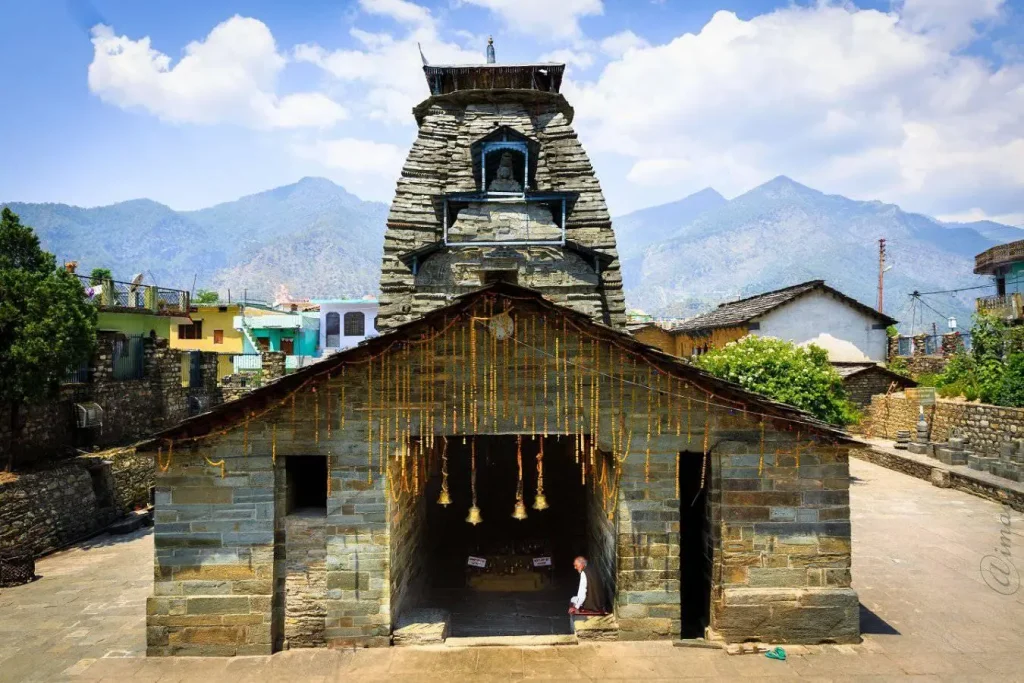
Gopinath Temple in Gopeshwar is an important Shiva temple and has a strong connection with Rudranath’s winter worship. It is also significant from a historical and archaeological perspective, with sculptures from the Katyuri period documented at the temple complex. In addition, the temple serves as a convenient stop for travellers passing through Gopeshwar before or after the Rudranath trek.
3. Panar Bugyal and Lyuti Bugyal
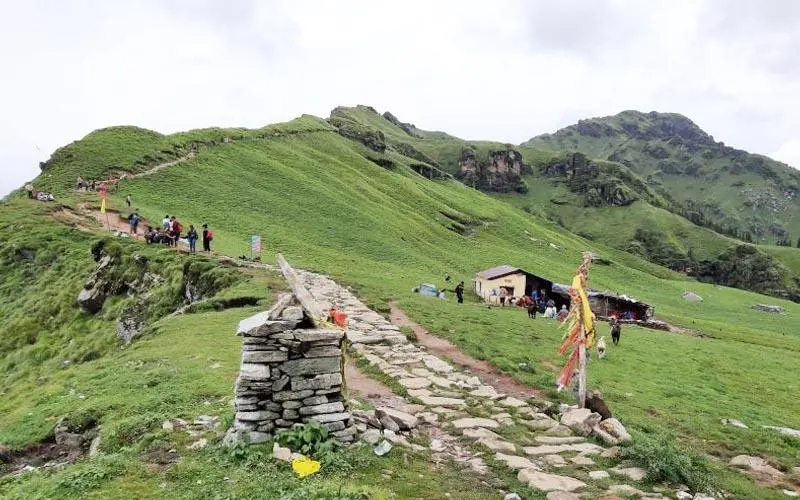
Panar Bugyal and Lyuti Bugyal are high altitude meadow areas along the Sagar route. These open landscapes provide a major contrast to the forest sections of the trek.
Trekkers can expect:
- Wide mountain views
- Open grasslands
- Cold mountain winds
- Seasonal wildflowers
- Camps or basic overnight arrangements during the trekking season
Weather can change quickly in these exposed areas, so warm and waterproof clothing is important.
4. Holy Kunds at Rudranath Temple
Several sacred kunds, or natural water bodies, are traditionally associated with the Rudranath Temple area. These kunds hold religious importance for pilgrims and are considered part of the sacred landscape surrounding the shrine. Visitors can see these water bodies during their visit to the temple and should treat the area with respect.
Surya Kund
Surya Kund is one of the sacred water bodies near Rudranath Temple. It is traditionally associated with the Sun God and forms part of the religious practices followed by pilgrims visiting the shrine. Many devotees consider it an important spiritual spot during their pilgrimage.
Chandra Kund
Chandra Kund is another sacred kund near the temple. It is traditionally associated with the Moon God and is considered an important part of the spiritual surroundings of Rudranath. Its peaceful setting adds to the serene atmosphere around the temple.
Tara Kund
Tara Kund is also regarded as a sacred kund near Rudranath and is included among the traditional pilgrimage points around the temple. These kunds are part of the religious significance of the area, so visitors should treat the surroundings respectfully.
5. Kalpeshwar Temple
Kalpeshwar Temple is another Panch Kedar temple located in the Urgam Valley. According to tradition, Kalpeshwar represents Shiva’s matted hair. Moreover, the temple remains open throughout the year, unlike the high-altitude Panch Kedar temples that close during winter. Travellers planning a wider Panch Kedar pilgrimage can consider adding Kalpeshwar to their itinerary.
Where to Stay for the Rudranath Trek
Accommodation becomes increasingly basic as you move away from the towns and villages. Gopeshwar offers more conventional accommodation, while Sagar Village provides simpler homestays. During the trekking season, seasonal camping and basic shelter arrangements may be available along the route.
Approximate seasonal prices can vary considerably, but travellers may find:
- Gopeshwar guesthouses: around ₹400 to ₹1,500 per night
- Sagar homestays: around ₹300 to ₹800 per night
- Seasonal tents around Lyuti or Panar: around ₹500 to ₹1,000 per night
- Basic accommodation near Rudranath: limited and generally first come, first served
These prices are only approximate and can change depending on the season, demand and local arrangements. It is better to confirm accommodation availability locally before starting the trek, especially during busy pilgrimage periods.
Things to Carry for the Rudranath Trek
Because the trek is remote and facilities are limited, packing properly is important.
Essential items
- Good trekking shoes with strong grip
- Warm jacket and thermal clothing
- Raincoat or waterproof shell
- Woollen socks
- Gloves and cap
- Water bottles
- Basic first aid supplies
- Personal medicines
- Sunscreen and sunglasses
- Torch or headlamp
- Power bank
- Basic toiletries
- Dry snacks and energy food
- Identity document
- Small backpack
- Walking stick if required
Keep your backpack as light as possible. Carrying unnecessary items can make long uphill sections much harder.
Rudranath Travel Tips
A little preparation can make the trek safer and more comfortable.
- Start the trekking day early whenever possible.
- Check the weather and road conditions before leaving.
- Carry enough cash because digital payment facilities may be limited in remote areas.
- Do not depend completely on mobile connectivity.
- Keep some dry food with you for emergencies.
- Drink water regularly, especially at higher elevations.
- Walk slowly and avoid unnecessary rushing.
- Keep warm clothing accessible rather than buried inside your backpack.
- Follow local instructions about camping, forest areas and temple practices.
- Avoid littering along the trail.
- Do not rely on last minute accommodation during busy pilgrimage periods.
- If you are inexperienced with high altitude trekking, consider travelling with a local guide.
- Keep additional time in your itinerary for weather or road delays.
- Confirm the latest temple opening and closing information before departure.
Darshan and local worship arrangements can change, so pilgrims should confirm the current schedule locally rather than relying on an old timetable.
Conclusion
Rudranath Temple is a unique pilgrimage destination in Uttarakhand where religious tradition and Himalayan trekking come together. As one of the Panch Kedar temples, it holds deep importance for devotees of Lord Shiva and is traditionally associated with the face of Shiva. The journey is not easy. The long trek, high altitude, steep sections and limited facilities require proper preparation. However, the peaceful forests, open bugyals and mountain surroundings make the journey meaningful for those prepared for the conditions. For 2026, the temple is scheduled to open on April 22 at 8:00 AM, with November 11, 2026 listed as the tentative closing date. Travellers should check the latest local information before setting out, particularly when planning a visit near the beginning or end of the season.
Frequently Asked Questions
A guide is not necessarily required for every trekker, but having a local guide can be useful, particularly for first time visitors. Mountain trails can become confusing in bad weather, and a local guide can provide help with route conditions, accommodation and local arrangements.
Mobile connectivity can be limited and unreliable along remote sections of the trek. Do not depend on your phone for navigation or emergency communication. Download important information before leaving the town area and inform someone about your travel plan.
The total cost depends on transportation, accommodation, food, guide services and the number of days. A budget trek can be kept relatively affordable by using shared transport, local homestays and basic accommodation. Private taxis and guides will increase the overall cost.
Basic food and accommodation can be available at villages, homestays and seasonal camping points during the trekking season. Facilities become increasingly limited as you approach the temple. It is wise to carry dry snacks and emergency food because availability can vary with weather and visitor numbers.
Yes, beginners can do the Rudranath Trek with proper preparation. However, the long distance, steep trails and high altitude can be challenging. Start training before the trek and maintain a comfortable pace.
People are also reading
- Top Places to Visit in Amritsar
- Best Tourist Places to Visit in India
- Top Haunted Temples and Forts
- Mana Village Uttarakhand
- Kartik Swami Temple
- Clock Tower Dehradun

One thought on “Rudranath Temple: History, Trek, Route & Travel Guide 2026”