Fictional places have always played an important role in storytelling. Writers, filmmakers, and creators build these imaginary worlds to make stories feel more emotional, exciting, and memorable. Some fictional places become so detailed and believable that people feel emotionally connected to them, almost as if they truly exist somewhere in the world. From magical kingdoms and futuristic cities to peaceful villages and internet-created nations, these places continue to inspire millions of fans across generations.
Many fictional locations are inspired by real cultures, landscapes, architecture, and human emotions. Because of this, audiences often relate to these settings in a personal way. Some people even travel to real-world filming locations connected to these imaginary worlds. The popularity of fictional places shows how powerful storytelling can be in shaping imagination and culture.
10 Fictional Places That Feel Surprisingly Real
Below are ten fictional places that feel surprisingly real because of their history, atmosphere, characters, and detailed world building.
- The Shire
- Hogwarts and Hogsmeade
- Wonderland
- Narnia
- Neverland
- Gotham City
- Metropolis
- Asgard
- Malgudi
- Listenbourg
1. The Shire
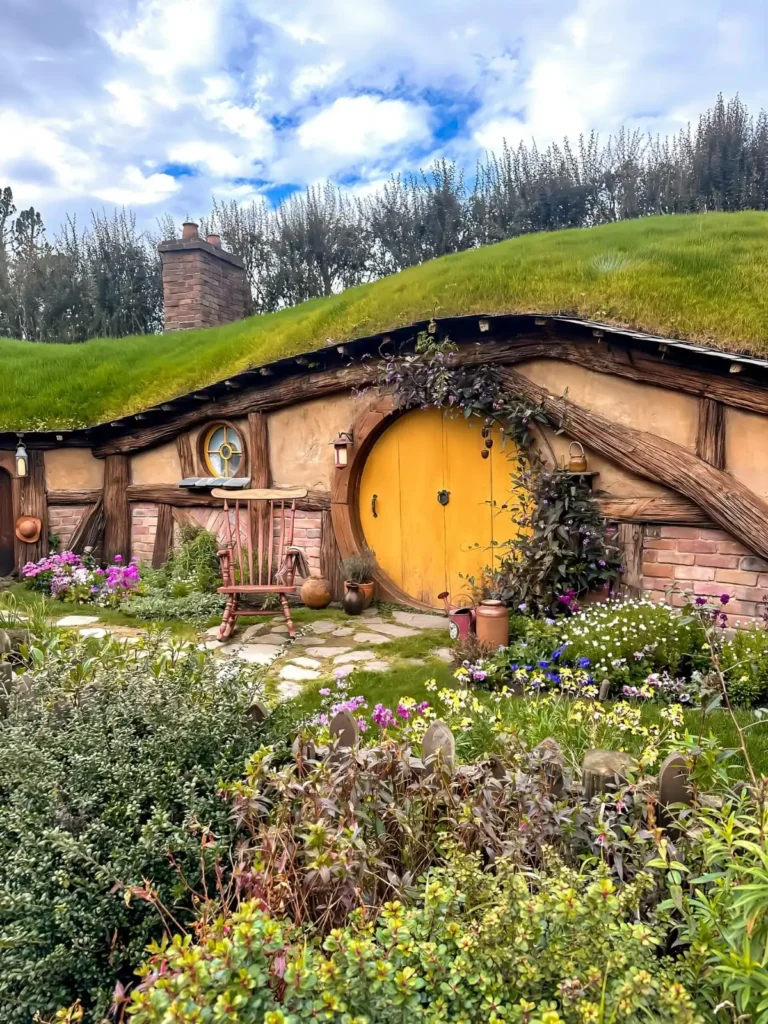
The Shire is one of the most loved fictional places in fantasy literature. Created by J.R.R. Tolkien in The Lord of the Rings, it is home to the peaceful hobbits of Middle earth. The green hills, cozy homes, farms, and calm lifestyle make it feel like a real countryside village. Many readers admire the simplicity and comfort of life in the Shire.
People connect with the Shire because it represents peace, friendship, and a slower way of living. The setting was inspired by rural England, which makes it feel natural and believable. Even today, fans visit New Zealand filming locations that recreated the beauty of the Shire.
Why You Should Visit
- Peaceful countryside atmosphere
- Beautiful natural surroundings
- Strong sense of community and friendship
- One of the most iconic fantasy settings ever created
2. Hogwarts and Hogsmeade
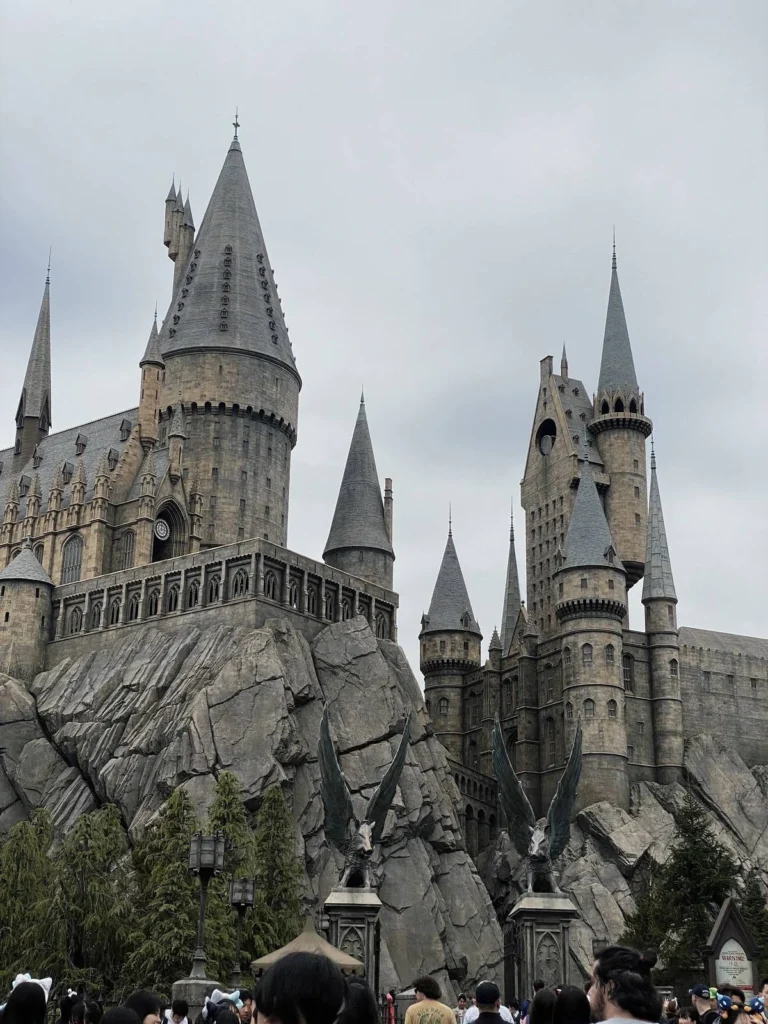
Hogwarts School of Witchcraft and Wizardry, along with the nearby village of Hogsmeade, became globally famous through the Harry Potter series. Hogwarts feels real because of its detailed classes, moving staircases, magical traditions, and student life. Hogsmeade adds warmth with its small magical shops and snowy streets.
The world feels believable because it mixes ordinary school experiences with magical adventures. Readers and viewers can easily imagine themselves studying at Hogwarts or walking through Hogsmeade with friends. The emotional connection fans have with these places continues even years after the series ended.
Why You Should Visit
- Magical castles and hidden secrets
- Famous shops and wizard culture
- Strong feeling of nostalgia and adventure
- Rich storytelling and memorable characters
3. Wonderland
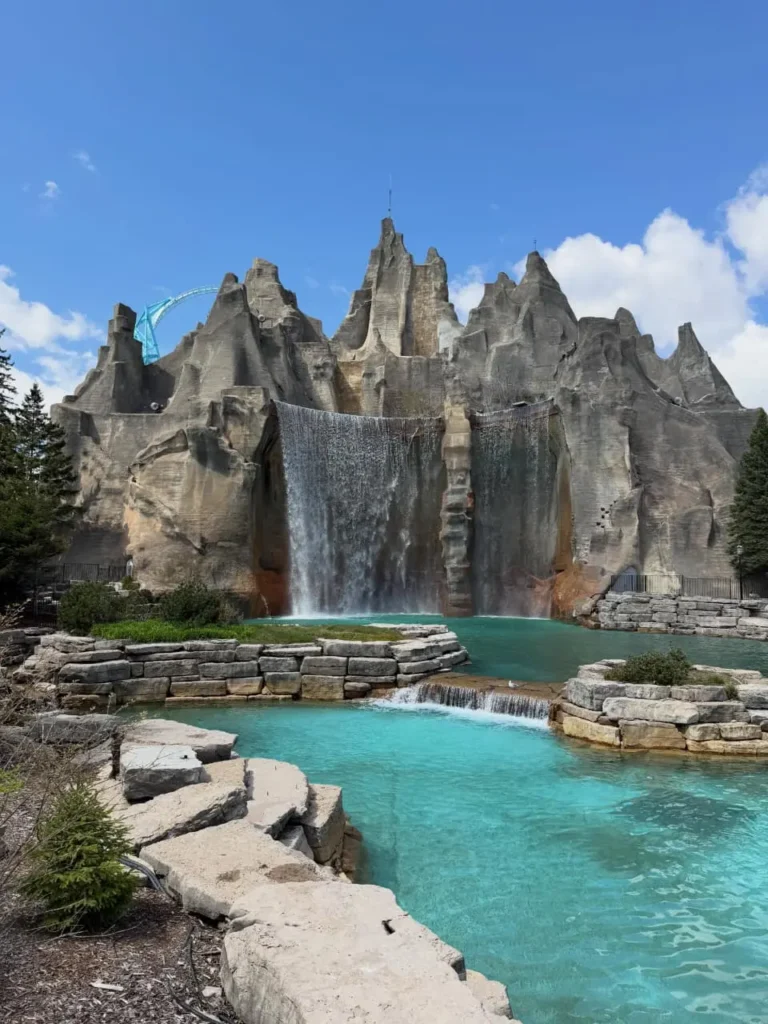
Wonderland from Alice in Wonderland is one of the most creative fictional worlds ever written. Created by Lewis Carroll, this dreamlike place is filled with strange creatures, talking animals, and unusual logic. Despite its chaos, Wonderland feels vivid because every location has its own personality.
The setting reflects curiosity, imagination, and childhood wonder. The unusual conversations and unpredictable events make the world feel alive in its own unique way. Wonderland continues to influence books, films, games, and art around the world.
Why You Should Visit
- Creative and unpredictable atmosphere
- Memorable characters like the Mad Hatter
- A world filled with imagination
- Unique storytelling unlike any other setting
4. Narnia
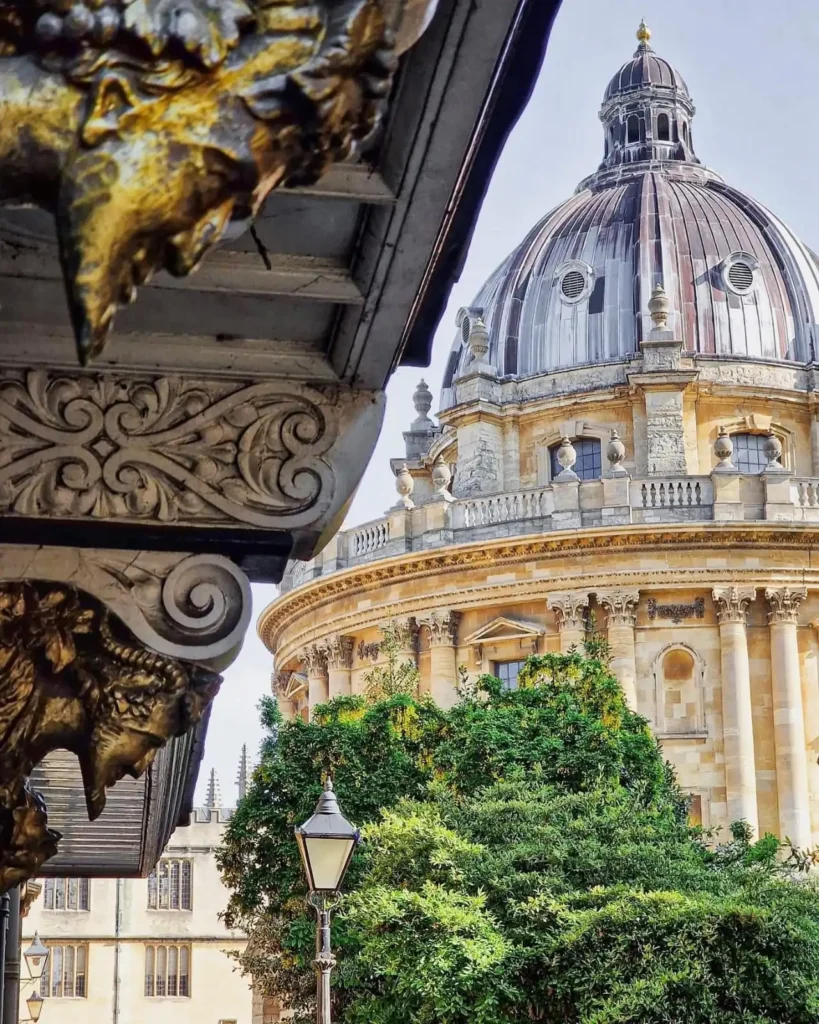
Narnia is a magical fantasy world created by C.S. Lewis. It is filled with talking animals, mythical creatures, ancient castles, and deep forests. The land is ruled and protected by the wise lion Aslan, who became one of the most respected fictional characters in literature.
Narnia feels real because of its emotional storytelling and detailed mythology. The world changes over time through wars, seasons, and different rulers, making it feel like a living civilization. Readers often admire the balance between beauty, danger, and hope in Narnia.
Why You Should Visit
- Magical forests and legendary creatures
- Rich history and mythology
- Strong emotional storytelling
- A perfect blend of fantasy and adventure
5. Neverland
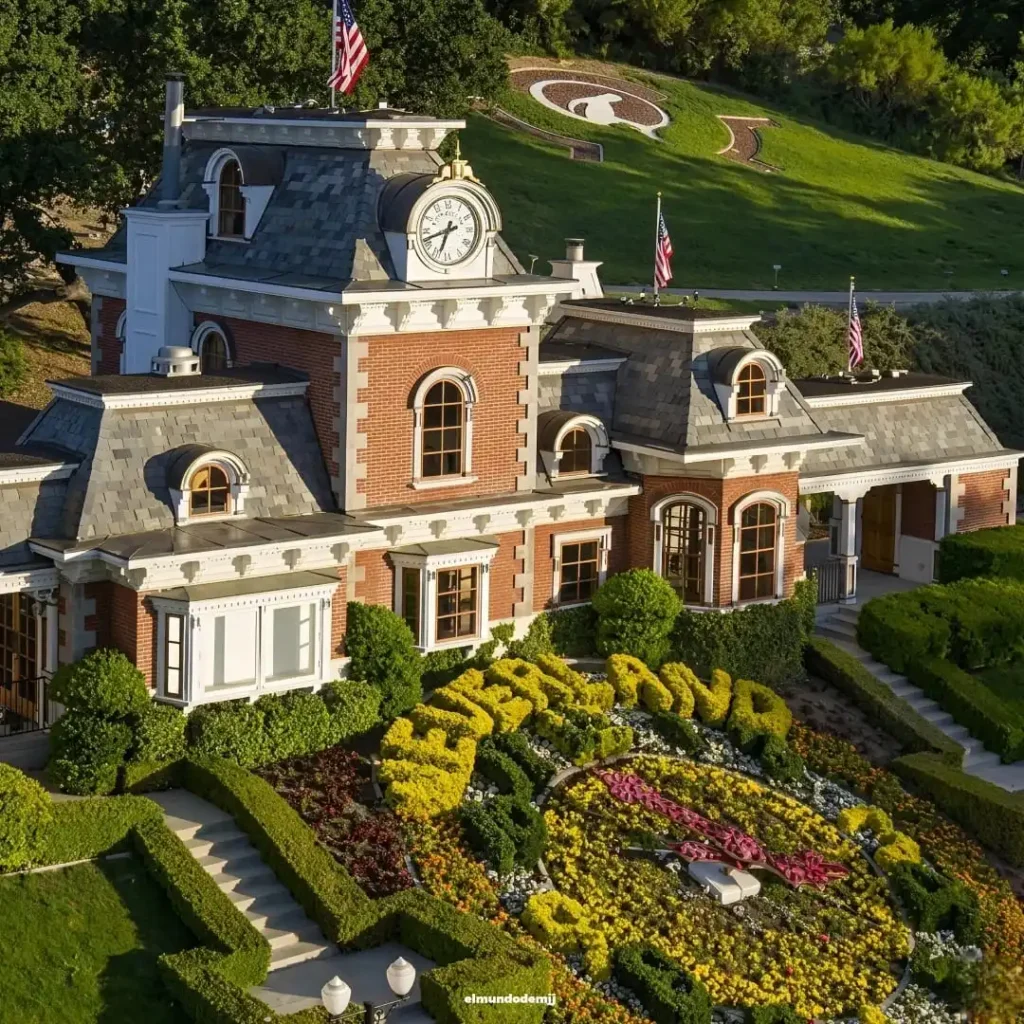
Neverland from Peter Pan is a magical island where children never grow old. Created by J.M. Barrie, it includes pirates, mermaids, fairies, and hidden adventures. The island represents freedom, imagination, and childhood dreams.
The emotional idea behind Neverland makes it feel meaningful and real to many people. It reflects the desire to escape responsibilities and remain young forever. The setting continues to inspire movies, books, and stage productions across generations.
Why You Should Visit
- Endless adventure and imagination
- Pirates, fairies, and magical creatures
- Symbol of childhood freedom
- One of the most timeless fantasy worlds
6. Gotham City
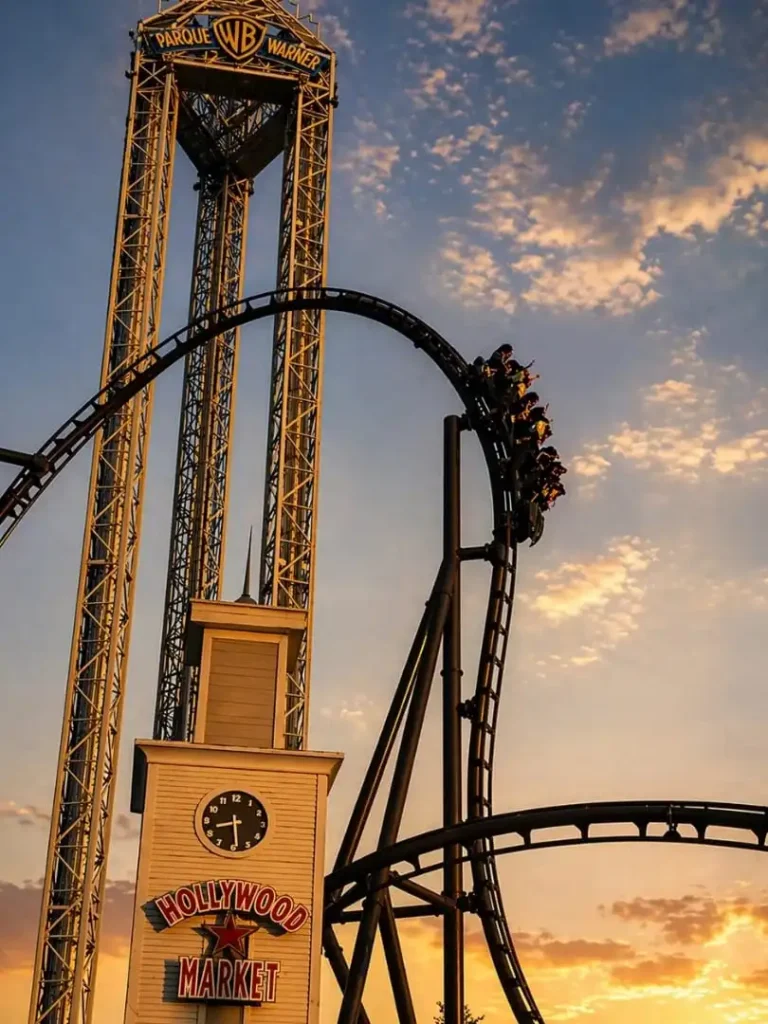
Gotham City is the dark and dangerous home of Batman in DC Comics. The city feels realistic because it reflects real urban problems such as crime, corruption, fear, and social inequality. Its architecture and atmosphere are inspired by major cities like New York and Chicago.
Unlike many fantasy settings, Gotham feels believable because of its human struggles. The city itself almost becomes a character in Batman stories. Its dark streets, towering buildings, and mysterious energy make it unforgettable.
Why You Should Visit
- Iconic setting from Batman stories
- Dark urban atmosphere
- Deep connection to superhero culture
- Realistic social themes and storytelling
7. Metropolis
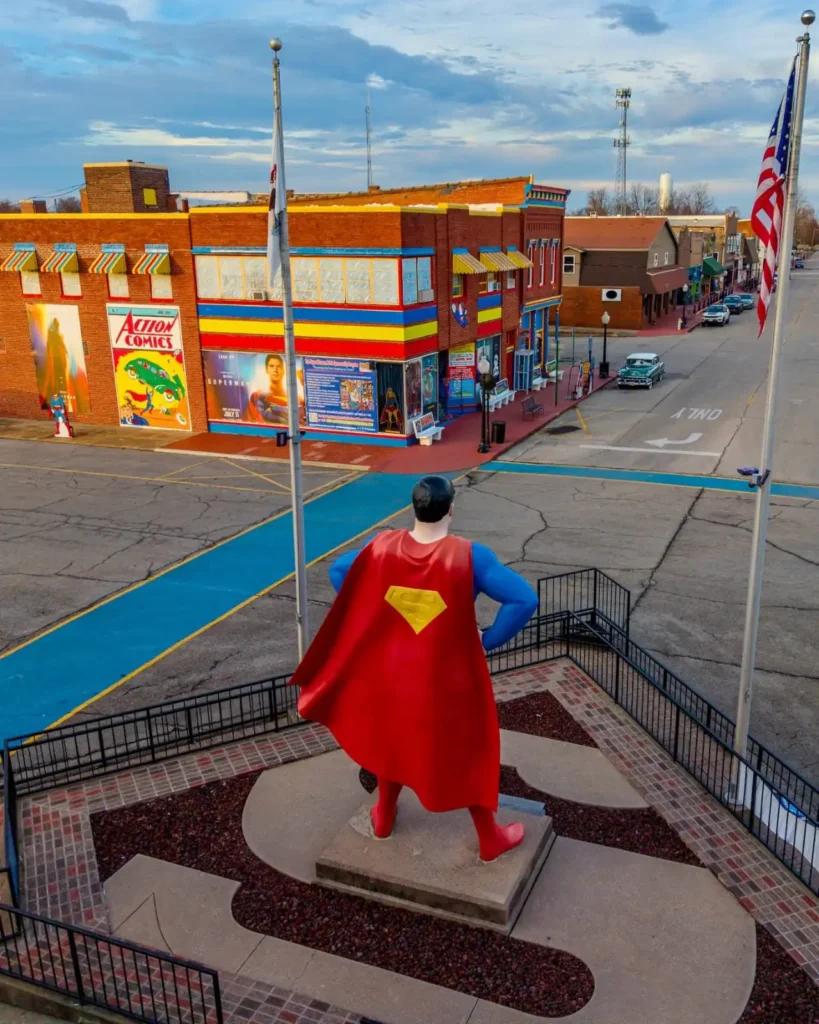
Metropolis is known as the home city of Superman. Unlike Gotham, Metropolis represents hope, progress, and futuristic living. The clean skyline, advanced technology, and modern design make it feel like an ideal version of a real city.
The city feels believable because it reflects optimism and human ambition. It represents the idea of a better future where science and justice work together. Metropolis became one of the most important fictional cities in comic book history.
Why You Should Visit
- Bright futuristic city design
- Symbol of hope and progress
- Strong superhero legacy
- Inspiring vision of modern society
8. Asgard
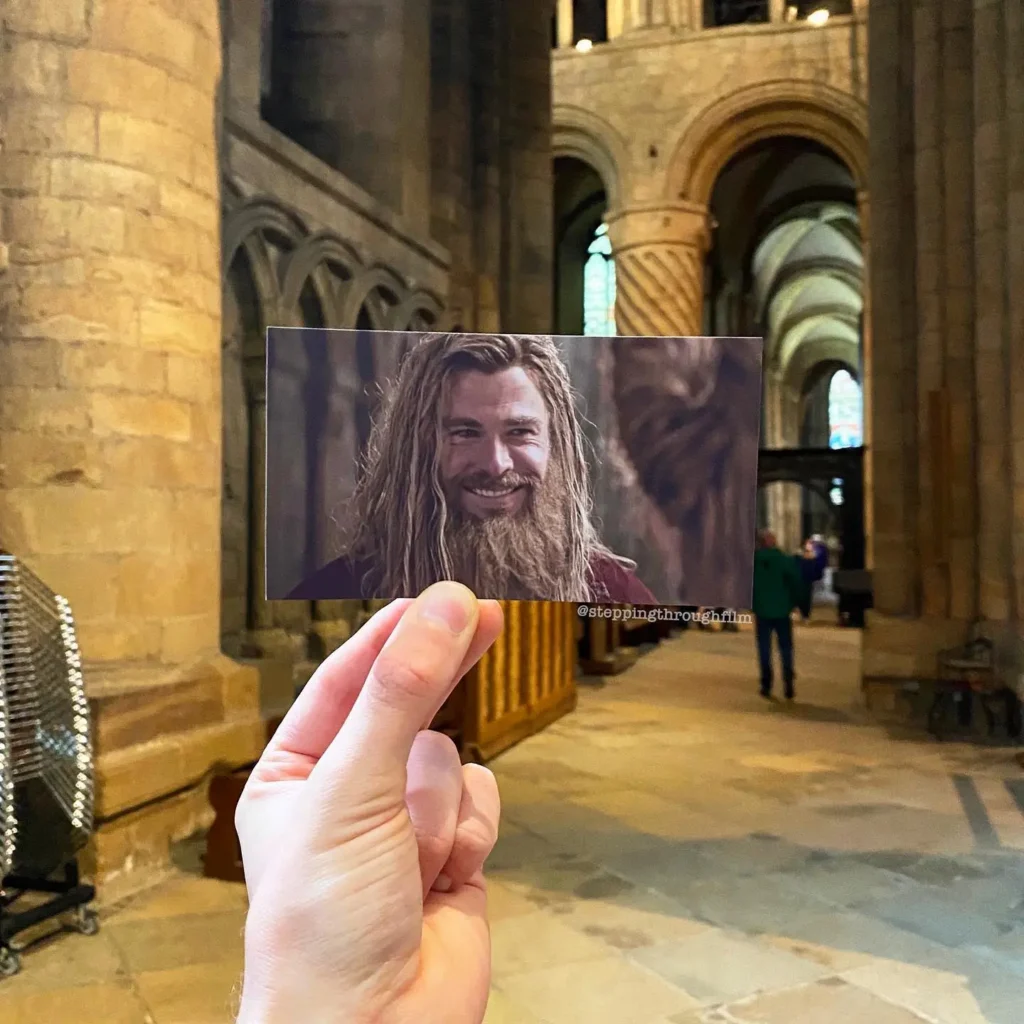
Asgard is the shining realm of gods in Marvel’s Thor universe. Inspired by Norse mythology, it combines ancient traditions with advanced cosmic technology. The golden palaces, massive bridges, and royal halls make it visually unforgettable.
Asgard feels real because Marvel created a detailed culture, history, and political system for the realm. The relationships between its people and rulers add emotional depth to the world. Fans admire the mixture of mythology and science fiction.
Why You Should Visit
- Stunning royal architecture
- Mythological gods and warriors
- Epic battles and cosmic adventures
- Blend of fantasy and futuristic themes
9. Malgudi
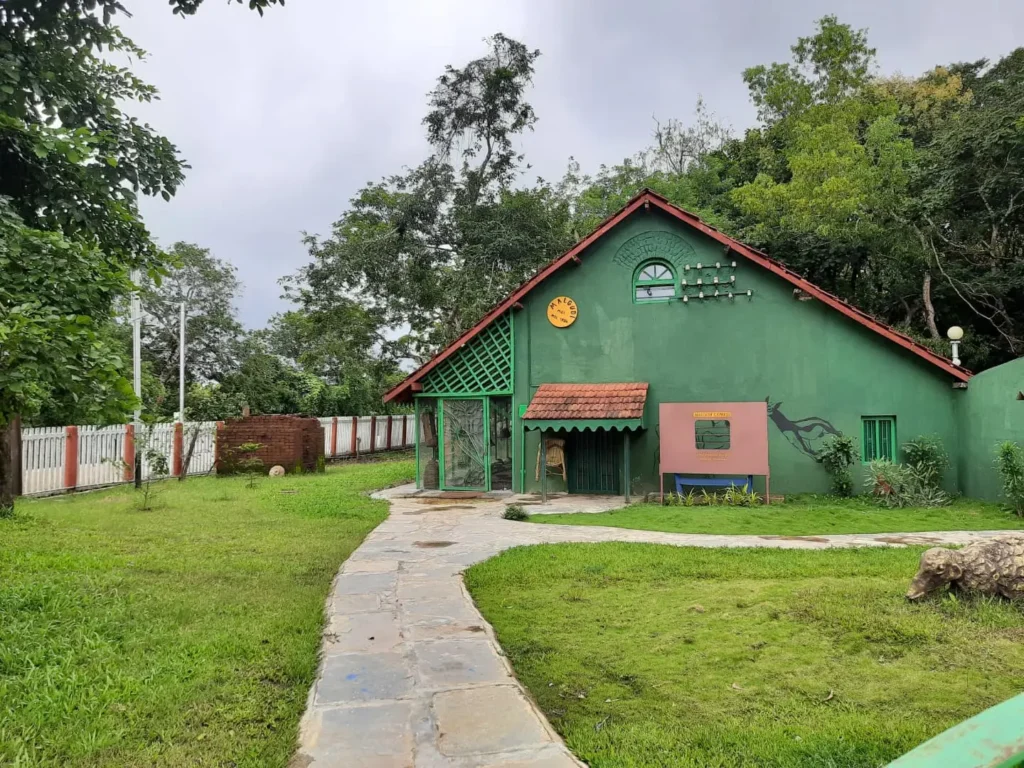
Malgudi is a fictional South Indian town created by Indian author R.K. Narayan. Unlike magical fantasy worlds, Malgudi feels real because it reflects ordinary daily life, childhood memories, and human emotions. The town became famous through books like Swami and Friends.
Readers admire Malgudi because it captures the simplicity of Indian society during an earlier time. The markets, schools, streets, and local people feel familiar and authentic. Many people believe Malgudi represents the emotional memory of small town India.
Why You Should Visit
- Warm and nostalgic atmosphere
- Realistic Indian cultural setting
- Memorable everyday characters
- Emotional and relatable storytelling
10. Listenbourg
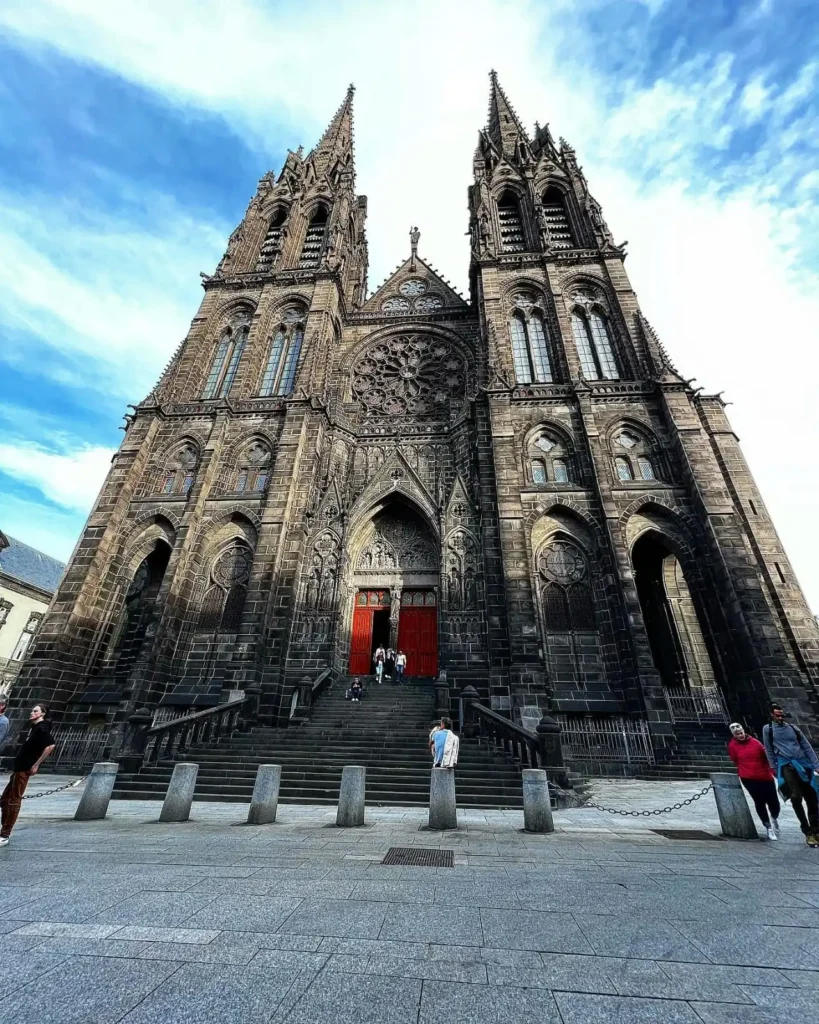
Listenbourg is one of the newest fictional places to become popular online. It started as a viral internet meme about a fictional European country located near the Iberian Peninsula. Soon, people on the internet began creating maps, history, flags, politics, and culture for the country.
What makes Listenbourg interesting is how thousands of people participated in building the world together. Even though it began as a joke, the creativity behind it made the country feel surprisingly believable. It shows how internet culture can create modern fictional worlds.
Why You Should Visit
- Creative internet world building
- Funny and unique fictional history
- Community driven storytelling
- Modern example of digital imagination
Why Fictional Places Feel Real
Fictional places often feel real because creators add history, culture, emotions, geography, and social systems to their worlds. Audiences connect emotionally when these places reflect real human experiences such as friendship, fear, hope, adventure, or nostalgia.
Movies, books, television series, and games also help bring these worlds to life visually. Detailed maps, languages, traditions, and architecture make audiences believe these places could actually exist somewhere beyond reality.
Impact of Fictional Places on Popular Culture
Fictional places influence tourism, fashion, entertainment, and even internet trends. Many fans visit filming locations connected to famous fictional worlds. Some places inspire theme parks, fan communities, and online discussions that continue for decades.
These settings also help people escape daily stress and experience new ideas through imagination. Their influence on global storytelling remains stronger than ever.
Most Popular Fictional Worlds in Pop Culture
Fictional worlds have become a major part of global pop culture through books, movies, television shows, comics, and video games. Places like Hogwarts, Gotham City, and Narnia are recognized by millions of people around the world. These fictional settings often become more memorable than real locations because audiences emotionally connect with them. Their popularity continues through fan communities, merchandise, theme parks, and online discussions. Many fictional worlds have influenced entertainment trends for generations.
Popular Examples:
- Hogwarts
- The Shire
- Gotham City
- Narnia
- Asgard
How Fictional Places Inspire Real Travel Destinations
Many fictional places inspire people to visit real filming locations connected to famous movies and television series. Fans often travel to New Zealand for The Lord of the Rings locations or visit castles connected to the Harry Potter films. These destinations become popular tourist attractions because people want to experience the atmosphere of their favorite fictional worlds. Tourism industries also benefit greatly from the popularity of fantasy and science fiction franchises. Fictional storytelling has successfully turned many real locations into global travel attractions.
Famous Travel Inspired Locations:
- New Zealand for The Shire
- Scotland for Hogwarts inspiration
- London Harry Potter studios
- Iceland inspired fantasy landscapes
Why People Love Fictional Places
People love fictional places because they offer adventure, imagination, comfort, and emotional escape from daily life. These worlds allow audiences to experience magical kingdoms, futuristic cities, and exciting adventures that are impossible in reality. Fictional places also create strong emotional memories through characters and storytelling. Some settings feel peaceful and nostalgic, while others feel mysterious and thrilling. The emotional connection with these worlds often stays with fans for many years.
Main Reasons People Connect With Fictional Worlds:
- Emotional storytelling
- Creative imagination
- Sense of adventure
- Nostalgia and comfort
- Unique fantasy experiences
Fictional Places Inspired by Real Locations
Many fictional worlds are inspired by real countries, cities, villages, and historical cultures. Writers and filmmakers often use real architecture, landscapes, traditions, and history while creating imaginary settings. The Shire was inspired by rural England, while Gotham City reflects the atmosphere of major modern cities. These real world inspirations make fictional places feel more believable and relatable. Audiences connect more deeply with imaginary worlds when they recognize familiar cultural elements.
Real Life Inspirations:
- The Shire inspired by rural England
- Gotham inspired by New York and Chicago
- Asgard inspired by Norse mythology
- Malgudi inspired by South Indian towns
Fantasy Worlds vs Futuristic Cities
Fantasy worlds and futuristic cities are two of the most popular types of fictional settings. Fantasy worlds like Narnia and Neverland focus on magic, mythical creatures, and ancient adventures. Futuristic cities like Metropolis focus on advanced technology, innovation, and modern lifestyles. Both styles attract audiences in different ways because they represent different human dreams and imaginations. These fictional environments continue to shape books, movies, and gaming culture worldwide.
Fantasy Worlds:
- Narnia
- Neverland
- Wonderland
Futuristic Cities:
- Gotham City
- Metropolis
- Asgard
Influence of Fictional Worlds on Movies and Gaming
Fictional places have greatly influenced the movie, gaming, and entertainment industries. Many successful games and films are remembered because of their detailed fictional settings rather than only their characters. Fantasy and science fiction worlds allow creators to build unique experiences that attract global audiences. Video games especially depend on immersive fictional worlds to keep players engaged for long periods. These settings continue to inspire new stories, technologies, and creative industries.
Industries Influenced by Fictional Worlds:
- Movies
- Television series
- Video games
- Comics
- Theme parks
Famous Fictional Places From Books and Movies
Books and movies have introduced some of the most unforgettable fictional places in entertainment history. Literary worlds like Narnia and Wonderland became globally popular through film adaptations. Superhero cities like Gotham and Metropolis became iconic through comics and movies. These fictional locations often become symbols of imagination, adventure, and storytelling excellence. Their popularity continues across different generations and cultures.
Famous Fictional Places:
- Hogwarts
- The Shire
- Gotham City
- Wonderland
- Narnia
Conclusion
Fictional places continue to shape the way people experience stories. Whether it is the peaceful beauty of the Shire, the magical halls of Hogwarts, the dark streets of Gotham City, or the nostalgic charm of Malgudi, these worlds remain unforgettable because they feel emotionally real.
The popularity of these imaginary settings proves that storytelling is not only about characters and plots. The worlds themselves become part of the experience, allowing readers and viewers to feel connected to places that exist only in imagination.
Frequently Asked Questions
Hogwarts from the Harry Potter series is considered one of the most famous fictional places in the world. Its magical atmosphere, detailed world building, and emotional connection with fans made it globally popular across books, movies, and theme parks.
Fictional places feel real because creators add detailed history, culture, maps, traditions, and emotional storytelling to their worlds. Strong characters and realistic relationships also help audiences connect deeply with imaginary settings.
Yes, many fictional places are inspired by real cities, villages, landscapes, and cultures. For example, The Shire was inspired by rural England, while Gotham City reflects the atmosphere of major modern cities like New York and Chicago.
Several fictional worlds inspired real tourist attractions, including The Shire movie set in New Zealand and Harry Potter filming locations in the United Kingdom. Fans often visit these places to experience the atmosphere of their favorite stories.
A successful fictional world usually has strong storytelling, memorable characters, detailed history, realistic emotions, and unique visual design. The more immersive and believable the setting feels, the more audiences connect with it.
People are also reading
- Haunted Temples & Forts
- Best Anime Shows
- Top Korean Shows
- Top Wrist Tattoo
- Top Hindi Novels
- Top Youngest IAS Officer