
Choosing the right air conditioner brand involves more than cooling performance. Energy efficiency, reliability, noise, smart features, price, product range, and after-sales support can all affect the long-term value of an AC.
With global brands offering everything from affordable inverter ACs to premium split systems and large commercial HVAC solutions, the best choice depends on your needs and location. In our comparison, Daikin ranks as the best overall AC brand for 2026, while Gree, Midea, Mitsubishi Electric, Carrier, LG, Samsung, Haier, Hitachi, and Panasonic each stand out in different areas.
How We Ranked These AC Brands
We compared the brands based on factors such as product range, cooling technology, energy efficiency, reliability, smart features, commercial HVAC capabilities, value, and global availability. Because prices, models, installation standards, and after-sales service vary by country, this ranking is a general comparison rather than a universal buying order.
The “Best For” category reflects the area where each brand stands out most in our comparison. Individual AC models can still differ significantly in performance, features, efficiency, and price.
Top Air Conditioner Brands Compared
| Rank | Brand | Best For |
| 1 | Daikin | Best Overall |
| 2 | Gree | Strong Value |
| 3 | Midea | Value & Features |
| 4 | Mitsubishi Electric | Premium Cooling |
| 5 | Carrier | Commercial HVAC |
| 6 | LG Electronics | Smart ACs |
| 7 | Samsung | Smart Homes |
| 8 | Haier | Budget Cooling |
| 9 | Hitachi | Durability |
| 10 | Panasonic | Air-Quality Features |
Top 10 AC Brands In The World
Now that you have a clear picture of the boxes to check for your investment decision, check out the brands that meet the same standards. A quick history and a sneak peek into their catalog will help you make a well-informed decision.
1. Daikin
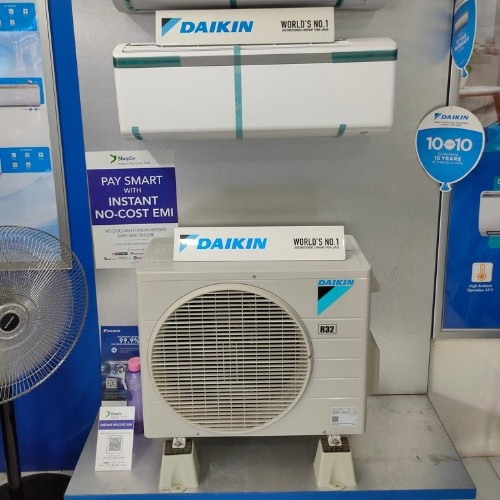
Best For: Overall Performance
Price: Mid to Premium
Daikin is a Japanese air conditioning giant and widely regarded as the global leader in HVAC technology. It is known for its highly efficient cooling systems, strong engineering reliability, and wide product range that spans residential units to large commercial and district cooling systems. The brand is especially respected for its long-term durability and energy-efficient innovations.
Key Products: Split ACs, multi-split systems, VRV systems, ducted ACs, chillers
Pros
- Excellent cooling and efficiency
- Wide product range
- Strong HVAC expertise
- Good options for different climates
Cons
- Premium models can be expensive
- Installation quality is important
2. Gree
Best For: Strong Value
Price: Value to Mid
Gree is a major global air-conditioning manufacturer with residential and commercial products. Its combination of competitive pricing, cooling performance, and modern features makes it a strong option for buyers focused on value.
Key Products: Split ACs, inverter ACs, multi-split systems, commercial HVAC
Pros
- Competitive pricing
- Strong cooling performance
- Broad product range
- Good value
Cons
- Service varies by market
- Model availability differs by country
3. Midea
Best For: Value and Innovation
Price: Value to Mid
Midea combines competitive pricing with inverter, smart-home, and energy-efficiency technologies. Its broad HVAC portfolio makes it a strong option for buyers looking for a balance of features and price.
Key Products: Inverter ACs, smart ACs, multi-split systems, commercial HVAC
Pros
- Strong price-to-feature ratio
- Wide product range
- Smart features
- Focus on energy efficiency
Cons
- Features vary by market
- Local service quality can differ
4. Mitsubishi Electric
Best For: Premium Cooling
Price: Premium
Mitsubishi Electric is known for premium air-conditioning systems that emphasize efficiency, quiet operation, and engineering quality. It is particularly strong in split, multi-split, and commercial systems.
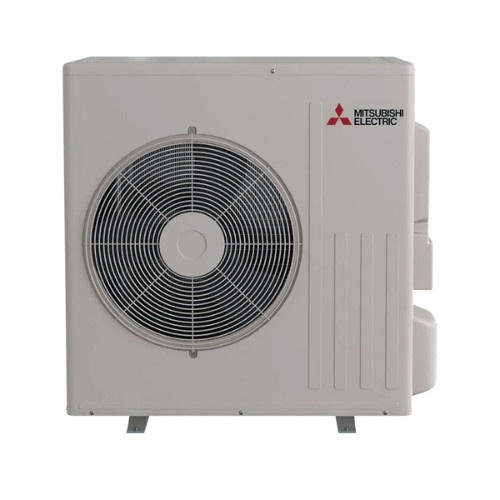
Key Products: Split ACs, multi-split systems, cassette ACs, commercial HVAC
Pros
- Excellent efficiency
- Quiet operation
- Strong reliability
- Strong engineering and build quality
Cons
- Higher upfront cost
- Installation can be more complex
5. Carrier
Best For: Commercial HVAC
Price: Mid to Premium
Carrier is particularly strong in commercial and large-scale HVAC applications. Its portfolio covers residential air conditioners as well as systems designed for offices, buildings, and larger facilities.
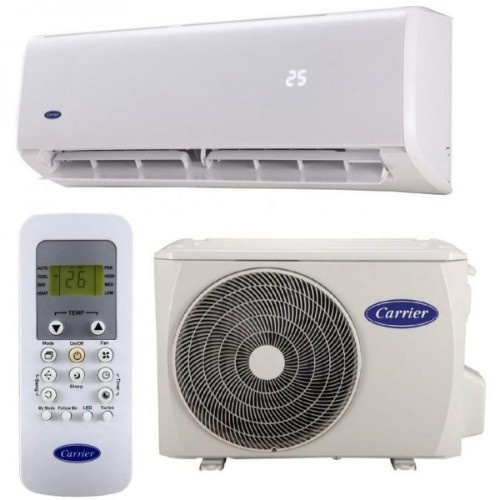
Key Products: Residential ACs, chillers, rooftop systems, commercial HVAC
Pros
- Strong commercial expertise
- Broad HVAC portfolio
- Suitable for large installations
Cons
- Commercial systems can be expensive
- Residential availability varies by market
6. LG Electronics
Best For: Smart ACs
Price: Mid to Premium
LG combines residential cooling with smart-home connectivity, making it a strong option for users who want convenient app controls and connected AC features.
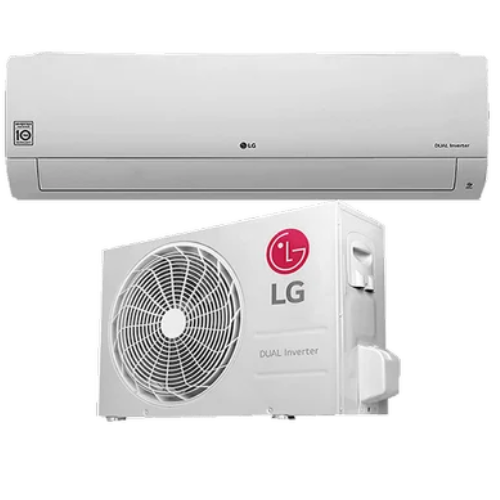
Key Products: Split inverter ACs, dual inverter ACs, smart ACs, window ACs
Pros
- Strong smart features
- Wide residential range
- Good availability
- Modern designs
Cons
- Premium models cost more
- Features vary by model
7. Samsung
Best For: Smart Homes
Price: Mid to Premium
Samsung places a strong emphasis on connected-home technology across its smart AC range. Its AC range includes smart and AI-enabled models designed to provide greater control over cooling and energy use.
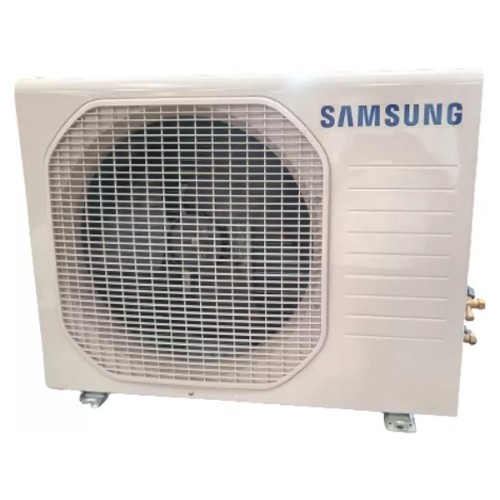
Key Products: WindFree ACs, inverter ACs, smart ACs, cassette systems
Pros
- Excellent smart-home integration
- Modern features
- Innovative airflow technology
- Attractive designs
Cons
- Advanced models can be expensive
- Features differ between models
8. Haier
Best For: Budget Cooling
Price: Value to Mid
Haier offers a wide selection of affordable and mid-range ACs, including inverter and smart models. It is a practical option for buyers who want useful features without a premium price.
Key Products: Split ACs, inverter ACs, smart ACs, convertible ACs
Pros
- Competitive prices
- Good feature selection
- Multiple capacity options
- Strong value
Cons
- Service availability varies by location
- Features differ between models
9. Hitachi
Best For: Durability
Price: Mid to Premium
Hitachi -branded air conditioners have an established presence in several Asian markets, with products focused on cooling performance, efficiency, and long-term use.
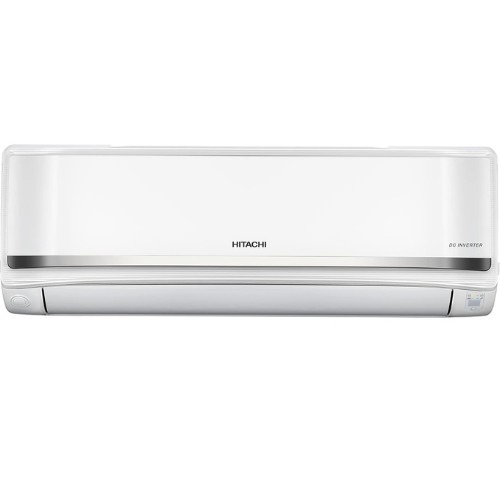
Key Products: Split ACs, inverter ACs, commercial HVAC systems
Pros
- Strong cooling
- Good durability
- Established HVAC expertise
- Models for different climate conditions
Cons
- Premium models can be expensive
- Service depends on location
10. Panasonic
Best For: Air-Quality Features
Price: Mid to Premium
Panasonic combines air conditioning with indoor-comfort features and air-quality technologies across selected models. Its range includes residential and commercial cooling systems across different markets.
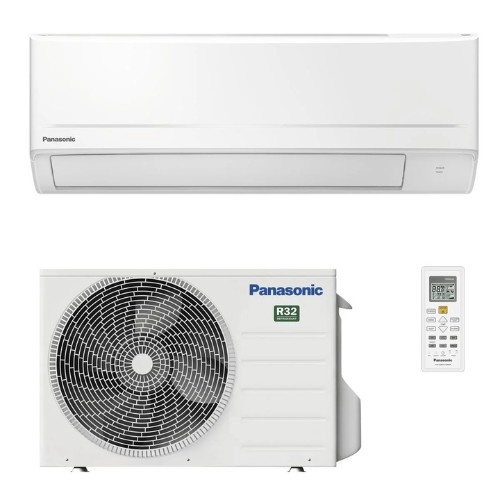
Key Products: Split ACs, inverter ACs, smart ACs, commercial systems
Pros
- Air-quality features
- Good efficiency options
- Strong indoor-comfort focus
- Established brand
Cons
- Advanced models can be costly
- Features vary by market
Types of Air Conditioners You Should Know
Different AC types are designed for different spaces, budgets, and cooling requirements. Understanding the main options can help you choose the right system for your home or business.
Split AC: Best for Homes
Split ACs have separate indoor and outdoor units and are widely used in homes and small offices. They generally offer quiet operation, efficient cooling, and a clean installation.
Window AC: Budget-Friendly Option
Window ACs combine the indoor and outdoor components in a single unit. They are usually more affordable and suitable for small rooms, although they can be noisier than split ACs.
Inverter AC: Efficient and Consistent Cooling
Inverter ACs vary compressor speed according to cooling demand, which can provide more consistent cooling and improve efficiency compared with fixed-speed systems under suitable operating conditions.
Central AC: Best for Large Spaces
Central AC systems are designed to cool larger buildings such as offices, hotels, malls, and other commercial spaces. They use ductwork to distribute conditioned air throughout multiple areas.
Features to Look For
When comparing air conditioners, consider features that improve efficiency, comfort, and convenience:
- Inverter Technology: Adjusts compressor speed based on cooling demand.
- Smart Wi-Fi Control: Lets you monitor and control the AC through a smartphone app.
- Auto-Clean Function: Helps reduce moisture and maintain cleanliness inside the indoor unit, depending on the system.
- Dehumidification Mode: Removes excess moisture from indoor air.
- Sleep Mode: Adjusts cooling and operation for more comfortable nighttime use.
- Air Filtration: Helps capture dust and other airborne particles, depending on the filter system.
AC Buying Guide
Choosing the right AC depends on more than the brand. Room size, climate, usage, energy efficiency, installation, noise level, and local service availability can all affect your experience.
Choose the Right AC Capacity
AC capacity should match the size and conditions of the room. As a general starting point:
- 1 Ton: Often suitable for small rooms up to around 120 sq. ft.
- 1.5 Ton: Often suitable for medium rooms around 120–180 sq. ft.
- 2 Ton: Often suitable for larger rooms around 180–250+ sq. ft.
These are only general guidelines. Ceiling height, insulation, sunlight, windows, occupancy, room orientation, and local climate can change the required capacity. For an accurate recommendation, follow the manufacturer’s sizing guidance or consult a qualified HVAC professional.
Check Energy Efficiency
A higher energy-efficiency rating can help reduce electricity consumption, especially when the AC is used frequently. Compare the official energy rating and annual energy consumption of individual models rather than judging efficiency by brand alone.
You can also read our guide to the 10 Best Inverter Brands for more information.
Consider Your Climate
If you live in a very hot or humid climate, look for an AC designed to maintain cooling performance under high ambient temperatures. Features such as dehumidification can also improve comfort in humid regions.
Check Noise Levels
For bedrooms, study rooms, and other quiet spaces, check the indoor unit’s specified noise level. A quieter AC can make a noticeable difference during sleep or work.
Compare Warranty and Service
Before buying, check the warranty terms, installation charges, maintenance requirements, and availability of authorized service centers in your area. Strong local support can be just as important as the brand itself.
Compare the Complete Cost
Don’t look only at the purchase price. Consider installation, electricity consumption, maintenance, warranty coverage, and expected usage when comparing AC models.
Final Verdict
Daikin takes our top spot for 2026 because of its broad product range, HVAC expertise, efficiency-focused technology, and global presence. Mitsubishi Electric is a strong choice for premium cooling, while Gree and Midea offer good value across different price segments. Carrier stands out for commercial HVAC, and LG and Samsung are strong options for connected-home features.
The right choice still depends on the specific model, room size, climate, usage, energy efficiency, installation, budget, and local service support. Compare individual models rather than choosing a brand based on its name alone.
Frequently Asked Questions
Daikin ranks as our best overall AC brand for 2026 based on its product range, HVAC expertise, efficiency-focused technology, and global presence. The best choice can still vary depending on your location and requirements.
Gree and Midea stand out as strong value-focused options, with a wide range of models and features across different price segments.
LG and Samsung are strong options for buyers who want connected controls, smartphone apps, automation, and other smart-home features.
Carrier, Daikin, and Mitsubishi Electric all offer extensive commercial HVAC solutions. The right choice depends on the building, cooling load, system type, and project requirements.
Not necessarily. A higher price may reflect additional features, efficiency, capacity, build quality, or premium positioning. Compare the specifications, energy consumption, warranty, and service support of individual models.
You should compare the specific model rather than choosing only by brand. Cooling capacity, energy efficiency, noise level, features, warranty, installation quality, and local service can vary significantly between models from the same brand.
People are also reading:
- 10 Top CCTV Camera Brands in India
- 10 Top Jeans Brands In India
- 10 Best Speaker Brands in India
- 10 Best Gas Stove Brands In India




One thought on “Top 10 AC Brands in the World for 2026”