
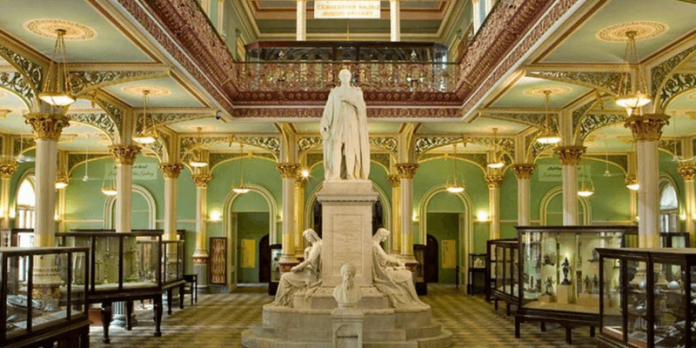
Mumbai is much more than Marine Drive, Gateway of India, and crowded local trains. The city has a fascinating collection of museums where you can learn about Indian art, Mumbai’s history, Gandhi’s life, modern art, money, transport, yoga, religion, and medicine.
Whether you have a few hours in South Mumbai or want to spend a quieter day away from the usual tourist spots, there is a museum to suit your interests. Here are 10 museums in Mumbai worth knowing about, along with their locations, highlights, and practical visiting information.
Quick Highlights
| Museum | Area | Established | Best For |
| Chhatrapati Shivaji Maharaj Vastu Sangrahalaya | Fort | 1922 | Art, archaeology and history |
| Dr. Bhau Daji Lad Mumbai City Museum | Byculla | 1857 | Mumbai’s history and culture |
| Mani Bhavan Gandhi Sangrahalaya | Gamdevi | 1955 | Gandhi and India’s freedom movement |
| National Gallery of Modern Art | Fort | 1996 | Modern Indian art |
| Nehru Centre | Worli | 1972 | Astronomy, science and culture |
| RBI Monetary Museum | Fort | 2004 | Coins and monetary history |
| BEST Museum | Sion | — | Mumbai’s transport history |
| Shri Yogendra Museum of Classical Yoga | Santacruz East | 1987 | Yoga and Indian heritage |
| Archdiocesan Heritage Museum | Goregaon | 2011 | Christian heritage |
| Acworth Leprosy Museum | Wadala | 2003 | Medical and social history |
Top Museums in Mumbai
1. Chhatrapati Shivaji Maharaj Vastu Sangrahalaya
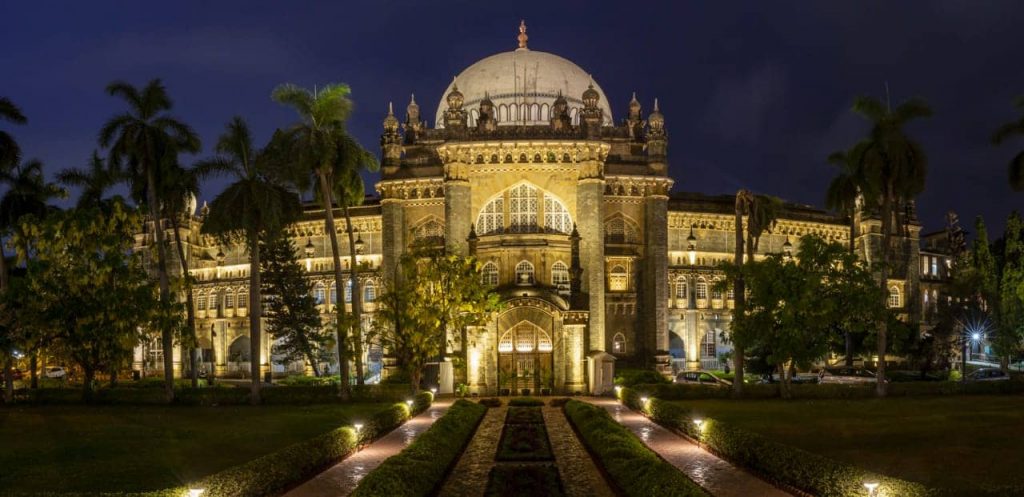
If you want to visit only one major museum in Mumbai, Chhatrapati Shivaji Maharaj Vastu Sangrahalaya, or CSMVS, is an obvious place to consider.
Located in the Kala Ghoda area of Fort, the museum brings together collections covering Indian art, archaeology, decorative arts, and natural history. Its collection includes sculptures, miniature paintings, decorative objects, and archaeological material from India and other parts of Asia.
The building itself is worth seeing. Its Indo-Saracenic architecture gives the museum a distinctive appearance and fits naturally into the historic character of South Mumbai.
The museum has also expanded its educational offering in recent years. Its Networks of the Past: A Study Gallery of India and the Ancient World, opened in December 2025, brings together more than 300 archaeological objects representing ancient cultures including India, Egypt, Mesopotamia, China, Persia, Greece, and Rome.
Highlights
- Location: 159–161, Mahatma Gandhi Road, Fort, Mumbai
- Timings: 10:15 AM to 6:00 PM, Monday to Sunday. The ticket counter closes at 5:45 PM. The museum lists certain national holidays among its closure dates.
- Entry fee: The current official rates list ₹200 for Indian adult visitors above 15 years, ₹100 for college students and Indian senior citizens with valid ID, and ₹40 for children aged 5–15. Foreign adult admission is ₹700.
- Best for: Art lovers, history enthusiasts, families, students, and first-time visitors
- How much time to allow: At least 2–3 hours if you want to see the major galleries without rushing.
2. Dr. Bhau Daji Lad Mumbai City Museum
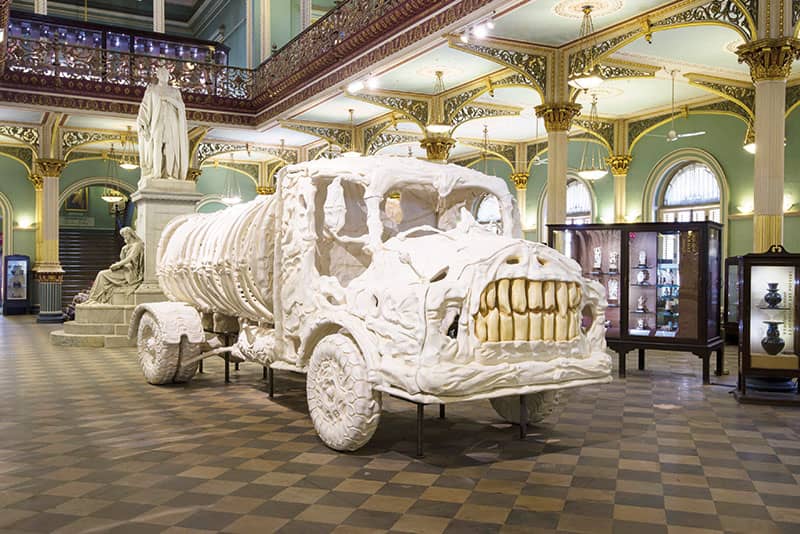
The Dr. Bhau Daji Lad Mumbai City Museum is one of the best places to understand how Mumbai developed from a group of islands into the city it is today.
Located in Byculla, it is Mumbai’s oldest museum and was originally known as the Victoria and Albert Museum. Its collection includes photographs, maps, models, decorative arts, books, and other objects that document the city’s social and cultural history.
The museum is particularly interesting if you want something different from a traditional collection of ancient artefacts. Many of its displays tell the story of Mumbai itself and the people who shaped it.
Highlights
- Location: Byculla East, Mumbai
- Timings: 10:00 AM to 5:30 PM. The museum’s current booking page states that it is closed on Wednesdays.
- Best for: Mumbai history, architecture, culture, photography, and local heritage
- How much time to allow: Around 1–2 hours
- Tip: Check the museum’s booking information before visiting, particularly if you are planning a school or group visit.
3. Mani Bhavan Gandhi Sangrahalaya
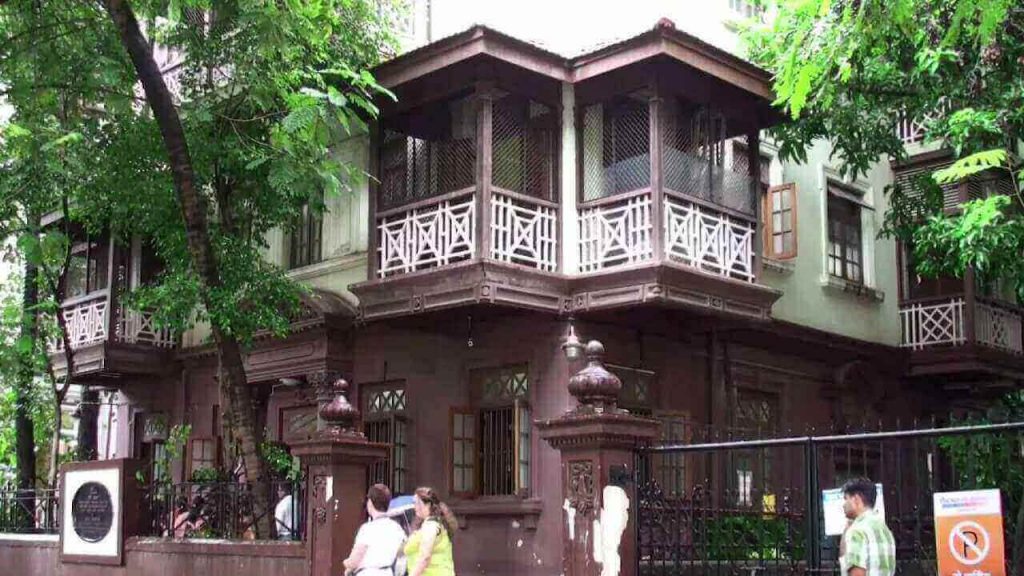
Mani Bhavan is a very different museum experience. Rather than walking through large galleries, visitors step into a building closely associated with Mahatma Gandhi’s years in Mumbai.
Located on Laburnum Road in Gamdevi, Mani Bhavan preserves photographs, books, documents, and displays connected with Gandhi and the Indian freedom movement.
The building gives the visit a more personal feel. You can see the spaces associated with Gandhi’s stay and learn about the political and social activities connected with his time in Mumbai.
For anyone interested in Gandhi or India’s independence movement, this is one of the most relevant museums in the city.
Highlights
- Location: 19, Laburnum Road, Gamdevi, Mumbai
- Best for: Gandhi’s life, Indian history, freedom movement, students, and history enthusiasts
- How much time to allow: Around 1–2 hours
- Tip: Check the museum’s current visitor information before setting out, as timings and arrangements can change.
4. National Gallery of Modern Art (NGMA)
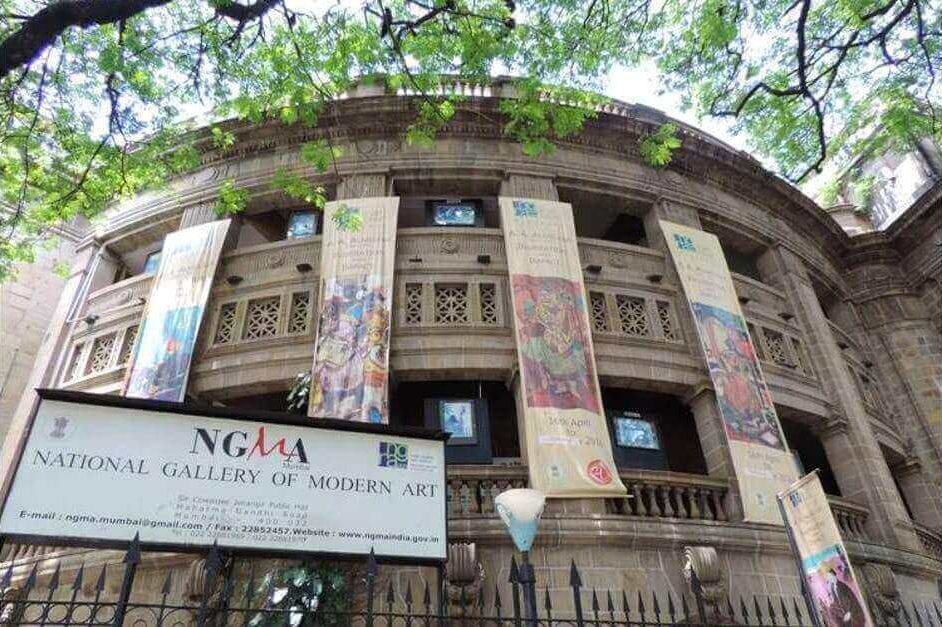
The National Gallery of Modern Art, Mumbai, commonly called NGMA Mumbai, is a good choice if your interest is more in paintings, sculpture, photography, and modern Indian art than ancient history.
The gallery hosts exhibitions featuring Indian artists and changing themes. Because exhibitions change, a visit can feel quite different depending on when you go.
Its location in Fort also makes it convenient to combine with other attractions in the Kala Ghoda and South Mumbai area.
Highlights
- Location: Sir C. J. P. Hall, M. G. Road, Fort, Mumbai
- Timings: NGMA’s exhibition listings generally show Tuesday to Friday from 10:00 AM to 6:00 PM and Saturday to Sunday from 11:00 AM to 8:00 PM for current exhibitions, with Mondays and national holidays closed. Because exhibition schedules can change, check the current listing before visiting.
- Best for: Modern art, photography, exhibitions, students, and art enthusiasts
- How much time to allow: Around 1–2 hours
- Tip: Check what’s currently on display before you go. Temporary exhibitions are an important part of the NGMA experience.
5. Nehru Centre
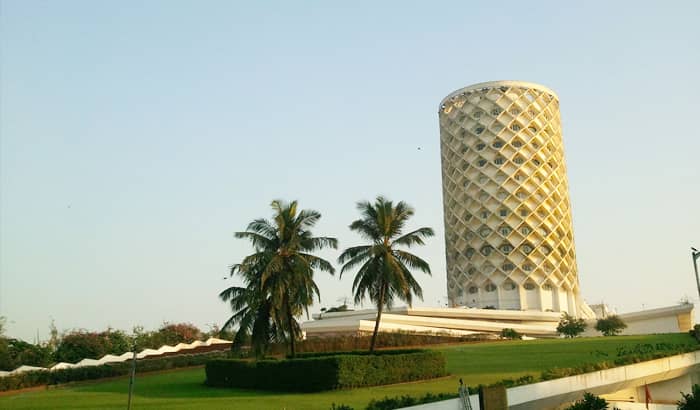
Located in Worli, the Nehru Centre is more than a conventional museum. The complex is known for its planetarium, cultural programmes, exhibitions, and educational activities.
The centre’s planetarium has traditionally been one of its main attractions, while the wider complex includes spaces connected with Indian culture and science. It is a practical choice for families and visitors who want to combine learning with an interactive experience.
Highlights
- Location: Dr. Annie Besant Road, Worli, Mumbai
- Timings: Vary according to planetarium shows, exhibitions, and programmes. Check the official schedule before visiting.
- Best for: Families, children, science enthusiasts, and visitors interested in astronomy
- Tip: Check the current show schedule and ticket availability before travelling to the centre.
6. RBI Monetary Museum
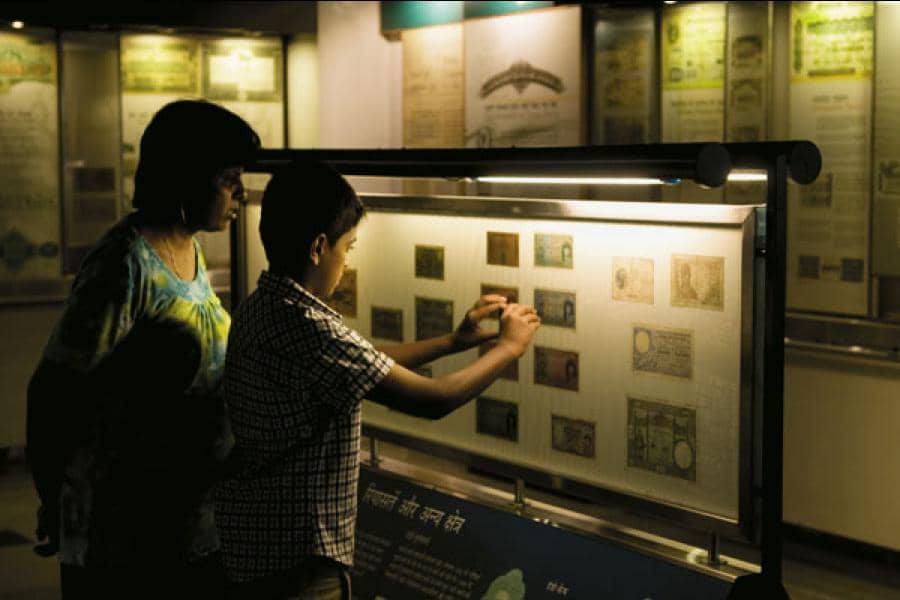
The RBI Monetary Museum offers a different kind of museum experience. Instead of paintings or sculptures, it traces the history of money and monetary systems in India.
Its collection covers coins, paper currency, and other monetary artefacts, with some coinage dating back to the 6th century BC. The museum also explains how money and financial systems developed over time.
Highlights
- Location: Amar Building, Sir Phirozshah Mehta Road, Fort, Mumbai
- Timings: Currently closed for renovation from July 22, 2026, until further notice.
- Important 2026 update: The RBI Monetary Museum has been temporarily closed for renovation. Check the RBI’s latest announcement before planning a visit.
- When open, it is particularly interesting for people who enjoy coins, currency, economics, and Indian history.
- Best for: Numismatists, history enthusiasts, students, and anyone interested in India’s monetary history
7. BEST Museum
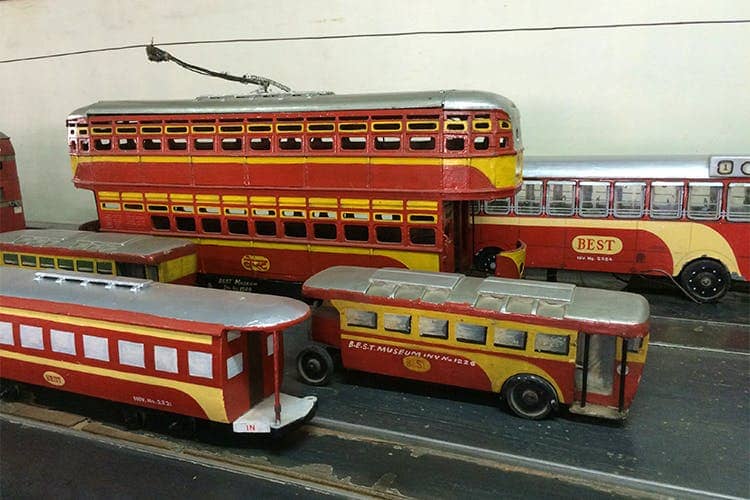
The bright red buses that ply Mumbai’s highways, serving any area of the city, are impossible to miss. Take a ride and get off at the Anik bus station, which is located off Wadala. You’ll hear what you need to know about public transportation and how it has changed over time. Old bus tickets, black-and-white photos of antique buses, road maps, replica buses, exhibits of bus conductor badges, and other memorabilia are on display.
8. Shri Yogendra Museum of Classical Yoga
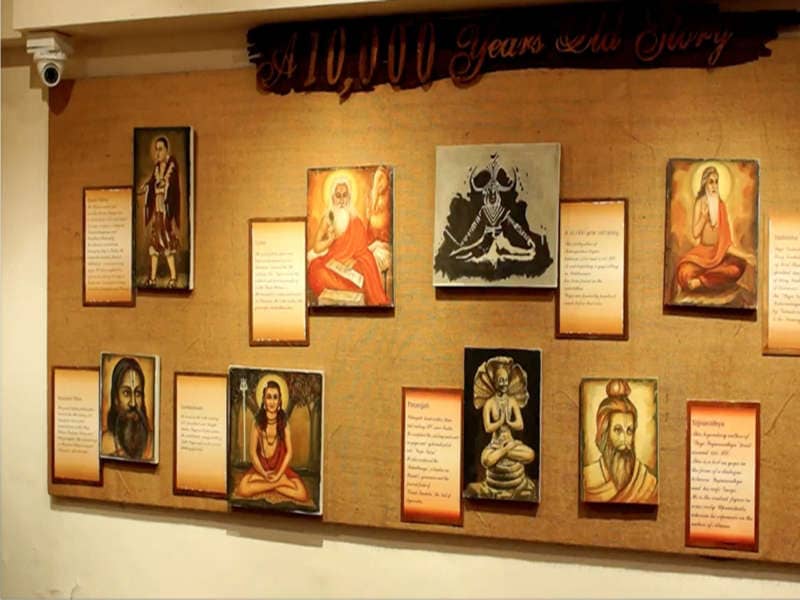
Located at The Yoga Institute in Santacruz East, the Shri Yogendra Museum of Classical Yoga focuses on the history and development of yoga.
The museum connects yoga with its traditional practices and presents historical material associated with the discipline. The Yoga Institute’s collections have also been featured through Google Arts & Culture, including exhibits related to Shri Yogendra and classical yoga.
This is a good option if you want to learn about yoga beyond modern fitness classes and social-media trends.
Highlights
- Location: The Yoga Institute, Shri Yogendra Marg, Prabhat Colony, Santacruz East, Mumbai
- Timings: Museum-specific visiting hours are not clearly published separately. Contact The Yoga Institute before visiting.
- Best for: Yoga practitioners, students, wellness travellers, and visitors interested in India’s traditional knowledge
- Tip: Check with The Yoga Institute in advance for current museum visiting arrangements.
9. Archdiocesan Heritage Museum
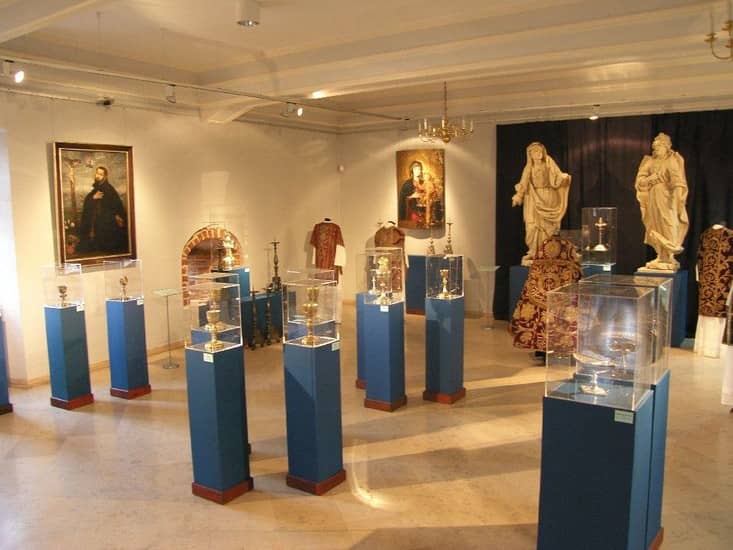
The Archdiocesan Heritage Museum in Goregaon preserves a collection connected with the Christian heritage of the Archdiocese of Bombay.
Its displays include manuscripts, paintings, sculptures, vestments, liturgical books, and other religious objects. A pictorial timeline also places the history of Christianity in the region alongside wider historical events. The museum was inaugurated in 2011 at St. Pius X College in Goregaon.
The museum is relatively specialised, so it may not be on every tourist’s itinerary. For visitors interested in religious art, church history, or Mumbai’s diverse cultural heritage, however, it offers a different perspective.
Highlights
- Location: St. Pius X College, Goregaon, Mumbai
- Nearest railway station: Goregaon East
- Timings: Museum-specific visiting hours are not clearly published. Confirm visiting arrangements with St. Pius X College or the Archdiocese before arriving.
- Best for: Religious art, Christian heritage, history, and architecture
- Tip: Confirm visiting arrangements before arriving, especially if you are travelling specifically to see the museum.
10. Acworth Leprosy Museum
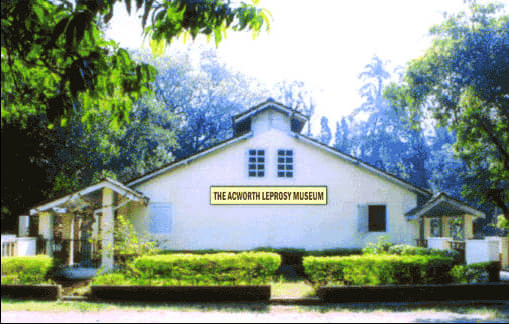
The Acworth Leprosy Museum in Wadala documents the history of leprosy, its treatment, and the institutions and people involved in caring for those affected by the disease.
The museum was created as a joint project involving Acworth Municipal Hospital for Leprosy and the Acworth Leprosy Hospital Research Society. Its displays cover the history of the hospital, medical developments, treatment, social responses to leprosy, archival records, and health education.
It is not a conventional sightseeing attraction, but it has an important educational purpose. The museum helps visitors understand how attitudes toward leprosy changed over time and how medical treatment developed.
Highlights
- Location: Acworth Municipal Hospital for Leprosy, Wadala, Mumbai
- Timings: Museum-specific visiting hours are not clearly published. The hospital’s listed hours are Monday to Friday, 8:30 AM to 3:30 PM, and Saturday, 8:30 AM to 12:30 PM. These should not be assumed to be the museum’s visiting hours.
- Best for: Medical history, social history, researchers, and visitors interested in lesser-known aspects of Mumbai’s past
- Tip: As the museum is connected with a hospital campus, contact the institution before planning a visit.
Which Museum in Mumbai Should You Visit?
There is no single museum that will suit every traveller. Your choice depends on what you want to see.
- For Indian art, archaeology, and history: CSMVS
- For Mumbai’s history and development: Dr. Bhau Daji Lad Museum
- For Gandhi and the freedom movement: Mani Bhavan
- For modern Indian art: NGMA Mumbai
- For astronomy and family activities: Nehru Centre
- For coins and monetary history: RBI Monetary Museum, once it reopens
- For Mumbai’s transport history: BEST Museum
- For traditional yoga: Shri Yogendra Museum of Classical Yoga
- For Christian heritage: Archdiocesan Heritage Museum
- For medical and social history: Acworth Leprosy Museum
Tips for Visiting Museums in Mumbai
Check the latest timings
Museum schedules are not always the same. Larger institutions usually publish their current hours online, while smaller museums may have more limited visiting arrangements.
Plan museums by location.
If you are already sightseeing in South Mumbai, CSMVS and NGMA can fit naturally into the same day. This saves travel time and lets you explore more of the Fort and Kala Ghoda area.
Check Temporary Exhibitions
Museums such as CSMVS and NGMA regularly host temporary exhibitions and programmes. Checking what’s on before your visit can help you decide how much time to keep aside.
Carry a valid student ID
If you qualify for student concessions, carry your current ID. Admission rules and concessions vary between museums.
Don’t assume photography is allowed everywhere
Photography rules differ between institutions. Some allow photography with restrictions, while certain galleries or exhibitions may have additional rules.
Check closures before travelling
This is particularly important for smaller museums. The RBI Monetary Museum, for example, is currently closed for renovation, so it should not be included in an immediate sightseeing plan.
Conclusion
Mumbai’s museums reveal a side of the city that you won’t see while visiting its usual landmarks. You can spend a few hours with ancient art at CSMVS, learn about Mumbai’s growth at the Bhau Daji Lad Museum, step into Gandhi’s world at Mani Bhavan, or choose a more specialised experience focused on yoga, transport, religion, or medical history.
If you’re planning a Mumbai sightseeing trip, choose museums according to your interests and group nearby attractions together. Most importantly, check the latest timings and visitor rules before leaving, as schedules can change.
Frequently Asked Questions
Some of the city’s best-known museums include CSMVS, Dr. Bhau Daji Lad Mumbai City Museum, Mani Bhavan, and NGMA Mumbai. They cover different subjects, from Indian art and archaeology to Mumbai’s history and modern art.
The Dr. Bhau Daji Lad Mumbai City Museum is particularly focused on Mumbai’s history and cultural development. Its collection documents different aspects of the city’s changing identity.
CSMVS is a good option for visitors interested in Indian art, archaeology, and decorative arts, while NGMA Mumbai focuses more on modern Indian art and changing exhibitions.
The Nehru Centre is a popular option for families interested in astronomy and science. CSMVS also has educational activities and a dedicated children’s museum programme.
Many museums operate on weekends, but their weekly closing days and hours differ. NGMA Mumbai, for example, is closed on Mondays, while the Dr. Bhau Daji Lad Museum currently lists Wednesday as its weekly closing day. Always check the museum’s current information before visiting.
No. The RBI Monetary Museum is currently closed for renovation from July 22, 2026, until further notice. Check for an official reopening update before planning a visit.
Two or three museums are usually more manageable than trying to visit all 10. Grouping museums by area is also a practical way to reduce travel time.
People are also reading: