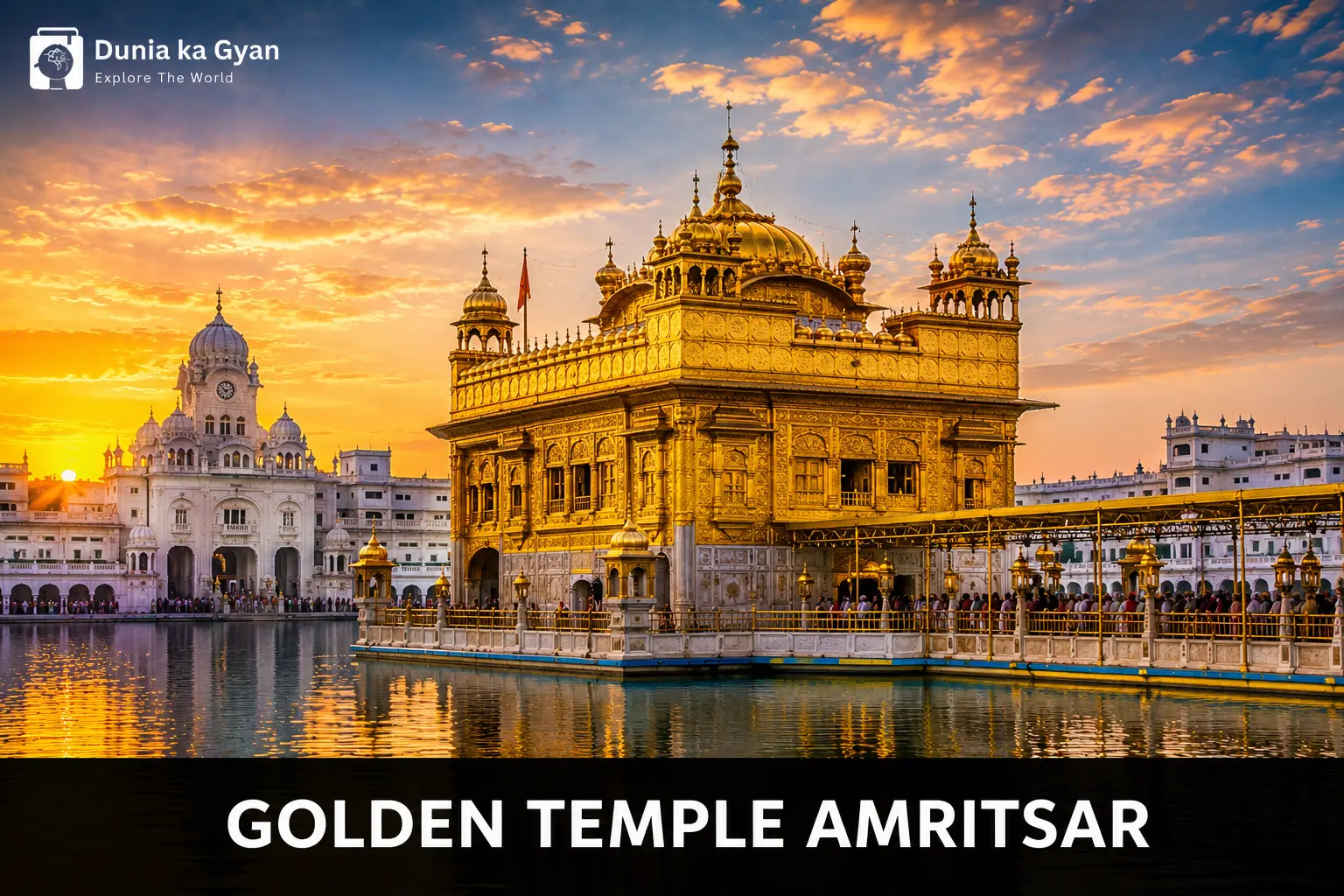
The Golden Temple, officially known as Sri Harmandir Sahib, is the holiest shrine in Sikhism and one of India’s most visited religious landmarks. Located in Amritsar, Punjab, the temple stands out for its stunning gold-plated architecture, spiritual significance, and rich cultural heritage.
Surrounded by the sacred Amrit Sarovar, the Golden Temple welcomes millions of visitors each year from different faiths and backgrounds. People widely recognize it for promoting Sikh values of equality, selfless service (Seva), humility, and community welfare through traditions such as the world-famous Langar. Whether visiting for religious purposes, cultural exploration, or architectural appreciation, the Golden Temple offers a unique and meaningful experience.
Quick Facts About Golden Temple
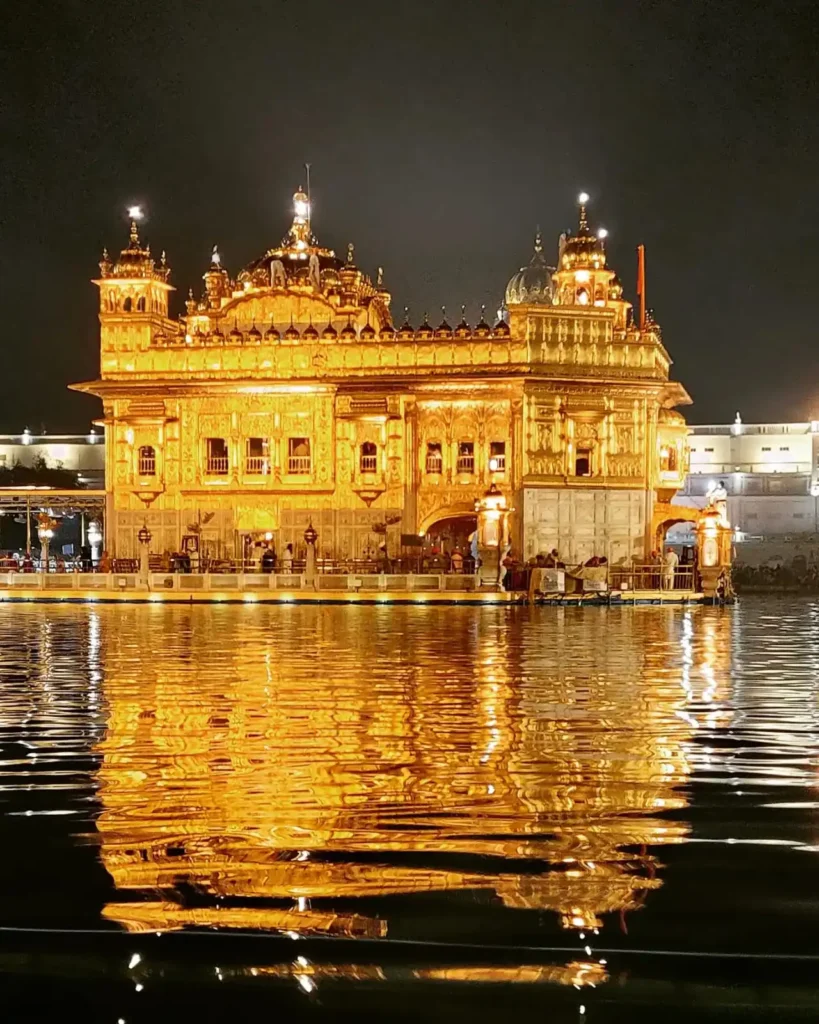
- Official Name: Sri Harmandir Sahib
- Location: Amritsar, Punjab, India
- Religion: Sikhism
- Founded By: Guru Arjan Dev Ji
- Established: 16th Century
- Sacred Water Tank: Amrit Sarovar
- Entry Fee: Free
- Famous For: Gold-plated shrine and Langar
- Open To: People of all faiths
- Open: 24 hours all year
Golden Temple Daily Schedule & Ceremonies
| Category | Time |
| Best Visiting Time | 3:30 AM – 6:00 AM / 9:00 PM – 10:00 PM |
| Prakash Ceremony | 3:00 AM – 4:00 AM |
| Asa di Var | Dawn |
| Rehras Sahib | Sunset |
| Sukhasan Ceremony | 9:30 PM – 10:00 PM |
| General Routine | 2:15 AM – 10:30 PM |
History of the Golden Temple
The history of the Golden Temple goes back to the vision of Guru Arjan Dev Ji, who wanted a place that belonged to everyone, not just one community. The Sufi saint Mian Mir laid the foundation of the shrine in 1588, reflecting the spirit of unity and respect between different faiths.
Over time, people rebuilt and expanded the structure, and during the reign of Maharaja Ranjit Singh, they covered the upper part of the temple in gold. This is how it became known as the Golden Temple.
Standing there today, it is easy to feel that this place carries centuries of devotion. Every corner carries a sense of history that you do not read on walls but feel in the atmosphere.
Architecture of the Golden Temple
The architecture of the Golden Temple is not about grandeur in a loud way. It is simple, balanced, and deeply symbolic, where every element has meaning.
Golden Sanctum
The main sanctum of the Golden Temple stands at the center of the Amrit Sarovar with gold-plated architecture. It houses the Guru Granth Sahib, the holy scripture of Sikhism, and serves as a place of continuous prayer and worship. Devotional hymns, known as kirtan, continue throughout the day, creating a peaceful and spiritual atmosphere within the temple complex.
Amrit Sarovar
The Golden Temple stands surrounded by the Amrit Sarovar, a sacred pool of water that gives Amritsar its name. The calm water reflects the temple’s golden structure, creating a beautiful view throughout the day. Many visitors spend time around the Sarovar for prayer, meditation, and quiet reflection.
Akal Takht
The Akal Takht, located opposite the Golden Temple, is one of the most important institutions in Sikhism. Established by Guru Hargobind Sahib, it serves as the highest seat of temporal authority and represents justice, leadership, and the Sikh community’s commitment to protecting truth and righteousness.
Gold Plating of the Golden Temple
The Golden Temple (Sri Harmandir Sahib) in Amritsar is adorned with approximately 750 kilograms of pure 24-karat gold. This magnificent gold plating has been added gradually over centuries through historical renovations and continuous beautification efforts. The gold is used to cover the domes, upper floors, and intricate decorative elements of the shrine, giving it its iconic golden glow.
Here is how the gold was utilized throughout its history:
- Initial Gilding (1830): Maharaja Ranjit Singh initiated the gold plating of the temple’s upper structure during the Sikh Empire. At that time, around 162 kg of gold was used.
- Renovation and Expansion (1995–1999): A major restoration phase added approximately 500 kg of pure 24-karat gold, enhancing the sanctum’s exterior and detailing.
- Recent Beautification (2018): An additional 160 kg of gold was used to gild the domes of the four main entrance gates (deodis), further enhancing its brilliance.
How the Gold is Applied
The gold plating work is carried out by highly skilled artisans using traditional techniques. Pure gold is first beaten into extremely thin sheets known as gold foil. These delicate layers are then carefully applied over copper plates (patras), which are fixed onto the temple structure. This meticulous process results in the temple’s radiant golden appearance that reflects beautifully in the surrounding Amrit Sarovar.
Religious and Cultural Significance
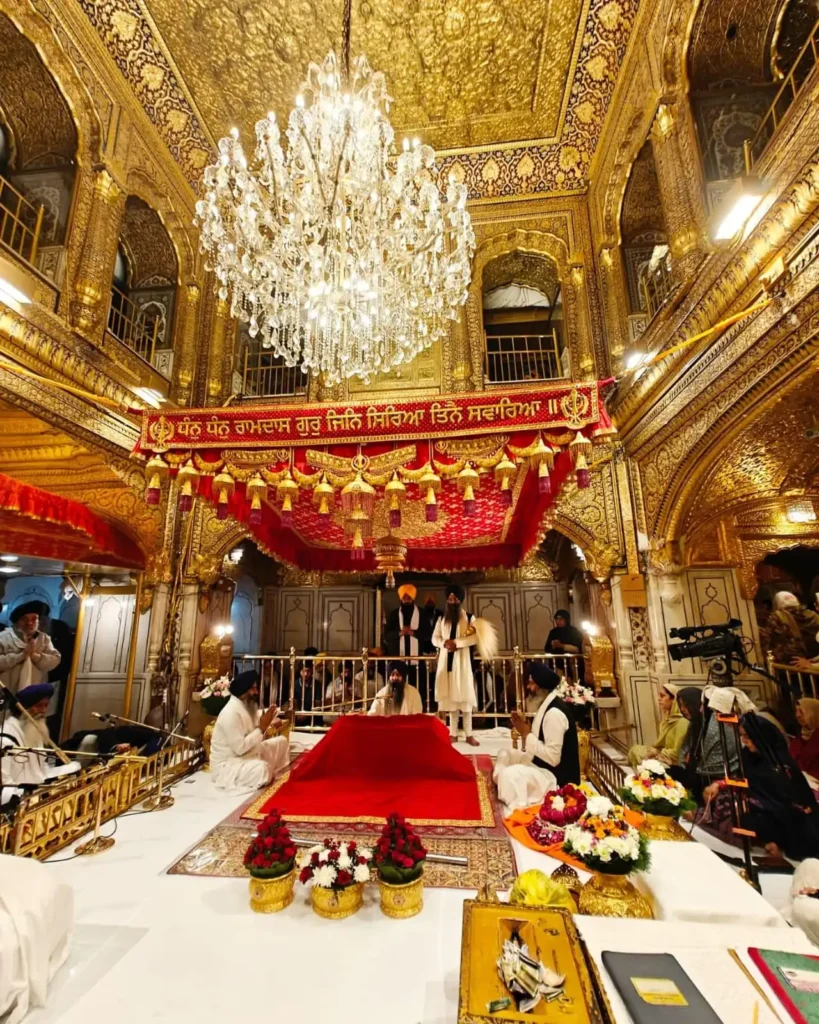
Importance in Sikhism
The Golden Temple is the holiest shrine in Sikhism and holds immense religious significance for Sikhs around the world. Beyond its spiritual importance, it promotes values such as equality, selfless service, humility, and respect, making it a meaningful destination for people of all backgrounds.
Sikh Values and Teachings
The Golden Temple reflects the core Sikh values of equality, selfless service (Seva), and humility.
- Equality: People from all backgrounds receive equal respect and treatment.
- Selfless Service (Seva): Volunteers contribute their time and effort by preparing food, serving meals, and maintaining the temple complex.
- Humility: Visitors and volunteers show respect, kindness, and modesty in their actions.
These values are an important part of the daily life and traditions of the Golden Tem
Langar at the Golden Temple
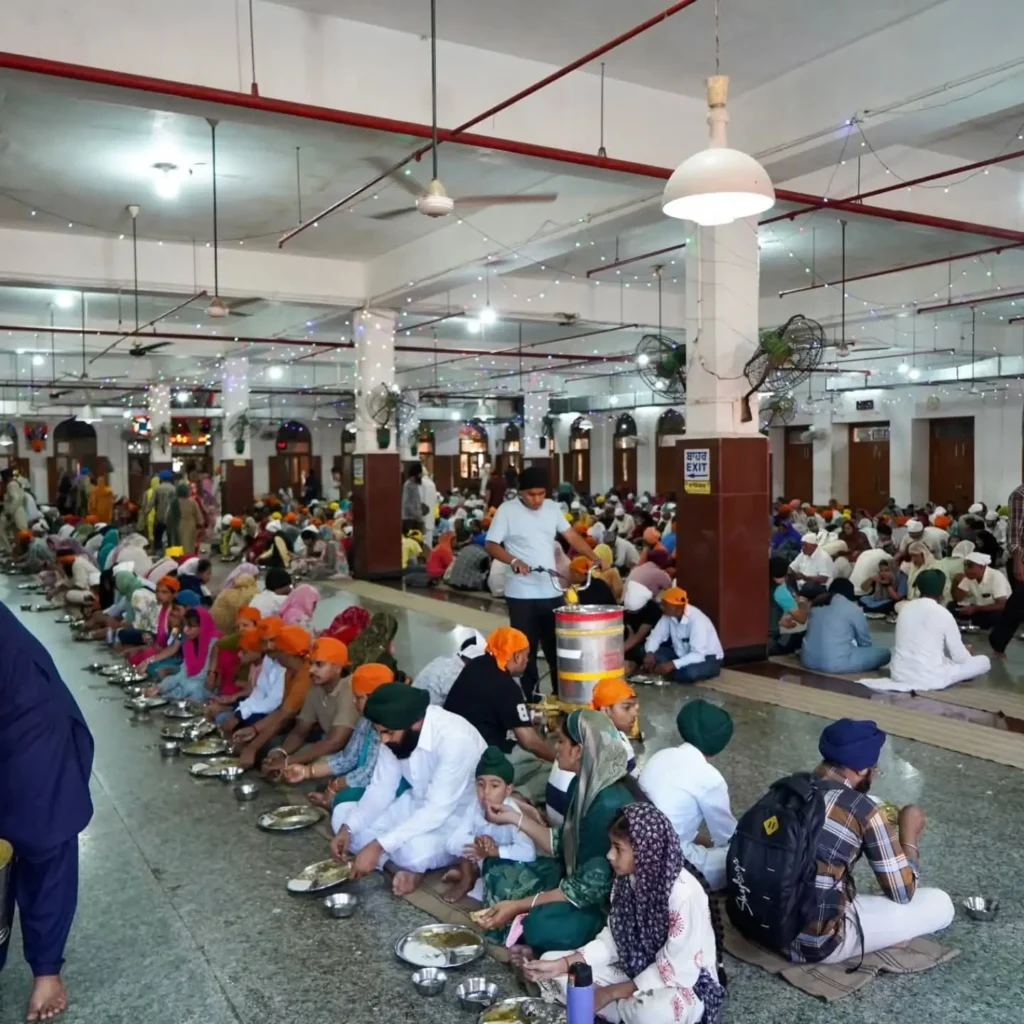
The Golden Temple serves a free community meal, known as Langar, to all visitors regardless of their religion, caste, gender, or background. Everyone sits together and shares the same simple vegetarian meal, reflecting the Sikh values of equality and selfless service.
Thousands of people receive meals every day, and volunteers support the entire operation by preparing food, serving meals, and maintaining the dining area. Langar is one of the most important traditions of the Golden Temple and a symbol of inclusivity and community service.
Visitor Guidelines
- Dress Code: Visitors cover their heads and wear modest clothing while inside the Golden Temple complex.
- Entry Rules and Etiquette: Visitors remove their shoes before entering the complex and maintain cleanliness while respecting the peaceful atmosphere. Tobacco, alcohol, and other prohibited items are not allowed, and photography is restricted in certain areas, especially near the sanctum.
How to Reach Golden Temple Amritsar (By Air, By Train and By Road)
The Golden Temple lies in the heart of Amritsar and connects well to major cities across India by air, rail, and road.
By Air
The nearest airport is Sri Guru Ram Dass Jee International Airport, about 13 km from the Golden Temple. Taxis and cabs are easily available from the airport.
By Train
Amritsar Junction Railway Station lies just 2 km away and connects well to major cities across India.
By Road
Amritsar has excellent road connectivity with cities like Delhi, Chandigarh, and Jammu. Regular buses, taxis, and private vehicles can easily reach the Golden Temple.
Best Time to Visit Golden Temple
- Winter (October to March): This is the ideal time to visit the Golden Temple. Pleasant daytime temperatures and cool evenings make sightseeing and waiting in queues much more comfortable.
- Summer (April to June): Temperatures often exceed 40°C, making daytime visits challenging. If visiting during summer, plan your trip for the early morning or late evening.
- Monsoon (July to September): While humidity levels are higher, the temple generally experiences fewer crowds, offering a quieter experience.
Celebrating Diwali at the Golden Temple
Diwali stands as one of the most significant festivals celebrated at the Golden Temple. During this festival, the entire temple complex lights up with thousands of lamps, creating a spectacular view. The golden structure and its reflection in the Amrit Sarovar attract thousands of visitors and devotees from across the world. The celebration includes special prayers, Gurbani Kirtan, and religious gatherings. The combination of festive lights, spiritual devotion, and the serene atmosphere make Diwali one of the most popular times to visit the Golden Temple.
Interesting Facts About Golden Temple
- The Golden Temple’s langar ranks among the largest community kitchens in the world and serves free meals to tens of thousands of people every day.
- Everyone sits together on the floor to eat, showing equality and removing all social differences.
- Volunteers prepare and serve all the food as part of “seva,” which means selfless service.
- It runs 24/7, ensuring that no visitor ever goes hungry, no matter the time they arrive.
- The entire system runs on donations rather than any fixed price or commercial setup.
Nearby Attractions in Amritsar
1. Durgiana Temple
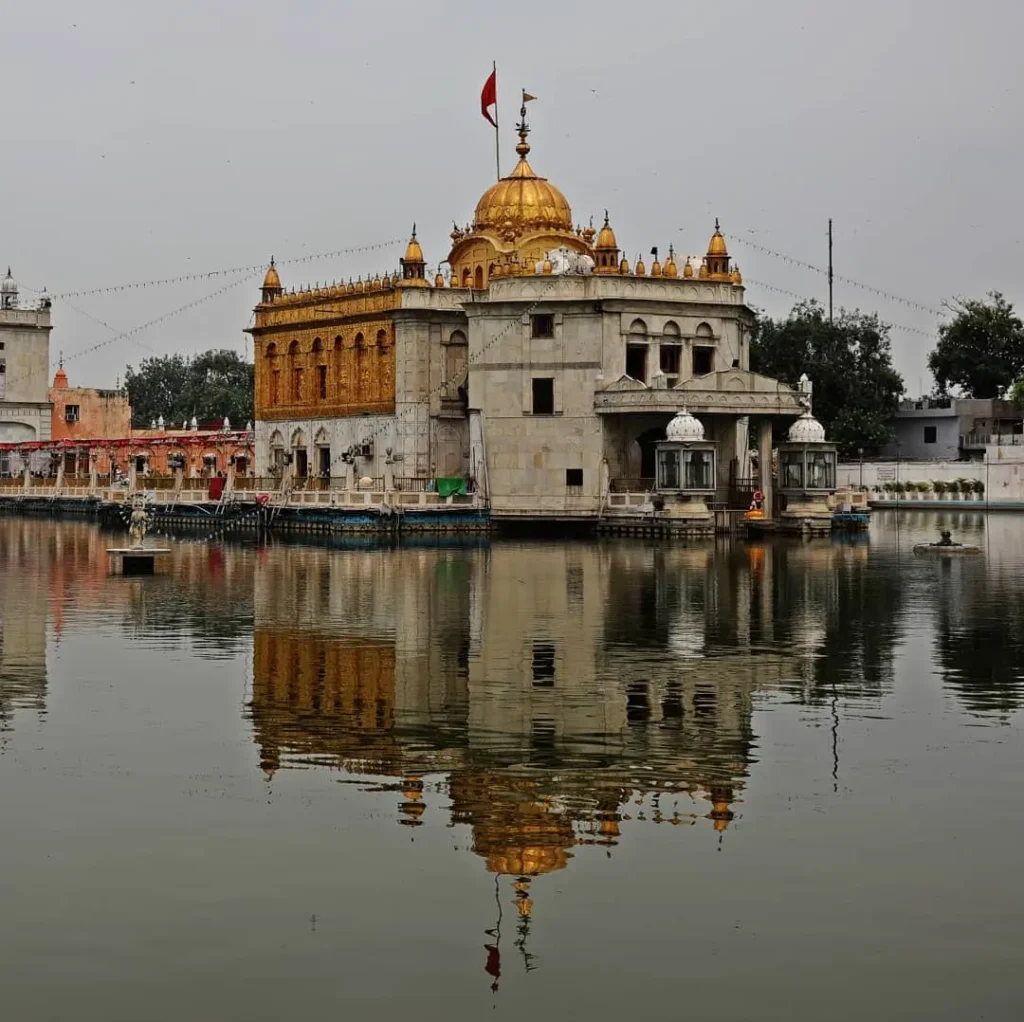
Durgiana Temple is a prominent Hindu temple dedicated to Goddess Durga, known for its beautiful architecture and sacred atmosphere. A holy water tank surrounds the temple, and its design closely resembles the Golden Temple due to its striking structure in the middle of the water. The peaceful surroundings and spiritual significance make it a worthwhile place to visit while exploring Amritsar.
2. Jallianwala Bagh
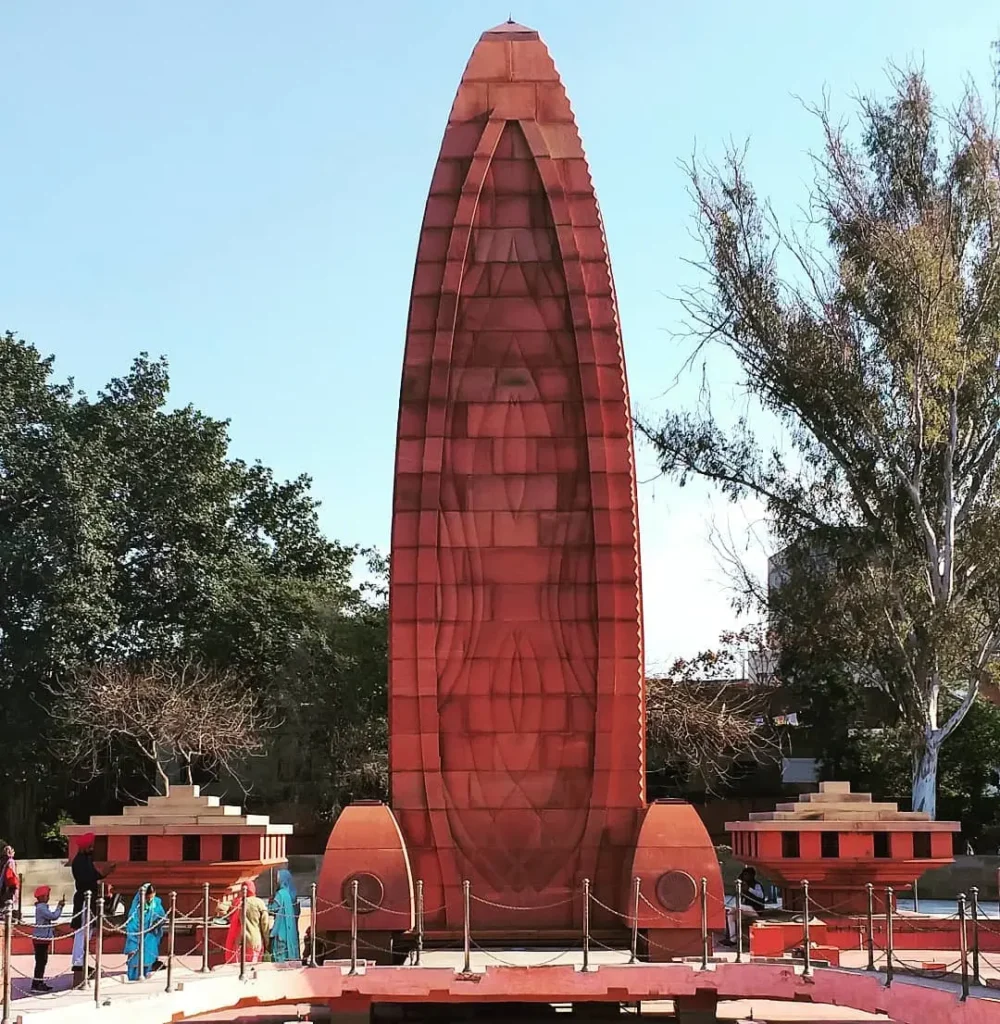
Jallianwala Bagh is a historic site in Amritsar that commemorates a tragic event in India’s freedom struggle. It stands as a powerful reminder of sacrifice, courage, and the struggle for independence. The memorial preserves the history of the event and honors those who lost their lives, offering visitors a place for reflection and remembrance.
3. Wagah Border
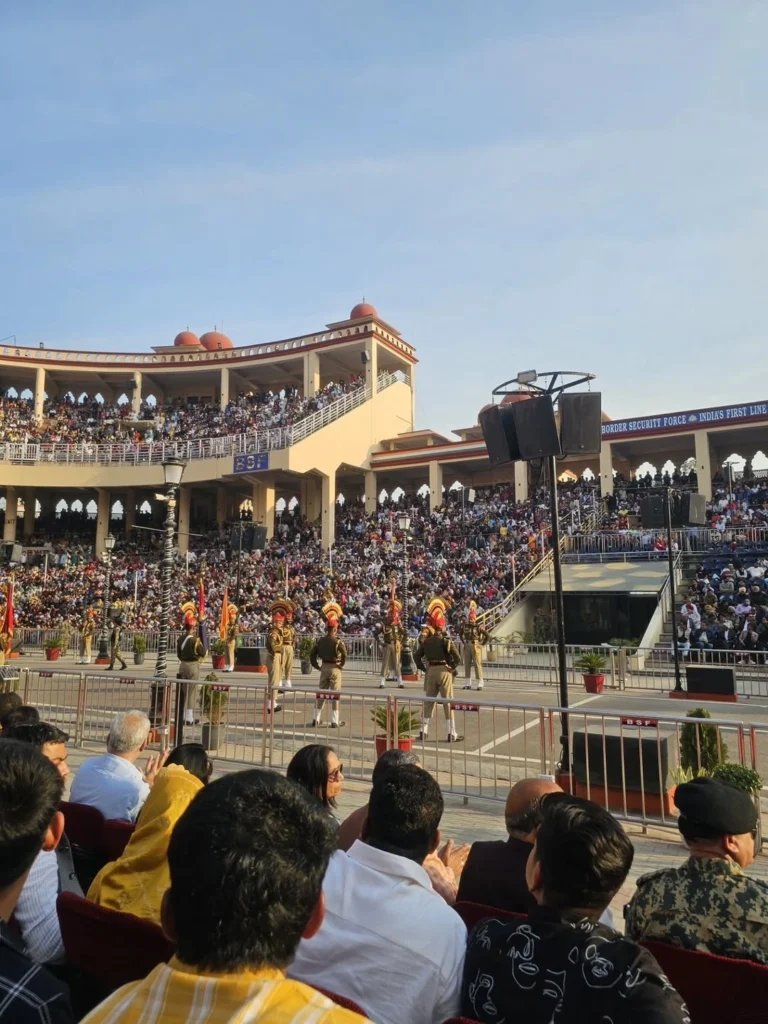
The Wagah Border ceremony is a daily evening event held at the India–Pakistan border near Amritsar. It features a highly organized display of military drills, synchronized marching, and flag-lowering by soldiers from both countries. The atmosphere carries energy, discipline, and a strong patriotic spirit, as large crowds gather to witness the event. The ceremony reflects a strong sense of national pride and unity among visitors.
4. Partition Museum
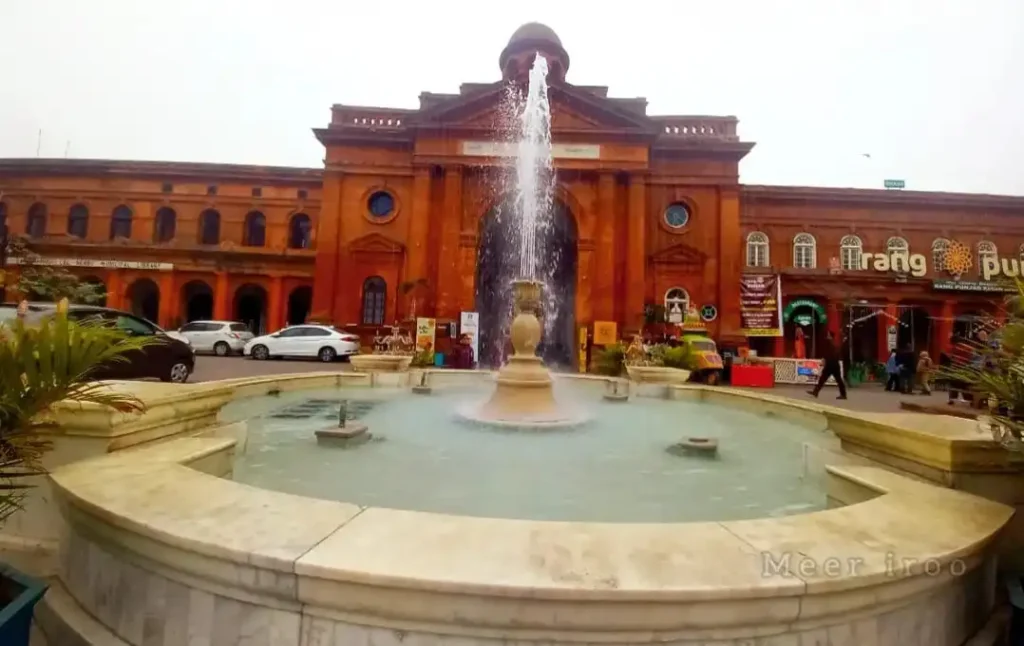
The Partition Museum presents deeply personal stories from the time of India’s Partition, highlighting real experiences of separation, loss, and migration. Through photographs, documents, and oral histories, it offers insight into the human impact of one of the most significant events in history. The museum provides a powerful and emotional understanding of the past and its lasting effects.
Popular Markets Near Golden Temple
1. Hall Bazaar
Hall Bazaar is one of the most popular shopping destinations in Amritsar. It offers a wide variety of products, including clothing, handicrafts, souvenirs, accessories, and everyday essentials. The market has a vibrant atmosphere and offers a great experience of the city’s local shopping culture.
2. Katra Jaimal Singh Market
Katra Jaimal Singh Market is a popular shopping area in Amritsar, especially known for traditional textiles and Punjabi clothing. It offers a wide range of fabrics, suits, and handcrafted garments that reflect the region’s cultural heritage. The market has a well-known collection of ethnic wear and local fashion items.
3. Guru Bazaar
Guru Bazaar is a well-known market in Amritsar, famous for jewellery and religious items. The market offers a wide range of traditional ornaments, gold and silver jewellery, and items used for religious practices and rituals. It reflects a strong cultural and traditional heritage of the city and is an important part of Amritsar’s local shopping experience.
Famous Food to Eat Near Golden Temple
Amritsar has a rich culinary heritage and a vibrant street food culture. Some of the most popular dishes to try near the Golden Temple include:
- Amritsari Kulcha
- Chole Bhature
- Lassi
- Jalebi
- Punjabi Parathas
- Sarson da Saag
- Makki di Roti
- Paneer Tikka
- Pinni
- Gulab Jamun
Famous Things to Buy in Amritsar
The markets around the Golden Temple offer a variety of traditional products that reflect the culture and heritage of Punjab. Popular items include:
- Punjabi Juttis – Traditional handcrafted footwear.
- Phulkari Dupattas and Shawls – Colorful embroidered textiles.
- Handcrafted Souvenirs – Decorative items, keychains, and local handicrafts.
- Religious Items – Sikh symbols, books, and prayer accessories.
- Local Spices and Dry Fruits – Popular food products from the region.
- Punjabi Clothing – Traditional dresses and ethnic wear.
Conclusion
The Golden Temple stands as a timeless symbol of faith, equality, and selfless service. Its rich history, stunning architecture, sacred traditions, and welcoming atmosphere make it one of the most remarkable destinations in India. Whether you visit for spiritual reasons, cultural exploration, or architectural beauty, the Golden Temple offers an experience that is both meaningful and memorable. A visit to this iconic shrine provides a deeper understanding of Sikh heritage and the values it represents.
Frequently Asked Questions
1. Why is the Golden Temple famous?
The Golden Temple is famous because it is the most sacred shrine of Sikhism. It is also famous for its gold-covered structure, peaceful environment, and the world’s largest free community kitchen called Langar.
2. Is the Golden Temple’s langar the biggest community kitchen in the world?
Yes, the Golden Temple’s langar ranks among the largest community kitchens in the world. It serves free meals to tens of thousands of people every day, regardless of background, religion, or status.
3. Is there any entry fee for the Golden Temple?
No, there is no entry fee. The Golden Temple is open to everyone free of cost, regardless of religion or background.
4. What are the visiting timings of the Golden Temple?
The Golden Temple is open 24 hours a day throughout the year. You can visit anytime, day or night.
5. What should visitors wear at the Golden Temple?
Visitors wear modest clothing and cover their heads, shoulders, and knees as a sign of respect.
References
- https://en.wikipedia.org/wiki/Golden_Temple
- https://www.goldentempleamritsar.org//darbar-sahib/golden-temple/gurbani
People are also reading
- Top Places to Visit in Amritsar
- Best Tourist Places to Visit in India
- Top Haunted Temples and Forts
- Mana Village Uttarakhand
- Kartik Swami Temple
- Clock Tower Dehradun