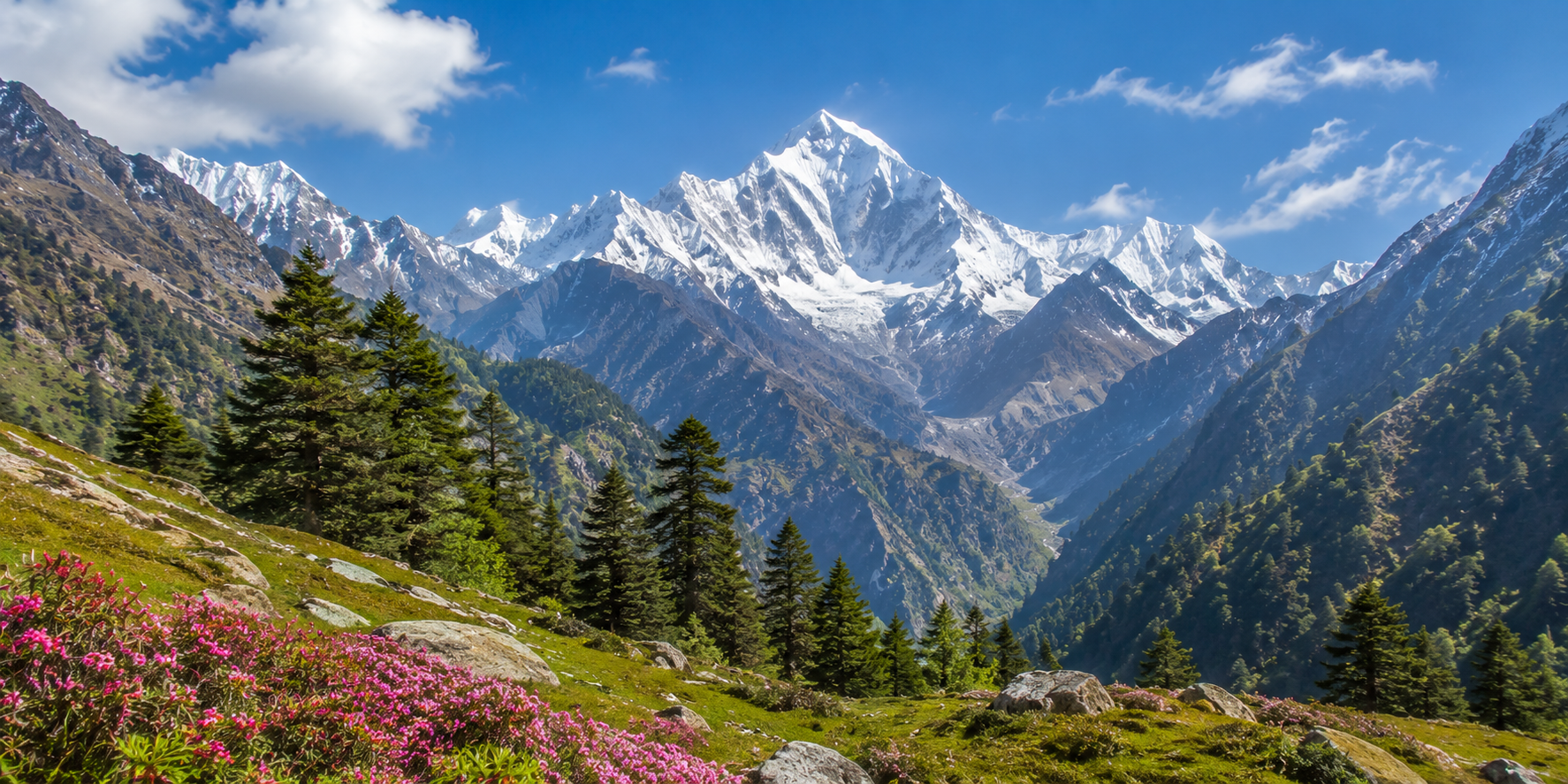
Hidden deep within the Garhwal Himalayas of Uttarakhand, Nanda Devi National Park is one of India’s most spectacular protected mountain landscapes. Famous for its snow-covered peaks, glaciers, alpine meadows, dense forests, and rare Himalayan wildlife, the park forms the core of the Nanda Devi Biosphere Reserve and is recognized as a UNESCO World Heritage Site for its outstanding natural value.
Unlike traditional wildlife parks, Nanda Devi National Park is a carefully protected Himalayan wilderness where visitors can explore the region only through approved trekking routes with the necessary permits. This limited access has helped preserve its fragile ecosystem, making it one of the country’s most pristine and ecologically significant destinations.
Whether you’re planning the Nanda Devi National Park Trek, looking for the best time to visit, or searching for information on permits, trekking routes, wildlife, and nearby attractions, this complete travel guide covers everything you need to plan a safe and memorable journey.
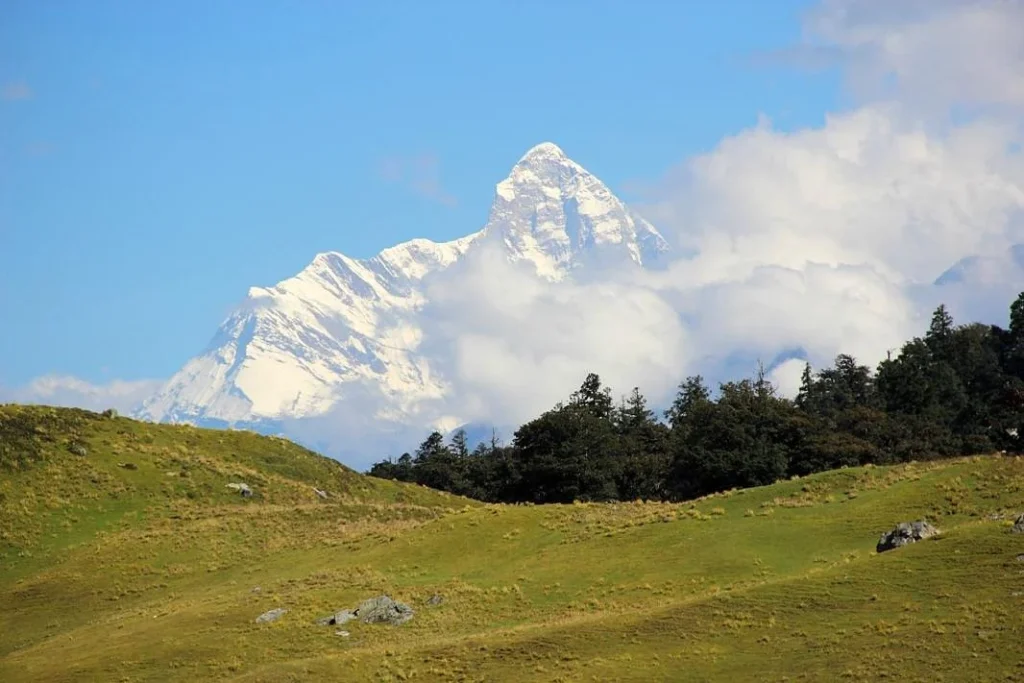
Nanda Devi National Park at a Glance
- Location: Chamoli District, Uttarakhand
- State: Uttarakhand
- Established: 1982
- UNESCO World Heritage Site: Designated in 1988
- UNESCO Biosphere Reserve: Part of the Nanda Devi Biosphere Reserve
- Core National Park Area: Approximately 630 sq. km
- Total Biosphere Reserve Area: Approximately 2,236.74 sq. km
- Famous For: Rich Himalayan biodiversity, alpine landscapes, trekking, glaciers, and rare wildlife
- Nearest Town: Joshimath
- Nearest Trek Base Village: Lata Village
- Best Time to Visit: May to October
- Park Status: Closed during winter (November to April) due to heavy snowfall
- Main Activity: Guided trekking with prior permits
- Highest Peak Nearby: Nanda Devi (7,816 m), the second-highest mountain in India
Travel Tip: Nanda Devi National Park is not a typical wildlife park with jeep safaris. It is a highly protected Himalayan wilderness where entry is regulated, and visitors can explore the park only through approved trekking routes with the necessary permits and authorized guides.
Why is Nanda Devi National Park So Famous?
Whenever people think of Uttarakhand, destinations like Mussoorie, Nainital, Kedarnath, or the Valley of Flowers often come to mind. But for nature lovers and trekkers, Nanda Devi National Park holds a special place.
The park surrounds the majestic Nanda Devi Peak, India’s second-highest mountain after Kangchenjunga. Rising dramatically to 7,816 meters (25,643 feet), the mountain has long been considered sacred by local communities. The name “Nanda Devi” refers to Goddess Nanda, a revered Himalayan deity believed to be a form of Goddess Parvati.
What makes the park truly extraordinary is its isolation. Massive mountain walls naturally protect the inner sanctuary, allowing unique ecosystems to flourish with minimal human disturbance. This isolation has helped preserve rare Himalayan plants and endangered wildlife that have disappeared from many other regions.
Today, Nanda Devi National Park is recognized worldwide for its ecological importance and remains one of India’s most carefully protected mountain landscapes.
Interesting Facts About Nanda Devi National Park
- It was established as a national park in 1982.
- It became a UNESCO World Heritage Site in 1988.
- It forms the core of the Nanda Devi Biosphere Reserve.
- Nanda Devi Peak is India’s second-highest mountain.
- The park protects rare Himalayan flora and fauna.
- Visitor access is strictly regulated to conserve biodiversity.
- The surrounding region is deeply connected to the worship of Goddess Nanda Devi.
Things to Do in Nanda Devi National Park
Although visitor access to Nanda Devi National Park is carefully regulated, the park offers several unforgettable experiences for nature lovers, trekkers, and photographers. Here are some of the best things to do during your visit:
1. Experience the Nanda Devi National Park Trek
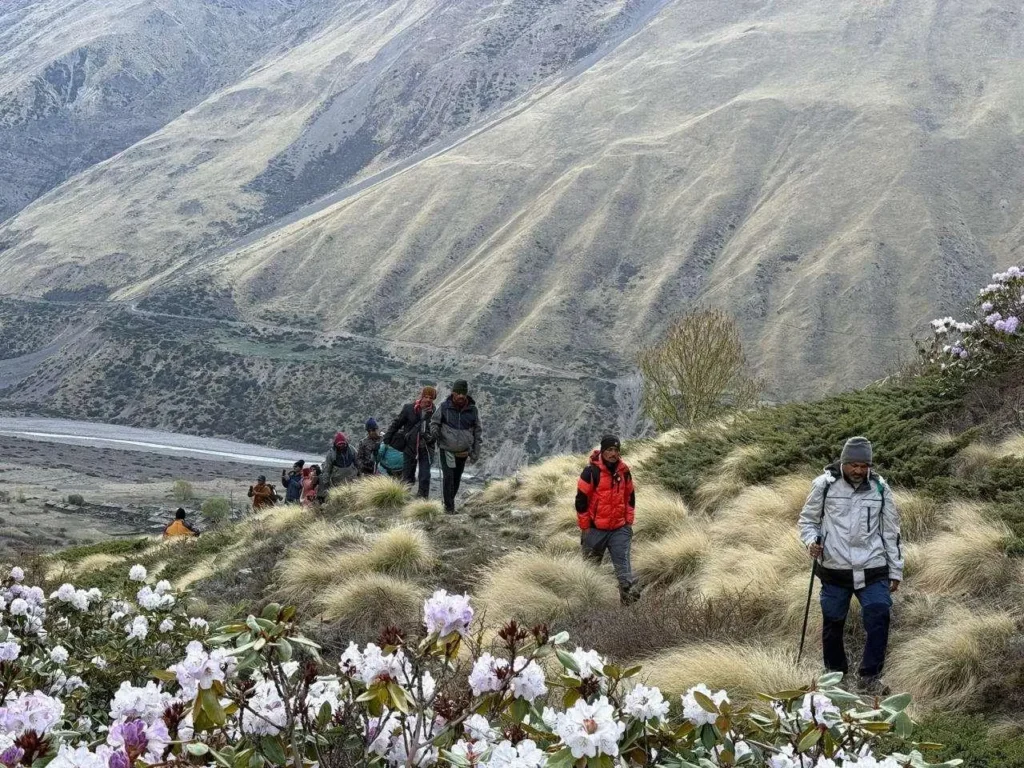
The highlight of any visit is trekking through the park’s pristine landscapes. The trail passes through dense forests, alpine meadows, glacial valleys, and scenic mountain viewpoints, offering a true Himalayan adventure.
2. Admire the Spectacular Himalayan Peaks
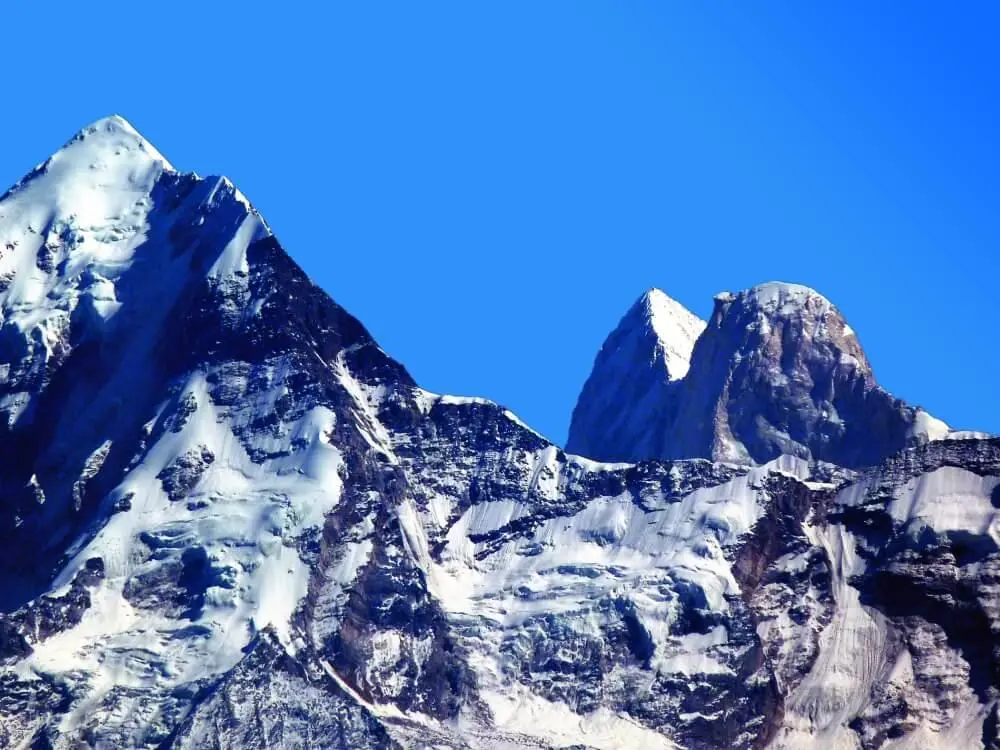
The park is surrounded by some of the highest mountains in India, including Nanda Devi, Dunagiri, Changabang, Trisul, and Maiktoli. On a clear day, these snow-covered peaks create breathtaking panoramic views.
3. Spot Rare Himalayan Wildlife
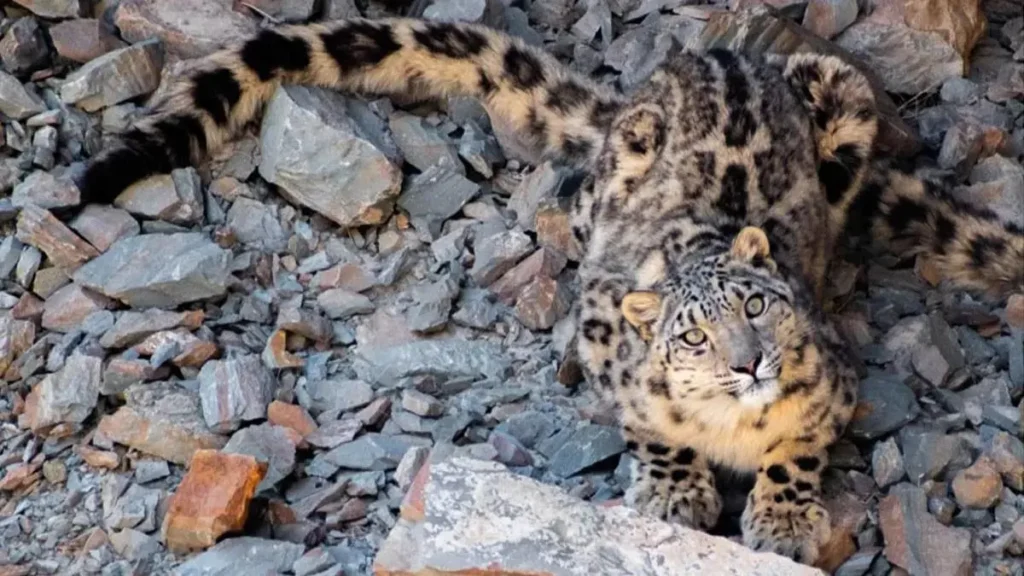
Nanda Devi National Park is home to several rare and endangered species, such as the Snow Leopard, Himalayan Musk Deer, Bharal (Blue Sheep), Himalayan Tahr, and Black Bear. While wildlife sightings depend on luck, the untouched habitat makes every trek exciting.
4. Enjoy Birdwatching
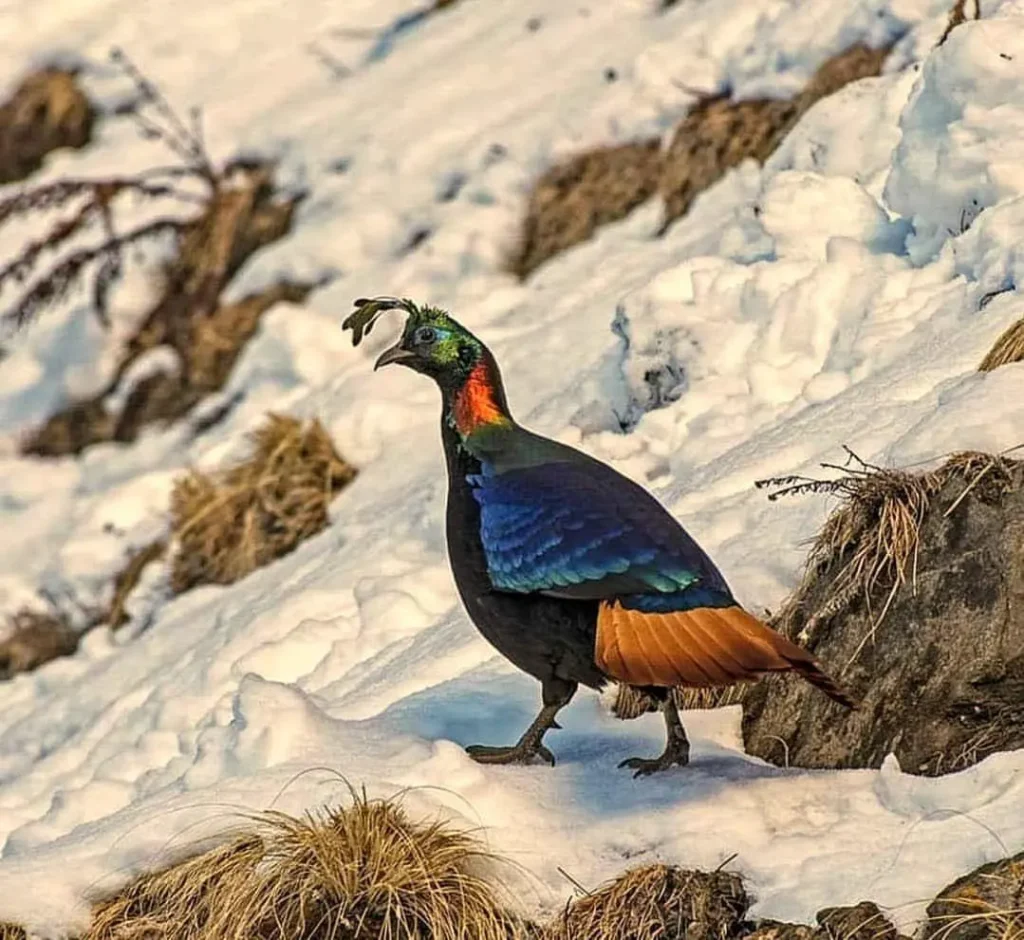
The park’s forests and alpine regions are home to many Himalayan birds, including the Himalayan Monal, Golden Eagle, Snow Partridge, and Koklass Pheasant, making it a rewarding destination for birdwatchers.
5. Capture Stunning Nature Photography
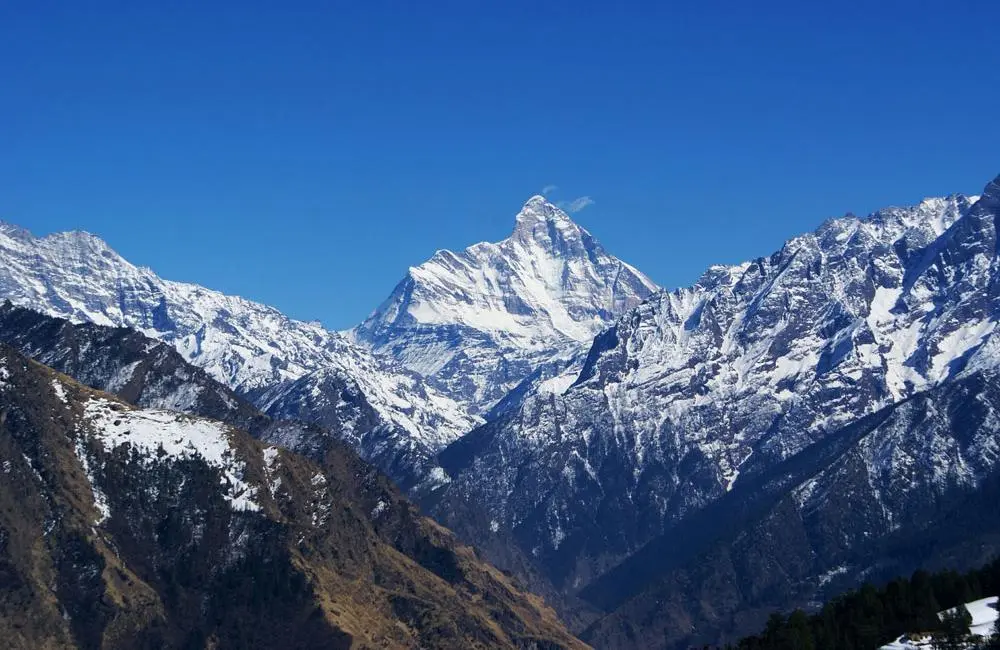
From glaciers and alpine meadows to dense forests and towering Himalayan peaks, every corner of the park offers incredible photography opportunities, especially during sunrise and sunset.
6. Explore the Culture of Lata Village
Before beginning the trek, spend some time in Lata Village, the traditional gateway to the park. It’s a great place to experience Garhwali culture, interact with local residents, and learn about their deep connection with the Nanda Devi landscape.
7. Experience the Peace of the Himalayas
One of the most rewarding parts of visiting Nanda Devi National Park is simply enjoying its peaceful surroundings. Away from crowded tourist destinations, the park offers a rare opportunity to reconnect with nature in one of India’s most protected Himalayan environments.
The History of Nanda Devi National Park
The history of Nanda Devi National Park reflects India’s commitment to preserving one of the Himalayas’ most pristine ecosystems. For centuries, the region remained isolated due to the rugged Rishi Ganga Gorge, making it difficult for explorers to access.
- 1934: British explorers Eric Shipton and H.W. Tilman successfully entered the Inner Sanctuary through the Rishi Ganga Gorge.
- 1936: H.W. Tilman and Noel E. Odell made the first successful ascent of Nanda Devi Peak (7,816 m), India’s second-highest mountain.
- 1939: The area was declared the Nanda Devi Game Sanctuary to protect its rich wildlife and natural environment.
- 1982: The Government of India established Nanda Devi National Park, restricting mountaineering and trekking in the core zone to conserve its fragile ecosystem.
- 1988: UNESCO recognized the park as a World Heritage Site for its exceptional natural beauty and biodiversity.
- 2004: The protected region was expanded to include the Valley of Flowers National Park, forming the renowned Nanda Devi and Valley of Flowers World Heritage Site.
Today, Nanda Devi National Park is one of India’s most protected Himalayan landscapes, celebrated for its breathtaking scenery, rich biodiversity, and global conservation significance.
UNESCO World Heritage Status
One of the reasons Nanda Devi National Park attracts global attention is its UNESCO recognition. In 1988, UNESCO inscribed Nanda Devi National Park as a World Heritage Site because of its exceptional natural beauty and outstanding biodiversity. Later, the recognition was expanded to include the nearby Valley of Flowers, forming the Nanda Devi and Valley of Flowers National Parks World Heritage Site.
The wider Nanda Devi Biosphere Reserve is also internationally recognized for promoting biodiversity conservation while supporting sustainable development in surrounding communities.
These recognitions highlight the park’s importance not only for India but also for global environmental conservation.
Location and Geography
Located in the Chamoli district of Uttarakhand, Nanda Devi National Park lies in the heart of the Garhwal Himalayas. The park forms the core of the Nanda Devi Biosphere Reserve and is surrounded by towering Himalayan peaks, deep valleys, glaciers, alpine meadows, and dense temperate forests. The Rishi Ganga River, flowing through the dramatic Rishi Ganga Gorge, drains the sanctuary and plays a vital role in shaping its unique landscape.
Geographically, the park is divided into two distinct regions:
Inner Sanctuary
The Inner Sanctuary covers the eastern part of the park and is the most protected area. It includes the majestic Nanda Devi Peak (7,816 m) along with the Uttari Rishi Glacier and Dakshini Rishi Glacier. Due to its fragile ecosystem, access to this area is highly restricted.
Outer Sanctuary
The Outer Sanctuary occupies the western section and is separated from the Inner Sanctuary by high mountain ridges. It features alpine forests, glaciers, and traditional trekking routes, with the Ramani Glacier and Trisul Glacier being its major glacial systems.
The park is surrounded by several iconic Himalayan peaks, including Nanda Devi, Dunagiri (7,066 m), Changabang (6,864 m), Kalanka (6,931 m), Rishi Pahar (6,992 m), Maiktoli (6,803 m), Trisul (7,120 m), and Nanda Devi East (Sunanda Devi, 7,434 m). Together, these snow-covered mountains create one of the most spectacular and ecologically significant landscapes in the Indian Himalayas.
Nanda Devi Biosphere Reserve
Many travelers assume the National Park and the Biosphere Reserve are the same, but they are different.
The Nanda Devi National Park forms the highly protected core zone, while the Nanda Devi Biosphere Reserve is a much larger conservation landscape that includes buffer zones, forests, villages, and additional protected habitats.
The biosphere reserve covers over 2,200 square kilometers and supports an extraordinary range of ecosystems from temperate forests and alpine grasslands to snow-covered mountain peaks.
Its conservation strategy balances environmental protection with the livelihoods of local communities living in surrounding villages.
Best Time to Visit Nanda Devi National Park
One of the first questions I had while planning my visit was “When is the best time to visit Nanda Devi National Park?” Since this is a protected high-altitude Himalayan region, the weather changes dramatically throughout the year, and the park remains open only for a limited season.
From my research and understanding of the region, May to October is the official visiting season. During these months, the snow gradually melts, trekking routes become accessible, and the valleys come alive with lush greenery, alpine flowers, and clear mountain views.
Here’s what you can expect during each month:
| Month | Weather | Why Visit |
| May | Cool days and chilly nights | Snow begins melting, excellent visibility |
| June | Pleasant weather | Best month for trekking and photography |
| July | Moderate rainfall | Lush greenery, but trails can be slippery |
| August | Monsoon continues | Beautiful landscapes, occasional rain |
| September | Crisp weather | One of the best months for trekking |
| October | Cold but clear | Stunning Himalayan views before winter |
From November to April, the park remains closed due to heavy snowfall, harsh weather conditions, and inaccessible trekking routes.
My Recommendation
If I had to recommend just one period, I would suggest late May, June, or September. During these months, you’ll enjoy pleasant weather, clearer mountain views, and relatively stable trekking conditions.
Opening & Closing Dates
Nanda Devi National Park generally follows a seasonal schedule:
| Status | Period |
| Open | May to October |
| Closed | November to April |
The exact opening and closing dates may vary slightly each year depending on snowfall and weather conditions. It’s always a good idea to confirm the latest schedule with the relevant forest authorities before planning your trip.
Park Timings
Unlike most national parks, Nanda Devi National Park does not have fixed daily visiting hours for general sightseeing. Since it is a highly protected UNESCO World Heritage Site, entry is allowed only through approved trekking expeditions with the required permits.
- Park Opening Season: May to October
- Park Closed: November to April (due to heavy snowfall and harsh weather)
- Entry Timings: As per the schedule approved by the Forest Department and your registered trekking operator
- Guide Requirement: A registered guide is mandatory for all approved trekking groups.
Note: Visitors cannot explore the park independently. All trekking activities are regulated by the forest authorities to protect the park’s fragile Himalayan ecosystem and rich biodiversity.
Entry Permit and Visitor Rules
To protect its fragile Himalayan ecosystem, Nanda Devi National Park follows strict entry regulations. Visitors cannot enter the park freely, and access is permitted only after obtaining the necessary permissions from the concerned forest authorities. Trekking is allowed only on approved routes under regulated conditions.
Visitor Rules
- Entry Permit: A valid permit is mandatory before entering the park.
- Guided Trek: Visitors must be accompanied by an authorized guide during the trek.
- Limited Entry: The number of visitors is restricted to minimize environmental impact.
- Approved Routes Only: Trekking is allowed only on designated trails approved by the forest authorities.
- Physical Fitness: As the trek involves high-altitude terrain and steep ascents, visitors should be physically fit and medically prepared.
- Eco-Friendly Travel: Carry back all waste, avoid single-use plastics, and do not disturb wildlife or damage vegetation.
- Responsible Tourism: Respect local customs, follow park regulations, and help preserve the park’s unique biodiversity.
Note: Entry permits, trekking regulations, and visitor guidelines may be updated from time to time. It is advisable to check the latest information with the Uttarakhand Forest Department or the authorized trekking agency before planning your visit.
Nanda Devi National Park Trek
For many travelers, trekking is the biggest reason to visit Nanda Devi National Park. This isn’t a casual walk through the forest it’s a rewarding Himalayan adventure that takes you through remote villages, dense forests, alpine meadows, and breathtaking mountain landscapes.
Unlike commercial trekking destinations, Nanda Devi offers a quieter and more immersive experience where nature takes center stage.
Trek Starting Point
The trek begins from Lata Village, a charming Himalayan settlement near Joshimath. This village serves as the traditional gateway to the Nanda Devi Sanctuary and has long been associated with mountaineering expeditions.
Trek Highlights
- Ancient Himalayan villages
- Oak and rhododendron forests
- Alpine meadows
- Snow-capped peaks
- Glacial streams
- Rich biodiversity
- Panoramic Himalayan viewpoints
Trek Difficulty
The Nanda Devi trek is considered moderate to difficult. The route involves steep ascents, high-altitude trekking, and long walking hours. Good physical fitness and prior trekking experience are highly recommended.
Approximate Duration
Most approved trekking itineraries last around 5 to 7 days, depending on the route and weather conditions.
Wildlife of Nanda Devi National Park
One of the things that fascinated me most about Nanda Devi National Park is its incredible wildlife. Because human activity is limited, the park provides a safe habitat for many rare Himalayan species.
Some of the remarkable animals found here include:
- Snow Leopard
- Himalayan Musk Deer
- Himalayan Tahr
- Bharal (Blue Sheep)
- Himalayan Black Bear
- Himalayan Brown Bear
- Serow
- Red Fox
- Himalayan Weasel
- Langur
While spotting these elusive animals isn’t guaranteed, simply knowing they thrive in this protected environment makes the trek even more special.
Birds You May Spot
Birdwatchers will also find plenty to admire here. Some notable bird species include:
- Himalayan Monal (State Bird of Uttarakhand)
- Golden Eagle
- Snow Partridge
- Himalayan Griffon
- Koklass Pheasant
- Lammergeier
- Cheer Pheasant
Early mornings are usually the best time for birdwatching.
Flora of Nanda Devi National Park
The park is equally famous for its rich plant diversity. As the elevation changes, so does the vegetation, creating a fascinating mix of ecosystems.
Some of the most notable plants include:
- Brahma Kamal
- Blue Poppy
- Rhododendron
- Birch
- Fir
- Juniper
- Oak
- Alpine Herbs
- Medicinal Plants
During summer, the alpine meadows become vibrant with colorful wildflowers, making the landscape even more breathtaking.
Nearby Places to Visit
A trip to Nanda Devi National Park can easily be combined with several breathtaking destinations in Uttarakhand. From sacred pilgrimage sites and scenic hill stations to alpine meadows and charming Himalayan villages, these nearby attractions make your journey even more memorable.
1. Joshimath (Approx. 25 km)
Known as the gateway to Nanda Devi National Park, Joshimath is a popular hill town surrounded by majestic Himalayan peaks. It serves as the base for treks to Nanda Devi, Valley of Flowers, Auli, and Badrinath. The town also offers hotels, homestays, restaurants, and local markets.
2. Lata Village (Approx. 25 km)
Lata Village is the traditional entry point for the Nanda Devi National Park Trek. This picturesque Himalayan village is known for its rich cultural heritage, warm hospitality, and stunning mountain views.
3. Auli (Approx. 40 km)
Famous for its snow-covered slopes and panoramic Himalayan views, Auli is one of India’s best skiing destinations. During summer, it transforms into a peaceful hill retreat ideal for cable car rides, trekking, and nature photography.
4. Valley of Flowers National Park (Approx. 65 km via Govindghat)
A UNESCO World Heritage Site, the Valley of Flowers National Park is renowned for its colourful alpine meadows, rare Himalayan flowers, and spectacular trekking trails. It is one of the most popular attractions to combine with a Nanda Devi trip.
5. Badrinath (Approx. 50 km)
One of the sacred Char Dham pilgrimage sites, Badrinath is home to the famous Badrinath Temple dedicated to Lord Vishnu. Surrounded by snow-capped mountains, it attracts both pilgrims and nature lovers.
6. Hemkund Sahib (Via Govindghat Trek)
Located at an altitude of over 4,300 metres, Hemkund Sahib is one of the highest Sikh pilgrimage sites in the world. The scenic trek passes through waterfalls, forests, and alpine landscapes, making it a rewarding experience for both devotees and trekkers.
7. Tapovan (Approx. 15 km from Joshimath)
Tapovan is known for its natural hot water springs, peaceful surroundings, and beautiful views of the Garhwal Himalayas. It is a great place to relax before or after your trek.
Whether you’re seeking adventure, spirituality, or the beauty of the Himalayas, these nearby destinations perfectly complement a visit to Nanda Devi National Park and make for a truly unforgettable Uttarakhand itinerary.
How to Reach Nanda Devi National Park
Reaching the park requires a combination of road travel and trekking.
By Air
The nearest airport is Jolly Grant Airport, Dehradun, which is well connected to major Indian cities. From the airport, you can travel by road to Joshimath and then continue to Lata Village.
By Train
The nearest major railway station is Rishikesh. From there, taxis and buses are available to Joshimath.
By Road
Joshimath is connected by road to major cities in Uttarakhand. From Joshimath, continue to Lata Village, where the trekking route begins.
Suggested 5-Day Itinerary
Day 1: Reach Joshimath
Arrive in Joshimath, check into your hotel or homestay, and spend the evening exploring the town while preparing for your trek.
Day 2: Joshimath to Lata Village
Travel to Lata Village, complete permit formalities, meet your trekking team, and begin your journey towards the higher camps.
Day 3: Trek Through the Sanctuary
Walk through dense oak and rhododendron forests, alpine meadows, and scenic Himalayan landscapes while enjoying spectacular mountain views.
Day 4: Explore the High-Altitude Region
Spend the day exploring the upper trekking route, observing Himalayan wildlife, glaciers, and panoramic views before returning to camp.
Day 5: Return to Joshimath
Descend back to Lata Village and drive to Joshimath, completing one of Uttarakhand’s most rewarding trekking experiences.
Where to Stay in Nanda Devi National Park
There are no luxury hotels inside the national park. Most visitors stay in Joshimath before beginning their trek.
Accommodation options include:
- GMVN Tourist Rest Houses
- Budget Hotels
- Mid-range Hotels
- Family-run Homestays
- Guesthouses
Staying in a local homestay is a great way to experience Garhwali hospitality and support the local economy.
Packing Checklist
Before heading into the Himalayas, I recommend packing:
- Trekking shoes
- Waterproof jacket
- Warm layers
- Gloves and woollen cap
- Backpack
- Water bottles
- Sunglasses
- Sunscreen
- Personal medicines
- Energy snacks
- Torch or headlamp
- Trekking poles (optional)
Packing light but wisely makes the journey much more comfortable.
Responsible Tourism Tips
Nanda Devi National Park is one of India’s most sensitive ecological zones. Every visitor has a role in protecting it.
Please remember to:
- Carry back all your waste.
- Avoid disturbing wildlife.
- Stay on designated trails.
- Respect local customs and traditions.
- Do not pick flowers or plants.
- Minimize plastic use.
- Follow your guide’s instructions at all times.
Small actions from every traveler help preserve this remarkable landscape.
Conclusion
Nanda Devi National Park is one of Uttarakhand’s most extraordinary natural treasures, offering breathtaking Himalayan landscapes, rich biodiversity, and an unforgettable trekking experience. Whether you’re drawn by its scenic beauty, rare wildlife, or peaceful mountain trails, this UNESCO World Heritage Site promises a journey unlike any other. Plan your visit responsibly, follow the park’s guidelines, and experience one of India’s most pristine Himalayan destinations.
Frequently Asked Questions
No. The park is generally open from May to October and remains closed during winter.
Yes. Entry is regulated, and visitors need official permission for approved trekking routes.
The trek is moderately difficult. Beginners should prepare physically and ideally trek with experienced guides.
No. Nanda Devi National Park does not offer jeep safaris. Access is primarily through guided trekking.
Snow Leopard, Himalayan Musk Deer, Bharal, Himalayan Tahr, Black Bear, Brown Bear, and several other Himalayan species.
People are also reading: