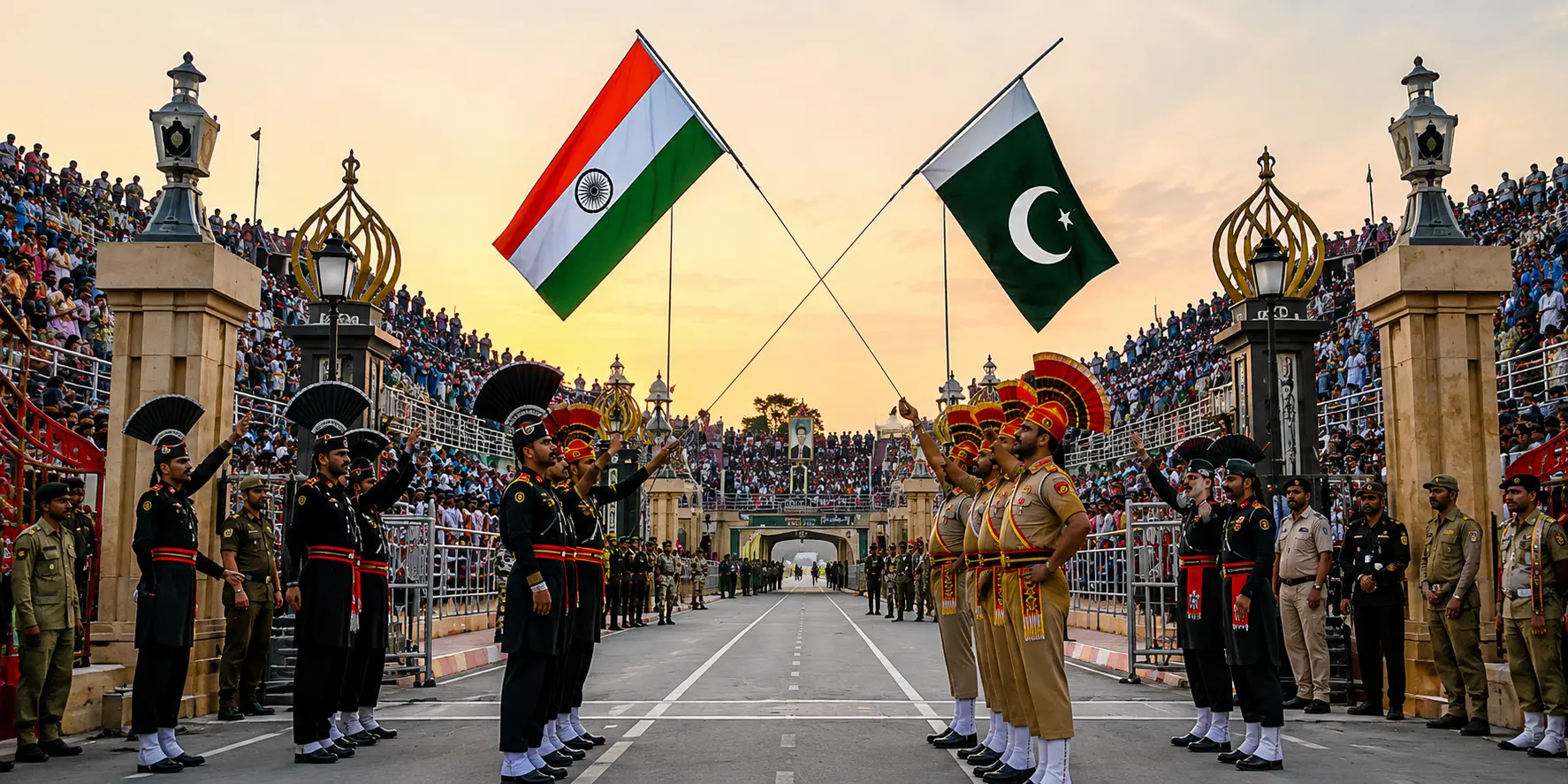
The Wagah Border, officially known as the Attari Wagah Border on the Indian side, is one of the most famous border crossings between India and Pakistan. Located near Amritsar in Punjab, it is best known for its daily Beating Retreat ceremony, where personnel from India’s Border Security Force (BSF) and Pakistan Rangers perform a synchronized flag-lowering ceremony. The border also holds major historical importance because it emerged during the Partition of British India in 1947. Today, visitors come to watch the evening ceremony, learn about the history of the India Pakistan border, and combine the visit with other attractions in Amritsar.
Wagah Border Highlights
Here are the key things to know before planning your visit:
- Location: Attari, Amritsar district, Punjab
- Distance from Amritsar: Approximately 30 km
- Nearest railway station: Attari Railway Station, approximately 6 km away
- Nearest airport: Sri Guru Ram Dass Jee International Airport, approximately 36 km away
- Main attraction: Beating Retreat or flag lowering ceremony
- Entry gate timing: The entry gate generally opens from 10:00 AM to 4:00 PM.
- Spectator entry: Entry for the evening Beating Retreat ceremony typically begins around 2:00 PM to 3:00 PM.
- Winter ceremony timing: Around 4:15 PM
- Summer ceremony timing: Around 5:15 PM
- Best season: October to March
- Main forces involved: India’s BSF and Pakistan Rangers
Ceremony timings and visitor arrangements can change because of security requirements, weather, national events, or other official decisions. It is therefore advisable to check the latest information before traveling.
What Is Wagah Border?
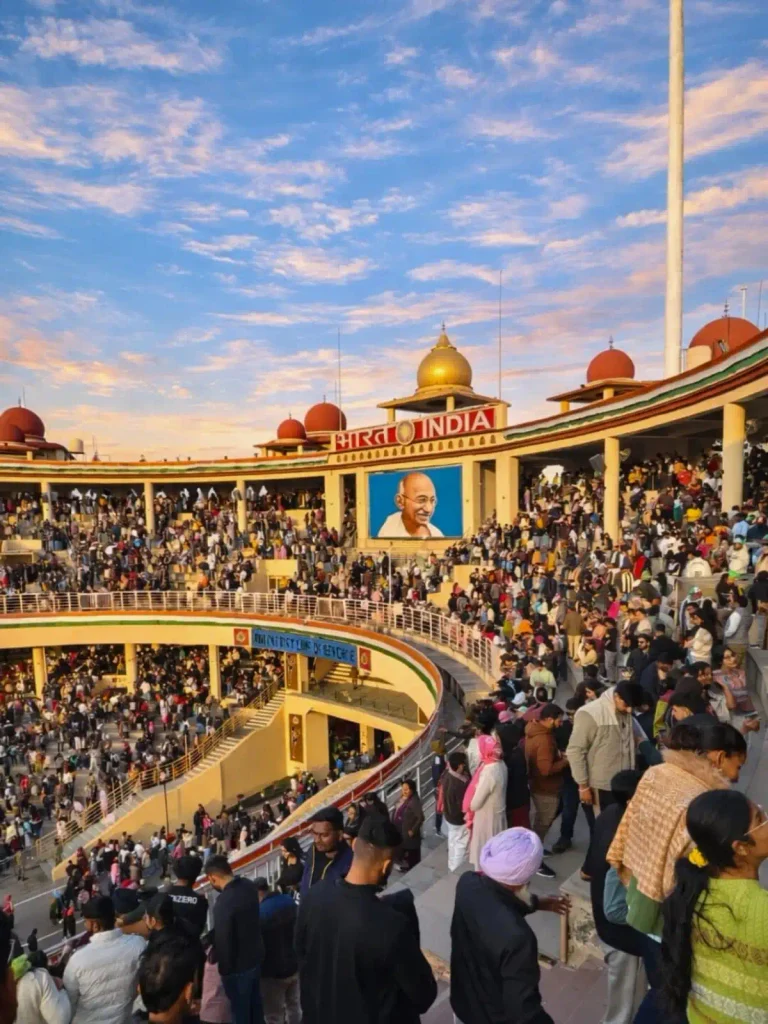
Wagah Border is an international border crossing between India and Pakistan. On the Indian side, it is commonly associated with Attari, while Wagah is the name of the area on the Pakistani side. The crossing lies along the historic Grand Trunk Road, an important route connecting different parts of the Indian subcontinent. For tourists, the location is especially famous for its evening military ceremony. The event has turned the border into one of Punjab’s most recognizable tourist attractions while retaining its importance as an international border.
Wagah Border History
The modern history of Wagah Border is closely connected to the Partition of India in 1947, when British India was divided into India and Pakistan. Punjab was divided during Partition, creating a new international boundary and separating communities that had previously been connected through shared roads, trade, and cultural ties.
Partition of India and Pakistan
Following Partition, the Attari Wagah crossing became an important checkpoint along the Grand Trunk Road. India’s official tourism information notes that a joint check post was established after Partition near Border Pillar No. 102. The border area also witnessed large scale movement during the Partition period as millions of people migrated between India and Pakistan. This history remains an important part of the significance of Wagah Border today.
Historical Importance of Wagah Border
Wagah Border represents the complicated history of India Pakistan relations. It has served as a border crossing, security point, transport route, and symbol of the relationship between the two countries. The location became particularly famous after the introduction of the daily flag lowering ceremony in 1959. What began as a military tradition later developed into a major public event attracting visitors from across India and abroad.
Where Is Wagah Border Located?
Wagah Border is located in Attari, in Amritsar district of Punjab, close to the India Pakistan international boundary. It is approximately 30 km from Amritsar Bus Stand and around 6 km from Attari Railway Station. The District Amritsar administration lists Sri Guru Ram Dass Jee International Airport at approximately 36 km from the border. Because the ceremony attracts many visitors, travel time can be longer than expected during busy periods. Leaving Amritsar early is recommended.
Wagah Border Ceremony
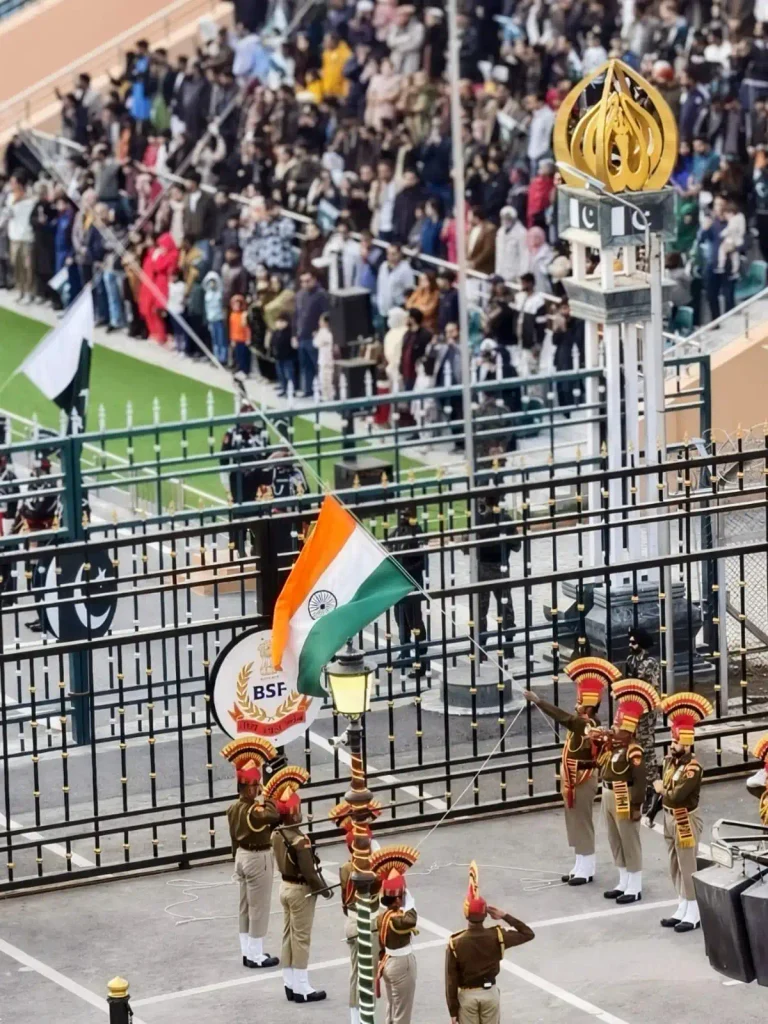
The Wagah Border ceremony, commonly called the Beating Retreat ceremony, is the main attraction for visitors. It is conducted every evening by personnel from the BSF on the Indian side and Pakistan Rangers on the Pakistani side. The ceremony combines military precision with a highly energetic public atmosphere. Visitors watch the soldiers perform coordinated drills before the national flags are lowered and the border gates are closed.
What Is the Beating Retreat Ceremony?
The Beating Retreat is a traditional military ceremony associated with the end of the day’s activities. At Wagah Border, the ceremony was introduced in 1959 and has since become a major public spectacle.
The drill is known for:
- Synchronized marching
- Sharp turns and movements
- High leg kicks
- Military commands
- Flag lowering
- Closing of the border gates
What Happens During the Ceremony?
The ceremony begins with coordinated drills by personnel on both sides. Soldiers perform carefully practiced movements while spectators watch from designated viewing areas. As the ceremony progresses, the national flags are lowered in a synchronized manner. The event then concludes with the formal closing of the border gates.
Flag Lowering and Border Closing Ceremony
The flag lowering is the central part of the evening ceremony. The Indian and Pakistani flags are lowered as part of the formal closing of the day’s border proceedings. According to Incredible India, the ceremony concludes with the flags being folded, a brief handshake between personnel, and the closing of the gates.
Wagah Border Timings
The Wagah Border timings for the Beating Retreat ceremony change with the seasons because the ceremony takes place around sunset. These should be treated as general timings rather than a guarantee for every day. Security conditions, weather, special events, or official decisions can affect the schedule.
Daily Ceremony Timings
| Season | General ceremony timing |
| October to March | Around 4:15 PM |
| April to September | Around 5:15 PM |
Always verify the timing close to your travel date, especially if attending the ceremony is a major part of your itinerary.
How Early Should You Arrive?
Arriving 1.5 to 2 hours before the ceremony is a practical choice. The venue can become crowded, and visitors need enough time for travel, security checks, and finding their viewing area. Arriving early is particularly useful during weekends, holidays, and the October to March tourist season.
Wagah Border Ticket Price/Entry Fee
There is generally no standard entry fee for watching the Beating Retreat ceremony from the designated public spectator areas on the Indian side.
Entry Fee and Ticket Information
- Entry fee: Generally free for the public viewing areas
- Ticket booking: A regular admission ticket is generally not required
- Viewing area: Visitors enter designated spectator areas after security checks
- Other costs: Transportation, parking, or private tour services may involve separate charges
- Important: Entry and seating arrangements can change due to security requirements, crowd management, special events, or official instructions
- ID requirement: Carry a valid government issued photo ID when visiting
Visitors should check the latest official instructions before traveling, as access arrangements can change without much notice.
Wagah Border Entry Rules
Because Wagah Border is an international border and a sensitive security location, visitors must pass through security checks before entering the designated visitor areas.
Entry Requirements
Carry a valid government issued photo ID when visiting. Foreign visitors should carry their passports and relevant travel documents. Public viewing of the ceremony is generally available without a standard admission ticket, but visitor access can be affected by security conditions and official instructions.
Security Checks and Restricted Items
Security procedures can be strict. Rules concerning bags, cameras, electronic equipment, and other belongings may change, so visitors should check the latest instructions before traveling.
For a smoother entry:
- Carry only essential belongings.
- Keep your identification easily accessible.
- Avoid large or unnecessary bags.
- Follow instructions at security checkpoints.
- Do not enter restricted areas.
- Ask security personnel if you are unsure whether an item is permitted.
How to Reach Wagah Border?
The most common way to reach Wagah Border is by road from Amritsar. The border is approximately 30 km from the Amritsar Bus Stand. Taxis, private vehicles, and local transport options can be used depending on availability. If you are traveling independently, leave Amritsar early enough to account for traffic and security procedures.
By Train
Attari Railway Station is the closest railway station, located approximately 6 km from Wagah Border according to the District Amritsar administration.
By Air
Sri Guru Ram Dass Jee International Airport is the nearest airport, approximately 36 km from Wagah Border. Travelers arriving by air should allow sufficient time for the road journey and border security procedures.
Best Time to Visit Wagah Border?
| Season | Best Time to Visit | Ceremony Timing | What to Expect |
| Winter (October to March) | Best season to visit | Around 4:15 PM | Pleasant weather makes outdoor seating and waiting more comfortable. |
| Summer (April to September) | Less comfortable due to heat | Around 5:15 PM | Afternoons can be very hot, so be prepared for heat while waiting for the ceremony. |
What to Expect During Your Visit
A visit to Wagah Border involves more than watching the ceremony. Visitors should expect security screening, walking, waiting, and potentially large crowds.
1. Seating and Viewing Areas
The ceremony is watched from designated spectator areas on the Indian side. Seating and access arrangements can depend on crowd management and security requirements. Arriving early can give you a better chance of finding a suitable viewing position. However, seating arrangements can change, so visitors should follow the instructions provided at the venue.
2. Crowd and Security
Wagah Border can become particularly crowded during weekends, public holidays, and the peak tourist season. Security is a major part of the experience because the site is an active international border. Visitors should remain within designated areas and cooperate with security personnel.
3. Ceremony Duration
The ceremony is generally a relatively short event, but there is no need to rely on a fixed duration when planning your trip. The length can vary depending on the day’s schedule and security arrangements. Allow additional time for entering and leaving the venue rather than planning your transportation around an exact finishing time.
Wagah Border Travel Tips
Keep your visit simple and plan around the ceremony timing. The following tips can help:
- Check the latest ceremony timing before leaving Amritsar.
- Arrive 1.5 to 2 hours early.
- Carry valid photo identification.
- Keep your belongings to a minimum.
- Wear comfortable shoes.
- Carry sun protection during warmer months.
- Follow all security instructions.
- Avoid photographing restricted areas.
- Allow extra time for the return journey to Amritsar.
Most importantly, remember that Wagah Border is an operational international border, not simply a tourist monument. Security requirements take priority and can change without much notice.
Places to Visit Near Wagah Border
A visit to Wagah Border can easily be combined with some of the most important historical, religious, and cultural attractions in Amritsar. Since many of these places are located within the city, you can plan them before or after visiting the border ceremony.
1. Golden Temple
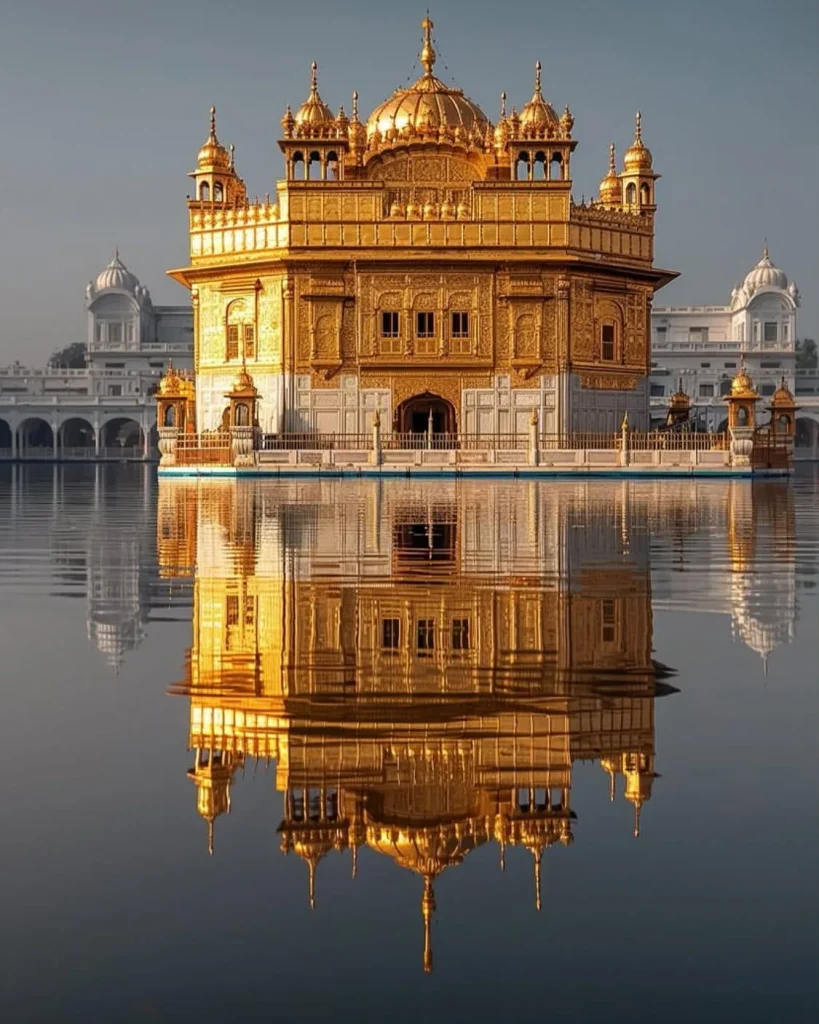
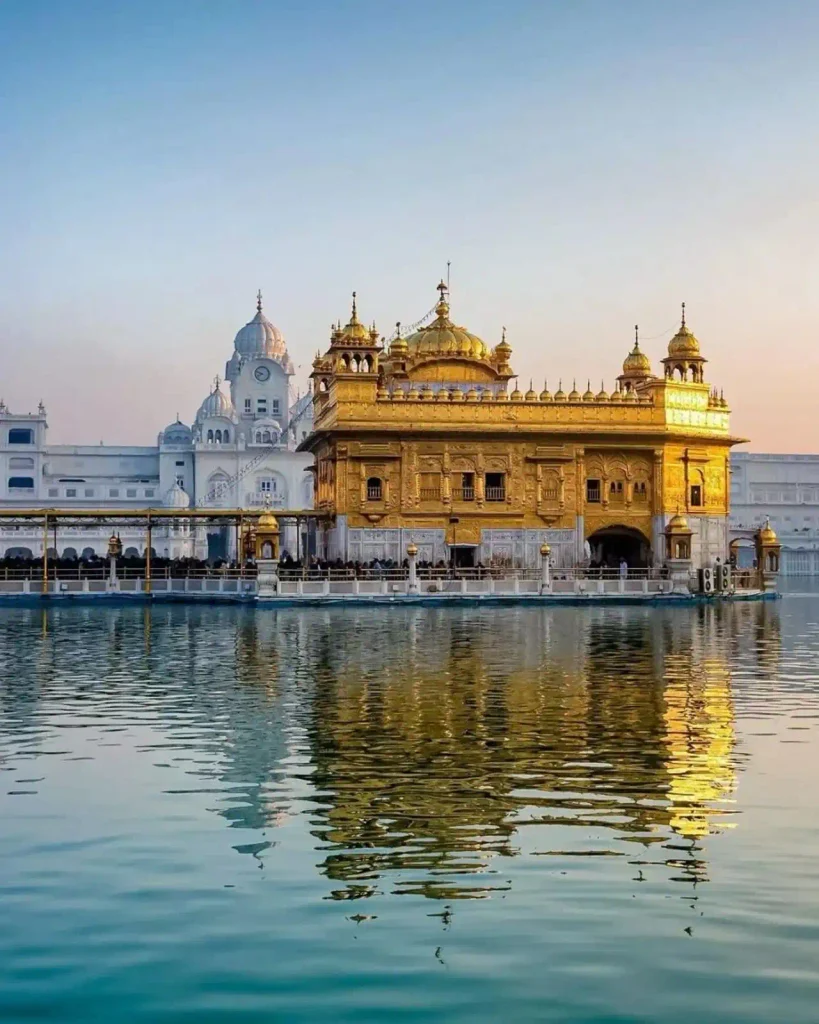
The Golden Temple, officially known as Sri Harmandir Sahib, is the most famous attraction in Amritsar and one of the most important Sikh religious sites in the world. The temple is surrounded by the Amrit Sarovar, a sacred pool, and is known for its striking golden architecture and peaceful atmosphere. Visitors can walk around the sacred pool, observe the beautiful architecture, and experience the community kitchen, known as langar, where free meals are served to visitors regardless of their background. Because the Golden Temple is an active place of worship, visitors should dress respectfully and follow the site’s guidelines.
2. Jallianwala Bagh
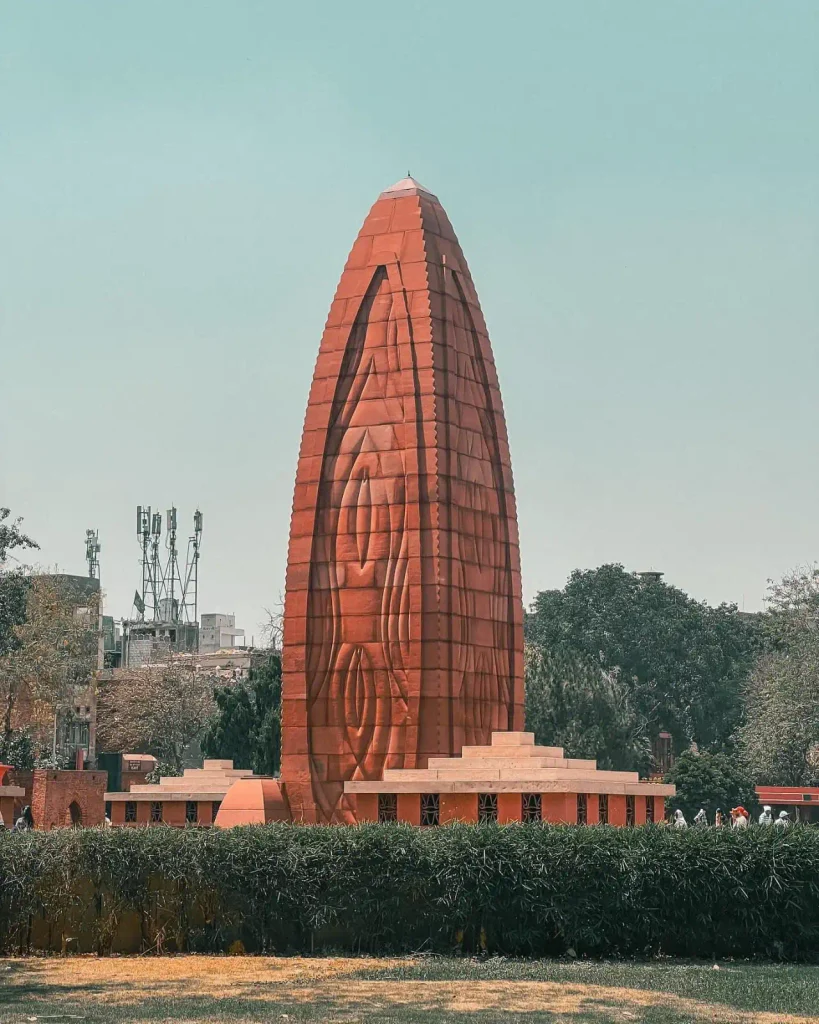
Jallianwala Bagh is a historic memorial located close to the Golden Temple. It commemorates the people who were killed and injured during the Jallianwala Bagh massacre on April 13, 1919, when British troops opened fire on a large gathering. The site includes memorial structures and preserved areas that help visitors understand this important event in India’s freedom struggle. A visit to Jallianwala Bagh can be particularly meaningful when combined with the Wagah Border because both locations are connected to important chapters of India’s modern history.
3. Partition Museum
The Partition Museum in Amritsar documents the human stories and consequences of the 1947 Partition of India. Its collection includes photographs, personal accounts, documents, and other material related to the people affected by the division. For travelers visiting Wagah Border, this is one of the most relevant attractions to include in an itinerary. The museum provides historical context about the Partition that created the India Pakistan boundary and helps visitors understand the human impact behind the political division.
4. Gobindgarh Fort
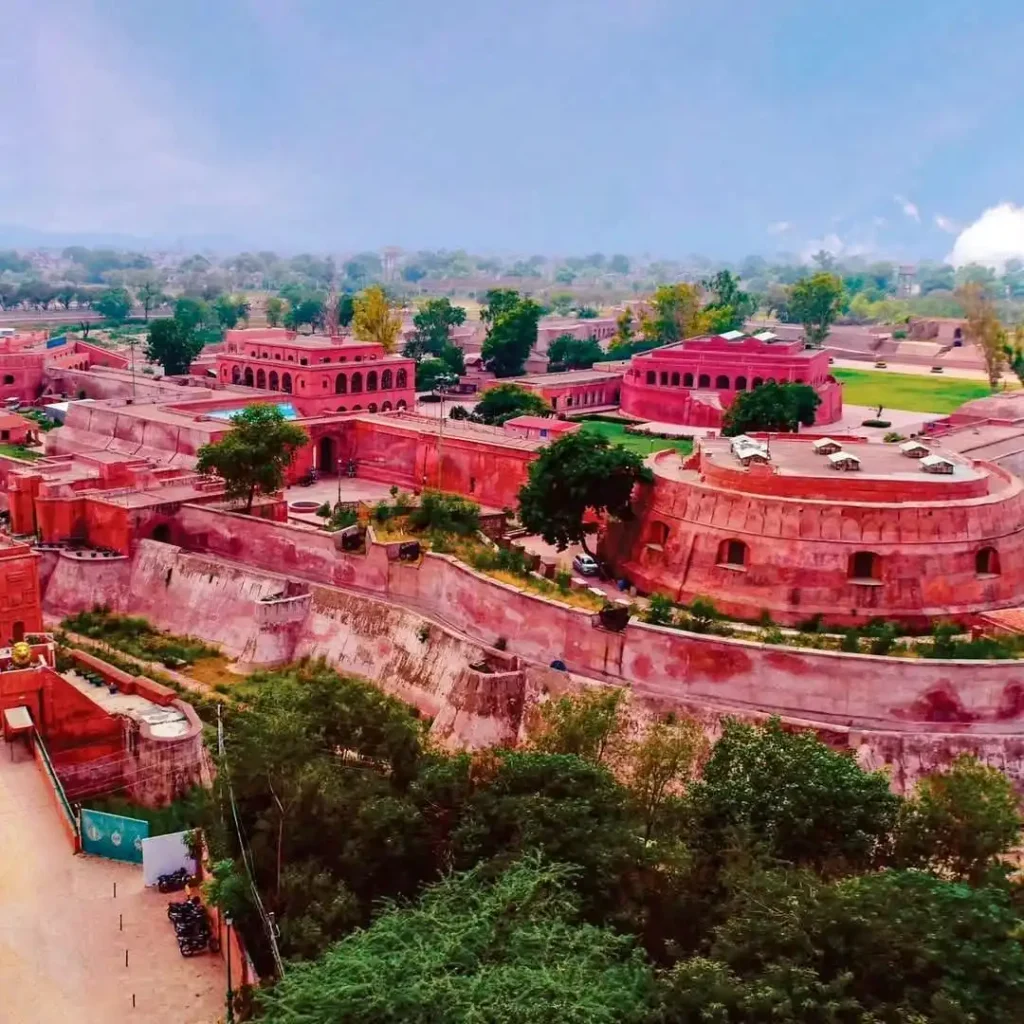
Gobindgarh Fort is a historic fort in the heart of Amritsar that offers a different experience from the city’s religious and memorial sites. The fort has connections with the military history of Punjab and the Sikh Empire and was later used during the British period. Today, visitors can experience its heritage setting along with museums, cultural programs, traditional performances, and other attractions. It is a good option for travelers interested in Punjab’s military, cultural, and architectural history.
5. Durgiana Temple
Durgiana Temple is an important Hindu temple in Amritsar dedicated primarily to Goddess Durga. The temple is surrounded by a sacred water tank, with the main shrine positioned in the center. Its design has visual similarities to the Golden Temple, particularly because the shrine is surrounded by water and connected by a bridge. The temple offers a quieter cultural stop for visitors who want to see another important religious landmark in Amritsar.
6. Maharaja Ranjit Singh Museum
The Maharaja Ranjit Singh Museum is dedicated to Maharaja Ranjit Singh, the founder of the Sikh Empire. It is located in the historic Company Bagh and provides an opportunity to learn more about his life, administration, military achievements, and the history of the Sikh Empire. The museum is particularly useful for travelers interested in understanding Punjab’s political and military history beyond the Partition period. Its surrounding gardens also make it a pleasant stop during an Amritsar sightseeing itinerary.
7. Amritsar Heritage Street
Heritage Street connects several important historical and religious attractions around the Golden Temple area. The pedestrian-friendly area features traditional architecture, sculptures, shops, food outlets, and other elements that reflect Amritsar’s cultural character. It can be a good place to walk around after visiting the Golden Temple and Jallianwala Bagh, especially if you want to experience the atmosphere of the old part of the city.
8. Sadda Pind
Sadda Pind is a Punjabi cultural village experience near Amritsar that showcases traditional Punjabi architecture, food, crafts, music, and village life. It provides a more cultural and entertainment-focused experience compared with the historical attractions in central Amritsar. Visitors interested in Punjabi traditions can include it in their itinerary, particularly if they have additional time beyond the Wagah Border ceremony.
Conclusion
The Wagah Border is one of Punjab’s most distinctive travel destinations, combining the history of the 1947 Partition with the famous Beating Retreat ceremony. The border is located near Attari in Amritsar district and remains an important international crossing between India and Pakistan. For travelers, the ceremony is the main attraction. The current general schedule is around 4:15 PM in winter and 5:15 PM in summer, although timings can change based on official circumstances.
Plan to arrive early, carry valid identification, keep belongings to a minimum, and follow all security instructions. Combining the border visit with the Golden Temple, Jallianwala Bagh, Partition Museum, and other Amritsar attractions can also give you a broader understanding of the region’s history and culture.
Frequently Asked Questions
Wagah Border is an international border with controlled access. Tourists generally visit the designated visitor area to watch the Beating Retreat ceremony rather than freely accessing operational border facilities. Visitor access can change depending on security conditions.
The visitor area has security arrangements, and tourists regularly attend the ceremony. However, it remains an active international border. Visitors should stay in designated areas, cooperate with security personnel, and check current local instructions before traveling.
Seating and visitor arrangements can vary depending on crowd management and security requirements. Visitors should follow the arrangements provided at the venue rather than assuming that a particular VIP or priority section will always be available.
Photography rules can vary according to current security instructions. Visitors should check the rules at the venue and follow directions about where photography is permitted. Avoid photographing restricted security areas or personnel where prohibited.
The District Amritsar administration currently lists Sri Guru Ram Dass Jee International Airport approximately 36 km from Wagah Border. Actual travel time depends on traffic, road conditions, and the route used.
People are also reading
- Top Places to Visit in Amritsar
- Best Tourist Places to Visit in India
- Top Haunted Temples and Forts
- Mana Village Uttarakhand
- Kartik Swami Temple
- Clock Tower Dehradun