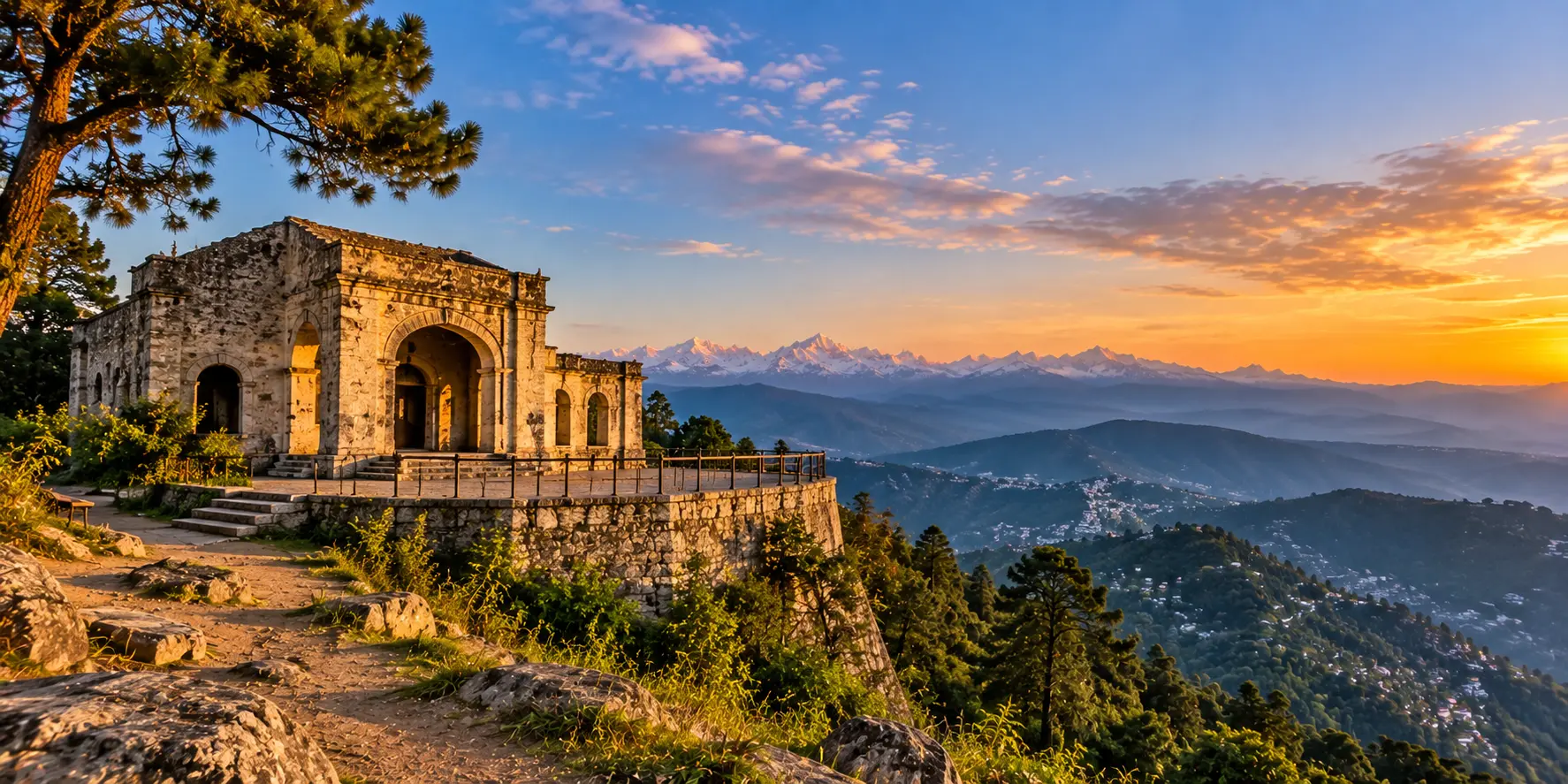
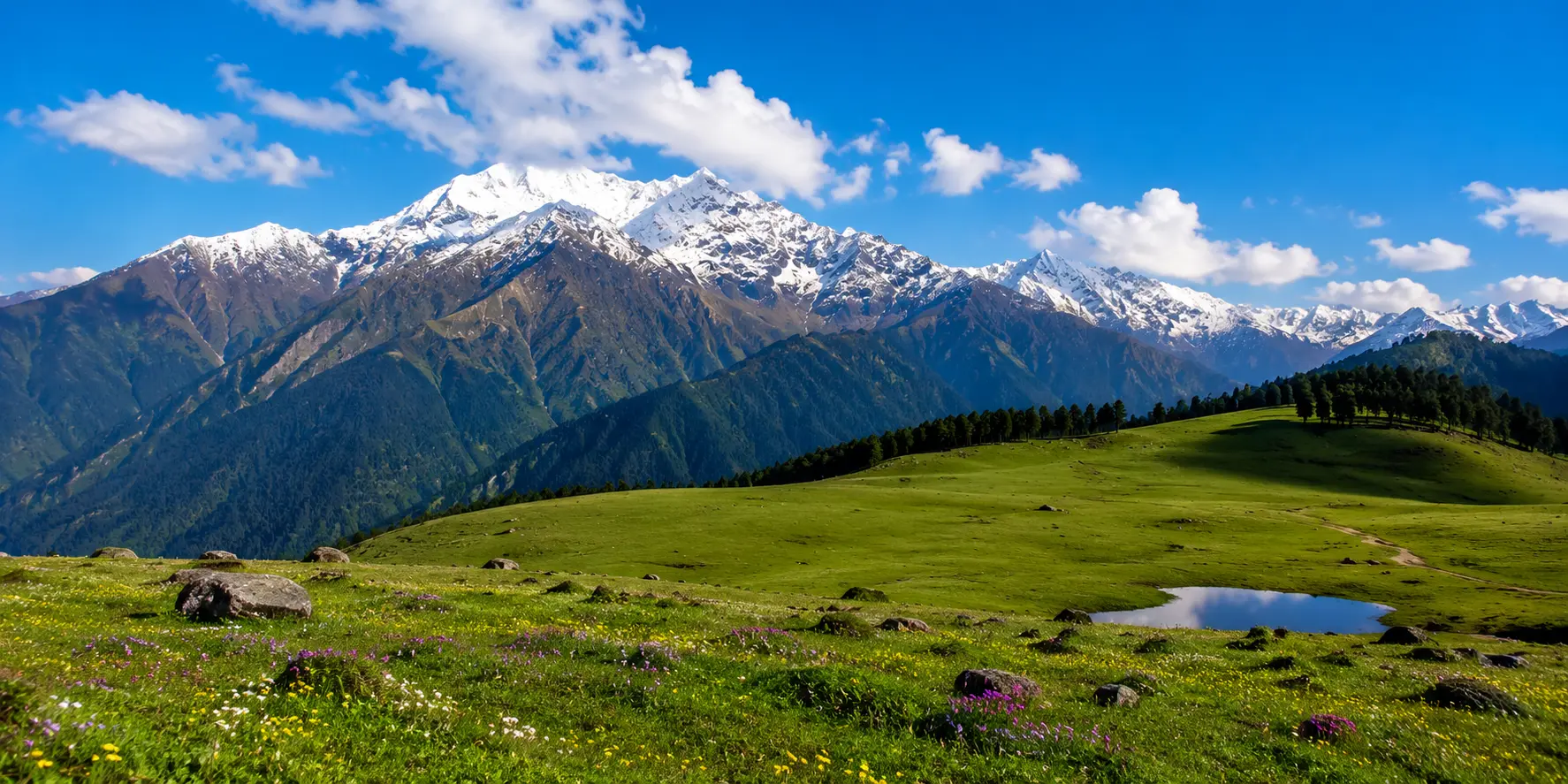
Some places in Uttarakhand are beautiful in photographs, but Dayara Bugyal is the kind of place that feels even more impressive when you experience it in person. Set high in the Garhwal Himalayas, this vast alpine meadow offers a changing landscape of dense oak and rhododendron forests, open green slopes, distant snow-capped peaks, and peaceful mountain villages. In winter, the meadows transform into a stunning snow-covered landscape, while summer and autumn bring lush grasslands dotted with grazing cattle and seasonal flowers.
The Dayara Bugyal Trek is also considered one of the more accessible Himalayan treks, making it a popular choice for both first-time trekkers and experienced hikers. The trek can be approached from villages such as Raithal and Barsu, with routes offering different experiences along the way. Whether you want to walk through green meadows, experience Himalayan snowfall, enjoy panoramic mountain views, or simply escape into nature, Dayara Bugyal offers an unforgettable trekking experience in Uttarakhand.
Dayara Bugyal at a Glance
- Location: Uttarkashi district, Uttarakhand
- Base Villages: Raithal and Barsu
- Trek Difficulty: Easy to Moderate
- Standard Trek Distance: Around 20 to 22 km
- Shorter Route Variations: Available from Raithal or Barsu
- Best Trekking Season: January to June and September to November
- Trek Duration: Usually 4 to 6 days, depending on the route
- Nearest Railway Station: Dehradun
- Nearest Airport: Jolly Grant Airport, Dehradun
- Accommodation: Homestays and camping
- Best For: Beginners, families, nature lovers, and trekkers
Where Is Dayara Bugyal Located?
Dayara Bugyal lies in the Garhwal Himalayas of Uttarakhand, surrounded by high mountain peaks, dense forests, and expansive alpine grasslands. The meadow sits in a remote Himalayan landscape where the scenery gradually changes from village settlements and forested slopes to wide-open mountain pastures.
The route takes you through oak and rhododendron forests before opening into the vast bugyal, where the landscape becomes more expansive and panoramic. In summer, the meadows are covered in green grass and seasonal vegetation, while winter brings snow across the slopes.
Its high-altitude setting gives Dayara Bugyal a distinctly different character in every season, which is one of the main reasons trekkers visit throughout the year.
Things to Do at Dayara Bugyal
Dayara Bugyal is not just about completing the trek. The open meadows, forests, mountain views and nearby villages offer plenty to enjoy along the way.
1. Trek Through the Alpine Meadows
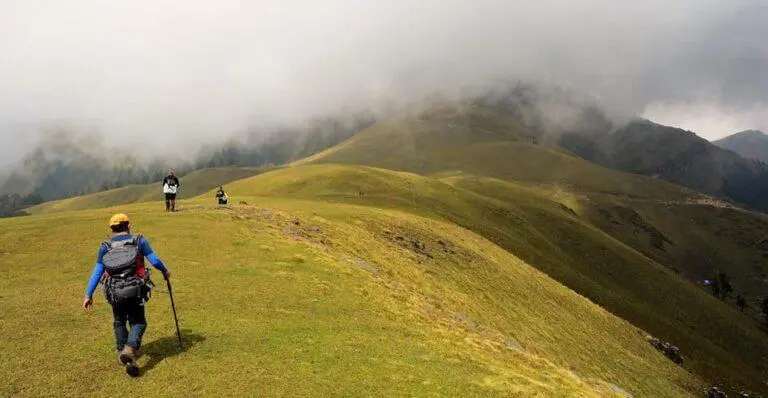
Walk across the vast Dayara Bugyal meadows and enjoy the changing Himalayan scenery. The contrast between forest trails and open grasslands is one of the highlights of the trek.
2. Camp Under the Himalayan Sky
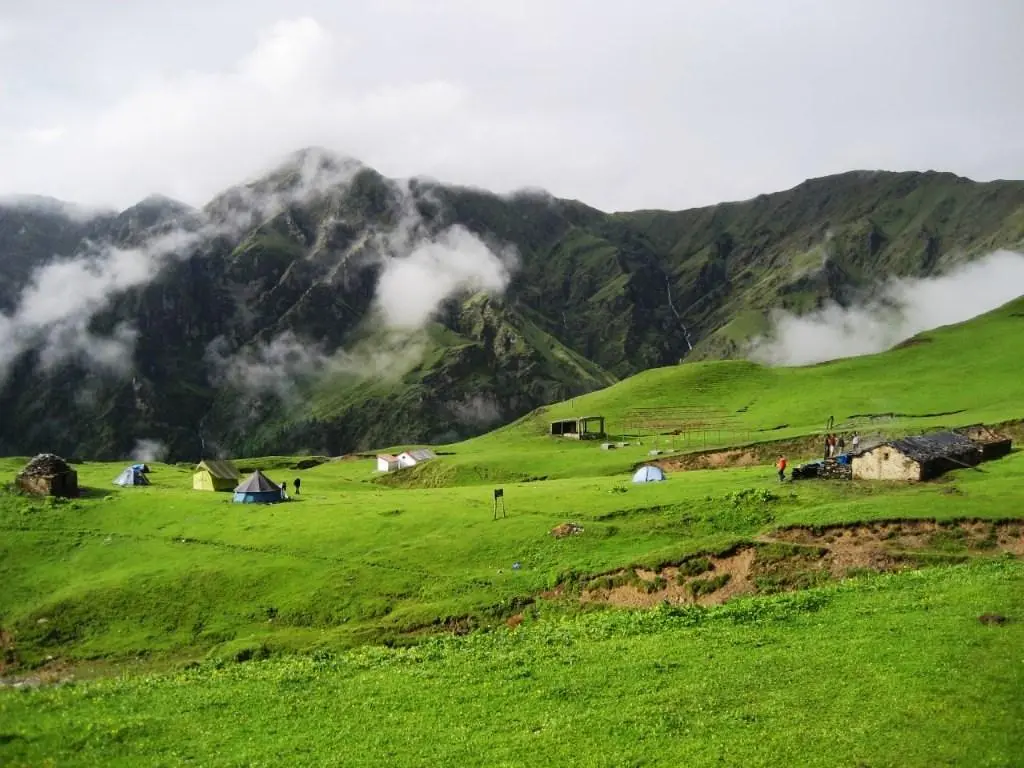
Spend a night camping in the mountains and experience the peaceful surroundings after sunset. Clear nights can offer beautiful views of the star-filled Himalayan sky.
3. Experience Snow in Winter
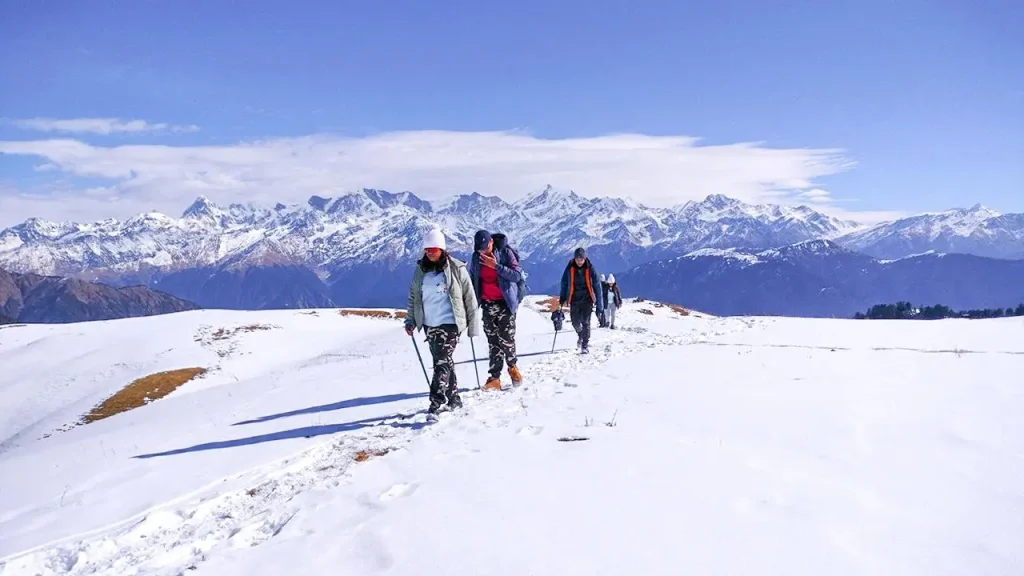
During winter, snow can cover the meadows and transform the landscape completely. When conditions are suitable, you can enjoy snow trekking, walking and photography.
4. Visit Raithal or Barsu
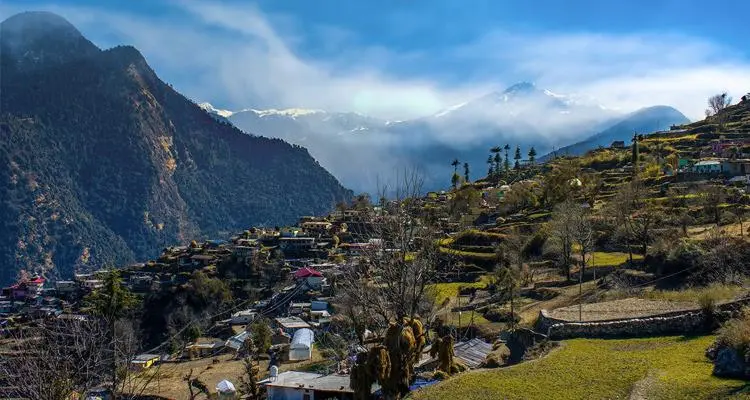
Take some time to experience the local Himalayan villages instead of using them only as trek starting points. Traditional homes, mountain scenery, apple orchards and local life add a cultural side to the trip.
5. Enjoy Himalayan Mountain Views
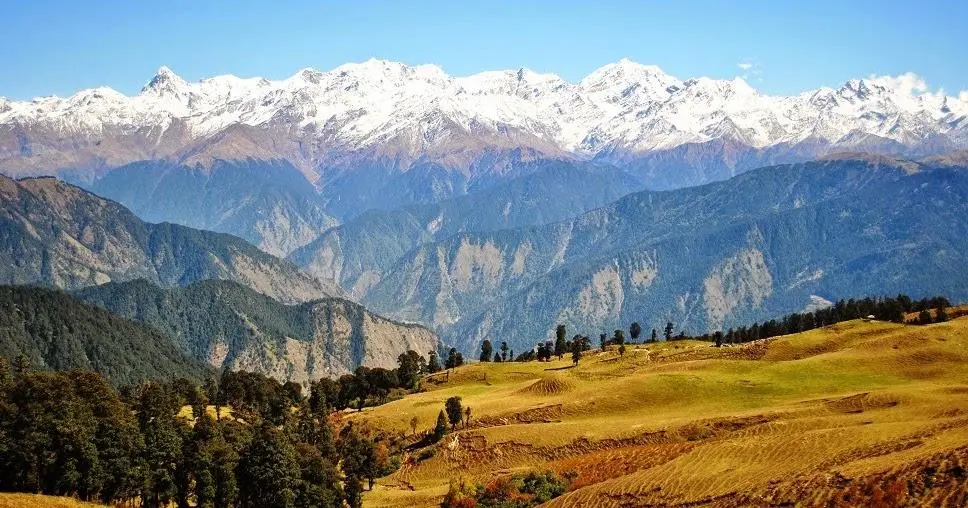
On clear days, the higher sections of the trek offer impressive views of peaks such as Bandarpoonch, Kala Nag and Srikanth, along with parts of the surrounding Himalayan ranges.
Why Is Dayara Bugyal Famous?
Dayara Bugyal is famous for its wide-open alpine meadows and dramatic Himalayan scenery. Unlike many treks where the main attraction is a summit or viewpoint, Dayara is about experiencing a changing mountain landscape throughout the journey.
The trail moves through oak and rhododendron forests before opening into expansive grasslands surrounded by the Garhwal Himalayas. Depending on the route and weather conditions, trekkers may see prominent peaks such as Bandarpoonch, Kala Nag, Srikanth and Jaonli, along with sections of the Gangotri range.
The landscape also changes significantly with the seasons. Summer brings green meadows and grazing livestock, while winter transforms the area into a snow-covered trekking destination.
Permits and Forest Rules for Dayara Bugyal
Before starting the trek, travellers should check the latest registration and forest-entry requirements for the Raithal or Barsu route. Rules and fees can change depending on the season and local forest regulations.
- Registration: Complete the required registration at the designated trailhead/checkpost.
- Forest Fee: A forest-entry fee may apply depending on the current rules.
- ID Proof: Carry a valid government-issued ID; foreign travellers should carry their passport and visa.
- Camping: Follow designated camping areas and avoid camping directly on sensitive meadow areas.
- Waste: Carry your waste back and do not leave plastic or other litter on the trail.
- Campfires: Avoid open fires and follow the campsite’s cooking and fire-safety rules.
- Drones: Do not fly drones without checking the required permissions from the relevant authorities.
Tip: If you are trekking with an organised operator, ask them whether registration, permits and forest fees are included in your trek package.
Dayara Bugyal Trek Distance and Height
The Dayara Bugyal Trek generally covers around 20–22 km on a round trip and reaches a maximum altitude of approximately 12,000 feet (3,658 metres). The exact distance can vary depending on whether you start from Raithal or Barsu and which sections of the trail are included in your itinerary.
Route Breakdown and Distances
A typical itinerary covers the trek in the following stages:
- Day 1: Raithal or Barsu to Gui Campsite: approximately 4–5 km
- Day 2: Gui to Dayara Bugyal Meadow: approximately 3–4 km
- Day 3: Explore Dayara Bugyal and surrounding areas
- Day 4: Continue towards higher sections such as Bakariya Top, if included, and begin the return journey
Dayara Bugyal Height
The main Dayara Bugyal meadow lies at approximately 2,600–3,500 metres (8,530–11,480 feet) above sea level. If the itinerary continues to higher points, the elevation increases further. Bakaria Top, for example, reaches approximately 12,400 feet (3,780 metres).
Key Trek Details
- Trek Distance: 20–22 km
- Standard Route: Approximately 21 km
- Dayara Bugyal Height: 2,600–3,500 metres
- Bakaria Top Height: Approximately 12,400 feet (3,780 metres)
- Duration: 4–6 days
- Difficulty: Easy to Moderate
Dayara Bugyal Trek Route
Dayara Bugyal can be reached through two main routes, Raithal and Barsu. Both approaches pass through forests and mountain meadows, but the trail experience and route sections are slightly different.
Raithal to Dayara Bugyal
Typical route: Raithal via Gui and Chilapada to Dayara Bugyal/Dayara Top, followed by Nayata and Raithal
The Raithal route begins with a gradual climb through oak and rhododendron forests. After Gui, the trail continues towards Chilapada before opening into the wide meadows of Dayara Bugyal. Depending on the itinerary, trekkers can continue to Dayara Top before descending towards Nayata and Raithal.
Barsu to Dayara Bugyal
Typical route: Barsu via Bharnala Bugyal to the Dayara area, with Bakariya Top as an optional extension
This approach passes through forest trails and Bharnala Bugyal before reaching the open meadows of Dayara. Trekkers can continue towards higher points such as Bakariya Top if included in their itinerary. The route combines Himalayan scenery with a quieter rural landscape.
Dayara Bugyal Trek Itinerary
A typical 4-day, 3-night Dayara Bugyal Trek follows the Raithal route and combines a drive to the base village with two days of trekking and a final return to Dehradun. The itinerary can vary slightly depending on weather, campsite arrangements and the exact route.
Day 1: Dehradun to Raithal
Drive from Dehradun to Raithal, covering approximately 183 km in 7–8 hours. The journey passes through mountain towns and the Bhagirathi Valley before reaching the base village.
Stay: Homestay or guesthouse in Raithal
Day 2: Raithal to Gui
Begin the trek from Raithal and climb gradually through oak, maple and rhododendron forests. The walk to Gui is around 4 km and usually takes 4–5 hours.
Stay: Gui campsite
Day 3: Gui to Dayara Bugyal and Back
This is the main trekking day. The trail moves from Gui through forest before opening into the vast meadows of Dayara Bugyal. Depending on the itinerary and conditions, you can continue towards Dayara Top or Bakaria Top for wider Himalayan views before returning to Gui.
Distance: Approximately 7 km
Stay: Gui campsite
Day 4: Gui to Raithal and Dehradun
Descend from Gui to Raithal, covering around 4 km, and then begin the drive back to Dehradun. The return journey generally takes 7–8 hours, so reaching Dehradun may be in the evening.
Trek: Approximately 4 km
Drive: Approximately 183 km
How Difficult Is the Dayara Bugyal Trek?
The Dayara Bugyal Trek is generally rated easy to moderate, making it a good choice for beginners with reasonable fitness. However, the trek still involves uphill walking, uneven trails, changing weather and high-altitude conditions. Winter can make the route more challenging when snow covers the trail.
Is Dayara Bugyal Good for Beginners?
Yes. You do not need technical mountaineering experience, but basic preparation is recommended. Regular walking, jogging, stair climbing and simple leg-strengthening exercises can help you handle the climbs more comfortably.
Best Time to Visit Dayara Bugyal
The main trekking seasons are generally January to June and September to November, but the best time depends on the experience you want.
Winter: December to March
Best for snow-covered meadows, winter photography and snow experiences. The landscape can be heavily covered in snow, making the trek more demanding.
Spring: March to April
A beautiful transition period when the snow begins to recede and the landscape starts turning greener.
Summer: May to June
Ideal for green meadows, pleasant trekking conditions and first-time trekkers. The weather is generally more comfortable than in winter.
Monsoon: July to August
Rain can make trails slippery and affect road conditions. Check weather and local travel conditions before planning a monsoon trek.
Autumn: September to November
Known for clearer skies and excellent Himalayan views, making it a good season for photography and mountain panoramas.
How to Reach Dayara Bugyal
Reaching Dayara Bugyal involves travelling by road to Raithal or Barsu, followed by the trek to the meadows. Dehradun is the most convenient starting point for most travellers.
By Road
From Delhi, the journey follows Delhi to Dehradun, Rishikesh, Uttarkashi and Bhatwari, before continuing to Raithal or Barsu.
- Delhi to Dehradun: Approximately 250 km
- Dehradun to Uttarkashi: Approximately 145 km
- Uttarkashi to Raithal: Approximately 40 km
- Uttarkashi to Barsu: Approximately 45 km
By Train
Dehradun Railway Station is the nearest convenient railhead. From Dehradun, continue by road to Uttarkashi and then towards Raithal or Barsu.
Rishikesh Railway Station is another option for reaching Uttarkashi.
By Air
Jolly Grant Airport, Dehradun is the nearest major airport. From the airport, continue by road towards Uttarkashi and your chosen trek base.
By Bus
Buses and shared vehicles are available from Dehradun and Rishikesh to Uttarkashi. From Uttarkashi, local buses, shared jeeps and taxis can take you to Raithal or Barsu.
Final Trek to Dayara Bugyal
The road journey ends at Raithal or Barsu. From there, the remaining distance to Dayara Bugyal is covered on foot, with the exact trekking distance depending on the route and itinerary.
Where to Stay Near Dayara Bugyal?
Accommodation depends on where you are in the journey.
You can generally find:
- Homestays in Raithal
- Local stays around Barsu
- Camping arrangements on the trekking route
- Hotels and guesthouses in Uttarkashi
Uttarakhand Tourism lists homestays and camping as the primary accommodation options for the trek. Do not expect regular hotels once you are on the trekking route.
If you are travelling independently, confirm your accommodation before reaching the base village, especially during busy trekking months.
Do You Need a Guide for Dayara Bugyal?
For first-time Himalayan trekkers, going with an experienced guide or organised trekking group is usually the better option.
A guide can help with:
- Route navigation
- Campsite planning
- Weather decisions
- Safety
- Local knowledge
- Managing unexpected situations
Experienced trekkers may prefer independent travel, but they should be comfortable with route planning and changing mountain conditions.
Before travelling independently, also confirm current local rules and any permissions that may apply to the route.
What to Pack for Dayara Bugyal Trek
Do not pack your entire wardrobe. The best approach is to carry layers that can be added or removed according to the weather.
Clothing
- Thermal layers for colder months
- Fleece or warm mid-layer
- Waterproof or windproof jacket
- Trekking pants
- Extra socks
- Gloves
- Woollen cap
- Sun cap
Trekking Gear
- Good trekking shoes
- Backpack
- Rain cover
- Water bottle
- Sunglasses
- Headlamp
- Trekking pole
Personal Essentials
- Sunscreen
- Lip balm
- Basic medicines
- Toiletries
- Power bank
- Government ID
During winter, add warmer gloves, better insulation and suitable footwear for snowy conditions.
Important Travel Tips for Dayara Bugyal
A little preparation can make the Dayara Bugyal Trek safer and more enjoyable. Keep these practical points in mind before you leave.
- Prepare Your Fitness: Start walking regularly a few weeks before the trek. Include stairs, uphill walking and basic leg exercises to build stamina.
- Pace Yourself: Do not rush, especially at higher elevations. Maintain a comfortable pace and take regular breaks when needed.
- Stay Hydrated: Carry enough water and drink regularly, even when the cold weather reduces your thirst.
- Check Weather and Road Conditions: Mountain weather and road conditions can change quickly. Check the latest updates before starting your journey.
- Respect the Environment: Avoid littering and carry your waste back with you. Stay on designated trails and avoid disturbing local wildlife or vegetation.
- Keep a Buffer Day: If you have a flight or train after the trek, keep an extra day in your schedule. Delays caused by weather or mountain road conditions are possible.
Is Dayara Bugyal Worth Visiting?
Yes, especially for travellers looking for a scenic Himalayan trek without technical climbing. The journey combines village life, forest trails, camping and expansive mountain meadows in a single trip.
The experience also changes with the seasons. Winter brings snow, summer turns the meadows green, and autumn often offers clearer mountain views. This seasonal variety makes Dayara Bugyal worth experiencing at different times of the year.
Final Thoughts
The Dayara Bugyal Trek offers a rewarding introduction to the Himalayas without requiring advanced trekking skills. From the villages of Raithal or Barsu to the forests and wide-open bugyals, every section adds something different to the journey.
Rather than rushing to the highest point, take time to enjoy the trail, the campsites and the changing mountain landscape. That is what makes Dayara Bugyal more than just another trekking destination.
Frequently Asked Questions
A 4-day, 3-night itinerary is usually enough for the standard trek.
Yes, camping is available at designated campsites along the trekking route.
Carry trekking shoes, warm clothes, rain gear, water, sunscreen, medicines and basic trekking essentials.
Mobile connectivity can be limited or unavailable in some higher and forested sections.
A guide is not always necessary, but beginners can benefit from travelling with an experienced local guide.
Requirements can vary by route and season, so check the latest local regulations before trekking.
People are also reading: