
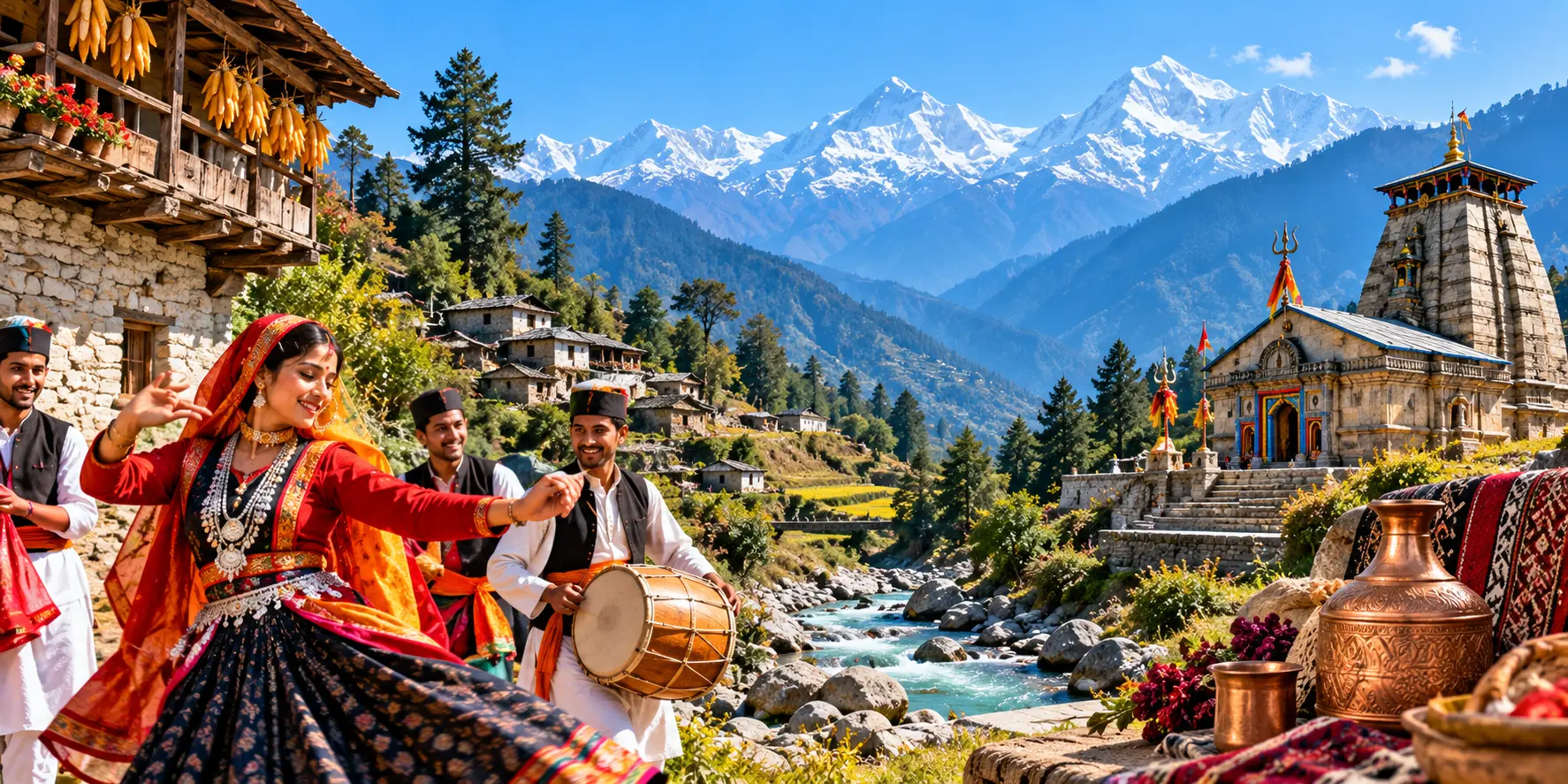
Uttarakhand, known as Devbhumi or the Land of the Gods, is famous for its mountains, temples, rivers, and rich cultural heritage. The state’s culture is closely connected to nature, religion, and local traditions. From the temples of Kumaon and Garhwal to traditional clothes, folk music, festivals, and local food, every part of Uttarakhand has its own cultural identity.
Traditional crafts and textiles are also an important part of Uttarakhand’s heritage. According to the 4th All India Handloom Census (2019–20), the state had 12,561 handloom workers, including 7,967 weavers and 4,594 workers involved in related activities. These people help keep traditional weaving skills alive.
Traditional clothing, jewellery, and art also tell stories about the state’s culture. The yellow Rangwali Pichhaura worn by Kumaoni women during weddings, the colourful patterns of Aipan art, and warm woollen clothes reflect local customs and mountain life. Traditional household objects such as the Gagri, used for storing and carrying water, and stone-built Naulas, which served as traditional water sources, also reflect the everyday life and water traditions of Uttarakhand. Folk dances, festivals, traditional houses, and regional dishes are other important parts of the state’s heritage.
Although lifestyles have changed over time, many traditions are still followed during weddings, festivals, and religious events. This guide covers Uttarakhand’s heritage, traditional dress, textiles, jewellery, folk art, architecture, cuisine, and spiritual traditions.
Three Traditional Crafts That Tell Uttarakhand’s Story
Uttarakhand’s traditional crafts are different from one another. Each has its own purpose, materials, and connection to local life.
- Rangwali Pichhoda: Closely linked to Kumaoni weddings and religious occasions, this yellow or saffron garment is recognised for its red decorative designs.
- Aipan: This Kumaoni folk art uses white patterns on a red background. It is traditionally used to decorate spaces during religious and family ceremonies.
- Bhotia Dann: This hand-knotted woollen carpet is associated with the Shauka or Bhotiya community and the higher Himalayan regions.
These crafts serve different purposes. One is worn during special occasions, another decorates ritual spaces, and the third reflects the region’s wool-working traditions. Together, they show the variety of skills and customs found across Uttarakhand.
Traditional Clothing and Ethnic Wear of Uttarakhand
Traditional clothes in Uttarakhand differ from one region to another. The weather, local customs, and type of occasion all influence what people wear.
Modern clothes are common across the state, but traditional outfits still have a special place at weddings, festivals, and family celebrations.
Women’s Traditional Attire
Women’s traditional clothing includes long skirts, blouses, shawls, and garments worn over the head or shoulders. The styles vary across communities, but the Kumaoni Pichhaura is one of the best-known traditional garments.
1. Rangwali Pichhaura
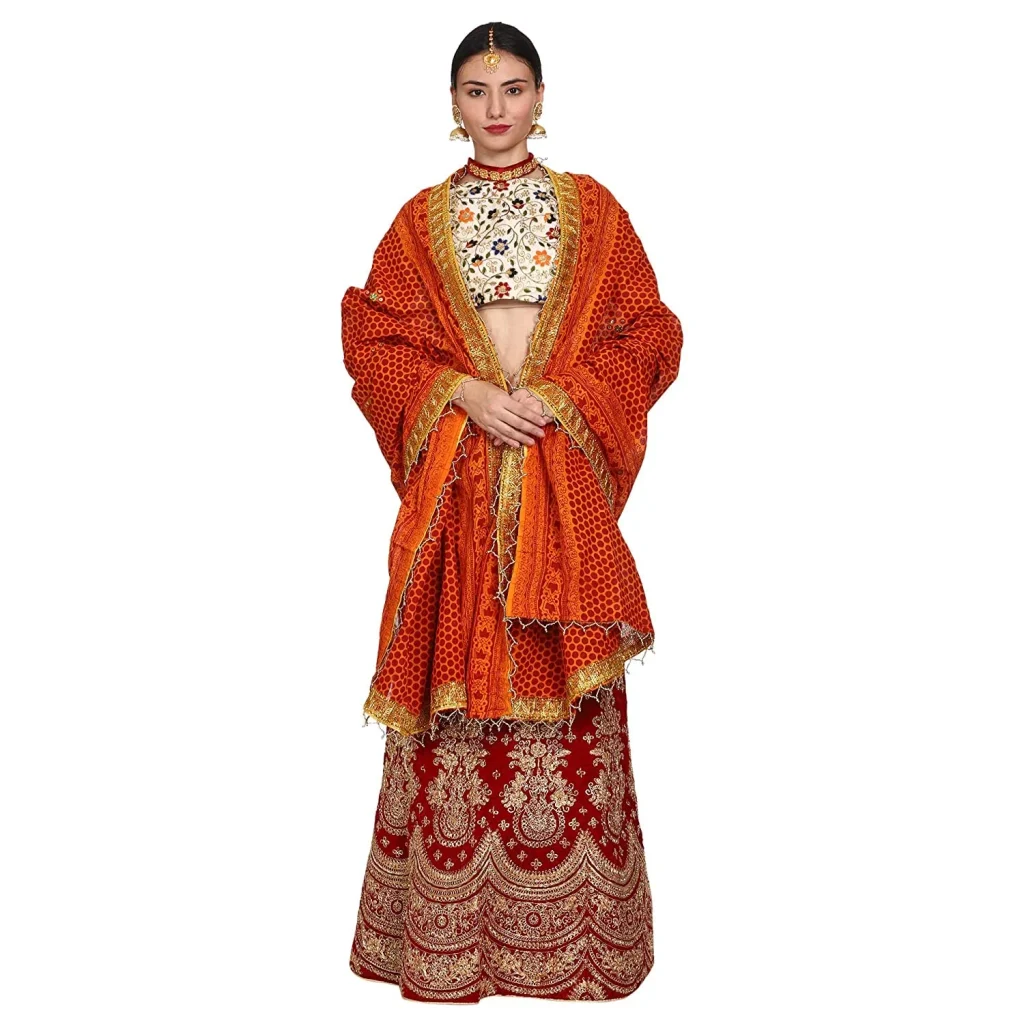
The Rangwali Pichhaura is a traditional garment closely linked to Kumaoni women. It is usually yellow or saffron, with red designs and borders. Women often wear it during weddings, pujas, and other special occasions.
The Pichhaura is more than just a piece of clothing. It has an important place in Kumaoni wedding customs and religious ceremonies.
In the past, families often prepared Pichhauras at home. Today, they are also sold by local makers and shops. Some are handmade, while others are made using machines. The fabric, design, and quality can vary.
If you want to buy a Pichhaura, ask the seller about the fabric, how it was made, and where it came from.
2. Ghagra or Ghagri
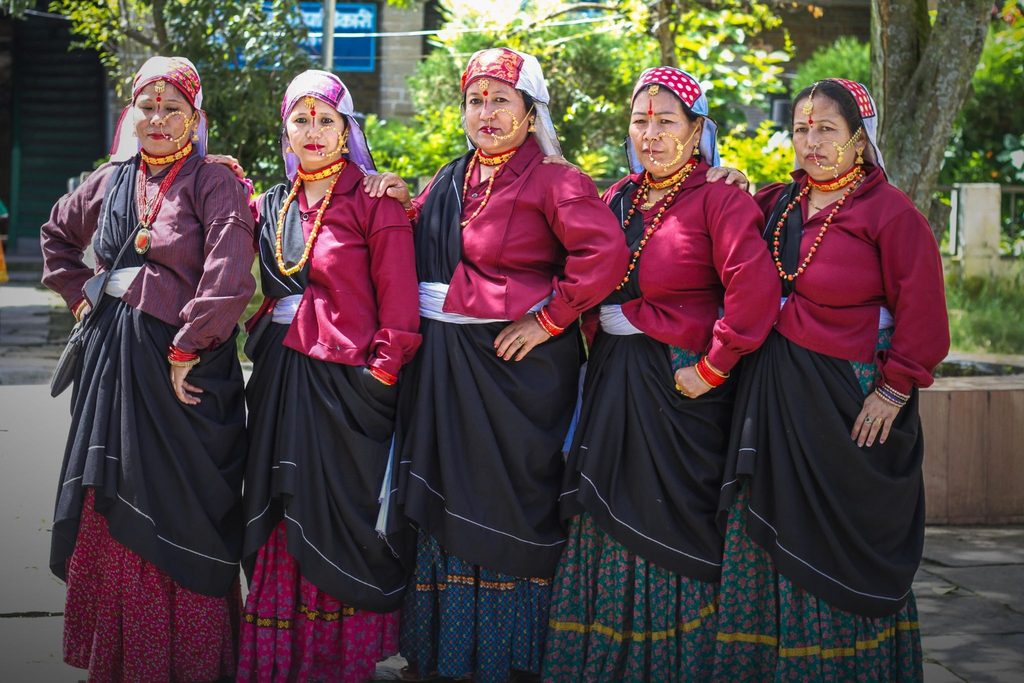
The Ghagra or Ghagri is a long skirt worn as part of traditional women’s clothing in some parts of Uttarakhand. It may be paired with a blouse and, depending on the local style, a shawl or head covering.
The design and fabric can differ from one community to another. Modern versions may use new fabrics and styles while keeping some traditional features.
Not every woman in Uttarakhand wears the same traditional outfit. Clothing choices depend on the region, family customs, and occasion.
3. Traditional Blouses and Shawls
Blouses are worn with skirts and other traditional garments. Their designs can vary depending on local customs and personal choice.
Woollen shawls are especially useful in colder parts of Uttarakhand. They keep people warm and can be worn with everyday clothes or traditional outfits.
Some shawls have simple designs, while others feature colourful patterns. Their style and material depend on the maker and the region.
Men’s Traditional Attire
Men’s traditional clothing also varies across Uttarakhand. Kurta-pyjamas, dhotis, waistcoats, woollen jackets, and traditional caps may be worn during religious events, weddings, and cultural programmes.
Some common clothing items include:
- Kurta and pyjama: Often worn at family functions and religious events.
- Dhoti: Part of traditional clothing in some communities.
- Woollen jackets and waistcoats: Useful in cold weather and suitable for some festive occasions.
- Pahari topi: Traditional headwear worn by some communities during special events.
- Woollen shawls and sweaters: Common winter clothing in colder areas.
There is no single traditional outfit worn by all men in Uttarakhand. Styles differ across regions, and people choose clothes according to the weather and occasion.
Traditional Jewellery of Uttarakhand
Jewellery is an important part of traditional clothing, especially during weddings and family celebrations. Some jewellery styles are closely linked to Kumaon or Garhwal, while others are found in different parts of North India.
1. Nath
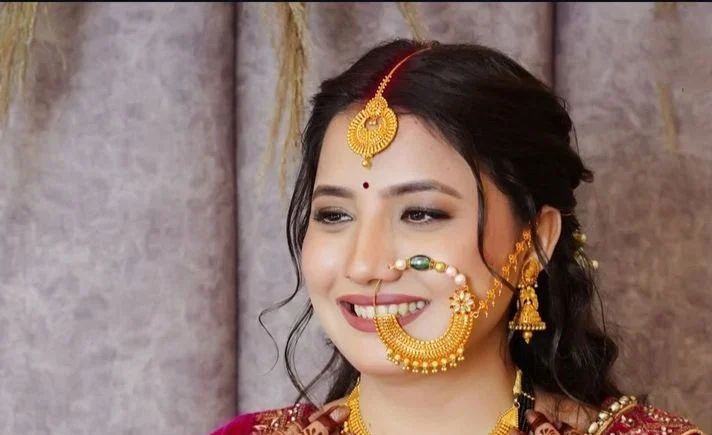
The Nath is a traditional nose ring worn with bridal clothing. It can be large and decorated, although its design varies by region.
The Tehri Nath is a well-known style associated with Garhwal. It is often worn as part of a traditional bridal look.
2. Guloband
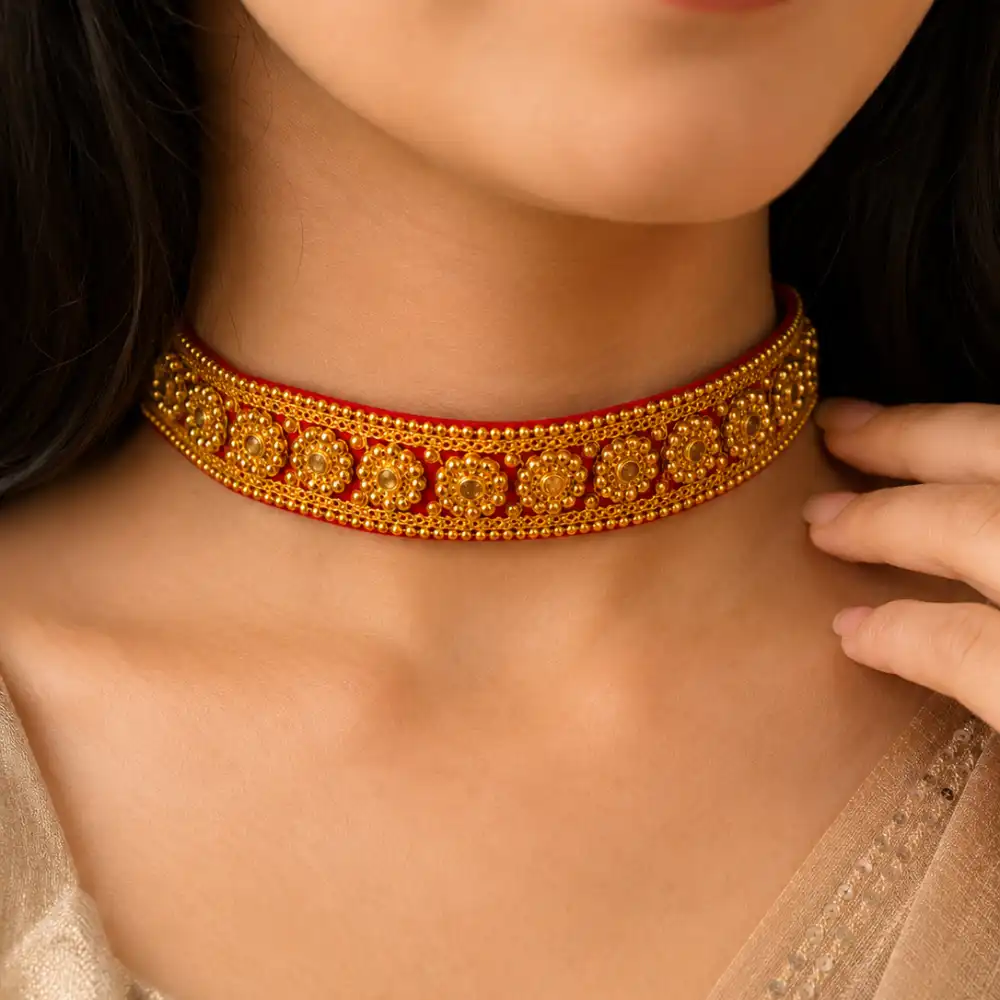
The Guloband is a close-fitting necklace associated with Kumaoni jewellery. Traditional designs may have gold pieces arranged on a fabric base.
It is often worn with traditional clothing, particularly for weddings and other special occasions.
3. Pauchi
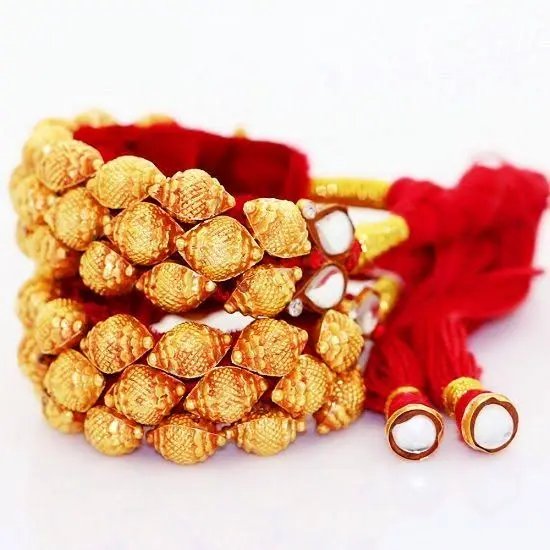
The Pauchi is a traditional bracelet associated with Kumaon. It may feature small gold beads arranged on a fabric base.
The design can vary, and modern versions may look different from older pieces.
4. Hansuli
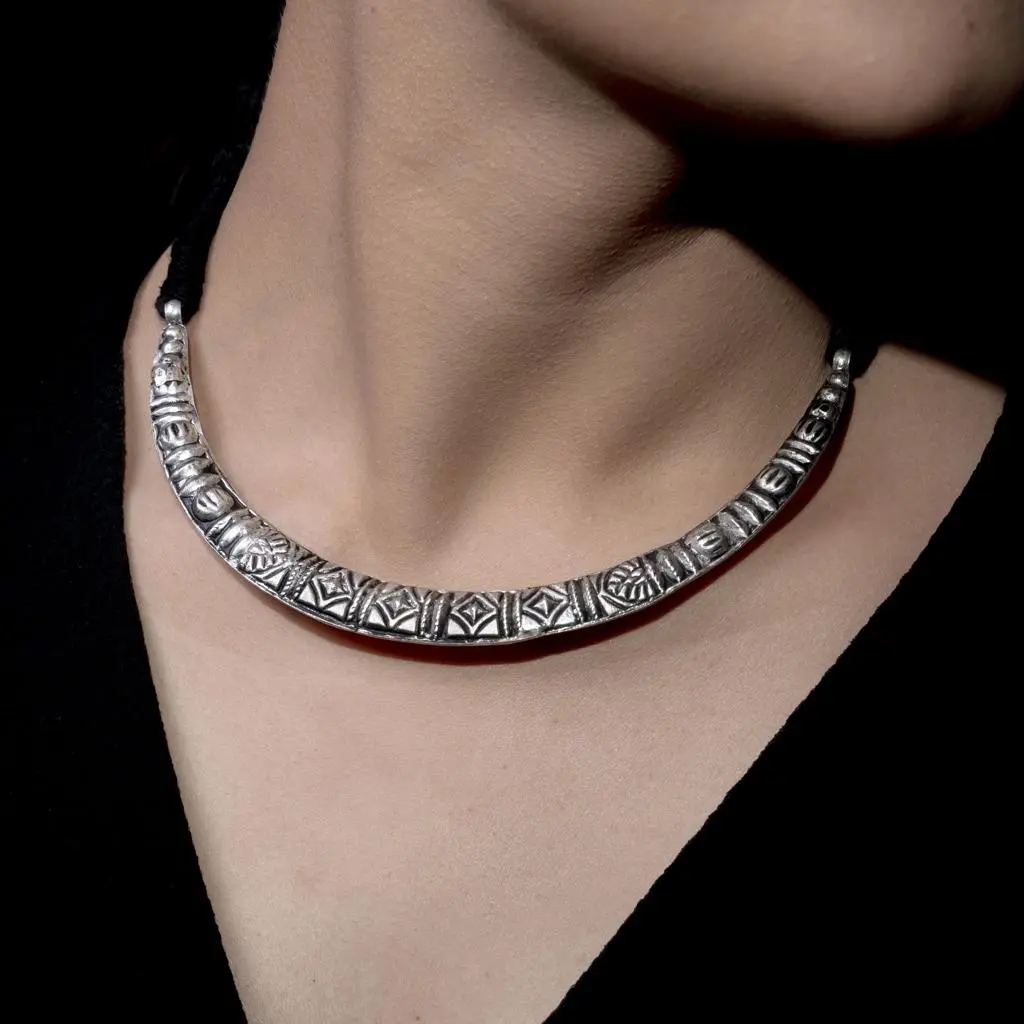
The Hansuli is a curved, rigid necklace found in several North Indian communities, including parts of Uttarakhand. Traditional pieces may be made from silver or gold.
Other Traditional Ornaments
Traditional jewellery may also include earrings, bangles, toe rings, and other necklaces. The pieces worn depend on the person’s region, family customs, and the occasion.
Some families pass jewellery down through generations. These pieces can hold special memories and family meaning, along with their value as ornaments.
Regions and Spiritual Traditions
Garhwal and Kumaon: Two Cultural Regions
Uttarakhand has two main cultural and historical regions, Garhwal and Kumaon. Both regions have their own customs, festivals, religious practices, folk traditions, and styles of clothing. Their culture has developed over generations and reflects the influence of mountain life, local beliefs, and the natural surroundings.
Garhwal is home to famous pilgrimage sites such as Kedarnath and Badrinath, while Kumaon is known for Jageshwar Dham, an ancient group of temples surrounded by forests. These sacred places attract pilgrims from different parts of India. Local temples, village shrines, and religious fairs also play an important role in community life. Together, these traditions make Garhwal and Kumaon important parts of Uttarakhand’s cultural identity.
Jagar and Oral Traditions
Jagar is a traditional form of devotional singing and ritual worship practised in parts of Uttarakhand. It involves folk songs, music, and ceremonies connected with local deities and ancestral beliefs. During a Jagar ceremony, a traditional singer, often called a jagariya, leads the singing, sometimes accompanied by instruments such as the dhol and damau.
Oral traditions are also important in preserving the region’s cultural heritage. Folk stories, local legends, and tales about deities are passed from older generations to younger ones through songs and storytelling. These practices help communities maintain their traditional beliefs and keep their cultural history alive.
Uttarakhand Textiles, Crafts and Traditional Art
Uttarakhand has several traditional crafts made using materials such as wool, bamboo, wood, and natural colours. These crafts often reflect local needs and skills passed down through generations.
Woollen products are especially important in the higher Himalayan regions, while Aipan is one of the best-known folk art traditions of Kumaon.
Wool Weaving in the Himalayan Regions
People in the higher Himalayan valleys have a long history of working with wool. Bhotiya communities are associated with products such as blankets, carpets, shawls, and other woollen goods.
Making these products takes time and skill. Depending on the item, the work may include preparing wool, spinning yarn, weaving the material, tying knots, and finishing the surface.
Thulma blankets and Bhotia Dann carpets are two examples of traditional woollen crafts from Uttarakhand.
Thulma
Thulma is a thick woollen blanket associated with Uttarakhand’s Himalayan craft traditions. It is known for its warmth and is useful in cold mountain weather.
The material and production methods can vary. If you are buying a Thulma, ask the maker about the wool, how the blanket was made, and where it was produced.
Thulma is also listed among Uttarakhand’s registered geographical indications.
Bhotia Dann
Bhotia Dann is a traditional woollen carpet associated with the Shauka or Bhotiya community. The craft is linked to Himalayan areas such as Munsiyari, Dharchula, and the Niti-Mana region.
Making a Bhotia Dann carpet involves preparing the wool, setting up the base, tying knots to create the surface, and finishing the carpet. The work requires patience and careful attention to detail.
The designs may include geometric shapes, flowers, and other patterns linked to local craft traditions. Each carpet reflects the materials and skills used by its maker.
Bhotia Dann received its geographical indication registration certificate in September 2021. This recognition connects the craft with its regional identity and traditional production.
You can read more from the Office of the Development Commissioner (Handicrafts)
Woollen Shawls and Other Fabrics
Woollen shawls, wraps, and fabrics are useful in colder parts of Uttarakhand. Some are simple and made for everyday use, while others have colourful patterns.
Their material and design depend on the maker and the type of product.
When buying woollen goods, check the fibre content and ask where the item was made. A product labelled Himalayan or Pahari is not always made locally in Uttarakhand.
Hand-Knitted Woollens
Sweaters, socks, caps, gloves, and scarves are useful during Uttarakhand’s colder months. Some people knit them at home, while local makers and shops sell them to customers.
Hand-knitted products come in different colours, patterns, and materials. Some are made for everyday use, while others are designed as gifts or winter accessories.
If you want to support local makers, ask about the yarn, care instructions, and place of production. These simple questions can help you understand what you are buying.
Aipan Art of Kumaon
Aipan is a traditional folk art associated with the Kumaon region. It is used to decorate homes and special spaces during religious ceremonies and family occasions.
Traditional Aipan designs are usually made with white rice paste on a red background prepared using geru, a red earth pigment. The patterns may include lines, shapes, and symbols connected with different rituals.
Aipan is often seen during pujas, weddings, and other important family events. Different designs may be used for different occasions, so the art can have meaning beyond decoration.
Today, Aipan designs are also used on trays, wall hangings, cards, bags, and home decor items. These products help introduce the art to people who may not have seen it in its traditional setting.
Uttarakhand Aipan is listed as a registered geographical indication. To learn more about its designs and uses, visit the official handicrafts page for Aipan or read the Incredible India guide to Aipan art.
Ringal and Other Local Crafts
Ringal is a type of mountain bamboo used to make traditional products in parts of Uttarakhand. Artisans use it to create baskets and other useful household items.
Woodwork and metal crafts are also part of the state’s craft traditions. These products use different materials and methods, but many share a connection to local skills and everyday needs.
When learning about a craft, it is useful to know which region it comes from and who makes it. This gives a clearer picture of Uttarakhand’s different craft traditions.
Gagri: A Traditional Water Vessel
The Gagri is a traditional vessel used for storing and carrying water in Uttarakhand. In many households, it was part of everyday life, helping people collect water from nearby naulas, springs, and other water sources. Traditional gagris could be made from metal, with their shape and material varying according to local customs and household use.
The gagri reflects an older way of life in the Himalayan villages, where collecting and storing water was an important daily activity. Along with other traditional household objects, it offers a glimpse into the practical knowledge and customs passed down through generations.
Although modern containers are now widely used, the gagri remains a familiar symbol of traditional household life in Uttarakhand.
Women’s Role in Traditional Crafts
Women play an important role in India’s handloom and handicraft sectors. According to the Ministry of Textiles, women accounted for 72.29% of India’s handloom workforce in the 2019–20 Handloom Census. In Uttarakhand, the census recorded 8,595 women handloom workers. The state also had 30,326 registered women handicraft artisans, according to government figures published in March 2022. These figures highlight women’s contribution to preserving traditional skills and supporting craft-based livelihoods.
Uttarakhand’s Cultural Heritage and Spiritual Traditions
Uttarakhand, often called Devbhumi or the Land of the Gods, has a rich cultural heritage shaped by Himalayan life, religious beliefs, and local traditions. Garhwal and Kumaon are the state’s two main cultural regions, each known for its customs, folk practices, and traditional celebrations.
Temples such as Kedarnath, Badrinath, and Jageshwar Dham hold religious significance for devotees. Alongside these pilgrimage sites, village traditions preserve stories about local deities, ancestors, and sacred places.
Jagar is a traditional form of devotional singing and ritual invocation practised in parts of Uttarakhand. It combines folk music, storytelling, and local beliefs, helping communities preserve their spiritual traditions across generations.
Festivals and Fairs of Uttarakhand
Festivals in Uttarakhand reflect the region’s religious beliefs, agricultural practices, and close connection with nature. Many celebrations bring families and communities together through rituals, folk music, traditional food, and cultural performances.
- Harela: A traditional Kumaoni festival associated with greenery, agriculture, and the arrival of a new seasonal cycle.
- Phool Dei: A spring festival in which children place flowers at doorsteps and offer wishes for prosperity and well-being.
- Nanda Devi Raj Jat: A major traditional pilgrimage held in honour of Goddess Nanda Devi, associated with the Garhwal-Kumaon Himalayan region.
- Kumbh Mela: A major Hindu religious gathering held periodically in Haridwar, attracting pilgrims from across India and beyond.
These festivals help preserve local customs and provide opportunities for people to celebrate their shared cultural identity.
Folk Music, Dance and Traditional Art
Folk music and dance are important parts of Uttarakhand’s cultural life. They feature during weddings, religious ceremonies, seasonal festivals, and community gatherings. Different regions have their own performance styles, stories, and musical traditions.
- Chholiya: A traditional Kumaoni sword dance commonly associated with wedding processions.
- Jhumelo: A regional folk dance performed during cultural celebrations.
- Langvir Nritya: A traditional acrobatic dance associated with Garhwal.
- Pandav Nritya: A religious performance tradition based on episodes from the Mahabharata.
Traditional instruments such as the dhol, damau, and turri contribute to the distinctive sound of regional folk performances. Through music, dance, and storytelling, local communities continue to pass down their history, beliefs, and customs.
Traditional Cuisine of Uttarakhand
Uttarakhand’s cuisine reflects its mountain climate, local agriculture, and everyday food traditions. Many dishes use lentils, leafy greens, millets, and locally available ingredients. Recipes and cooking methods vary between Garhwal, Kumaon, and individual households.
- Kafuli: A thick green preparation commonly made with leafy vegetables such as spinach and fenugreek.
- Bhatt ki Chudkani: A traditional Kumaoni dish prepared with black soybeans.
- Chainsoo: A Garhwali dish made with roasted and ground black gram or other lentils, depending on the recipe.
- Aloo Gutuk: A Kumaoni-style spiced potato dish often served with traditional meals.
- Bal Mithai: A popular sweet from Uttarakhand made with roasted khoya and coated in small white sugar balls.
- Mandua and Jhangora: Finger millet and barnyard millet used to prepare traditional rotis, porridge, and other local dishes.
These foods remain an important part of regional identity and are enjoyed during everyday meals, family gatherings, and festive occasions.
Traditional Architecture of Uttarakhand
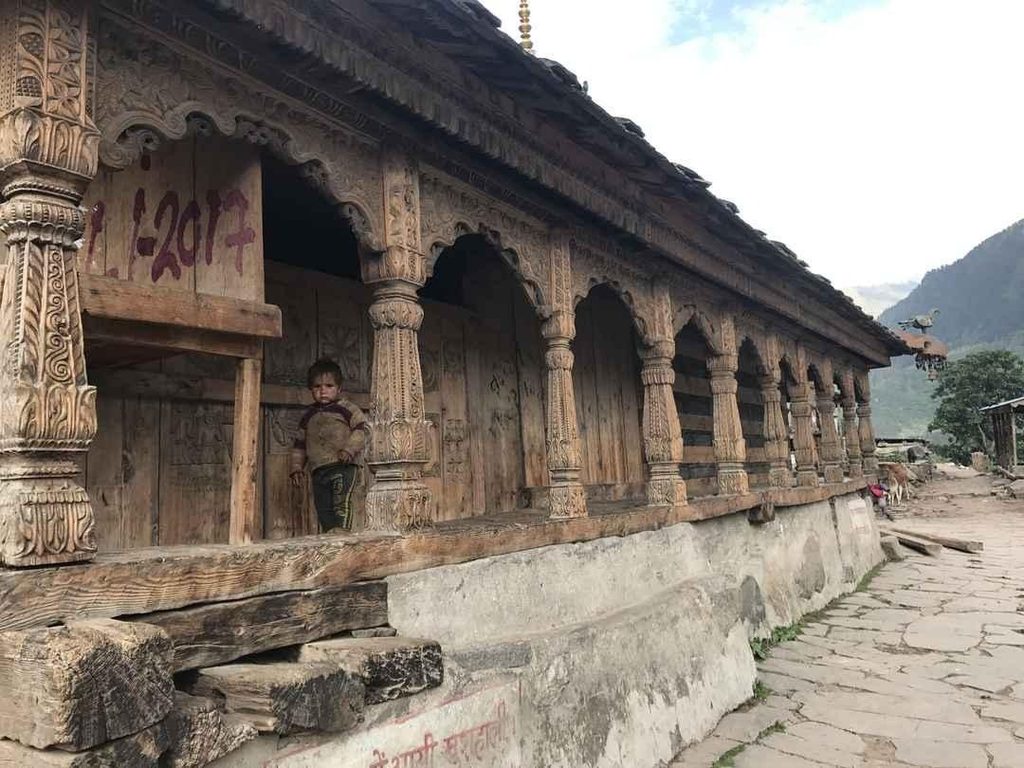
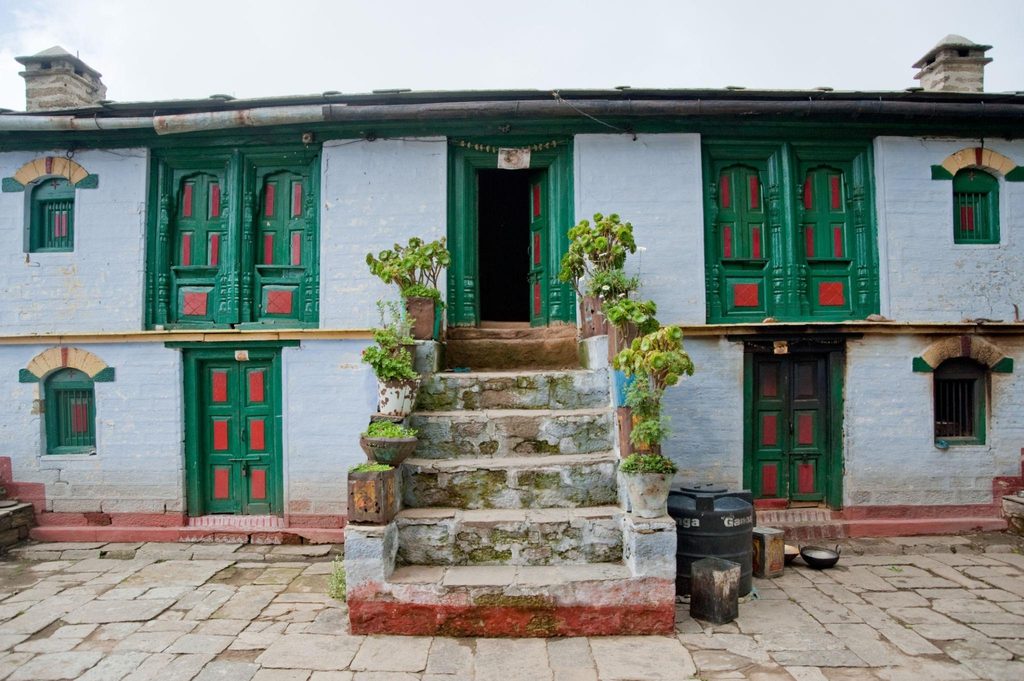
Traditional Himalayan houses reflect the materials available locally and the need to adapt to mountain weather.
Stone, timber, and locally sourced materials have been used in different regional building styles. The Kath-Kuni technique, particularly associated with the western Himalayas, combines timber and stone in interlocking layers. It is important to describe this as a wider Himalayan architectural tradition rather than a style exclusive to all of Uttarakhand.
Traditional houses also reflect local craftsmanship, practical building knowledge, and the relationship between communities and their surroundings.
Naula: Traditional Water Sources of Uttarakhand
A Naula is a traditional stone-built water structure commonly found in the Kumaon region of Uttarakhand. These structures were designed to collect and protect spring water for everyday use. Many naulas feature stone walls and steps leading down to the water.
For generations, naulas have served as important water sources in mountain villages. Some are also connected with local beliefs and religious traditions. They reflect the traditional knowledge of water management and remain an important part of Uttarakhand’s architectural and cultural heritage.
Cultural Traditions Behind Uttarakhand’s Clothing
Traditional clothing is shaped by more than fashion. The weather, daily life, family customs, and religious practices all influence what people wear.
The Influence of Mountain Life
The weather in Uttarakhand changes from one area to another. Lower valleys may have milder winters, while higher villages can experience much colder conditions.
Warm clothing such as sweaters, jackets, shawls, and woollen socks is useful in these areas. Wool has also played an important role in the textile traditions of Himalayan communities.
However, weather is only one part of the story. Wedding customs, religious ceremonies, and regional identity also influence traditional clothing.
Festivals and Weddings
Weddings are important occasions for wearing traditional clothes and jewellery. In Kumaon, the Pichhaura is closely linked to wedding and religious customs. Traditional ornaments may also be part of a bridal outfit.
Festivals offer another chance to see regional clothing and cultural practices. Harela, celebrated in Kumaon, is associated with greenery, agriculture, and the changing seasons.
Local fairs and festivals also bring people together through music, dance, food, and religious activities.
The clothes worn during these occasions can vary between families and communities. There is no single outfit that represents every celebration across Uttarakhand.
Kumaon and Garhwal: What Makes Them Different?
Kumaon and Garhwal share many cultural connections, but each region has its own traditions.
Kumaon is well known for the Rangwali Pichhaura and Aipan art. Garhwal has its own jewellery styles, including the Tehri Nath.
The higher Himalayan regions are also known for woollen crafts such as blankets and carpets made by local communities.
These are some of the best-known regional examples, but traditions can overlap and change over time. Understanding these differences helps us appreciate the variety of cultures within Uttarakhand.
How Traditional Styles Are Worn Today
People across Uttarakhand wear modern clothes in their daily lives. Traditional outfits are more commonly seen at weddings, festivals, religious ceremonies, and cultural programmes.
At the same time, woollen shawls, sweaters, caps, and other handmade products remain useful for everyday life, especially during winter.
Everyday Clothing and Festive Attire
For daily activities, people usually choose clothes that are comfortable and suitable for the weather.
At a Kumaoni wedding, a woman may wear a Pichhaura as part of her traditional outfit. Jewellery may complete the look, depending on family customs. Men may wear a kurta, waistcoat, or traditional cap for a special event.
The choice depends on the occasion and the traditions followed by the family.
Modern Ways to Wear Traditional Styles
You do not need to wear a complete traditional outfit to appreciate Uttarakhand’s clothing and crafts. Small details can also bring these styles into modern life.
Here are a few simple ideas:
- Wear a woollen shawl with a plain kurta or winter coat.
- Choose a locally made cap, scarf, or pair of woollen socks.
- Add Aipan-inspired designs through bags, trays, or home decor.
- Wear traditional jewellery for weddings and suitable celebrations.
- Ask about the maker and place of production when buying handmade products.
These ideas let people enjoy traditional designs while respecting their cultural background.
Styling Ideas Inspired by Uttarakhand’s Heritage
Traditional products can work well with modern clothing. A woollen shawl can add warmth to a simple outfit, while a traditional necklace or bracelet can complement festive wear.
Aipan-inspired trays and wall hangings can also bring Kumaoni designs into the home. If a particular Aipan pattern has a religious meaning, learning about its use can help you appreciate it more fully.
For weddings and religious ceremonies, choose traditional garments and jewellery that suit the occasion. When buying handmade products, look for information about the maker, materials, and place of production.
The aim is not just to copy a style. It is also to understand the people and traditions behind it.
Why Uttarakhand’s Traditional Crafts Matter
Traditional clothing and crafts help keep local skills and customs alive. They also give artisans a chance to earn money by making products that people continue to use and value.
How to Identify Authentic Uttarakhand Crafts
When buying traditional products from Uttarakhand, look beyond the design. Ask the seller where the item was made, which materials were used, and who made it.
For example, if you are buying a Bhotia Dann carpet, ask about its weaving technique and the artisan or craft group behind it. For a Pichhaura, check the fabric, printing or decoration method, and place of production.
You can also check official Geographical Indication records for registered crafts such as Bhotia Dann, Rangwali Pichhoda, and Uttarakhand Aipan. These records help you understand the regional identity of a craft, although they do not automatically prove that every product sold under a similar name is authentic.
Buying directly from a craftsperson or a reliable local group can also help you learn more about the product and the skills involved in making it.
Keeping Traditional Skills Alive
Weaving, knitting, jewellery-making, and Aipan painting take time to learn. These skills can continue when people have opportunities to practise them, teach others, and sell their work.
Some makers also create modern products using traditional designs. This can introduce local crafts to new customers, as long as the original work and its makers are respected.
Buying Handmade Products Thoughtfully
Handmade products are not always made from locally sourced materials, and they are not automatically better for the environment.
Before buying, check the material, quality, care instructions, and place of production. A well-made item that suits your needs may last for years, but it is better not to make broad claims about sustainability without evidence.
Understanding what you are buying helps you make a more informed choice and appreciate the work behind it.
Conclusion
Uttarakhand’s traditional clothes and crafts tell us a lot about the state’s people, culture, and mountain life. The Kumaoni Pichhaura, traditional jewellery, Aipan art, Thulma blankets, and Bhotia Dann carpets each have their own story.
Some traditions are closely linked to weddings and religious ceremonies. Others continue through everyday products such as shawls, blankets, and handmade accessories.
These traditions may change over time, but the skills and knowledge behind them are still important. Learning about their origins, respecting regional differences, and supporting genuine local makers can help keep Uttarakhand’s cultural heritage alive for future generations.
Frequently Asked Questions
Traditional clothing varies across the state. The Rangwali Pichhaura is closely linked to Kumaoni women, while men may wear kurtas, dhotis, waistcoats, or traditional caps for special occasions.
A Rangwali Pichhaura is a traditional garment associated with Kumaoni women. It is usually yellow or saffron with red designs and is worn during weddings, pujas, and other special occasions.
Traditional jewellery includes the Nath, Tehri Nath, Guloband, Pauchi, and Hansuli. Their designs and regional connections vary, and some are especially associated with bridal clothing.
Thulma is a traditional woollen blanket, while Bhotia Dann is a hand-knotted woollen carpet associated with the Shauka or Bhotiya community. Both are recognised among Uttarakhand’s registered geographical indications.
Aipan is a traditional folk art associated with Kumaon. It commonly uses white rice-paste designs on a red background and is used to decorate homes and ritual spaces during ceremonies. Today, Aipan designs also appear on home decor and accessories.
People are also reading: