
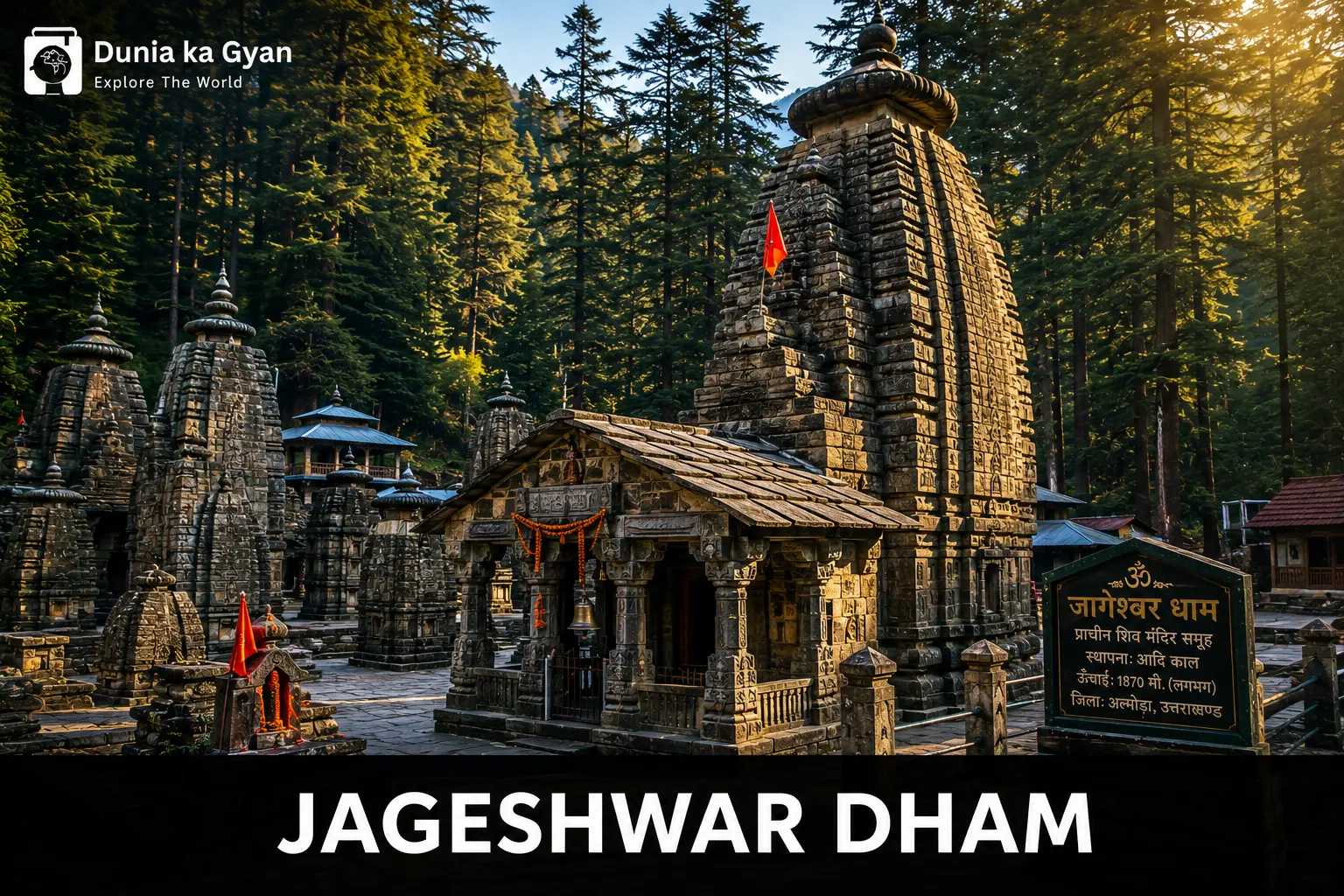
There are certain places in Uttarakhand that stay with you long after you return home, and Jageshwar Dham is one of them. As someone who frequently travels across Uttarakhand and explores both popular and hidden destinations, I had heard countless stories about Jageshwar Dham. Some people described it as a mystical Shiva temple hidden within dense deodar forests, while others called it one of the most spiritually powerful places in Kumaon.
Recently, I finally got the opportunity to visit Jageshwar Dham, and honestly, no photograph or video can truly capture its atmosphere. The moment I entered the valley surrounded by towering deodar trees, ancient stone temples, and the soothing sound of the Jata Ganga stream, I understood why devotees and travelers have been visiting this sacred place for centuries.
In this guide, I am sharing my complete experience along with practical travel information to help you plan your own visit.
About Jageshwar Dham
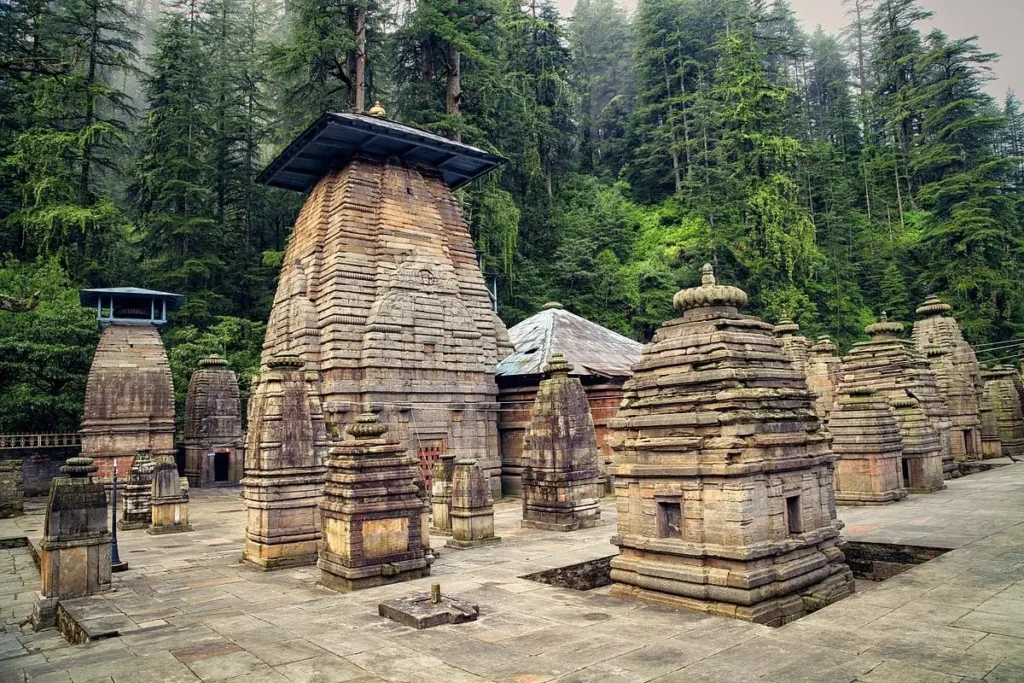
Jageshwar Dham is one of the most important Shiva pilgrimage sites in Uttarakhand. Located around 36 kilometers from Almora, this temple complex consists of approximately 124 ancient temples dedicated primarily to Lord Shiva. The temples are believed to date back to the Katyuri and Chand dynasties, with many structures belonging to the post-Gupta and early medieval period.
What makes Jageshwar unique is that it is not a single temple but an entire temple city nestled within a beautiful valley at an elevation of about 1,870 meters. The combination of ancient architecture, dense cedar forests, and spiritual significance creates an experience unlike any other temple destination in India.
Quick Information
- Location: Jageshwar Valley, Almora District, Uttarakhand
- Nearest Town: Almora (36–37 km)
- Altitude: 1,870 m (6,135 ft) above sea level
- Main Deity: Lord Shiva (Jageshwar Mahadev)
- Temple Complex: 124 temples in the main complex and over 200 temples, shrines, and ancient structures across the valley
- Temple Period: 7th–14th Century CE
- Architecture Style: North Indian Nagara Style
- River: Jata Ganga River
Major Temples Inside Jageshwar Dham
One thing that surprised me was the sheer number of temples within the complex. While the valley contains more than 200 shrines and structures, around 124 temples are located within the main Jageshwar temple complex. Here are some of the most important ones:
1. Jageshwar Mahadev Temple
The main shrine of the complex and the spiritual heart of Jageshwar Dham. Dedicated to Lord Shiva, this temple attracts devotees throughout the year and is considered the most sacred temple in the valley.
2. Mahamrityunjaya Temple
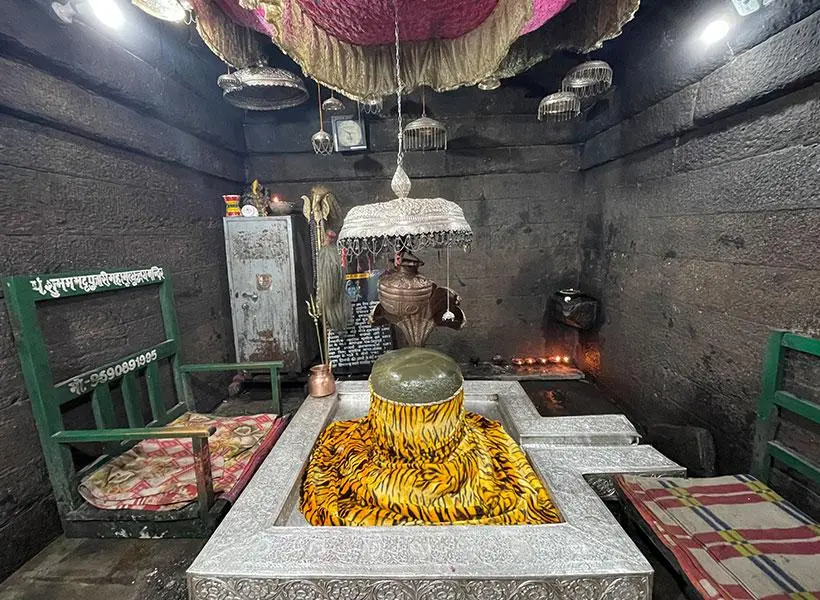
One of the oldest and most revered temples in Jageshwar. Dedicated to Lord Shiva as the conqueror of death, devotees visit here to pray for health, protection, and longevity.
3. Dandeshwar Temple
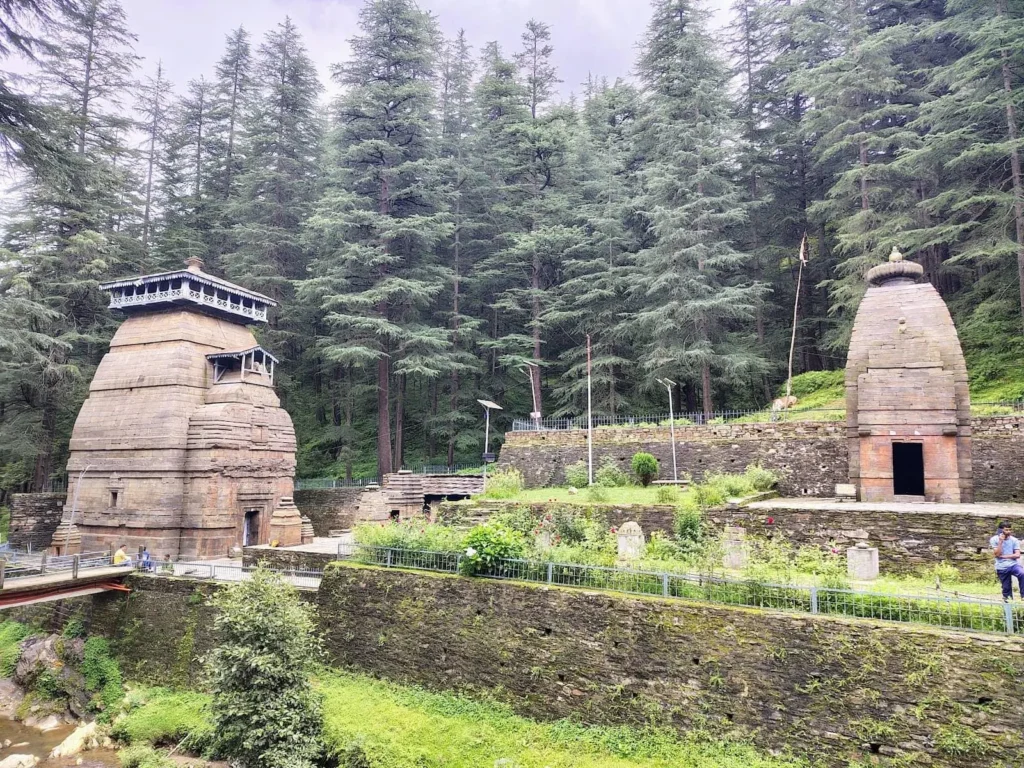
Located about 1 km before the main temple complex, Dandeshwar Temple is considered the largest temple in the Jageshwar Valley. Its massive stone structure makes it one of the most impressive monuments in the region.
4. Kuber Temple
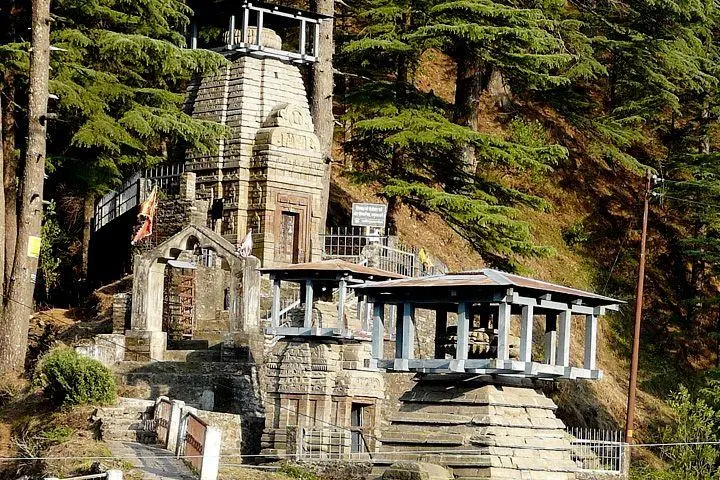
Dedicated to Lord Kuber, the Hindu deity of wealth and prosperity. Though smaller than the main temples, it remains an important shrine within the complex.
5. Navagraha Temple
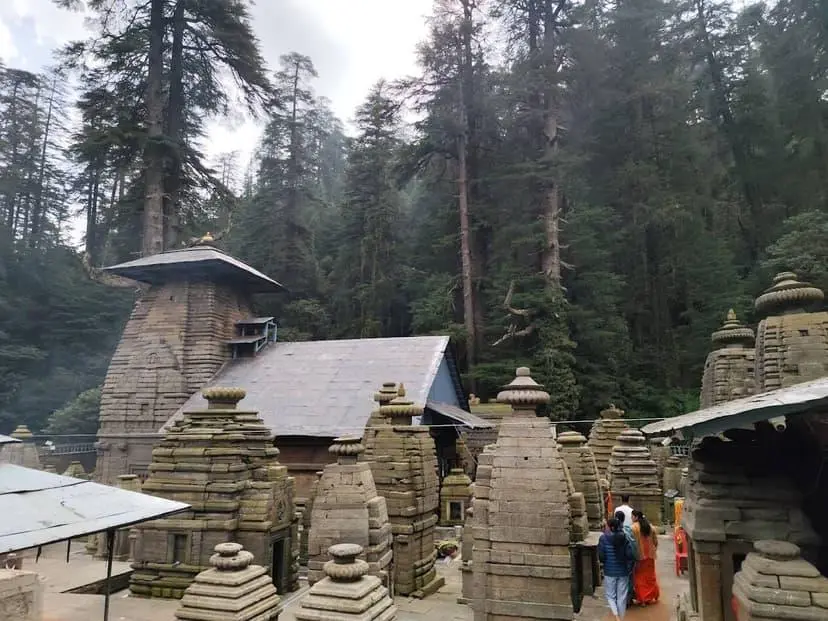
This temple is dedicated to the nine planetary deities (Navagrahas) and is visited by devotees seeking relief from astrological challenges.
Other Notable Shrines
Apart from the major temples, the Jageshwar complex also contains several smaller yet significant shrines dedicated to various Hindu deities. These include the Surya Temple, Chandi Temple, Nanda Devi Temple, Pushti Bhagwati Temple, and Batuk Bhairav Temple. Together, these temples reflect the rich spiritual diversity of the Jageshwar Valley and highlight how the site evolved as an important religious center over many centuries.
Jageshwar Dham Timings
Temple timings may vary slightly during festivals and special religious occasions, but the complex generally remains open throughout the day for devotees and visitors.
- Opening Time: Around 5:00 AM
- Closing Time: Around 6:00 PM
- Morning Aarti: Early morning (timing may vary seasonally)
- Evening Aarti: Around sunset
- Best Time for Darshan: 6:00 AM – 9:00 AM
- Ideal Time for Photography: Early morning and late afternoon
- Recommended Visit Duration: 2–4 hours
I personally recommend visiting early in the morning when the temple complex is quieter, the deodar forest is covered in mist, and the spiritual atmosphere feels truly special.
My Experience During Morning Aarti
One of the most memorable moments of my visit was attending the morning aarti. Arriving early allowed me to experience the temple complex before the crowds arrived. The sound of bells, chanting of mantras, and the cool mountain air created a deeply spiritual atmosphere.
As sunlight slowly filtered through the deodar trees and illuminated the stone temples, the entire complex felt magical. Even if you are not particularly religious, attending the morning aarti is an experience worth having during your visit.
Festivals Celebrated at Jageshwar Dham
Jageshwar Dham comes alive during several religious and cultural festivals throughout the year. These celebrations attract devotees, pilgrims, and travelers from across Uttarakhand and beyond.
Mahashivratri Mela
The most important festival celebrated at Jageshwar Dham is Mahashivratri, usually observed in February or March. Thousands of devotees gather to offer prayers to Lord Shiva and participate in special rituals.
Shravan Mela
During the holy month of Shravan (usually falling between July and August), thousands of Shiva devotees visit Jageshwar Dham to offer prayers and participate in special rituals. The entire valley takes on a vibrant spiritual atmosphere during this period.
Jageshwar Monsoon Festival
The Jageshwar Monsoon Festival is a cultural celebration that showcases Kumaoni folk music, traditional dance performances, local handicrafts, and regional heritage. Although smaller than the major religious festivals, it offers visitors an opportunity to experience the cultural traditions of the Kumaon region.
The Beautiful Deodar Forests of Jageshwar
One of the first things that impressed me about Jageshwar Dham was the dense deodar forest surrounding the temple complex. These towering cedar trees create a natural canopy over the valley and contribute greatly to the peaceful atmosphere of the area.
Walking through the forest paths felt almost meditative. The cool mountain breeze, the fragrance of cedar wood, and the occasional sound of birds created a sense of calm that is difficult to find elsewhere. In many ways, the forest is just as important to the Jageshwar experience as the temples themselves.
History of Jageshwar Dham
One of the most fascinating aspects of Jageshwar Dham is its rich history. Archaeological studies suggest that the temple complex developed between the 7th and 14th centuries CE, while local traditions believe the sacred site has been revered for much longer.
The temples showcase the classic North Indian Nagara style of architecture, with beautifully carved stone shikharas and intricate sculptures. Historical inscriptions found throughout the complex indicate that Jageshwar was an important center of Shaivism and played a significant role in the development of Lakulisha Shaivism, an ancient Shaiva tradition.
Although many of the existing structures date to the post-Gupta and early medieval periods, the spiritual significance of Jageshwar is believed to be much older, making it one of Uttarakhand’s most important sacred sites.
Ancient Inscriptions Found at Jageshwar
More than 25 inscriptions have been discovered on the walls and pillars of various temples in Jageshwar. Most belong to the 7th–10th centuries and are written in Sanskrit using Brahmi script. These inscriptions provide valuable information about temple patronage, religious practices, and the rulers who supported the region.
Spiritual Significance of Jageshwar Dham
For devotees, Jageshwar is far more than an archaeological site. The temple complex is considered one of the most sacred abodes of Lord Shiva in the Himalayas. Every year thousands of devotees visit to seek blessings, especially during Mahashivratri and the Shravan month.
There is also a long-standing belief among some devotees that Jageshwar may be associated with the Nagesh Jyotirlinga mentioned in ancient texts. However, this remains a subject of debate and is not universally accepted among the traditionally recognized twelve Jyotirlingas.
The Sacred Jata Ganga River
Flowing quietly beside the temple complex, the Jata Ganga River is an important part of Jageshwar Dham’s spiritual identity. According to local beliefs, the river is associated with the sacred locks (jata) of Lord Shiva, which is how it received its name. The sound of the flowing water adds to the peaceful atmosphere of the valley and creates a perfect setting for meditation and reflection.
During my visit, I spent some time sitting near the riverbank and found it to be one of the most calming parts of the entire experience. Surrounded by ancient temples and deodar forests, the river enhances the spiritual charm of Jageshwar and is a favorite spot for both devotees and photographers.
Vinayak Kshetra – Gateway to the Sacred Valley
Before reaching Jageshwar Dham, pilgrims pass through Vinayak Kshetra, a sacred zone near Artola village that is traditionally considered the spiritual gateway to the Jageshwar Valley. Local beliefs associate this area with several important religious sites, including Vriddha Jageshwar, Koteshwar Temple, and Jhanker Saim Temple, making it an important part of the pilgrimage route.
Architecture and Archaeological Heritage of Jageshwar Dham
One of the most fascinating aspects of Jageshwar Dham is its ancient Nagara-style architecture. The stone temples feature beautifully carved shikharas, intricate sculptures, and remarkable craftsmanship that reflect the artistic excellence of the Katyuri and Chand periods.
History enthusiasts should also visit the ASI Museum near the temple complex, which houses more than 150 sculptures and artifacts recovered from the Jageshwar Valley. The collection includes images of Shiva, Uma-Maheshwar, Surya, Chamunda, and other deities dating from the 9th to 13th centuries, offering valuable insight into the region’s rich religious and cultural heritage.
Best Time to Visit Jageshwar Dham
Summer (March to June)
This is my favorite season to visit. Pleasant weather and clear skies make sightseeing enjoyable.
Monsoon (July to September)
The forests become lush green and incredibly beautiful. However, heavy rain can occasionally affect travel plans.
Autumn (September to November)
Perfect weather with excellent visibility.
Winter (December to February)
Cold but peaceful. The atmosphere becomes even more spiritual during winter mornings.
How to Reach Jageshwar Dham
- By Road: Jageshwar is well connected by road from Almora, Haldwani, Nainital, and Delhi.
- By Train: Kathgodam is the nearest major railway station.
- By Air: Pantnagar Airport is the nearest airport.
Local Food to Try Near Jageshwar
No trip to Kumaon is complete without trying the local cuisine. During my visit, I had the opportunity to enjoy several traditional dishes that reflect the region’s culinary heritage.
Must-Try Kumaoni Dishes
- Aloo Ke Gutke
- Bhatt Ki Churkani
- Kumaoni Raita
- Mandua Roti
- Jhangora Kheer
- Bal Mithai
Many small restaurants and local eateries near Almora serve authentic Kumaoni food that is worth trying during your trip.
Best Photography Spots in Jageshwar Dham
Jageshwar is a paradise for photography enthusiasts. The combination of ancient architecture and natural beauty creates countless opportunities for stunning photographs.
- Main Jageshwar Temple Complex
- Deodar Forest Trails
- Jata Ganga River
- Dandeshwar Temple
- Vriddha Jageshwar Viewpoint
- Early Morning Temple Courtyard
For the best results, visit during the morning hours when soft sunlight filters through the deodar trees.
Places to Visit Near Jageshwar Dham
1. Vriddha Jageshwar
Located on a hilltop above the main temple complex, Vriddha Jageshwar is known for its peaceful atmosphere and beautiful Himalayan views. According to local beliefs, this ancient shrine has a special connection with Lord Shiva.
Distance: 3 km
Best For: Scenic views and spirituality
2. Almora
A charming Kumaoni town known for its cultural heritage, traditional markets, local cuisine, and panoramic mountain views.
Distance: 36 km
Best For: Local culture and shopping
3. Kasar Devi
One of Uttarakhand’s most famous spiritual destinations, known for its peaceful atmosphere and stunning mountain views.
Distance: 45 km
Best For: Spiritual retreats and photography
4. Chitai Golu Devta Temple
A unique temple dedicated to Golu Devta, famous for thousands of bells and written petitions offered by devotees.
Distance: 43 km
Best For: Religious tourism and local culture
5. Airavat Gufa
A lesser-known cave surrounded by forests and local legends. It offers a peaceful experience for travelers looking to explore hidden attractions near Jageshwar.
Distance: 2–3 km
Best For: Adventure and offbeat exploration
6. Brahma Kund
A sacred water site associated with local religious traditions and visited by devotees seeking a tranquil spiritual experience.
Distance: Within the Jageshwar Temple Area
Best For: Spiritual visitors
7. Patal Bhuvaneshwar
One of Uttarakhand’s most fascinating cave temples, featuring naturally formed limestone formations linked to Hindu mythology.
Distance: 85–90 km
Best For: Pilgrimage and cave exploration
Travel Tips From My Experience
- Reach early in the morning for a peaceful experience.
- Carry warm clothing throughout the year.
- Wear comfortable walking shoes.
- Respect temple traditions and photography rules.
- Spend time sitting quietly near the temples and deodar forests.
- Visit the ASI museum if you enjoy history.
- Keep at least half a day for the entire complex.
Where to Stay Near Jageshwar Dham
Visitors can find guesthouses, homestays, and small hotels near Jageshwar Dham. The GMVN Tourist Rest House is a popular option for pilgrims and travelers seeking a peaceful stay close to the temple complex.
For more accommodation choices, many visitors stay in Almora, located about 36–37 km away, where budget, mid-range, and heritage hotels are available.
Tip: Staying overnight in Jageshwar allows you to experience the serene atmosphere and attend the morning aarti.
Conclusion
My visit to Jageshwar Dham was far more than just a temple trip. Surrounded by ancient stone shrines, towering deodar forests, and the peaceful flow of the Jata Ganga, the experience felt both spiritual and deeply calming. Whether you’re drawn by faith, history, architecture, or nature, Jageshwar offers a unique glimpse into Uttarakhand’s rich heritage. If you’re planning a trip to Kumaon, I highly recommend setting aside time to explore this remarkable temple valley.
Frequently Asked Questions
No, there is no entry fee to visit the temple complex. However, donations can be offered voluntarily by devotees.
Photography is generally allowed in the outer temple complex and surrounding areas. However, photography may be restricted inside certain temples and sanctums, so visitors should follow local guidelines.
Modest and comfortable clothing is recommended. Since the weather can be cool throughout the year, carrying a light jacket is advisable even during summer.
Yes, the main temple complex is easily accessible and suitable for senior citizens. Most temples can be explored without strenuous walking, though nearby attractions like Vriddha Jageshwar may require some uphill travel.
Yes, one day is sufficient to explore the main temple complex, attend aarti, visit the Archaeological Museum, and see nearby attractions. However, an overnight stay allows for a more relaxed experience.
People are also reading:

One thought on “Jageshwar Dham Travel Guide: Temples, History & Tips”