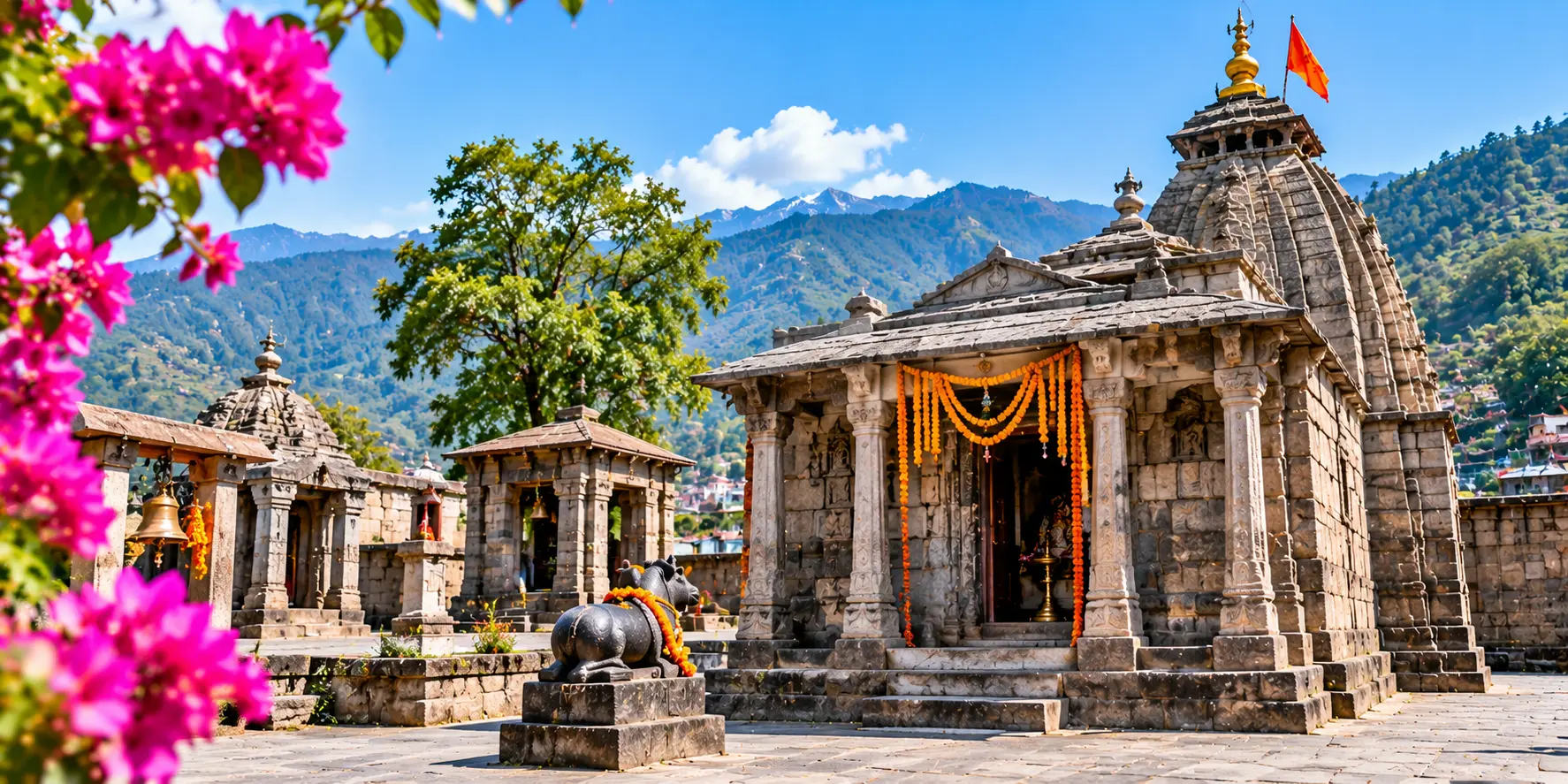
Baijnath Temple is a famous Shiva temple in Bageshwar, Uttarakhand. It is located on the banks of the Gomti River and is known for its old stone temples and beautiful carvings. The main temple is dedicated to Lord Shiva, who is worshipped here as Vaidyanath. The temple complex also has several smaller shrines and stone idols. It is a peaceful place where you can enjoy the temple’s history, architecture and natural surroundings.
In this guide, you will learn about Baijnath Temple’s history, timings, entry fee, how to reach it and places to visit nearby.
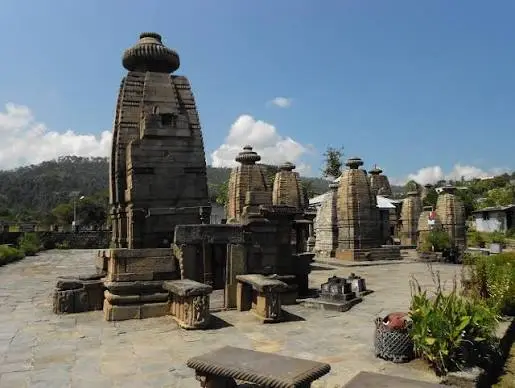
Image Source: Wikipedia
Baijnath Temple Highlights
| Details | Information |
| Location | Baijnath, Bageshwar district, Uttarakhand |
| Main Deity | Lord Shiva (Vaidyanath) |
| River | Gomti River |
| Built | Around the 12th century |
| Temple Type | Hindu temple complex |
| Entry Fee | Free |
| Timings | Generally 6:00 AM to 7:00 PM |
| Nearest Town | Garur |
| Distance from Kausani | Around 16 km |
| Distance from Bageshwar | Around 20–22 km |
| Nearest Railway Station | Kathgodam |
| Nearest Airport | Pantnagar |
Where Is Baijnath Temple Located?
Baijnath Temple is located in Baijnath town in the Garur valley of Bageshwar district, Uttarakhand. It stands on the left bank of the Gomti River, surrounded by green hills and small settlements.
The temple is around 20–22 km from Bageshwar and 16 km from Kausani. Its location makes it an easy stop for people travelling between these two places.
The area around the temple is peaceful. You can walk around the old structures, sit near the river and spend some quiet time here.
Baijnath Temple in Uttarakhand and Other Baijnath Temples
There are several temples named Baijnath in India. This temple is the one located in the Garur valley of Bageshwar district, Uttarakhand. It is an important historical and religious site of the Kumaon region.
Is Baijnath Temple a Jyotirlinga?
No, Baijnath Temple in Bageshwar is not one of the 12 recognised Jyotirlingas of Lord Shiva.
It is still an important Shiva temple in Uttarakhand. The main shrine is dedicated to Vaidyanath, and devotees visit throughout the year to offer prayers.
What Can You See at Baijnath Temple?
The temple complex is not limited to one shrine. It has several old temples, stone images and carved structures. You can take your time walking around and looking at the details.
1. Main Vaidyanath Temple
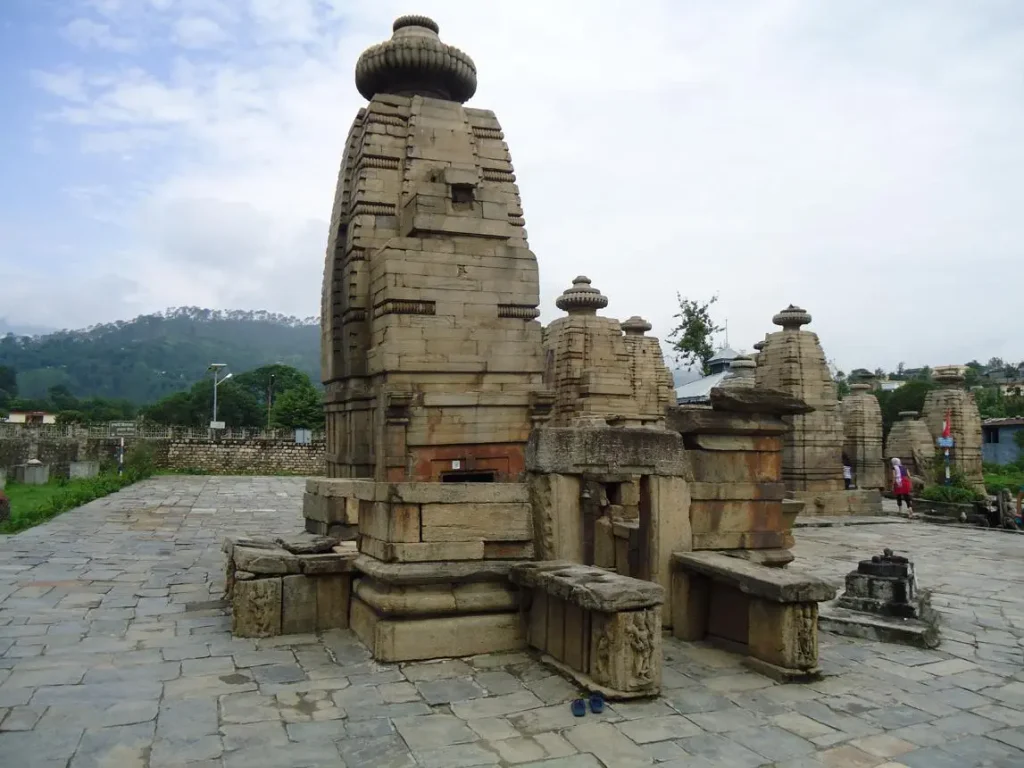
The main shrine is dedicated to Lord Shiva in his Vaidyanath form. Devotees visit this temple to offer prayers and seek blessings.
The stone structure and traditional design make it one of the main attractions inside the complex.
2. Temple of Goddess Parvati
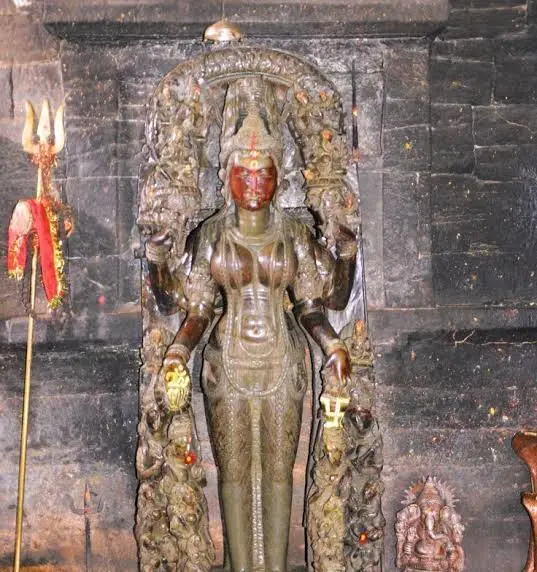
A temple dedicated to Goddess Parvati is also present in the complex. The stone sculpture of the goddess is one of the important features of the site.
3. Old Stone Idols and Carvings
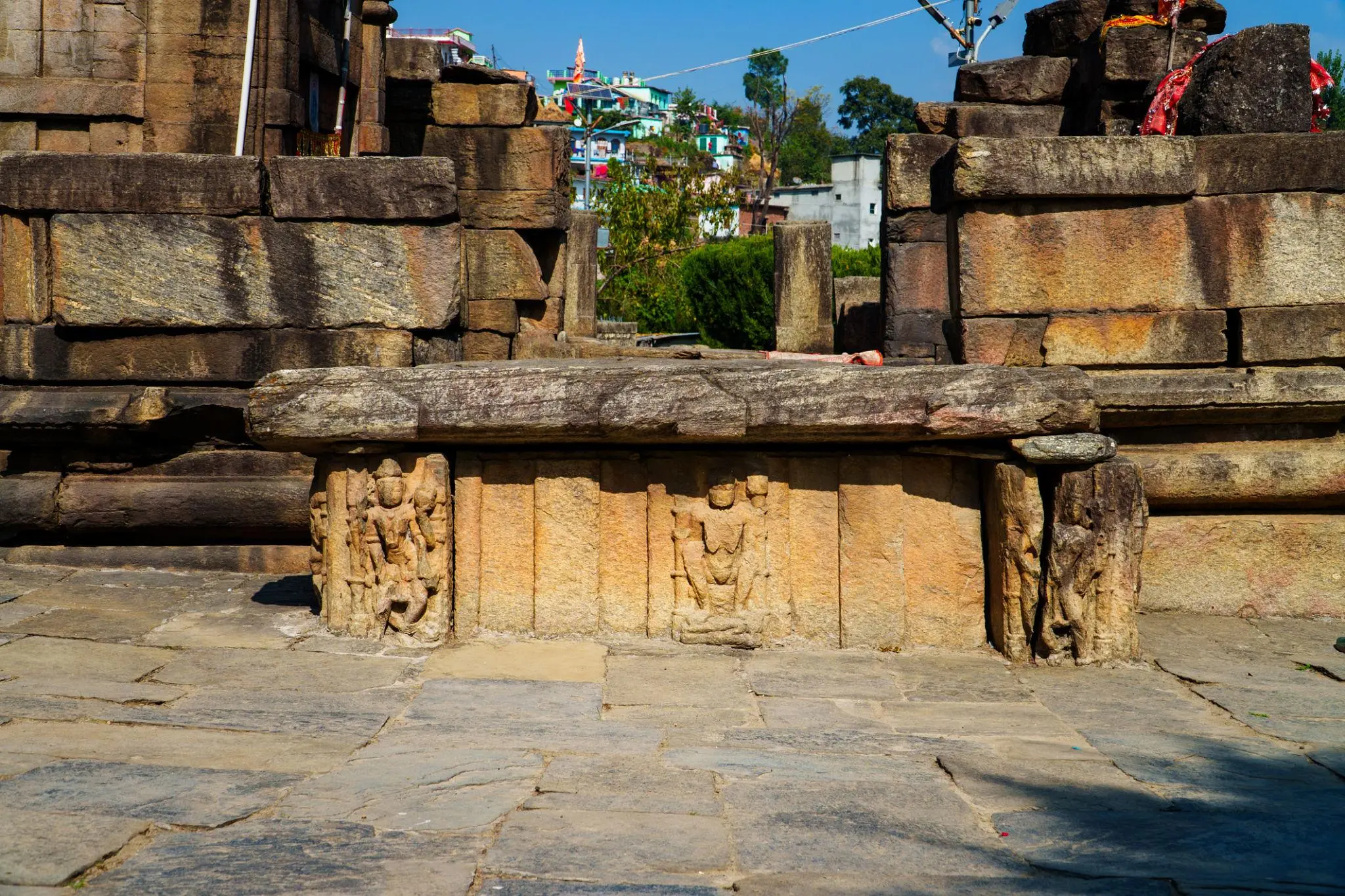
You will find several stone idols and carvings around the temple complex. These include figures of Hindu gods and goddesses such as Ganesh, Surya, Brahma and Chandika.
Take a little time to look at the carvings. They give you an idea of the art and craftsmanship of the period.
4. Gomti River and the Surrounding Area
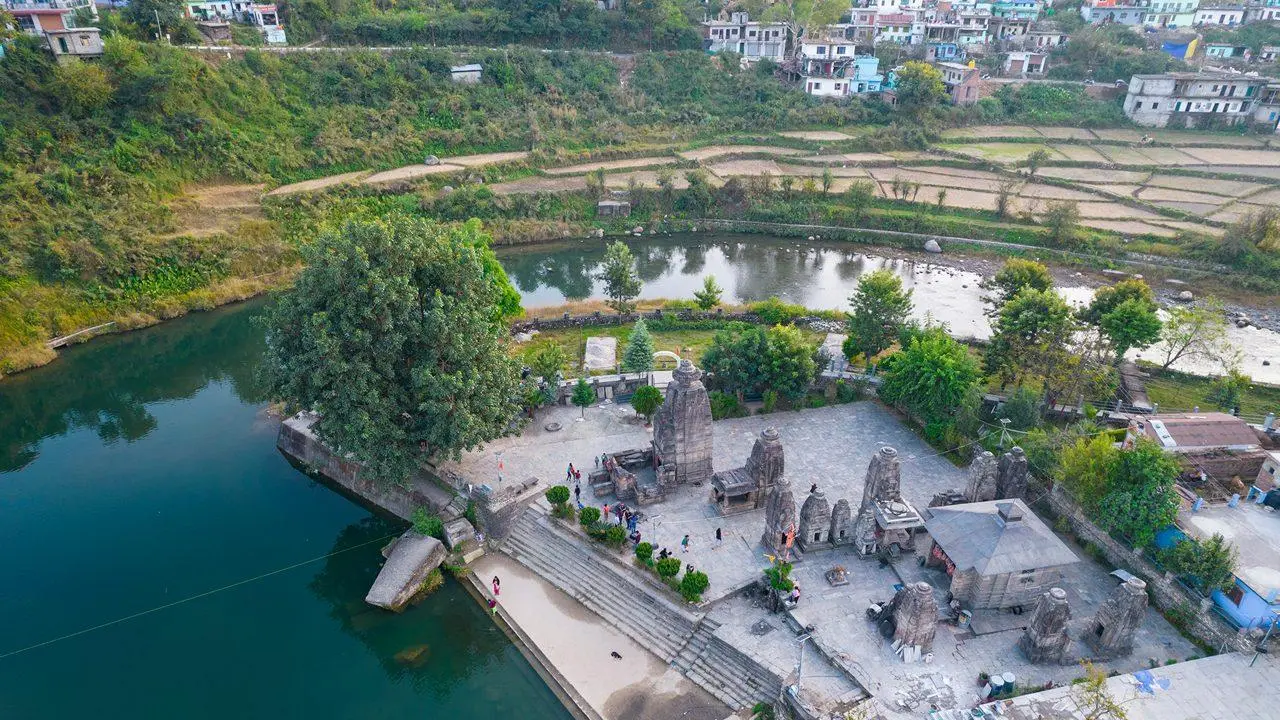
The Gomti River flows beside the temple. You can walk towards the river and enjoy the peaceful surroundings.
The riverbank is also known for its fish. Visitors often stop here to see the fish swimming in the water.
How Much Time Is Needed to Visit Baijnath Temple?
Around 1–2 hours is generally enough to visit the main temple complex, see the smaller shrines and spend some time near the river.
If you are interested in old architecture and photography, you may want to spend a little longer.
Baijnath Temple Entry Fee, Timings and Visitor Information
One good thing about visiting Baijnath Temple is that there is no entry ticket. You can visit the temple complex without paying an admission fee.
Baijnath Temple Entry Fee
Entry to the Baijnath Temple complex is completely free. There is no ticket required to enter the complex or visit its shrines. You also do not need to make an advance booking.
The temple is a protected historical site, so visitors should respect the monument and follow any instructions given by the staff.
| Visitor Information | Details |
| Entry Fee | Free |
| Ticket | Not required |
| Advance Booking | Not required |
| Parking | Paid parking is available outside the complex |
| Photo ID | Carry a valid ID; it may be requested |
| Visit Duration | Around 1–2 hours |
Baijnath Temple Timings
The temple generally opens in the morning and remains accessible until evening. Timings may change slightly depending on the season and local arrangements.
| Season | General Visiting Hours |
| Summer | 5:00 AM to 7:00 PM |
| Winter | 6:00 AM to 6:00 PM |
| General Hours | Around 6:00 AM to 7:00 PM |
Darshan is generally available during the day, but exact prayer and worship timings may vary. It is better to reach in the morning if you want a peaceful visit.
Important Things to Know Before Visiting
- Paid vehicle parking is available outside the temple complex.
- Carry a valid photo ID in case it is requested at the entrance.
- Avoid carrying large bags, food items and inflammable or dangerous objects inside the protected premises. Follow the instructions displayed at the site.
- Keep the temple area clean and do not damage the old structures.
- Photography rules may differ in different parts of the complex, so check with the staff before taking pictures.
Golden Mahseer Fish in the Gomti River
One interesting thing to see near Baijnath Temple is the fish in the Gomti River. The river area outside the temple is known for golden mahseer, a fish found in Himalayan rivers.
Visitors often stop near the water to watch them. Feeding the fish is allowed in the area, but fishing is strictly restricted. Follow local instructions and avoid throwing plastic or other waste into the river.
How to Reach Baijnath Temple
Baijnath Temple is well connected by road to nearby towns such as Kausani, Garur and Bageshwar. You can reach the temple by private car, taxi or local transport.
Distance to Baijnath Temple
| Starting Point | Approximate Distance |
| Kausani | 16 to 17 km |
| Bageshwar | 20 to 22 km |
| Almora | 60 to 70 km |
| Kathgodam | 148–155 km |
| Pantnagar Airport | 180 to189 km |
| Delhi | 470 to 520 km |
By Air
Pantnagar Airport is the nearest airport to Baijnath Temple. From the airport, you can hire a taxi or travel towards Haldwani, Almora and Kausani before reaching Baijnath.
Since public transport options may be limited, booking a taxi for the onward journey can make the trip easier.
By Train
Kathgodam is the nearest major railway station. It is connected to cities such as Delhi and other parts of North India.
From Kathgodam, you can hire a taxi or take a bus towards Almora, Kausani or Bageshwar. Baijnath can then be reached by road.
By Road
Road travel is one of the easiest ways to reach Baijnath Temple. Buses and shared taxis are available from nearby towns, although their frequency can vary.
If you are staying in Kausani, you can visit Baijnath by taxi or your own vehicle. The road journey is short and can easily be included in a half-day plan.
History of Baijnath Temple
Baijnath Temple has a long history connected with the Katyuri rulers of Kumaon. The area was once known as Kartikeyapura and served as an important centre of the Katyuri dynasty.
The main temple complex is generally dated to around the 12th century. It is dedicated to Lord Shiva in his Vaidyanath form. The complex has several old stone temples and sculptures that reflect the temple-building style of that period.
Who Built Baijnath Temple?
The temple is associated with the Katyuri dynasty, which ruled parts of the Kumaon region. Historical accounts generally place the construction of the main temple around the 12th century.
The rulers of this dynasty supported temple building and religious activities in the region. Baijnath became an important centre of worship during that period.
Why Is It Called Baijnath?
The temple is dedicated to Lord Shiva, who is worshipped here as Vaidyanath. The name Baijnath is associated with this form of Shiva, who is also known as the Lord of Physicians.
The Story of Shiva and Parvati
There is a local belief that Lord Shiva and Goddess Parvati were married near the confluence of the Gomti and Garur Ganga rivers.
This belief adds religious importance to the area. Many devotees visit the temple to offer prayers to Lord Shiva and seek blessings.
Is Baijnath Temple Protected by ASI?
Yes, Baijnath Temple is an important protected historical monument under the Archaeological Survey of India (ASI). Its old stone structures and sculptures are part of the region’s heritage.
Places to Visit Near Baijnath Temple
A visit to Baijnath Temple can easily be combined with a few other places in the Kumaon region. You can visit nearby temples, enjoy the Himalayan views in Kausani or spend some time around the waterfalls and forests.
Some attractions are just a few kilometres from Baijnath, while others are suitable for a half-day trip. Here are the places you can include in your travel plan.
1. Kot Bhramari Temple
Distance from Baijnath Temple: Around 3–5 km
Kot Bhramari Temple, also known as Kot Ka Mandir or Bhramari Devi Temple, is a popular religious place near Baijnath. It is dedicated to Goddess Bhramari and is situated on a hill in the Garur valley.
The temple is associated with the Katyuri rulers, and the surrounding area offers views of the nearby hills. Many devotees visit here, especially during religious festivals.
You can easily visit Kot Bhramari Temple after exploring Baijnath Temple. The short road journey makes it one of the most convenient nearby attractions.
2. Baijnath Lake
Distance from Baijnath Temple: Next to the temple complex
Baijnath Lake is located beside the Baijnath Temple complex, near the Gomti River. It is a peaceful place where visitors often stop to enjoy the water and watch the fish.
The lake is known for its golden mahseer fish. You can spend some time near the water and enjoy the natural surroundings. Boating may also be available, depending on local arrangements.
Since it is right next to the temple complex, you do not need to plan a separate journey to visit it.
3. Kausani
Distance from Baijnath Temple: Around 17–19 km
Kausani is a beautiful hill destination in the Bageshwar district of Uttarakhand. It is known for its wide Himalayan views, tea gardens and peaceful surroundings.
On a clear day, you can enjoy views of famous Himalayan peaks from different viewpoints in Kausani. The Kausani Tea Estate is another popular stop where you can walk around the tea gardens and try or buy locally grown tea.
You can also visit Anasakti Ashram and spend some time enjoying the mountain views. If you are staying in Kausani, Baijnath Temple makes an easy day trip.
4. Pinnath Temple
Distance from Baijnath Temple: Around 5 km trekking route
Pinnath Temple is a small temple dedicated to Lord Bhairon, located in the hills near Kausani. It is a good place to visit if you enjoy walking and exploring the natural surroundings.
Reaching the temple involves a trek, so it is different from the easy road journey to Kot Bhramari Temple. The route passes through green hills and offers views of the surrounding valleys.
Wear comfortable trekking shoes and carry drinking water. Start early and allow enough time for the walk, especially if you are travelling with family.
5. Rudradhari Falls and Caves
Distance from Kausani: Around 12 km; trekking is required
Rudradhari Falls and Caves are located near Kausani and are surrounded by green forests and hills. The waterfall is a lovely place for people who enjoy nature and short treks.
You need to walk along a forest trail to reach the falls. The sound of flowing water and the natural surroundings make the walk enjoyable, especially during and after the monsoon when there is enough water.
The caves and nearby religious associations also make this place interesting for visitors. Wear shoes with a good grip, as the trail can become slippery during the rainy season.
If you are planning to visit Rudradhari from Baijnath, check the road route and allow extra time for the walk.
6. Bageshwar
Distance from Baijnath Temple: Around 22–26 km
Bageshwar is an important town in the Kumaon region of Uttarakhand. It is known for its temples and the meeting point of the Saryu and Gomti rivers.
The main attraction here is Bagnath Temple, which is dedicated to Lord Shiva. It stands near the river confluence and is visited by devotees throughout the year. The town also has other small temples and a local market where you can buy daily-use items and local products.
If you have enough time, visit Bagnath Temple and spend some time near the river ghats. You can cover Bageshwar and Baijnath on the same trip.
Best Time to Visit Baijnath Temple
Baijnath Temple can be visited throughout the year, but the experience depends on the weather.
Summer (March to June)
Summer is a comfortable time to visit Baijnath. The weather is generally pleasant, making it easier to explore the temple complex and nearby places.
It is also a good season for people planning a trip to Kausani and Bageshwar.
Monsoon (July to September)
The surrounding hills and greenery look beautiful during the monsoon. However, heavy rain can make road travel difficult.
Check the weather and road conditions before starting your journey.
Autumn (October to November)
Autumn is another good time to visit. The weather is usually clear, and you can enjoy the temple and nearby areas without much discomfort.
Winter (December to February)
Winter can be cold in this part of Uttarakhand. If you visit during this season, carry warm clothes and check the local weather before travelling.
Best Time at a Glance
| Season | What to Expect |
| March to June | Pleasant weather and comfortable sightseeing |
| July to September | Green surroundings, but possible heavy rain |
| October to November | Clear weather and good road-trip conditions |
| December to February | Cold weather and quieter surroundings |
For a comfortable visit, March to June and October to November are generally good choices.
Where to Stay Near Baijnath Temple
There are limited stay options right around the temple compared to larger tourist towns. Many travellers prefer staying in Kausani or Bageshwar and visiting Baijnath during the day.
Kausani has hotels, resorts and homestays with mountain views. Bageshwar also has guesthouses and budget accommodation.
If you want to visit more places around the area, staying in Kausani can be a convenient option. If your main purpose is to explore Bageshwar town and nearby temples, you can choose accommodation there.
Book your stay in advance during the summer holidays and festival periods.
Travel Tips for Visiting Baijnath Temple
A few simple things can make your visit easier:
- Try to reach in the morning when the temple area is generally quieter.
- Wear comfortable clothes and footwear.
- Carry some cash for parking and small local expenses.
- Keep a water bottle with you, but do not leave plastic waste behind.
- Follow the rules inside the protected monument.
- Do not touch or damage the old sculptures and stone structures.
- Ask the staff about photography rules before taking pictures.
- Keep some extra time if you also plan to visit Kausani or Kot Bhramari Temple.
- Check road and weather conditions during the monsoon and winter.
Who Should Visit Baijnath Temple?
Baijnath Temple is a good place for people interested in temples, history and local culture. It is also suitable for families and travellers visiting Kausani or Bageshwar.
You can visit if you want to:
- Offer prayers at an old Shiva temple.
- See traditional stone architecture and sculptures.
- Learn about the Katyuri period of Kumaon.
- Spend some quiet time near the Gomti River.
- Visit a historical place during your Kausani trip.
You do not need a full day to explore the temple. A visit of around 1–2 hours is usually enough.
Final Thoughts
Baijnath Temple is a good place to include in your Bageshwar or Kausani trip. It is not only a place of worship but also an important part of Kumaon’s history.
The old stone temples, carvings and Gomti River make the visit special. You can spend some time exploring the complex, watching the fish near the river and visiting nearby places.
If you are travelling through this part of Uttarakhand, keep a little time for Baijnath. It is an easy stop and gives you a chance to see a quieter side of Kumaon.
Frequently Asked Questions
1. Where is Baijnath Temple located?
Baijnath Temple is located in Baijnath town in Bageshwar district, Uttarakhand. It stands on the banks of the Gomti River, around 20–22 km from Bageshwar.
2. Is there any entry fee for Baijnath Temple?
No, entry to Baijnath Temple is free. There is no entry ticket or advance booking required to visit the temple complex. Vehicle parking outside may be chargeable.
3. What are the timings of Baijnath Temple?
The general visiting hours are around 6:00 AM to 7:00 PM. During summer, the temple may open around 5:00 AM, while winter hours can be shorter. Confirm locally before visiting.
4. How far is Baijnath Temple from Kausani?
Baijnath Temple is around 16 km from Kausani. You can reach it by taxi or private vehicle.
5. Is Baijnath Temple one of the 12 Jyotirlingas?
No, Baijnath Temple in Bageshwar is not one of the 12 recognised Jyotirlingas. It is an important temple dedicated to Lord Shiva in his Vaidyanath form.
6. What are the main places to visit near Baijnath Temple?
Some places you can visit nearby include Kot Bhramari Temple, Baijnath Lake, Kausani, Pinnath Temple, Rudradhari Falls and Bageshwar.
People are also reading: