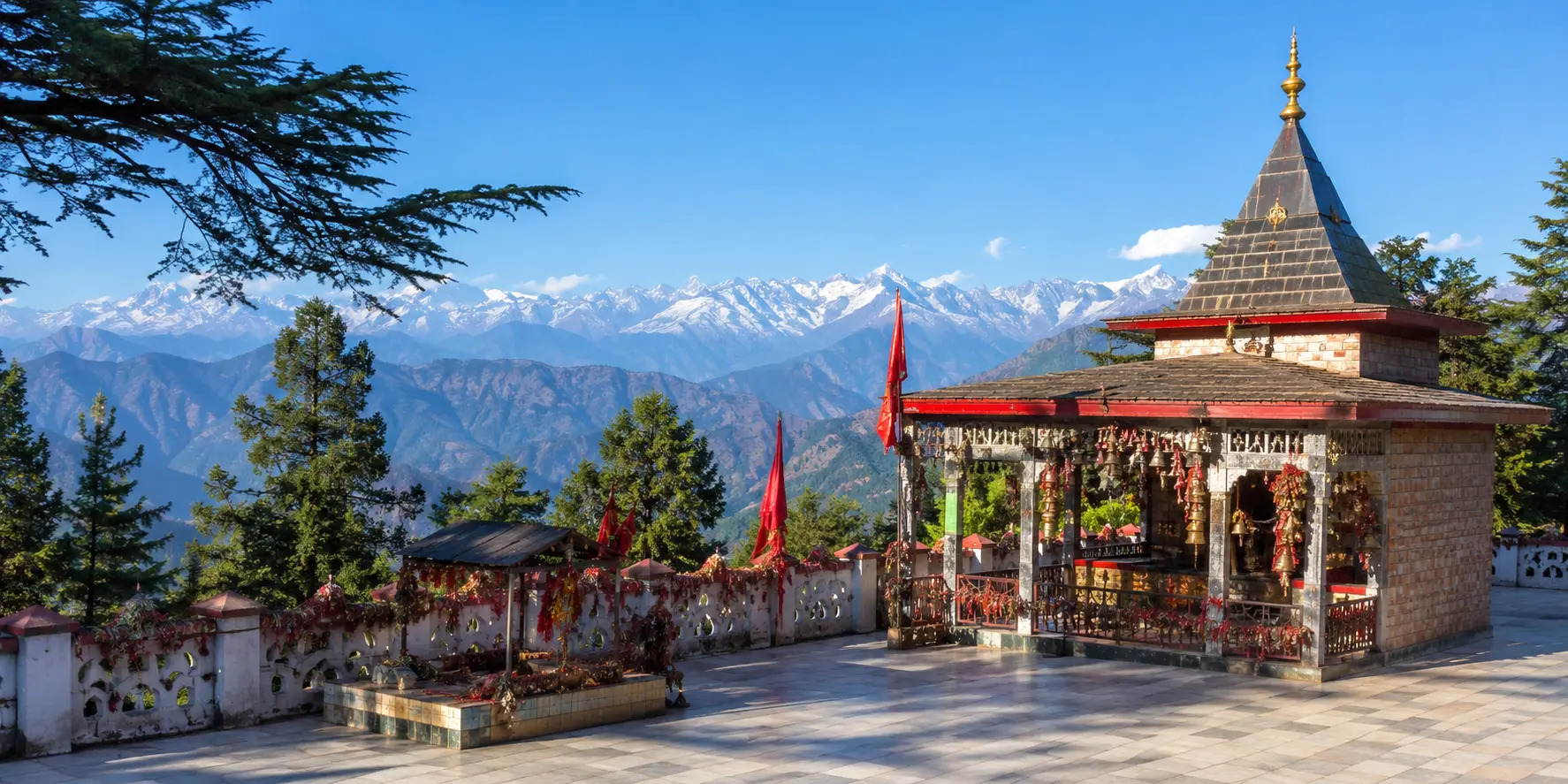
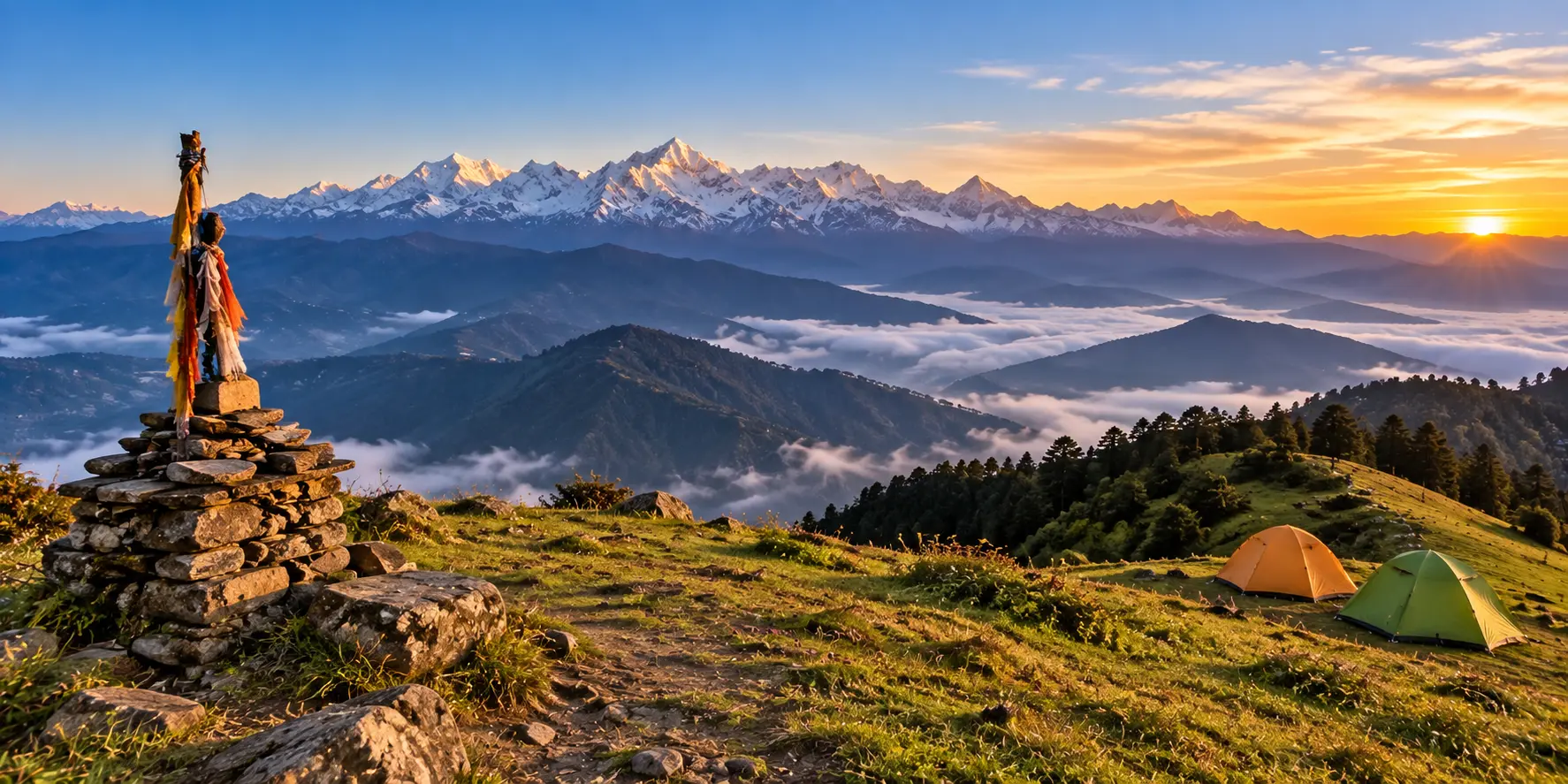
Khaliya Top is a popular trek near Munsiyari, Uttarakhand, and a good option if you want to spend a day walking through the mountains without taking on a long trek. The trail starts near Munsiyari and takes you through forested slopes before opening up into wide alpine meadows with views of the surrounding Himalayan peaks.
The climb can be tiring, especially if you are not used to walking uphill, but you don’t need to rush it. Take your time, stop for the views and keep enough energy for the walk back.
Khaliya Top Trek Highlights
- Location: Near Munsiyari, Pithoragarh, Uttarakhand
- Altitude: Around 3,500 metres (11,500 feet)
- Main trailhead: Balati Farm/Balati Bend area
- Trek distance: Around 6 km one way from the roadhead
- Difficulty: Easy to moderate, depending on fitness and trail conditions
- Base town: Munsiyari
- Trek type: Day trek or overnight trip
Where Is Khaliya Top?
Khaliya Top is located near Munsiyari in Pithoragarh district, Uttarakhand. Munsiyari is the main base, with the trekking route beginning around Balati Farm.
The trail takes you from the forested slopes above Munsiyari towards open alpine meadows. On clear days, you can also get views of the surrounding Himalayan peaks along the route. Since Munsiyari has accommodation and basic facilities, it is the most convenient place to stay before and after the trek.
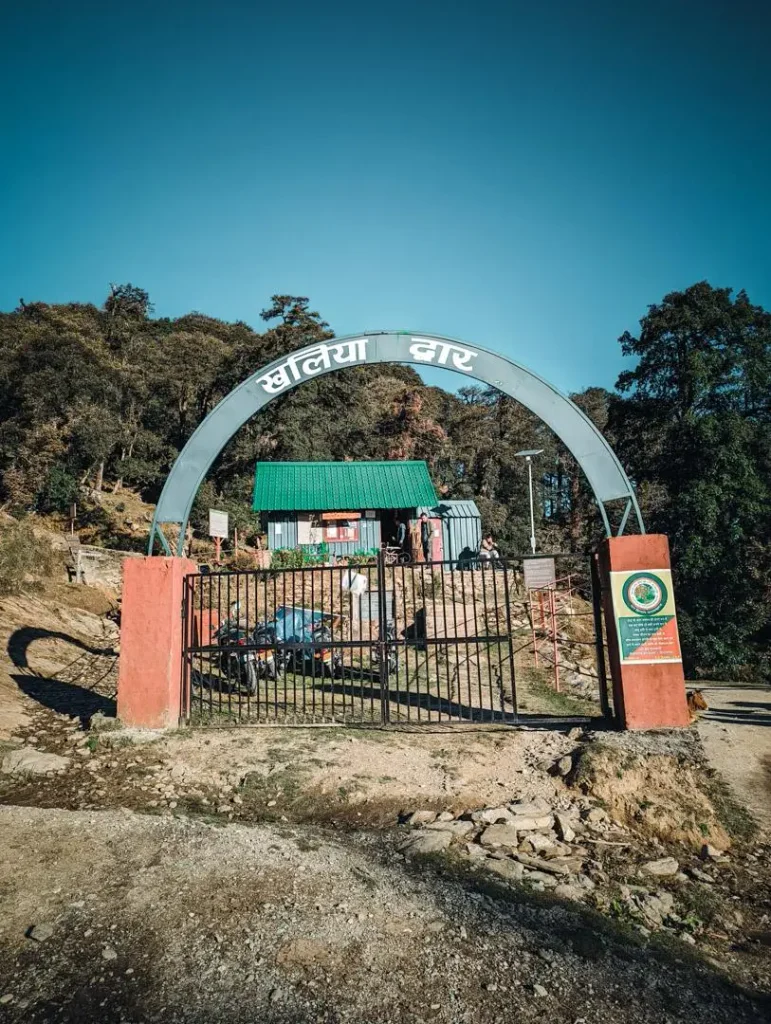
Khaliya Top Height and Trek Distance
Khaliya Top Height
Khaliya Top is around 3,500 metres (11,500 feet) above sea level. The continuous uphill climb can feel tiring at this altitude, especially if you are not used to mountain trails.
Khaliya Top Trek Distance
The trek is around 6 km one way from the Balati Farm road head. You may also see it listed as about 7 km from Munsiyari, depending on where the distance is measured from.
Khaliya Top Trek Route
1. Munsiyari to Balati Farm
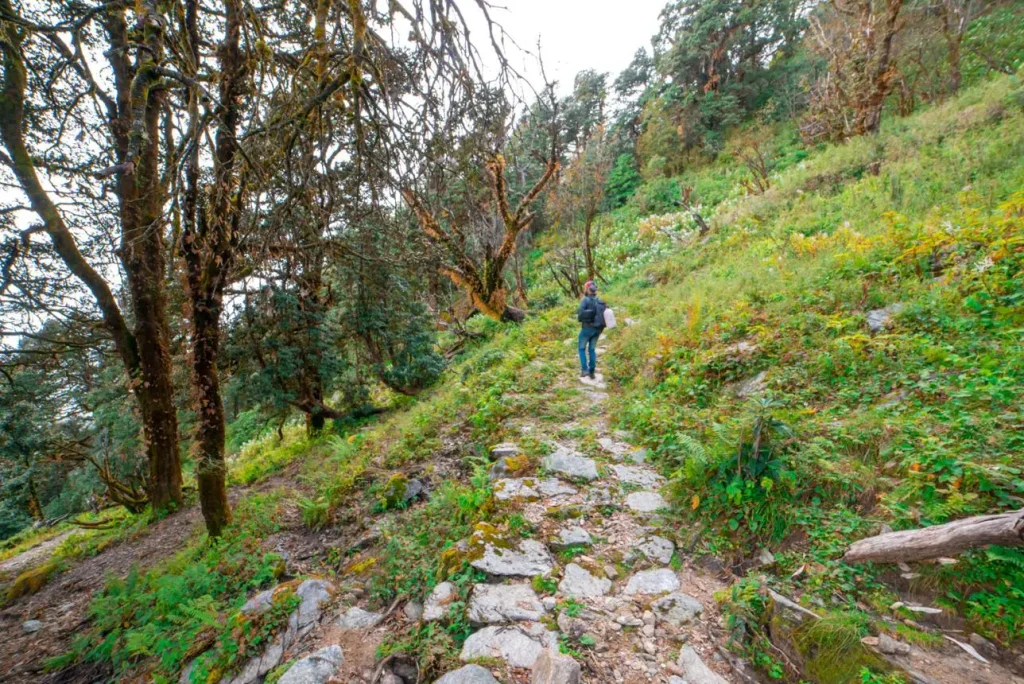
Your Khaliya Top trip starts in Munsiyari. From town, you travel towards the Balati area by road. This is where the walking section of the trek begins.
Try to start early. The morning is generally more comfortable for climbing, and starting early gives you more flexibility if the weather changes later in the day.
2. Balati Farm to the Forest Trail
Once you start walking, the route quickly begins gaining height. The trail passes through forest, with the surroundings feeling much quieter than Munsiyari below. This is also where you notice that the trek is more about steady climbing than covering a long distance.
Don’t worry about maintaining a fast pace. Find a rhythm that lets you walk without getting completely out of breath.
3. The Forest Starts to Open
After the forested section, the landscape begins to change. Trees become less dominant and the trail feels more open. You start getting glimpses of the surrounding mountains instead of seeing only the path ahead.
This is a good place to slow down and take a proper break. The scenery becomes part of the trek rather than something you only notice after reaching the top.
4. Khaliya Bugyal and the Upper Slopes
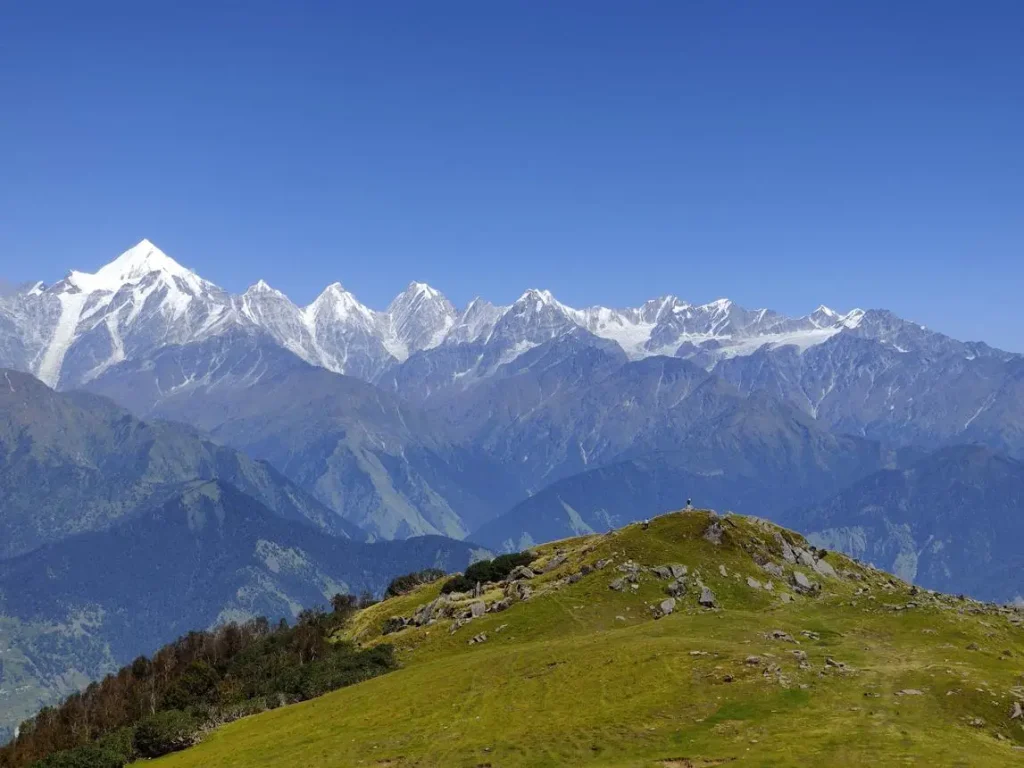
The trail eventually opens into the wide meadow landscape associated with Khaliya Top. There is a noticeable difference here. You are no longer walking through a narrow forest trail. The open slopes give you a much wider view of the surrounding Himalayan landscape.
On a clear day, this is the section where you will probably spend the most time taking photographs.
5. Khaliya Top
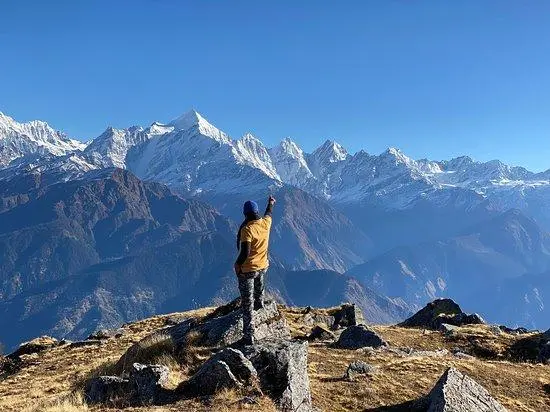
Khaliya Top is the high point that most visitors come to see. The experience depends heavily on the weather. On a clear morning, the mountains can dominate the horizon. On a cloudy day, visibility may be limited to the nearby meadow and slopes.
That is one reason an early start helps. You have more daylight and more time for the weather to change.
6. Zero Point Extension
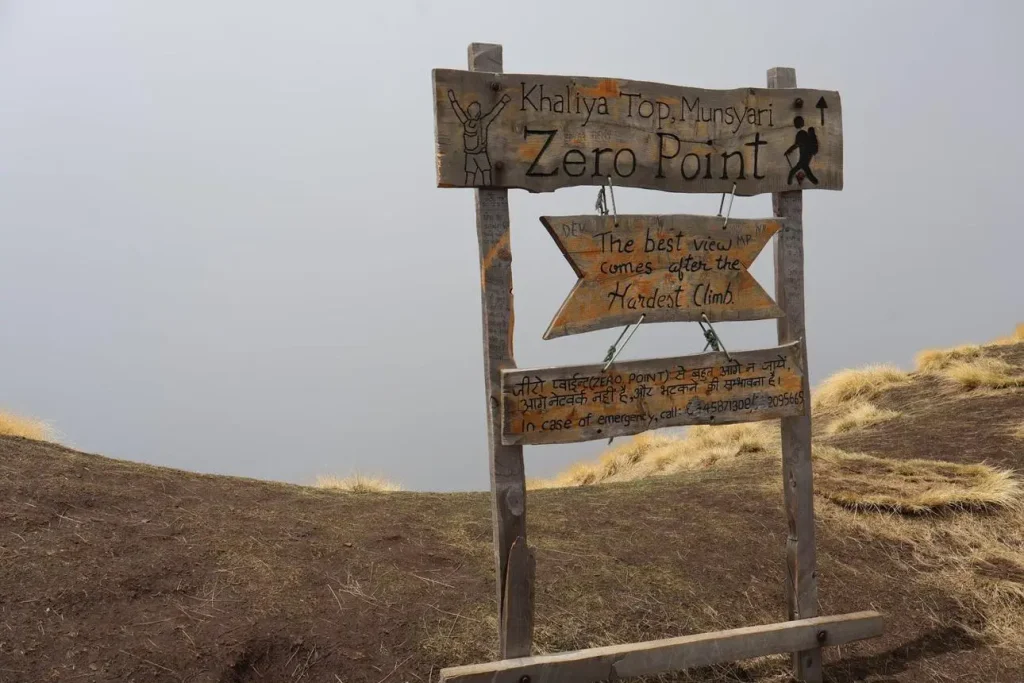
Some itineraries continue beyond Khaliya Top towards Zero Point. Because different travel sources give different distances and elevations for this section, it is better not to plan your trek around one fixed figure found online.
If you want to continue beyond Khaliya Top, check the current trail conditions locally and ask your guide about the route before leaving the main trail.
Is Khaliya Top Difficult?
Khaliya Top is often considered an easy-to-moderate trek, but that description depends heavily on your fitness and experience. There is no technical climbing involved on the normal route. The challenge comes from the continuous ascent and the altitude.
If you walk regularly, you may find the trail manageable. If you rarely hike, the climb can feel tiring even though the distance is not very long. A better strategy is to walk slowly, take short breaks and avoid trying to match someone else’s pace.
If you develop a severe headache, nausea, unusual weakness or worsening breathlessness, do not simply push through it to reach the top. Descending and getting help is more important than completing the trek.
Seasonal Weather Overview
- Summer (May–June): Pleasant conditions in the lower areas, while the higher trail remains cooler.
- Monsoon (July–September): Frequent rain, cloudy skies and slippery trail conditions.
- Autumn (October–November): Cooler weather with generally better mountain visibility.
- Winter (December–February): Very cold conditions with possible snowfall on the higher sections.
Note: These are approximate seasonal conditions. Temperatures and snowfall can vary depending on the year and altitude. You can also check the Pithoragarh district climate information before planning your trek.
Best Time to Visit Khaliya Top
The best time to visit Khaliya Top is generally April to June and September to November. The right month depends on whether you want green meadows, clearer mountain views or snow.
Seasonal Breakdown
| Season | Months | What to Expect |
| Spring & Summer | April–June | Pleasant trekking weather, greener slopes and blooming rhododendrons in spring. |
| Monsoon | July–August | Rain, cloudy skies and slippery trail conditions can make trekking less convenient. |
| Autumn | September–November | Cooler weather and generally better visibility of the surrounding Himalayan peaks. |
| Winter | December–February | Cold conditions and possible snowfall. Snow can make the trail harder to walk. |
If you want a comfortable trek with green landscapes, April to June is a good period to consider. For clearer mountain views, September to November is usually more suitable. Winter is better suited to travellers specifically looking for a snow-covered Khaliya Top.
Places to Visit Near Khaliya Top
Khaliya Top is best treated as part of a wider Munsiyari trip rather than a destination you rush in and out of.
1. Munsiyari
Munsiyari is your main base for Khaliya Top and deserves some time of its own. The town sits in the Johar Valley and is also used as a base for longer treks towards places such as Milam and Ralam. The area is strongly associated with views of the Panchachuli range.
Best for: accommodation, local sightseeing, mountain views and preparing for the trek.
2. Panchachuli Viewpoints
The Panchachuli peaks are one of the defining sights around Munsiyari. You can look for local viewpoints around town instead of waiting until the trek to see the mountains. This is particularly useful if clouds cover the higher sections of Khaliya Top.
Best for: sunrise or early-morning mountain views.
3. Birthi Falls
Birthi Falls is a popular stop on the wider Munsiyari road journey. It works better as a separate sightseeing stop rather than something you try to combine with the Khaliya Top trek on the same day.
Best for: a short nature stop during your road trip.
4. Kalamuni Pass
Kalamuni Pass lies on the road towards Munsiyari and is another scenic point to include in a road itinerary. The journey itself is part of the experience, with mountain roads and changing Himalayan landscapes along the way.
Best for: a road-trip stop before or after Munsiyari.
5. Nanda Devi Temple
The Nanda Devi Temple is located in Munsiyari and can easily be included while exploring the town. It is a simple addition to your itinerary if you have a few free hours before the trek or after returning from it.
Best for: a short local sightseeing stop.
Where to Stay for Khaliya Top
1. Stay in Munsiyari
For most travellers, Munsiyari is the easiest base for the Khaliya Top trek. You can find hotels, guesthouses and homestays in and around the town, making it convenient to stay before and after the trek.
2. Camping Near Khaliya Top
Camping is a good option if you want to spend more time in the mountains or start early for the next day’s hike. Organised camps are available around the trail and base-camp areas, usually with basic tents and meals.
Don’t assume you can camp anywhere on the meadow. Check the current local rules and use a designated or organised camping area.
3. Stay Near the Trek Trail
There are limited accommodation options closer to Khaliya Top, including the old KMVN guest house in the area. Facilities here are basic, and availability can depend on the season, so confirm before planning your stay.
4. Stay in Sarmoli
Sarmoli, near Munsiyari, has local homestays and is a good option if you prefer a quieter stay away from the main town. It also gives you a chance to experience village life and local Kumaoni hospitality.
How to Reach Khaliya Top
To reach Khaliya Top, first travel to Munsiyari in Pithoragarh district. From Munsiyari, you need to drive towards the trailhead near Balati Farm/Balati Bend, where the walking route begins.
By Road
Road is the most practical way to reach Munsiyari. Kathgodam is around 280–300 km from Munsiyari by road, depending on the route.
If you are coming from Delhi, you can travel towards Haldwani or Kathgodam first and then continue through Almora, Bageshwar, Chaukori and Thal to Munsiyari.
By Train
Kathgodam Railway Station is the nearest major railhead commonly used for reaching Munsiyari. From Kathgodam, you can continue by shared jeep, taxi or bus, depending on current local transport.
By Air
Pantnagar Airport is the nearest airport with regular commercial connectivity, but Munsiyari is still a long road journey from the airport. Check the current flight and road options before planning your trip around air travel.
Munsiyari to the Khaliya Top Trailhead
The actual trek does not begin from the centre of Munsiyari. From town, take a local taxi towards the Balati Farm/Balati Bend area, where the walking trail starts.
From the road head, the main trek to Khaliya Top is around 6 km one way. The route climbs through forest before opening into alpine meadows. Allow around 2.5 hours or more for the uphill walk, depending on your pace, breaks and trail conditions.
What to Carry for the Khaliya Top Trek
You don’t need to overpack, but a few things are worth carrying even for a day trek.
- Trekking shoes with good grip
- Water bottle
- Packed food and snacks
- Warm layer or fleece
- Rain jacket
- Sunglasses
- Sunscreen
- Basic first-aid kit
- Personal medicines
- Power bank
- Torch or headlamp
- Extra socks
- Gloves in colder months
If you are going in winter, give more attention to warmth and waterproofing rather than trying to keep your backpack extremely light.
Khaliya Top Trek Safety Tips
A few simple decisions can make the trek much more comfortable.
- Start early in the morning.
- Check the weather before leaving.
- Walk at your own pace.
- Carry enough water and food.
- Keep some extra time for the return journey.
- Don’t depend on mobile connectivity throughout the trail.
- Avoid continuing towards higher sections if weather conditions deteriorate.
- Take local advice seriously when there is snow or heavy rain.
- Carry your waste back with you.
- If you feel seriously unwell at altitude, descend rather than trying to finish the trek.
One of the easiest mistakes on a mountain trek is focusing only on reaching the top. You also need enough energy and daylight for the walk back.
Is Khaliya Top Worth Adding to Your Munsiyari Trip?
Khaliya Top makes sense if you want to see more of the landscape around Munsiyari without committing several days to a long Himalayan expedition. The route is short compared with many high-altitude treks, but it still gives you the feeling of climbing into the mountains. You begin among trees, gradually gain height and eventually reach open meadows with a much wider view.
That change is what makes the trek enjoyable. You don’t need to rush through it either. Start early, take breaks when you need them and give the weather some time to settle. If the mountains disappear behind clouds, wait rather than immediately giving up on the view.
For a first visit, plan around one full day for the trek and return, with extra time in Munsiyari if your schedule allows. If you want snow, plan differently and check winter conditions before you leave.
Conclusion
Khaliya Top is a good choice if you want a relatively short Himalayan trek with forest trails, open meadows and mountain views around Munsiyari. The climb is manageable for reasonably fit travellers, but the altitude and continuous ascent can still make it tiring.
Start early, check the weather, carry enough water and warm clothing, and keep enough time for the return journey. If you are visiting in winter, check the latest snow and trail conditions before starting. With a little preparation, Khaliya Top can fit easily into a 1–2 day Munsiyari itinerary.
Frequently Asked Questions
The main approach from the Balati Farm road head is around 6 km one way. The total walking distance can differ depending on where you start and whether you continue beyond Khaliya Top.
It can be manageable for reasonably fit beginners, but the continuous uphill climb and altitude should not be underestimated. Regular walking or hiking experience will make the route easier.
Yes. Panchachuli is one of the major mountain views associated with the Munsiyari and Khaliya Top region. Visibility, however, depends heavily on the weather.
Yes. Snow is possible during winter, especially from December to February. The trail becomes more demanding in snowy conditions, so proper preparation and current local information are important.
For many travellers, yes. Khaliya Top can be done as a day trek from Munsiyari, but the exact time depends on your pace, weather and how long you spend at the top.
People are also reading: