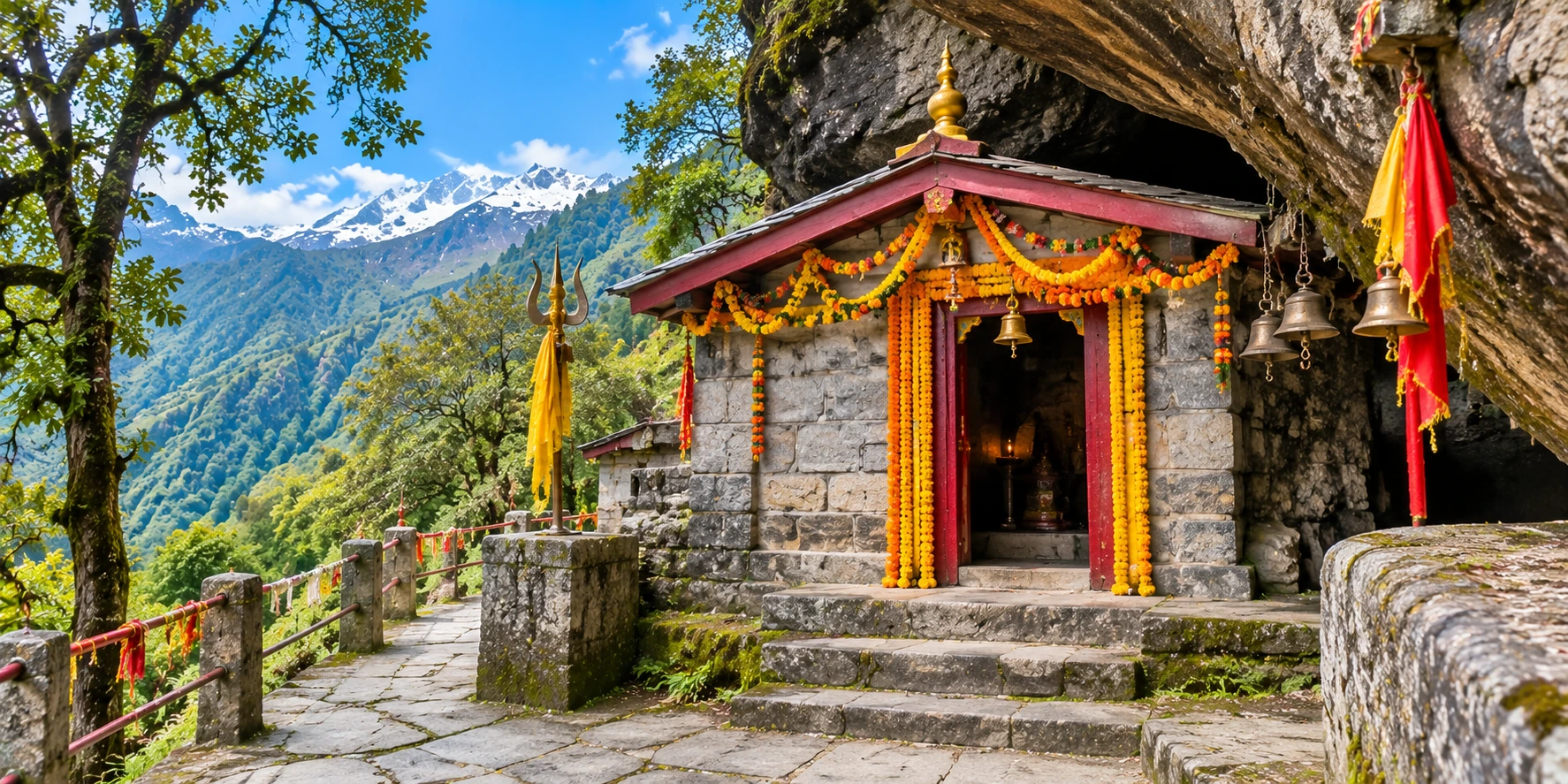
The Urgam Valley in the Garhwal Himalayas is known for its beautiful landscapes, peaceful surroundings, and spiritual atmosphere. Situated in this scenic valley, Kalpeshwar Temple is one of the most sacred places dedicated to Lord Shiva in Uttarakhand.
Kalpeshwar Temple, also known as Kalpnath Temple, is the fifth and final temple in the holy Panch Kedar circuit. Located in the Chamoli district at an altitude of approximately 2,200 metres (7,218 feet), the temple attracts pilgrims and nature lovers throughout the year.
The journey to Kalpeshwar Temple is one of the easiest among the Panch Kedar destinations. Unlike the other temples in the circuit, it does not require a long mountain trek. Visitors can travel by road towards Urgam Valley and complete a short walk to reach the temple.
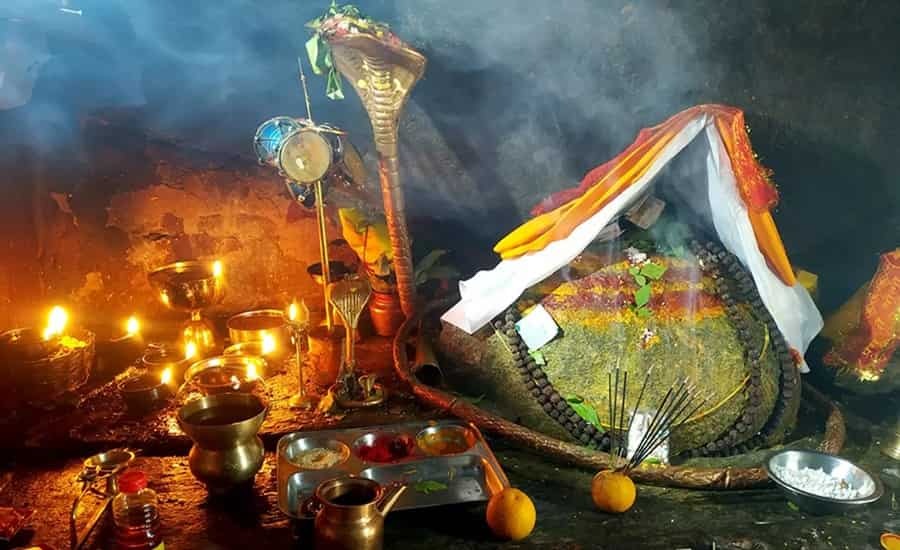
Kalpeshwar is also the only temple among the five Panch Kedar temples that remains open throughout the year. The temple is famous for its natural cave, where Lord Shiva is worshipped in the form of his matted hair (Jata).
Whether you are planning a religious visit or want to explore the peaceful beauty of the Himalayas, Kalpeshwar Temple offers a memorable experience. Let’s find out more about its history, trekking route, best visiting season, and important travel tips.
Where Is Kalpeshwar Temple Located?
Kalpeshwar Temple is located in the Urgam Valley of Chamoli district in Uttarakhand, India. It lies in the Garhwal Himalayas at an altitude of approximately 2,200 meters (7,218 feet) above sea level.
The temple is situated near Devgram village, around 23–25 km from Joshimath. Helang, located on the Rishikesh-Badrinath highway, is the main road junction for reaching Urgam Valley.
Surrounded by green forests, terraced fields, and traditional Himalayan villages, Kalpeshwar Temple offers a peaceful setting for pilgrims and travellers. The Kalp Ganga River also flows through the valley.
Location Details:
| Details | Information |
| Temple Name | Kalpeshwar Mahadev Temple |
| Village | Near Devgram |
| Valley | Urgam Valley |
| District | Chamoli |
| State | Uttarakhand |
| Country | India |
| Altitude | Approximately 2,200 metres |
| Nearest Town | Joshimath |
| Main Road Junction | Helang |
Why Visit Kalpeshwar?
Kalpeshwar Mahadev Temple is a special place for both pilgrims and nature lovers. Devotees visit to worship Lord Shiva, while travellers enjoy the peaceful surroundings of Urgam Valley.
The temple is known for its natural cave-like sanctum, where Lord Shiva is worshipped in the form of his matted hair. Another attraction is the sacred Kalpavriksha tree, which is believed to fulfil wishes.
The journey to the temple offers beautiful views of green forests, terraced fields, apple orchards, traditional villages, and the Kalp Ganga River.
Kalpeshwar Temple Timings and Darshan
Kalpeshwar Temple remains open throughout the year, making it possible for devotees to visit even during the winter season. Unlike the other four Panch Kedar temples, it does not follow a seasonal closure schedule.
According to the Incredible India tourism website, the temple opens at 6:00 AM and closes at 6:00 PM. Visitors can plan their darshan during these hours.
| Details | Timings |
| Temple Opening Time | 6:00 AM |
| Temple Closing Time | 6:00 PM |
| Morning Darshan | From 6:00 AM |
| Evening Darshan | Before closing time |
| Temple Availability | Throughout the year |
Temple timings may change during festivals or special occasions. It is better to confirm the timings locally before visiting.
Kalpeshwar Temple Entry Fee
There is no regular entry ticket required to visit Kalpeshwar Temple. General darshan is free for pilgrims and visitors.
You do not need to make an advance booking for normal darshan. However, if you want to perform a special puja or religious ritual, you can speak with the temple priest after reaching the temple.
| Details | Charges |
| General Entry Fee | Free |
| General Darshan | Free |
| Advance Darshan Booking | Not generally required |
| Special Puja | Confirm locally |
| Photography | Ask locally before taking pictures inside the temple |
Keep some cash with you for local transport, food, accommodation, and other personal expenses.
How Difficult Is the Kalpeshwar Trek?
The Kalpeshwar trek is considered one of the easiest walks among the five Panch Kedar temples. Unlike the longer treks to Kedarnath, Madhyamaheshwar, or Rudranath, reaching Kalpeshwar does not require much physical effort when the road towards Urgam is accessible.
The route from the Urgam and Devgram area is relatively straightforward. It does not involve the long and steep mountain climbs found on other Panch Kedar routes, making it suitable for beginners and pilgrims who can comfortably walk on village paths.
During the walk, you will pass through beautiful natural surroundings and enjoy views of the surrounding forests and mountains. The route also takes you through the peaceful landscape of the Urgam Valley.
Although the walk is easy, it is still important to wear comfortable footwear and walk carefully, especially during rainy weather. Take your time, enjoy the surroundings, and follow the local guidelines during your temple visit.
Kalpeshwar Trek Distance and Duration
The distance to Kalpeshwar Temple depends on your starting point. Earlier travel guides often described a longer trek from Helang through Urgam. However, road connectivity towards Urgam and Devgram has made the final walk shorter when vehicles can reach the area.
According to Uttarakhand Tourism, visitors can take jeeps from Helang towards Urgam and then walk approximately a couple of kilometres to reach the temple.
| Details | Information |
| Starting Point | Urgam / Devgram area |
| Main Road Access | Helang |
| Walking Distance | Approximately 2 km from Urgam, depending on the route |
| Trek Difficulty | Easy |
| Trek Duration | Depends on the starting point and walking speed |
| Suitable For | Beginners and pilgrims |
The walking distance may change depending on road conditions and the exact vehicle drop-off point. Ask local drivers about the current access before starting your walk.
Historical and Cultural Significance
Kalpeshwar Temple is one of the five Panch Kedar temples associated with the Mahabharata. According to Hindu mythology, the Pandavas searched for Lord Shiva to seek forgiveness after the Kurukshetra war. Shiva appeared in the form of a bull but disappeared into the ground when Bhima recognised him.
Different parts of his body appeared at five locations, which became the Panch Kedar temples: Kedarnath, Tungnath, Rudranath, Madhyamaheshwar, and Kalpeshwar. His matted hair (Jata) is worshipped at Kalpeshwar.
The temple is also linked to sage Durvasa, who is believed to have meditated near the sacred Kalpavriksha tree. These legends make Kalpeshwar an important pilgrimage site for Shiva devotees.
Best Time to Visit Kalpeshwar
Kalpeshwar Temple is the only temple in the Panch Kedar circuit that remains open throughout the year. This means pilgrims can visit the temple in any season without worrying about its seasonal closure.
However, some months are more suitable for visiting Kalpeshwar than others. Summer and post-monsoon seasons are generally considered good times for the journey. On the other hand, heavy rainfall and snowfall can make travelling difficult during the monsoon and winter months.
Let’s look at the different seasons and their weather conditions.
| Seasons | Months | Details |
| Summer Season | April to June | Pleasant weather makes travelling and walking to the temple comfortable. |
| Monsoon Season | July to September | The valley becomes greener, but heavy rainfall can affect road conditions. |
| Post-Monsoon Season | September to November | Clearer skies and beautiful mountain views make this a good time to visit. |
| Winter Season | December to March | The temple remains open, but cold weather and possible snowfall can make travelling difficult. |
Seasons to Avoid
Although Kalpeshwar Temple remains open throughout the year, certain seasons can make the journey less comfortable. Heavy rainfall, slippery roads, and snowfall may create difficulties for visitors.
Let’s look at the seasons when you should plan your visit carefully.
| Seasons | Months | Details |
| Monsoon Season | July to August | Heavy rainfall can increase the risk of landslides. Mountain roads and walking paths may become slippery. |
| Harsh Winter Conditions | December to February | Low temperatures and possible snowfall can affect road connectivity and local transport. |
If you are planning a comfortable visit, April to June and September to November are good options. Always check the local weather and road conditions before starting your journey.
How to Prepare for the Trip?
Even though Kalpeshwar Temple is easily accessible compared to other Panch Kedar destinations, a little preparation can make your journey more comfortable.
Here are a few tips you can follow before visiting the temple:
1. Start Early: Begin your journey early in the morning so you have enough time for the temple visit and sightseeing around Urgam Valley.
2. Wear Comfortable Shoes: Carry comfortable walking shoes with a good grip. They will help you walk easily on uneven and sometimes slippery paths.
3. Carry Food and Water: Keep drinking water and some snacks with you. Also, carry basic first-aid supplies.
4. Pack Warm Clothes: The weather in the mountains can change quickly. Carry warm clothes even if you are visiting during summer.
5. Respect the Temple: Follow the temple rules and respect local traditions. Avoid littering and keep the surroundings clean.
6. Check Weather Conditions: Before leaving for Kalpeshwar, check the weather forecast and road conditions, particularly during the monsoon and winter seasons.
7. Carry Cash: Keep enough cash for local transport and small purchases, as digital payment facilities may be limited in remote areas.
8. Plan Your Transport: Arrange local transport from Helang towards Urgam in advance, especially if you are travelling during the off-season.
How to Reach Kalpeshwar?
Kalpeshwar Temple is located in the Urgam Valley of Chamoli district in Uttarakhand. The temple can be reached through road travel followed by a short walk. Joshimath and Helang are important points on the route.
Let’s look at the different ways to reach Kalpeshwar.
By Train
To reach Kalpeshwar Temple by train, you can first travel to Rishikesh or Haridwar. Both railway stations are connected to several major cities across India.
Rishikesh is a convenient railway option for reaching the temple. From there, you can hire a taxi or take a bus towards Joshimath.
After reaching Helang on the Rishikesh-Badrinath highway, continue towards Urgam Valley using local transport. From the accessible roadhead, you will need to walk to the temple.
By Air
Jolly Grant Airport in Dehradun is the nearest airport to Kalpeshwar Temple.
After arriving at the airport, you can hire a taxi or use available transport options to reach Rishikesh and continue towards Joshimath. From there, travel towards Helang and Urgam Valley.
The road journey takes several hours, so it is better to plan an overnight stop if you are travelling from Dehradun.
By Road
Rishikesh is a convenient starting point for a road journey to Kalpeshwar Temple. You can travel towards Joshimath by taxi, bus, or shared vehicle.
The general route is:
- Rishikesh to Joshimath: Travel by road through Devprayag, Srinagar, Rudraprayag, and Chamoli.
- Joshimath to Helang: From Joshimath, take the road towards Helang on the Rishikesh-Badrinath highway.
- Helang to Urgam Valley: From Helang, continue towards Urgam village using local taxis or other suitable vehicles.
- Urgam to Kalpeshwar: Complete the remaining short walk to reach the temple.
The road from Helang towards Urgam is a mountain road, so check its condition and local vehicle availability before travelling, especially during the monsoon and winter months.
A Short Hike
The walk to Kalpeshwar Temple from Urgam Valley is relatively easy. Vehicles can travel towards the Urgam and Devgram area, depending on road conditions and accessibility. From the available roadhead, visitors complete the remaining distance on foot.
The walking route passes through beautiful village surroundings and leads to the natural cave temple. The distance depends on the exact point where your vehicle drops you.
Unlike other Panch Kedar treks, this walk does not involve a long mountain climb. It is suitable for visitors who want to enjoy a short walk while exploring the beauty of the Urgam Valley.
According to Uttarakhand Tourism, jeeps can be taken from Helang towards Urgam, followed by a walk of a couple of kilometres to the temple.
Where to Stay Near Kalpeshwar Temple?
Kalpeshwar Temple is situated in a quiet mountain valley, so accommodation options are more limited than in popular tourist towns. However, visitors can find basic homestays and guesthouses in and around Urgam Valley.
If you want to stay close to the temple, you can look for local homestays in Urgam and Devgram villages. These stays offer a simple place to rest and an opportunity to experience the local lifestyle.
Joshimath is another good option for accommodation. It has more hotels, guesthouses, and other facilities compared to the villages near the temple.
Here are some accommodation options to consider:
| Location | Accommodation Options | Best For |
| Urgam Village | Local homestays | Staying close to the temple |
| Devgram | Basic guesthouses and homestays | Pilgrims and budget travellers |
| Joshimath | Hotels and guesthouses | Families and comfortable stays |
| Pipalkoti | Hotels and guesthouses | Travellers looking for more accommodation choices |
It is better to confirm room availability before travelling, especially during the summer pilgrimage season.
Food and Facilities Near Kalpeshwar
The area around Kalpeshwar Temple is not heavily commercialised, so visitors should not expect the same facilities available in larger towns. Urgam Valley has small local shops and basic food options, but choices may be limited.
You can enjoy simple home-cooked Garhwali food at some local homestays. Joshimath also has restaurants, dhabas, and grocery shops where you can arrange food and other essentials.
Here are a few things to keep in mind:
- Food: Local homestays may provide simple home-cooked meals. Carry snacks for the journey.
- Drinking Water: Carry your own drinking water and refill only from safe sources.
- Medical Facilities: Keep basic medicines and a first-aid kit with you. For more medical facilities, Joshimath is a practical option.
- Mobile Network: Network availability can vary in the valley. Inform your family about your travel plans.
- ATMs: Arrange sufficient cash in Joshimath before travelling towards Urgam Valley.
It is always better to arrange your basic requirements before leaving Joshimath, as facilities become limited in the smaller mountain villages.
Kalpeshwar Temple Travel Itinerary
If you are planning to visit Kalpeshwar Temple, you can include the temple in a short trip to the Urgam Valley. A two-day itinerary will give you enough time for the journey, darshan, and nearby sightseeing.
Day 1: Rishikesh to Joshimath
- Start your journey from Rishikesh early in the morning.
- Travel through Devprayag, Srinagar, Rudraprayag, and Chamoli.
- Reach Joshimath and check into your hotel or guesthouse.
- Spend the evening exploring the local market and nearby attractions.
- Stay overnight in Joshimath.
Day 2: Joshimath to Kalpeshwar Temple
- Start early from Joshimath and travel towards Helang.
- Continue towards Urgam Valley using local transport, depending on road conditions.
- Reach the accessible roadhead and walk towards Kalpeshwar Temple.
- Visit the temple and seek the blessings of Lord Shiva.
- Explore the peaceful surroundings of Urgam Valley.
- If time permits, visit Dhyan Badri Temple.
- Return to Joshimath or continue your onward journey.
This itinerary can change depending on road conditions, transport availability, and your starting location. If you are travelling from a distant city, consider adding another day for a more relaxed journey.
Important Travel Tips for Kalpeshwar Temple
A visit to Kalpeshwar Temple is generally easy compared to other Panch Kedar destinations. However, the mountain roads and changing weather conditions require some preparation.
Here are a few additional tips to make your journey comfortable:
- Check the road conditions between Helang and Urgam before starting your journey.
- Avoid travelling during heavy rainfall, as landslides can affect mountain roads.
- Carry enough cash because digital payment facilities may not be available everywhere.
- Keep warm clothes and rain protection with you.
- Avoid littering around the temple and nearby villages.
- Respect local traditions and maintain silence inside the temple.
- If you are travelling during winter, check whether local vehicles are operating on the Urgam road.
- Keep some extra time in your travel schedule in case of road delays.
Nearby Places to Visit
The Urgam Valley and its surrounding areas offer several beautiful places worth visiting. Apart from Kalpeshwar Temple, you can explore nearby religious sites, traditional villages, and scenic mountain destinations.
Here are some popular places you can include in your trip.
1. Urgam Valley
Kalpeshwar Temple is situated in the beautiful Urgam Valley. The valley is surrounded by green forests, terraced fields, and traditional Himalayan villages. It is a peaceful place for nature lovers and visitors who want to enjoy the mountain lifestyle.
2. Dhyan Badri Temple (Within Urgam Valley)
Dhyan Badri Temple is dedicated to Lord Vishnu and is one of the Sapta Badri temples. Located near Urgam and Barghinda villages, it holds religious importance and is a peaceful place to visit while exploring the valley.
3. Joshimath (Around 23–25 km)
Joshimath is an important religious and tourist destination in Uttarakhand. It serves as a gateway to several popular places, including Badrinath, Auli, and Hemkund Sahib. You can also find accommodation and transport facilities here.
4. Auli (Around 38 km)
Auli is a popular hill destination known for its snow-covered slopes and beautiful Himalayan views. It is also famous for skiing and other adventure activities. From Joshimath, Auli is around 11–16 km by road or approximately 4 km by ropeway.
5. Rudranath Temple (18–22 km Trek from Sagar Village)
Another important temple in the Panch Kedar circuit, Rudranath is dedicated to Lord Shiva. It is located in the Garhwal Himalayas and is known for its beautiful natural surroundings. The trek from Sagar Village is around 18–22 km one way. A connecting trek between Urgam Valley/Kalpeshwar and Rudranath can cover approximately 40–66 km, depending on the route.
Conclusion
Kalpeshwar Temple offers a beautiful combination of spirituality, nature, and adventure. From its connection with the Mahabharata to the peaceful surroundings of the Urgam Valley, the temple has something special for every visitor.
Whether you are a devotee of Lord Shiva or someone who enjoys exploring the Himalayas, a visit to Kalpeshwar can be a memorable experience. The short walk, scenic views, and peaceful atmosphere make it a wonderful destination to include in your Uttarakhand travel plans.
Frequently Asked Questions
Kalpeshwar Temple is approximately 50–60 km from Badrinath by road, depending on the route. Visitors can travel via Joshimath and Helang to reach Urgam Valley.
Yes, Kalpeshwar Temple is the fifth and final shrine of the Panch Kedar circuit. However, visiting only Kalpeshwar does not complete the pilgrimage. You need to visit all five temples: Kedarnath, Madhyamaheshwar, Tungnath, Rudranath, and Kalpeshwar.
Mobile network connectivity is limited in Urgam Valley and around Kalpeshwar Temple. Some networks may work in nearby areas, but the signal can be weak or unavailable at certain locations. It is better to inform your family before starting the journey.
Photography may be restricted inside the temple’s cave sanctum. Visitors should follow the temple authorities’ instructions and ask for permission before taking photographs inside.
Yes, basic food facilities are available in Urgam Valley and nearby villages. Visitors can find small local eateries and homestays serving simple meals. However, options are limited, so it is better to carry some snacks and drinking water for the journey.
People are also reading: