
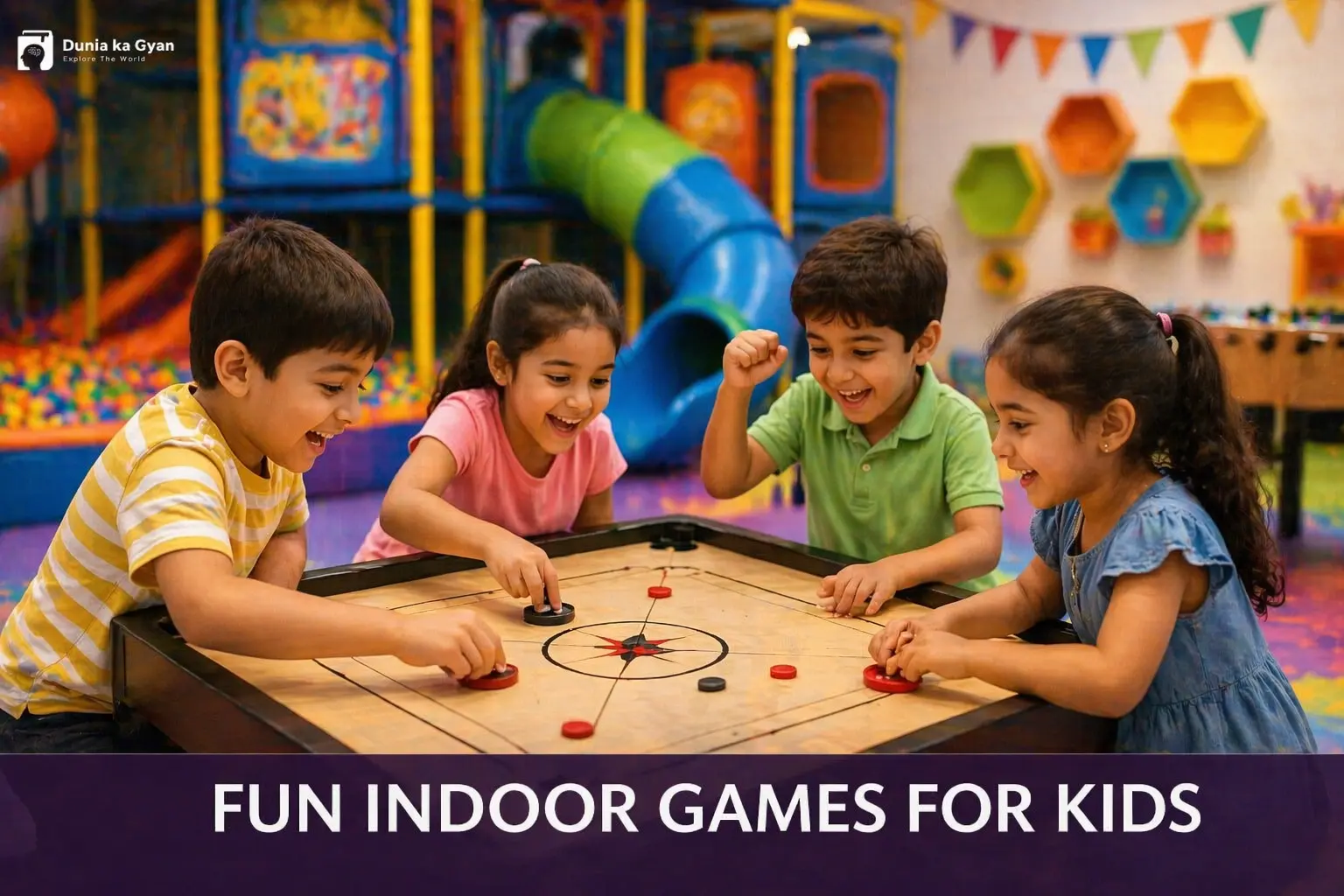
Keeping kids entertained at home can sometimes feel like a big challenge, especially when the weather isn’t ideal for outdoor play. But indoor games don’t just keep them busy; they also help with their physical activity, creativity, and problem-solving skills. The best part? Most of these games need little to no special equipment and can be set up quickly, turning your living room into a fun playground. Playing indoors also helps children learn to use their imagination and make the most of available space.
Here’s a guide to fun indoor games for kids that are easy to play at home.
20 Fun Indoor Games for Kids
Keep kids active and entertained at home with 20 fun indoor games that boost creativity, learning, and play.
1. Treasure Hunt
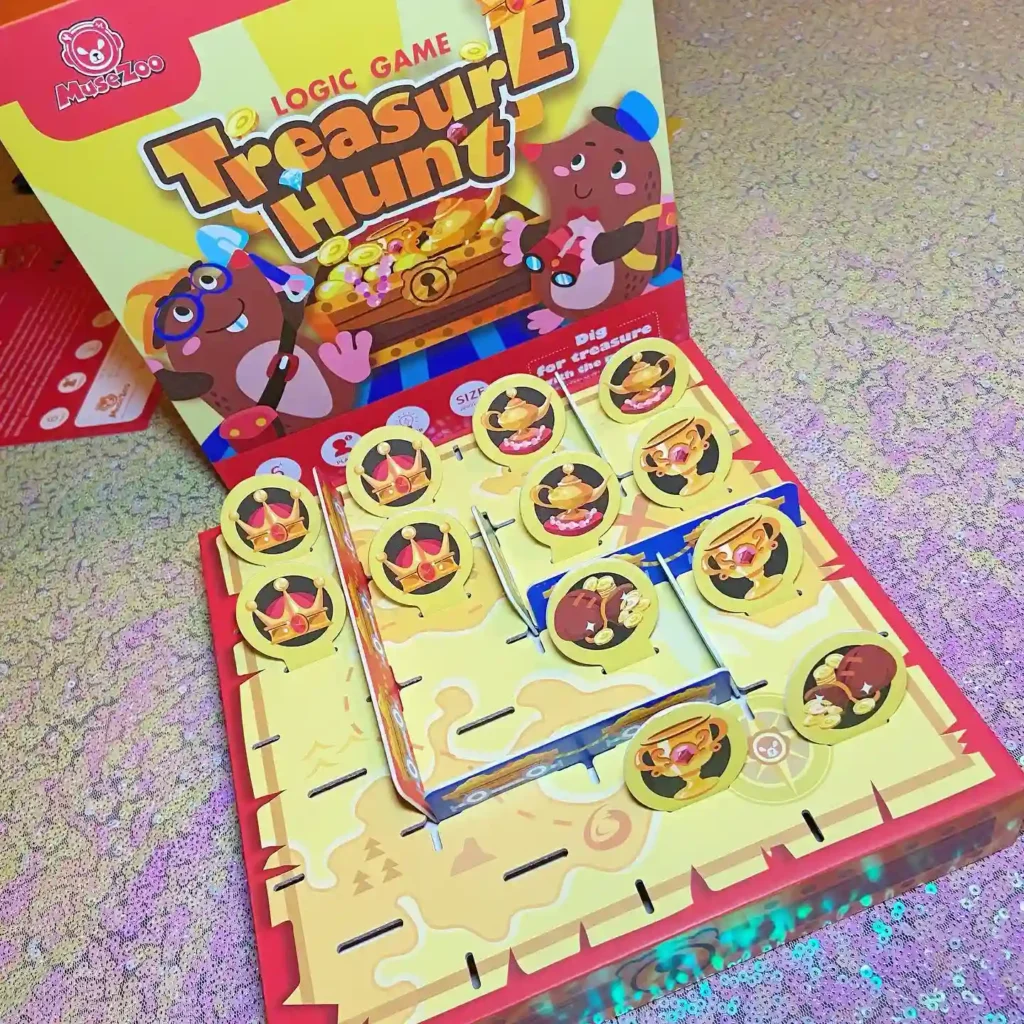
A treasure hunt is a classic game that never gets old. Hide small toys, candies, or notes around the house and give kids clues to find them. You can make it as simple or as elaborate as you like, using riddles, maps, or color-coded hints. It encourages kids to think creatively and follow directions while having a thrilling adventure indoors. Children love the excitement of discovering hidden treasures and it can be themed according to holidays or birthdays.
2. Indoor Obstacle Course

Transform your living room into an obstacle course using cushions, chairs, blankets, and other household items. Kids can crawl under tables, hop over pillows, and balance on lines made from tape. This game is great for energy release and physical exercise, making it perfect for active children. You can even time each child to add a competitive element and encourage improvement.
3. Balloon Volleyball
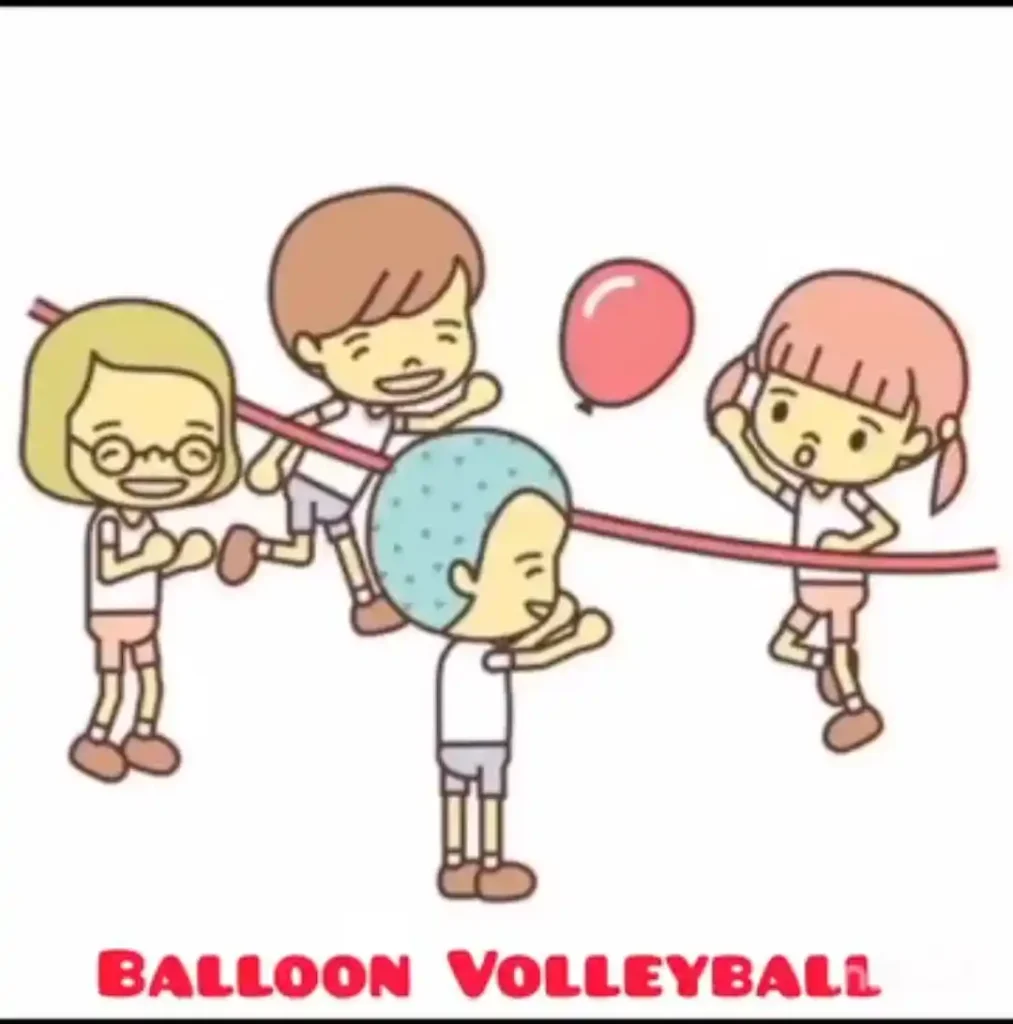
Blow up a balloon and create a “net” with a string or a row of chairs. Kids can play volleyball or keep the balloon in the air without letting it touch the ground. It’s safe for indoor play, improves hand-eye coordination, and is loads of fun for siblings or friends. Balloon volleyball is also a great way to get everyone laughing and moving together.
4. Indoor Bowling
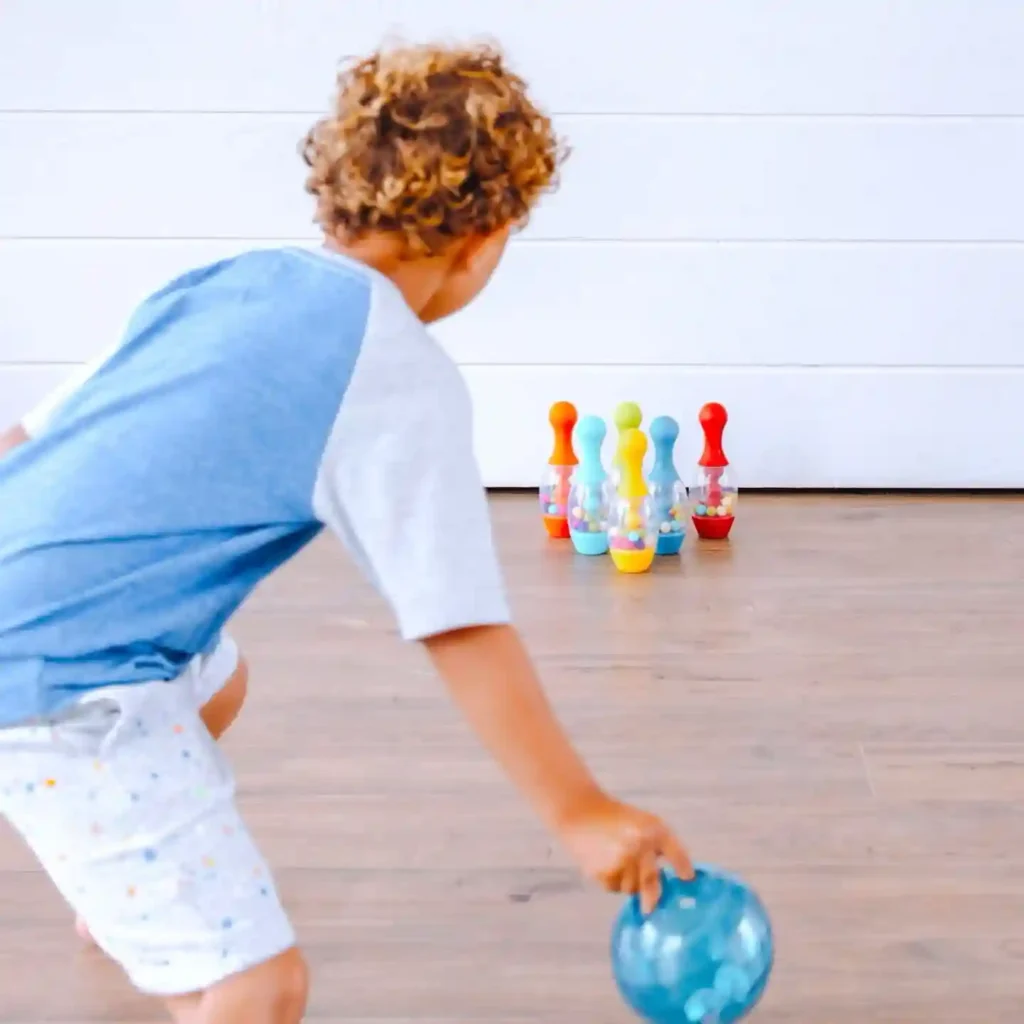
Use empty water bottles as pins and a soft ball as the bowling ball. Set them up at one end of the hallway or room and let your child try knocking them down. You can even add a scoring system to make it more exciting and competitive. Changing the distance or using different size balls can make each round more challenging and fun.
5. Simon Says
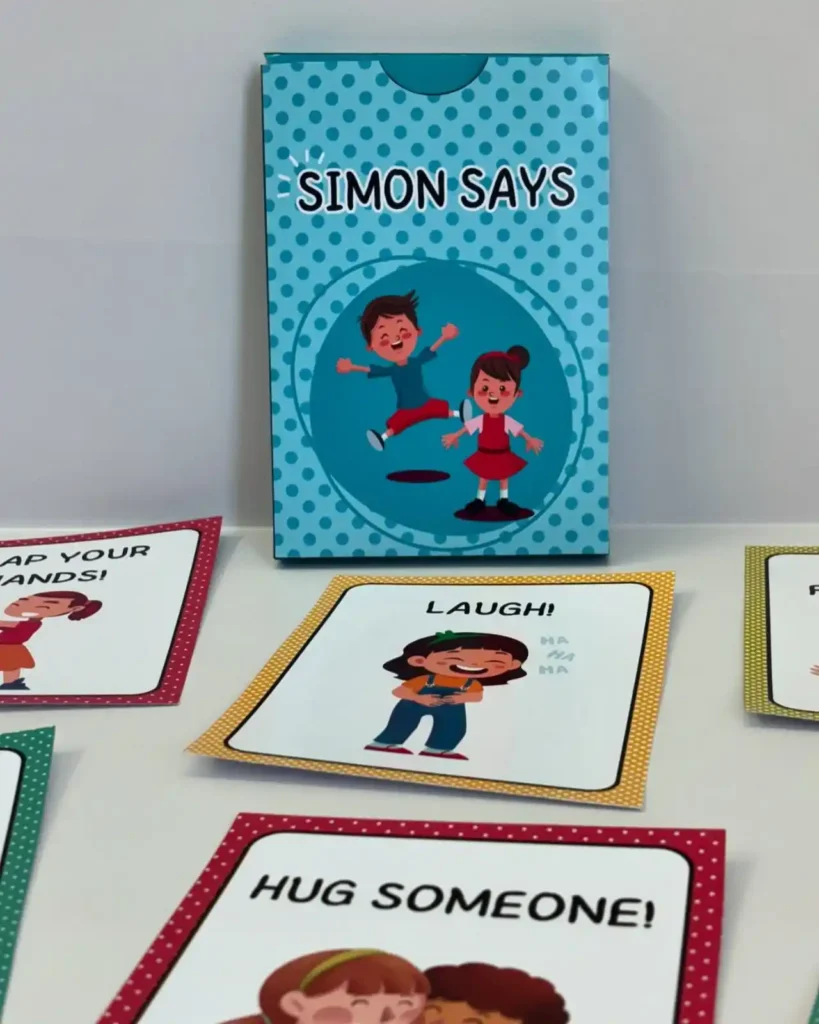
Simon Says is a fun and simple game that tests listening skills and attention. One person plays “Simon” and gives instructions like “Simon says touch your nose.” Kids must follow the instructions only if preceded by “Simon says.” It’s educational and a lot of fun for group play. You can also add actions related to learning numbers, letters, or colors to make it more interactive.
6. Puzzle Challenge
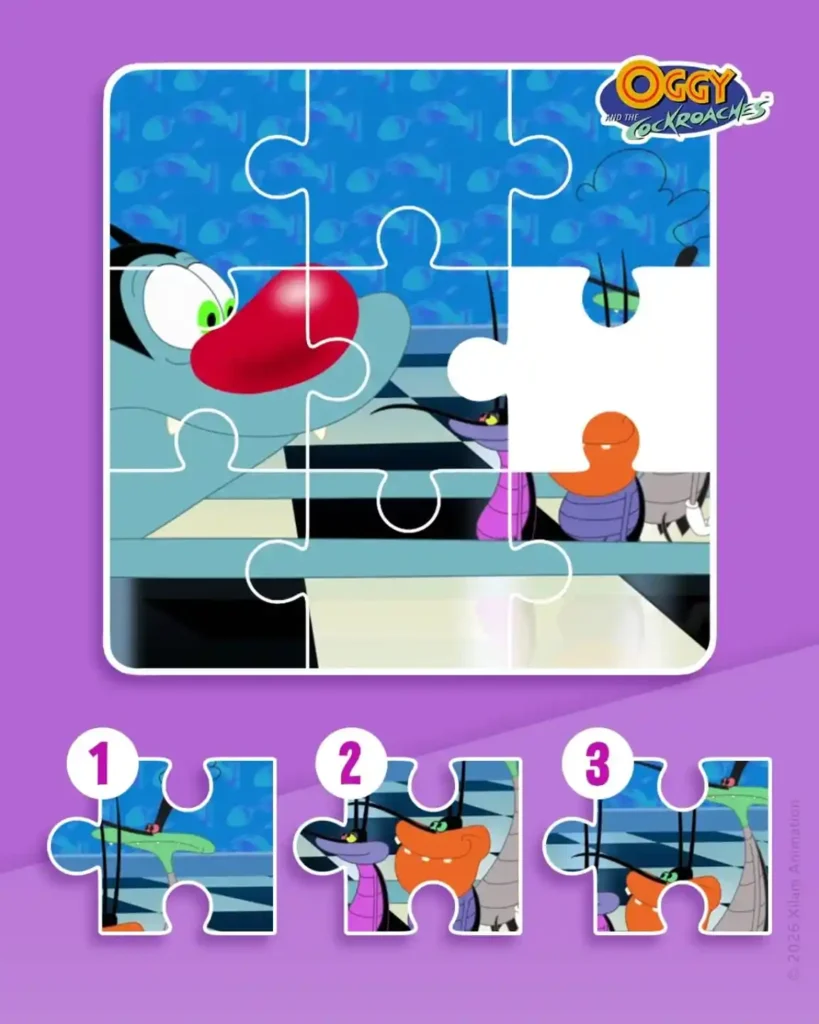
Puzzles are excellent for developing problem-solving skills and patience. You can choose jigsaw puzzles, word searches, or brain teasers according to your child’s age. Set a timer to make it a challenge, or work together for a collaborative activity. Puzzles also improve concentration and give kids a sense of accomplishment when completed.
7. Indoor Hopscotch
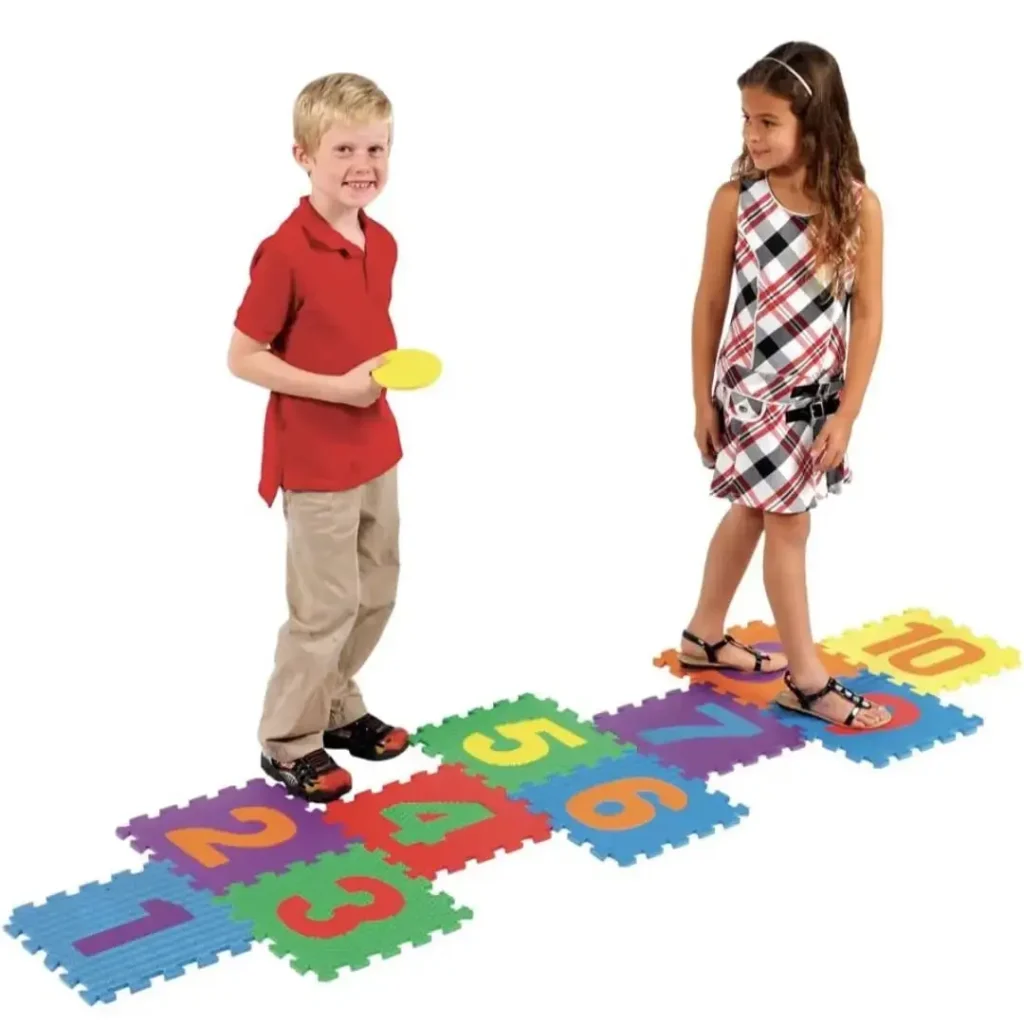
Use masking tape to create a hopscotch grid on the floor. Kids can jump, balance, and count as they play. This game not only provides physical activity but also helps with number recognition and coordination. You can mix it up by adding shapes, colors, or letters to create more learning opportunities while playing.
8. Musical Chairs
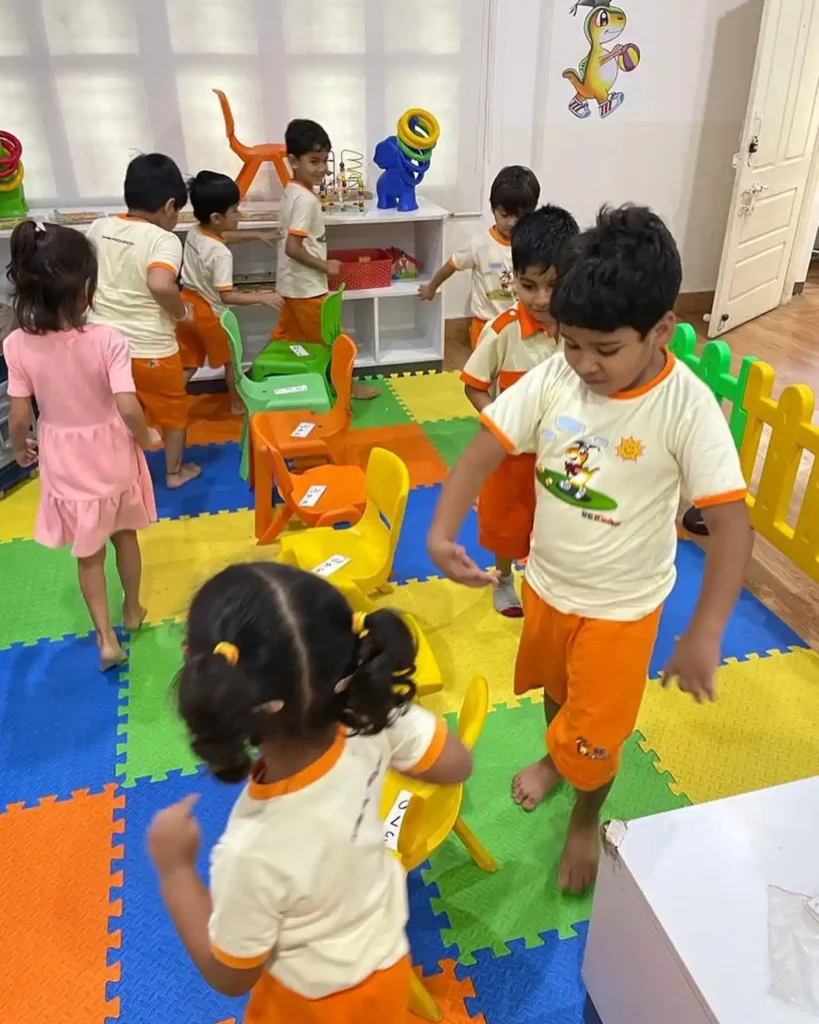
Arrange chairs in a circle, one less than the number of participants. Play music and have kids walk around the chairs. When the music stops, everyone must find a seat. The one left standing is out, and a chair is removed each round until one winner remains. This game keeps children active and alert while teaching them patience and fair play.
9. Hide and Seek
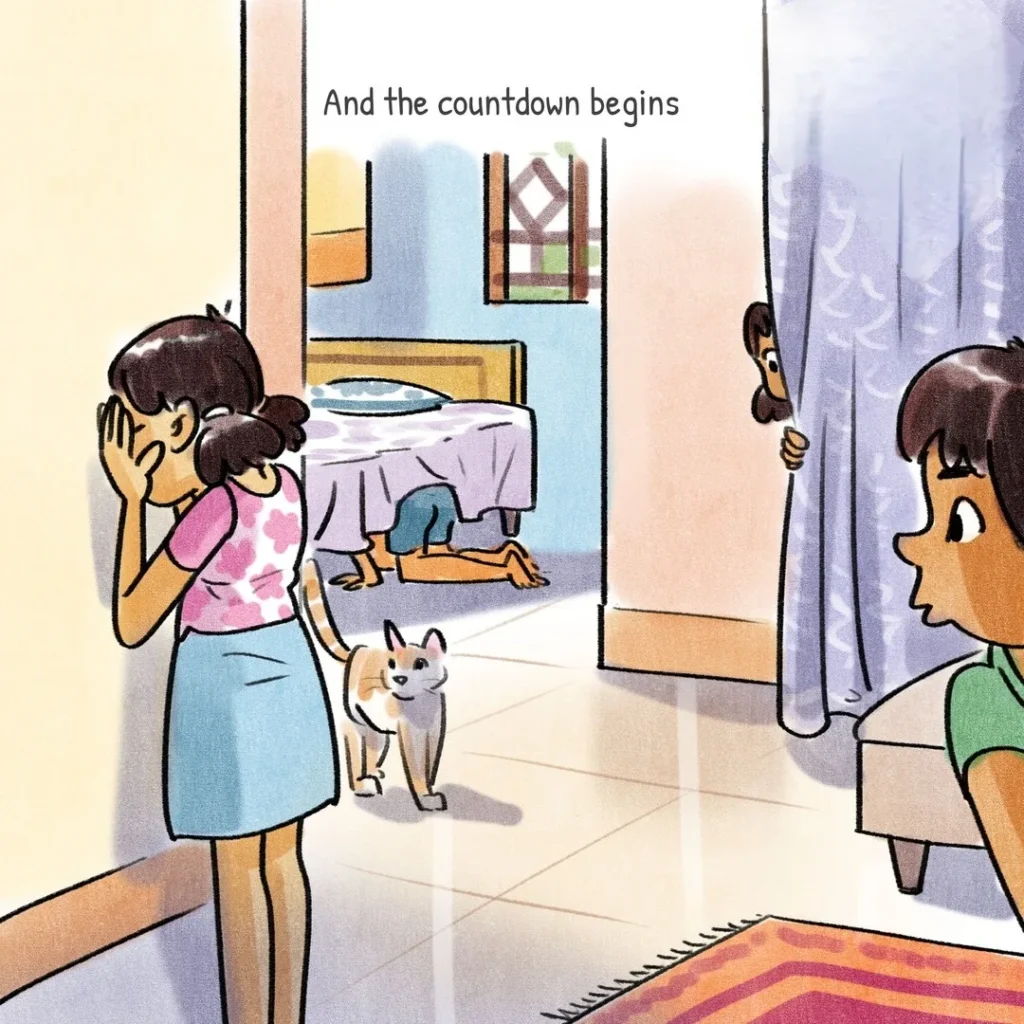
Hide and Seek is a timeless favorite. One child counts while the others hide, and then the seeker tries to find them. It encourages strategy, observation, and patience. You can add variations like hiding small items instead of people for younger kids or creating themed scenarios to make it more exciting.
10. Indoor Scavenger Hunt
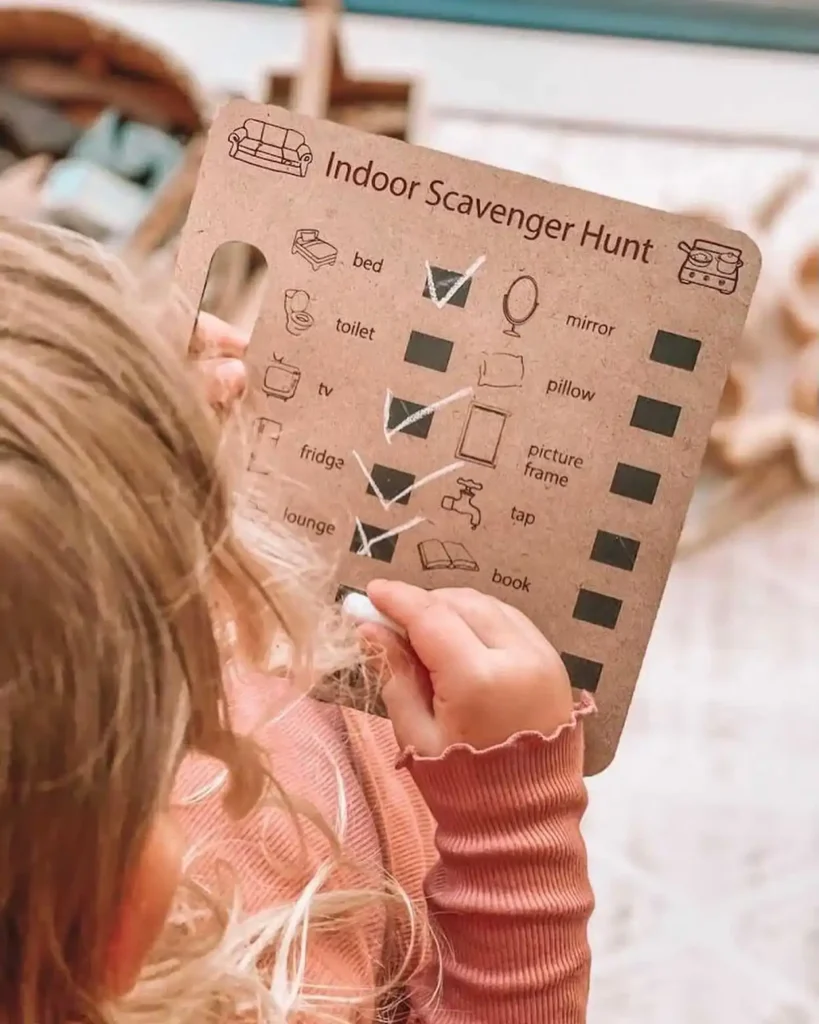
Similar to a treasure hunt, a scavenger hunt gives kids a list of items to find around the house. For example, “Find something red, something soft, and something that makes a sound.” It keeps children moving and engages their observation skills. You can increase the difficulty by setting a timer or adding riddles to each item on the list.
11. Paper Airplane Contest

Teach kids to fold paper airplanes and then have a contest to see whose plane flies the farthest. You can add creative challenges like doing loops or hitting a target. This game encourages fine motor skills and creativity while giving kids a sense of competition and accomplishment.
12. Sock Toss
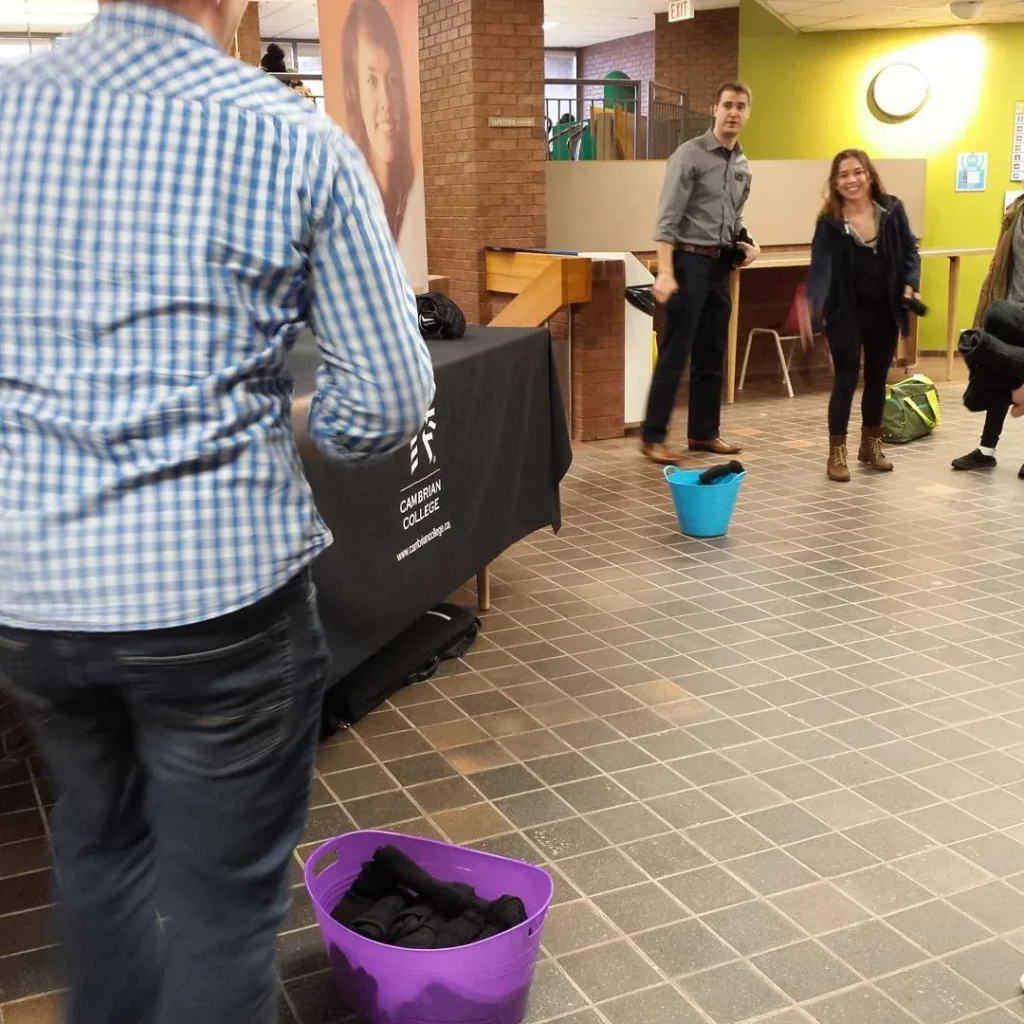
Set up a laundry basket or bucket and give kids rolled-up socks to toss into it. You can vary the distance and score points to make it more fun. This simple game improves hand-eye coordination and provides active play without any risk of breaking things. You can also play in teams to encourage cooperative play.
13. Indoor Basketball
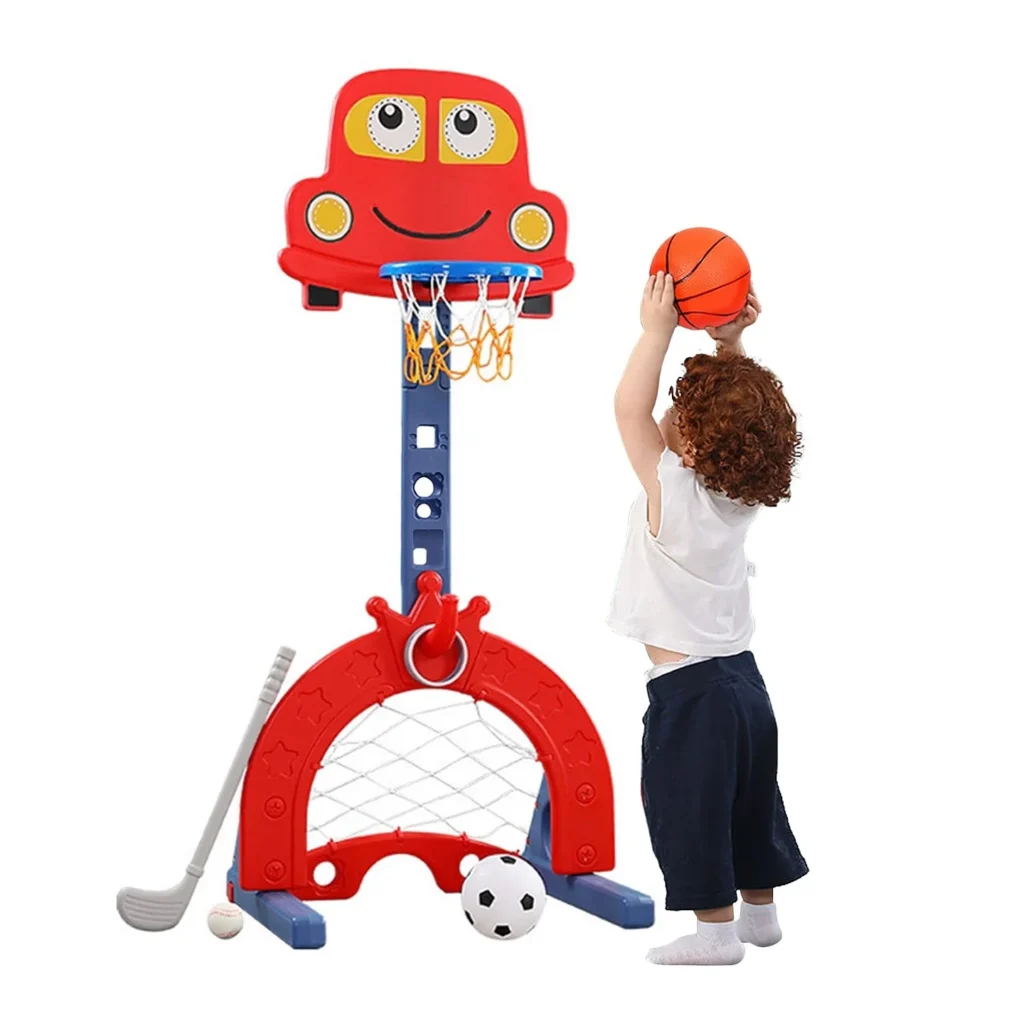
Use a soft ball and a laundry basket or cardboard box as a hoop. Kids can practice shooting, dribbling, or even make mini-tournaments. It’s a great way to burn energy and develop coordination indoors. You can also use small targets around the room for added challenges.
14. Storytelling Game
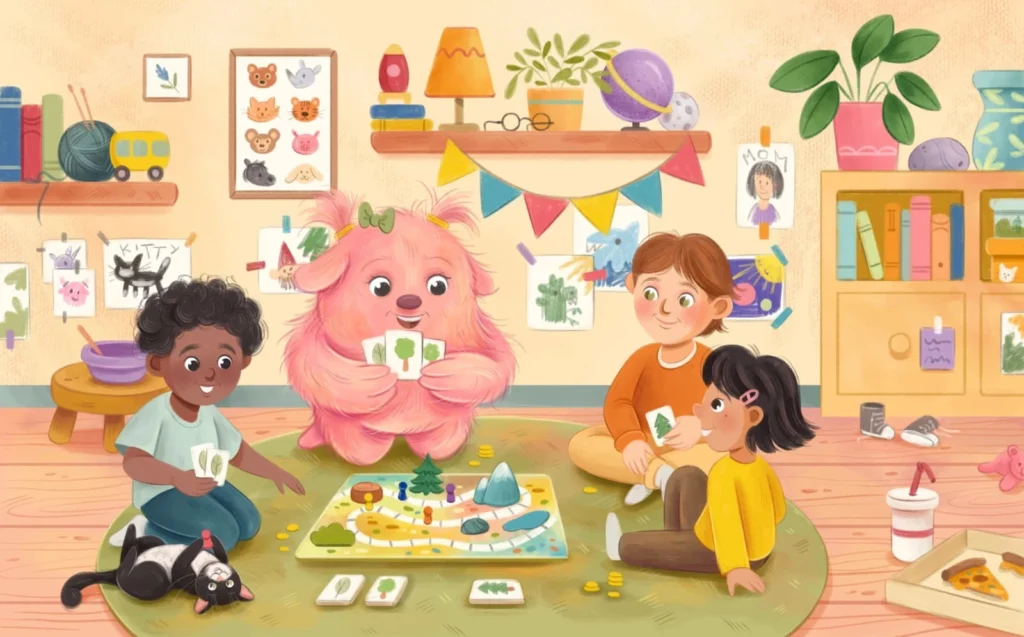
Encourage kids to create a story together. One person starts with a sentence, and the next adds to it. You can make it more structured by giving themes like “space adventure” or “mysterious jungle.” This game boosts imagination, vocabulary, and communication skills while also teaching kids to listen to each other’s ideas.
15. Freeze Dance
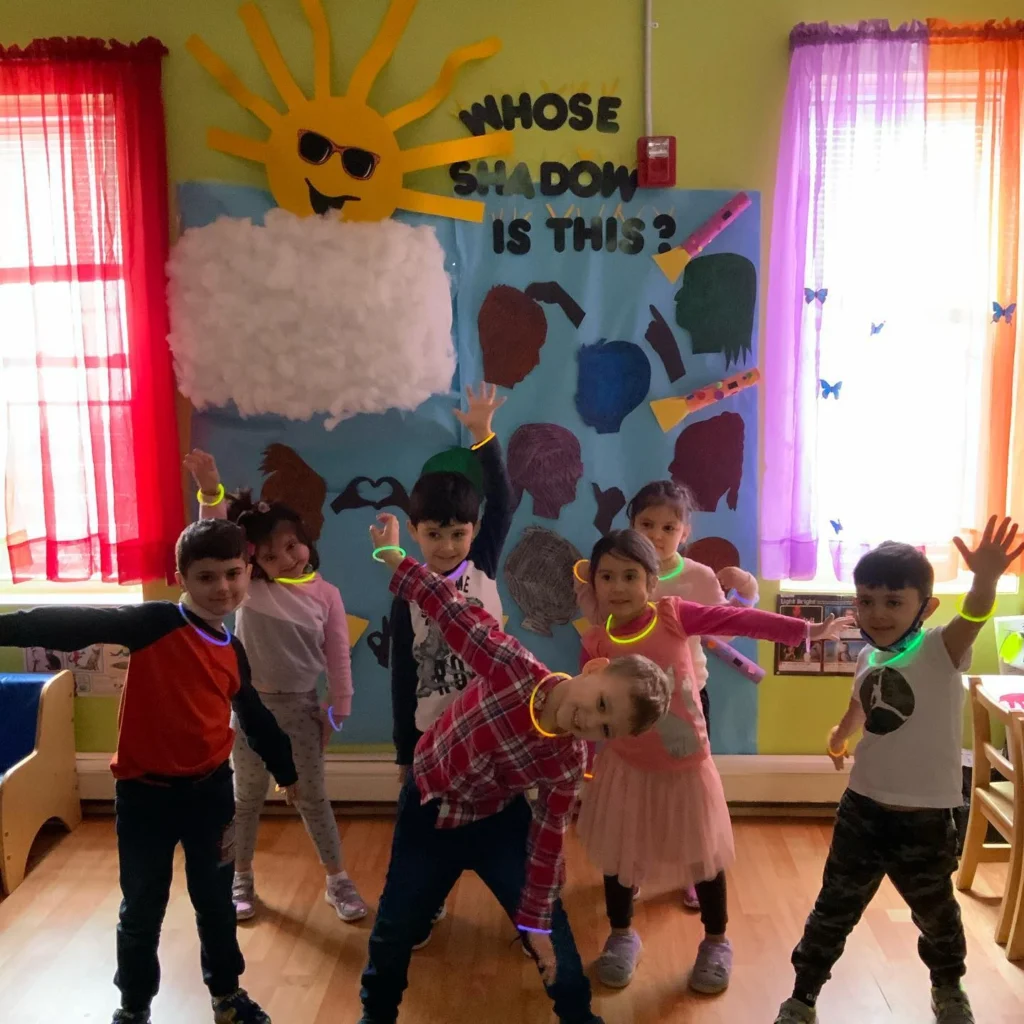
Play some music and let kids dance freely. When the music stops, they must freeze in place. Anyone who moves is out, and the last child remaining wins. This game is perfect for a burst of energy and lots of laughter. You can also encourage creative poses to make it even more entertaining.
16. Indoor Ring Toss
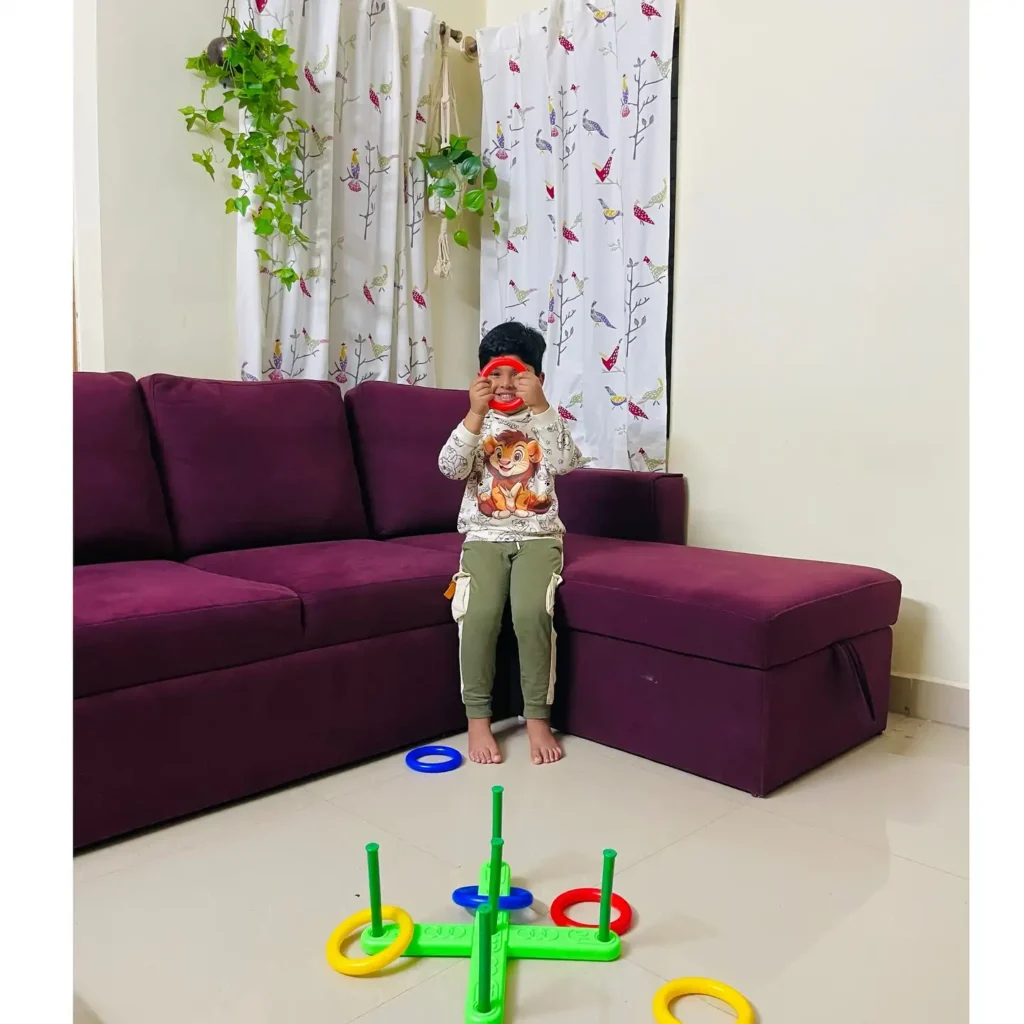
Use plastic rings, hoops, or even paper rings and set up small targets like bottles or cones. Kids try to toss the rings onto the targets, which helps with hand-eye coordination and focus. You can make it competitive or cooperative depending on your children’s ages and add point values for each target.
17. Build a Fort
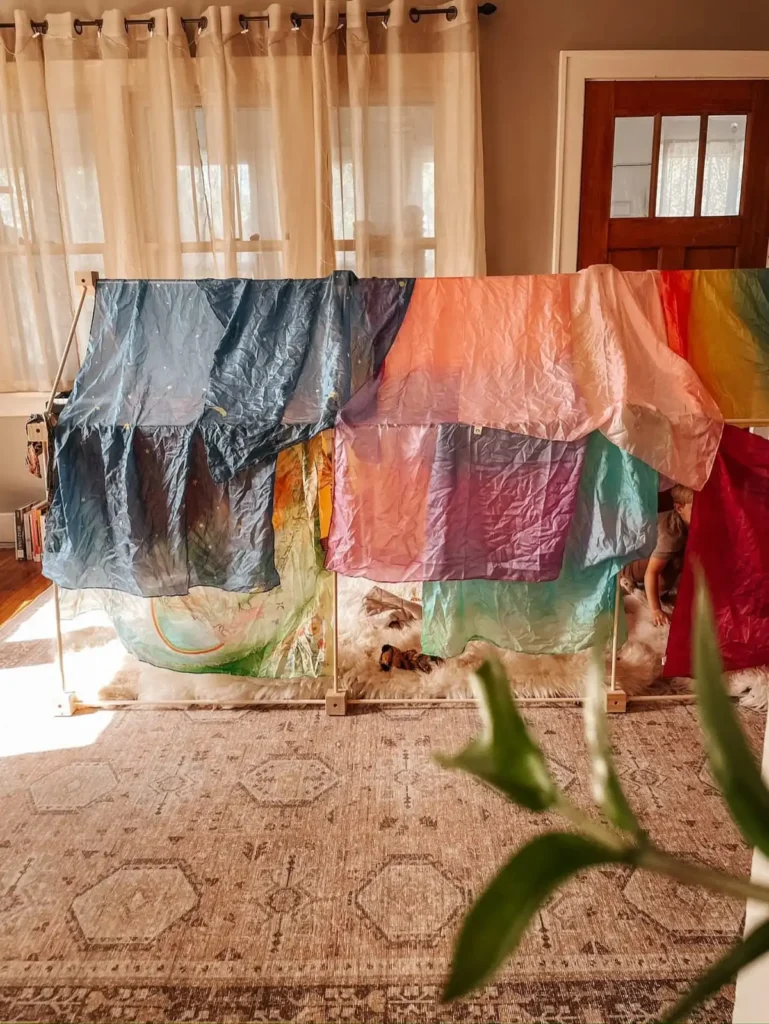
Let kids use pillows, blankets, and chairs to build a fort. Once built, it can become a reading nook, a playhouse, or the center of imaginative games. Building forts encourages creativity, teamwork, and problem-solving skills while giving kids a sense of accomplishment and ownership.
18. Charades
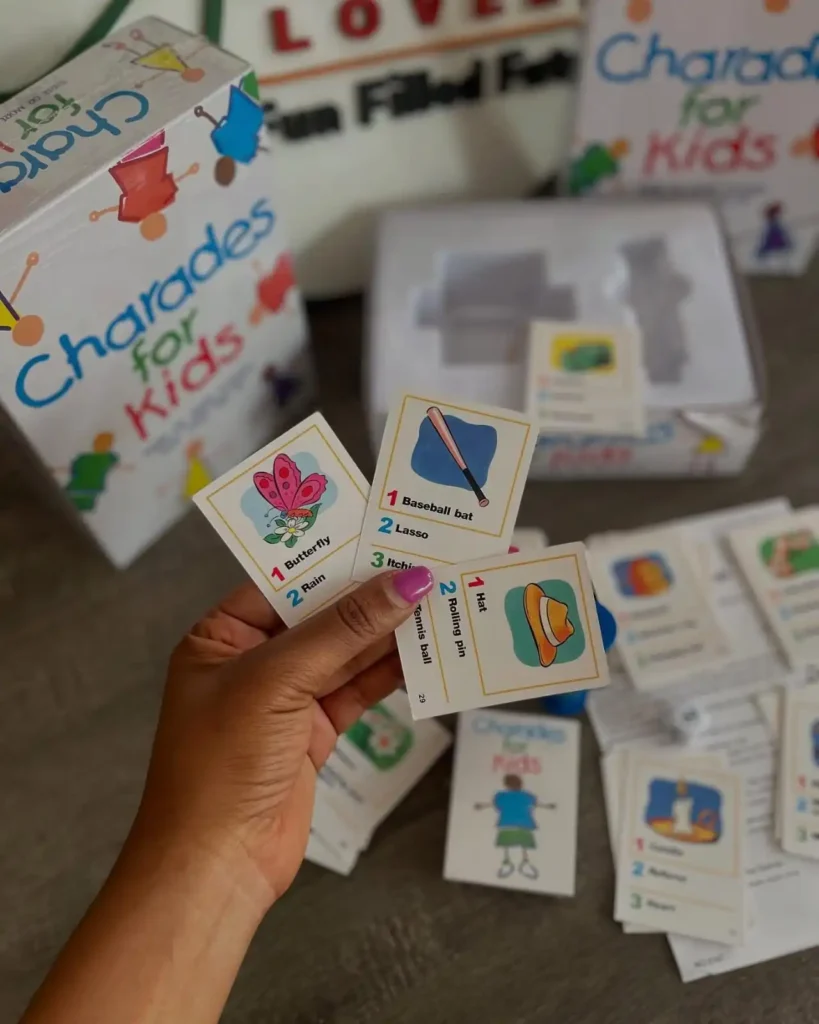
Charades is a perfect game for developing acting skills and creativity. Write down words or phrases on slips of paper, and kids take turns acting them out while others guess. It’s entertaining, interactive, and fosters communication. You can even make themed rounds, such as animals, movies, or superheroes, to keep it fresh.
19. Indoor Mini Golf
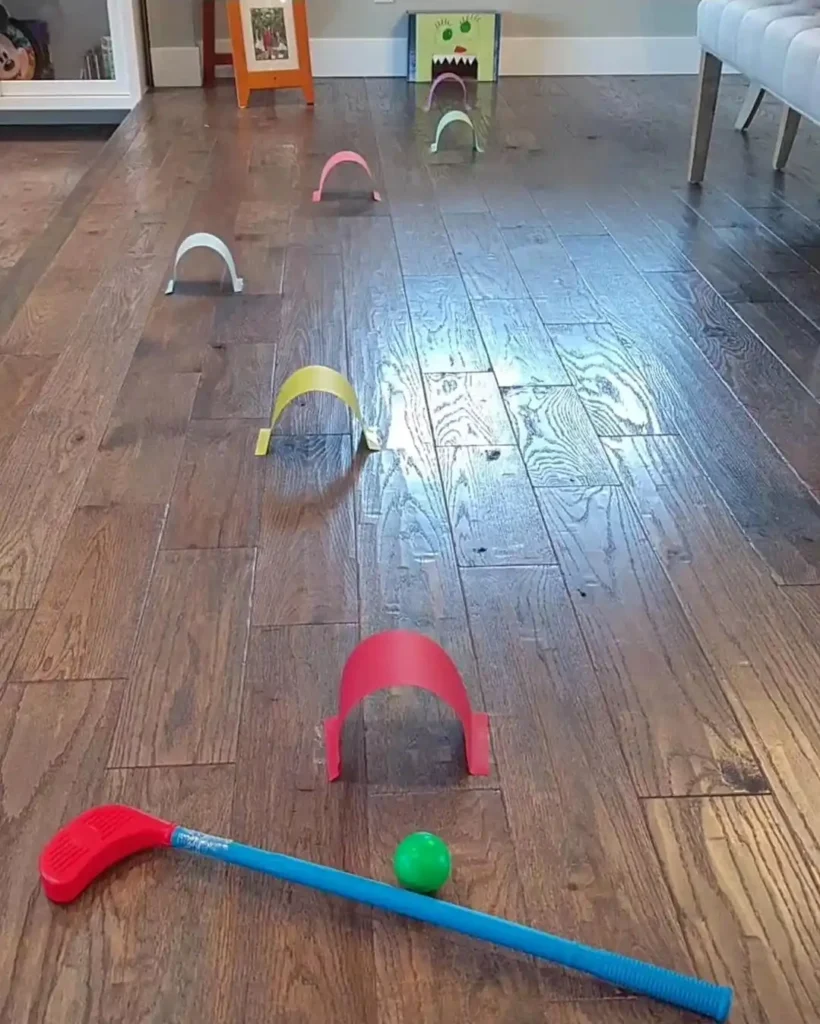
Create mini golf holes around the house using cups, cardboard, and soft balls. Kids can use a stick or toy golf club to hit the ball into the “holes.” This game improves focus, patience, and hand-eye coordination while allowing kids to explore their problem-solving skills.
20. Cup Stacking Challenge
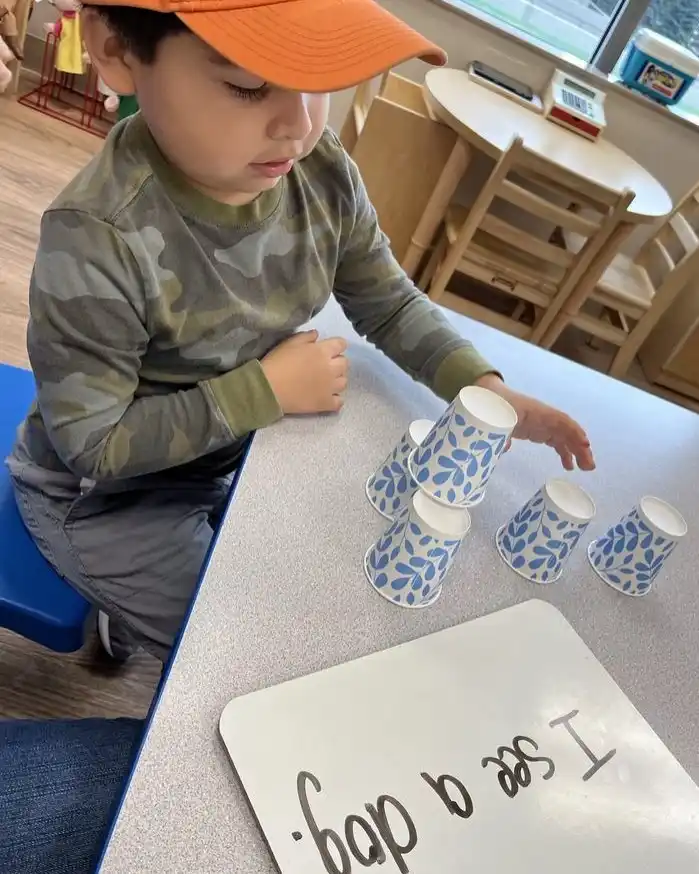
Cup stacking is a fun game that develops hand-eye coordination, concentration, and speed. Kids can use plastic cups to build towers or pyramids and then try to stack and unstack them as quickly as possible. You can turn it into a timed challenge or a friendly competition to make it more exciting.
Benefits of Indoor Games for Kids
Indoor games are more than just a way to pass time. They offer several benefits for children, including:
- Physical activity: Helps kids stay active and burn off energy even when stuck inside.
- Creativity and imagination: Games like storytelling and fort building encourage kids to use their imagination.
- Problem-solving skills: Puzzles, scavenger hunts, and obstacle courses help develop critical thinking.
- Social skills: Group games like musical chairs and charades teach teamwork, patience, and cooperation.
- Family bonding: Playing together strengthens family relationships and creates happy memories.
Age-Appropriate Game Recommendations
Different games are suitable for different age groups.
- Toddlers (2-4 years): Simple games like indoor bowling, sock toss, or balloon volleyball.
- Preschoolers (4-6 years): Treasure hunts, freeze dance, and musical chairs work well.
- School-age kids (6-12 years): Puzzle challenges, cup stacking, indoor mini golf, and storytelling games are perfect.
This helps parents quickly choose games that match their child’s development level.
Games Using Household Items
Many indoor games don’t require special toys. Common household items can make playtime fun and creative:
- Rolled-up socks for sock toss.
- Plastic cups for cup stacking.
- Water bottles for bowling.
- Paper for paper airplanes or drawing challenges.
Using household items encourages kids to think resourcefully while having fun.
Tips for Making Indoor Games More Fun
Keeping indoor games exciting doesn’t require expensive toys or complicated setups. With a little creativity and variety, you can make playtime more enjoyable, engaging, and meaningful for children.
- Rotate games regularly to keep children interested and prevent boredom
- Use simple household items creatively instead of buying new toys
- Include group games to build social skills and teamwork
- Add solo games to give kids quiet and relaxing playtime
- Always supervise younger children to ensure safety during active games
- Encourage creativity and appreciate their efforts to make games more fun
Safety Tips for Indoor Play
Keep indoor play safe and enjoyable with a few simple precautions.
- Clear the play area of breakable items and sharp corners
- Use soft toys and padded surfaces for safety
- Always supervise active games, especially for younger children
- Teach kids basic safety rules and safe behavior
- Create a safe environment so children can play freely without risk
How to Make Indoor Games Educational
Many indoor games can also help children learn while playing. Counting during hopscotch, problem-solving in puzzles, or storytelling games can improve literacy, math skills, and teamwork. Incorporate learning elements subtly to make games both fun and educational.
DIY Indoor Game Ideas
Kids love creating their own games. Simple DIY projects like making your own ring toss, bowling pins, treasure maps, or paper airplanes can spark creativity. Encouraging kids to invent games fosters imagination and resourcefulness while keeping them busy.
Conclusion
Indoor games are more than just a way to pass the time; they help children develop physical, cognitive, and social skills in a fun and engaging way. With these 20 games, you can keep your kids entertained, active, and happy at home, no matter the weather. Trying different games each day will not only reduce boredom but also create memorable experiences and strengthen family bonds.
Frequently Asked Questions
Treasure hunts, balloon volleyball, cup stacking, musical chairs, and storytelling games are all easy and fun.
Try games like hopscotch, freeze dance, obstacle courses, or mini basketball to get them moving.
Yes! Toddlers, preschoolers, and school-age kids can enjoy different games suited to their age.
Yes! Puzzles, scavenger hunts, and storytelling help kids learn numbers, letters, and teamwork.
Use socks, water bottles, cups, paper, blankets, and chairs to create simple and creative games.
People are also reading
- Survival Thriller Web Series
- Trending Romantic Movies
- Bollywood Comedy Movies
- Best Anime Shows
- Top Korean Shows
- Horror Movies