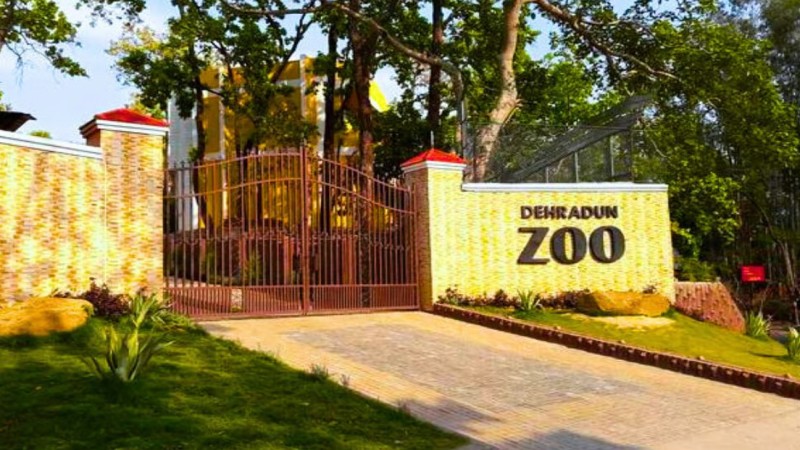
Dehradun Zoo, formerly known as Malsi Deer Park, is a popular wildlife attraction located on the Dehradun Mussoorie Road in Uttarakhand. Surrounded by greenery and a natural setting, the zoo gives visitors an opportunity to see different animals and birds while learning about wildlife and conservation.
One of the notable features of Dehradun Zoo is its approach to animal enclosures. Rather than relying entirely on artificial surroundings, the zoo aims to provide spaces that are closer to the animals’ natural habitats. This makes it a popular place for families, children, nature lovers, and visitors looking for a relaxed outing near Dehradun.
About Dehradun Zoo (Malsi Deer Park)
Dehradun Zoo provides visitors with an opportunity to experience wildlife while learning about the importance of protecting animals and their natural habitats. Along with being a recreational attraction, the zoo also helps create awareness about wildlife conservation.
The zoo is managed by the Uttarakhand Forest Department and focuses on wildlife care, conservation awareness, and providing visitors with an educational experience in a natural setting.
Key Highlights
- Located in the Shivalik foothills on Dehradun–Mussoorie Road
- Open, natural-style animal enclosures
- Home to a variety of mammals, birds, reptiles, and aquatic species
- Green and peaceful surroundings
- Walking trails and visitor facilities
- Suitable for families, children, and educational visits
- Easily accessible from Dehradun city
History and Development
Dehradun Zoo, formerly known as Malsi Deer Park, was established in 1976 as a Van Chetna Kendra. It initially housed a small number of animals and birds, including spotted deer, goral, barking deer, peafowl, and budgerigars. Over the years, the park developed into a more structured wildlife facility and also served as a rescue centre for wild animals and birds.
In 2012, Malsi Deer Park received recognition as a Mini Zoo from the Central Zoo Authority (CZA). The zoo’s first master layout plan was approved in 2013, followed by the establishment of a separate management unit in 2014. In 2016, the Uttarakhand government formed the Dehradun Zoo Management Society to support the independent management of the zoo.
Over time, the zoo has developed its animal enclosures, visitor facilities, healthcare infrastructure, and other amenities. Its development has focused on wildlife conservation, animal welfare, education, and improving the visitor experience.
Animals and Wildlife at Dehradun Zoo
Dehradun Zoo houses a variety of Indian wildlife and birds. The enclosures are designed to provide animals with a safe and comfortable environment while allowing visitors to observe them.
Current Animal List
Mammals
- Leopard, including resident leopards such as Raja
- Tiger
- Himalayan Black Bear
- Deer species, including sambar, spotted deer, barking deer, and two-horned deer
- Nilgai (Bluebuck)
- Wild Boar
- Porcupine
- Monkeys and rabbits
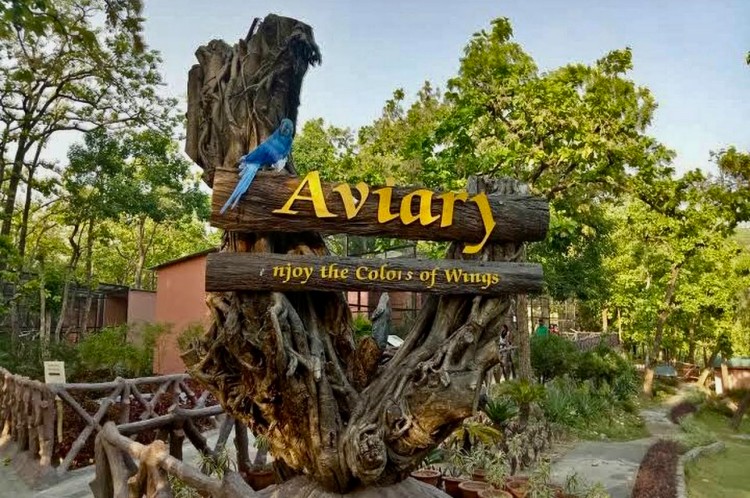
Birds & Aviary
- Peacocks / Indian Peafowl
- Ostriches and emus
- Parrots and parakeets, including Alexandrine, Rose-ringed, Plum-headed, and Red-breasted varieties
- Macaws
- Vultures and owls
- Pheasants, including Golden, Silver, and Lady Amherst
- Turkeys
Reptiles & Amphibians
- Crocodiles and gharials
- Turtles and tortoises
- Snakes, including pythons and cobras in the snake house
Aquatic World (Fish Aquarium)
- Dollar fish
- Goldfish
- Zebra Danio fish
- Green Terror fish
- Texas Cichlid
- Puffer fish and alligator fish
Activities to Do at Dehradun Zoo
A visit to Dehradun Zoo is not limited to animal viewing. Visitors can also spend time exploring the aviary, aquarium, reptile section, gardens, and other areas of the zoo.
Popular Activities
- Wildlife and animal watching
- Bird watching in the aviary
- Visiting the Aquatic World and Reptile House
- Spending time with family at the children’s play area
- Exploring the botanical and cactus gardens
Entry Fee & Parking Charges at Dehradun Zoo
Dehradun Zoo has separate charges for different visitor categories and facilities. Parking is also available for visitors arriving by private vehicles.
Since entry fees and additional facility charges can change, visitors should confirm the latest rates before planning their visit.
Entry Fee
- Adults (above 12 years): ₹20 to ₹30 per person
- Children: ₹10 to ₹15 per person
- Foreign Nationals: ₹50 to ₹100 per person
- Camera Charges: ₹25 for still photography
- Online Booking: Not available
- Aquatic World (Aquarium): ₹20 to ₹50 per person, where applicable
- Reptile House / Snake Section: ₹30 per person
- Rock / Cactus Garden: ₹10 per person
- Locker Charges: ₹10
Vehicle Parking Fees
- Two-Wheeler (Bike/Scooter): ₹20
- Four-Wheeler (Car/Jeep): ₹50
- Bus / Tempo Traveller: ₹150 on weekdays and up to ₹200 on Sundays and holidays
Dehradun Zoo Timings
The zoo’s opening hours may vary by season and administrative schedules.
- Summer Timings (March–October): Generally 8:30 AM–6:00 PM
- Winter Timings (November–February): Generally 9:00 AM–5:00 PM
- Weekly Closed Day: Monday
It is advisable to confirm the latest timings before visiting, especially during holidays or seasonal changes.
Best Time to Visit Dehradun Zoo
Weather can make a noticeable difference to your experience at Dehradun Zoo, particularly because visitors spend time walking between different sections. The following table covers the best visiting months and travel information.
Seasonal Highlights
|
Season / Information |
Details |
|
Best Months to Visit |
October to March |
|
Weather |
Generally more comfortable for walking around the zoo. |
|
Animal Activity |
Animals may be more active during the cooler morning hours. |
|
Summer Afternoons |
Temperatures can become uncomfortable, so plan your visit accordingly. |
Location and How to Reach Dehradun Zoo
|
Travel Information |
Details |
|
Location |
Approximately 9–10 km from Dehradun city centre, on Mussoorie Road. |
|
Nearest Bus Stand |
ISBT Dehradun |
|
Nearest Railway Station |
Dehradun Railway Station |
|
Transport Options |
Taxi, auto-rickshaw, or private vehicle. |
|
Parking |
Parking facilities are available. |
|
Nearby Travel Route |
Located on the route towards Mussoorie, making it possible to combine a visit with nearby attractions. |
Animal Welfare Donations
Animal welfare and conservation initiatives can be supported through donations and adoption programmes, subject to the programmes currently offered by the relevant authorities.
The Wildlife Wing of the Uttarakhand Forest Department runs an Animal Adoption Programme at Dehradun Zoo. Under this programme, sponsors can contribute towards the feeding, medical care, and maintenance of selected animals for a specified period.
Dehradun Zoo Animal Adoption Programme
The Wildlife Wing of the Uttarakhand Forest Department runs the Animal Adoption Programme at Dehradun Zoo. Sponsors contribute towards the feeding, medical care, and habitat maintenance of a specific animal for one year.
Annual Adoption Fee Structure
|
Animal / Species |
Annual Adoption Rate (INR) |
|
Tiger / Asiatic Lion |
₹50,000–₹20,00,000 |
|
Leopard / Ostrich |
₹25,000 |
|
Snake / Gharial / Fish Aquarium Tank |
₹20,000 |
|
Yellow Macaw |
₹15,000 |
|
Crocodile / Peacock / Eagle |
₹10,000 |
|
Emu |
₹7,000 |
|
Spotted Deer / Owl / Turtle / Love Birds / Parakeet |
₹5,000 |
Facilities Available at Dehradun Zoo
The zoo provides several basic facilities to make the visit more comfortable for visitors.
- Parking area
- Drinking water points
- Restrooms with running water
- Resting benches along walking paths
- Signboards and directions
Visitor Guidelines and Safety Information
Visitors are expected to follow zoo rules to maintain safety, cleanliness, and a suitable environment for the animals.
- Outside food may be restricted.
- Maintain silence near animal enclosures.
- Feeding the animals is not allowed.
- Follow the designated pathways while moving between different enclosures.
- Wear comfortable shoes, as visiting the entire zoo involves considerable walking.
Nearby Attractions to Dehradun Zoo
Dehradun Zoo is located close to several popular attractions in and around Dehradun. Visitors can combine their zoo visit with other sightseeing stops depending on their available time.
|
Attraction |
Driving Distance |
Approx. Travel Time |
Best For |
|
Gucchupani (Robber’s Cave) |
4.3 km |
14 mins |
River cave walk & family picnics |
|
7.2 km |
20 mins |
Nature trekking & waterfalls | |
|
Tapkeshwar Temple |
12.7 km |
28 mins |
Spiritual cave exploration |
|
Sahastradhara |
12.8 km |
32 mins |
Sulphur springs & ropeway |
|
Forest Research Institute (FRI) |
14.5 km |
32 mins |
Architecture & museum tours |
|
Mindrolling Monastery |
20.8 km |
54 mins |
Serene gardens & Buddhist culture |
Educational Importance of Dehradun Zoo
Dehradun Zoo can help visitors understand the importance of wildlife conservation and habitat protection. Information about animal behaviour, habitats, and environmental challenges can make a zoo visit more educational, particularly for children and students.
Families can use the visit as an opportunity to introduce children to different species and discuss the importance of protecting wildlife and natural habitats.
Why Dehradun Zoo Is a Popular Attraction
Dehradun Zoo combines wildlife, nature, and learning in one place. Its green surroundings, animal enclosures, walking areas, and visitor facilities make it suitable for families, students, and nature lovers looking for a day outing near Dehradun.
For visitors who previously knew the attraction as Malsi Deer Park, the current name is Dehradun Zoo.
Conclusion
Dehradun Zoo, formerly known as Malsi Deer Park, is a wildlife attraction that combines nature, conservation awareness, and education. Its location on the Dehradun–Mussoorie Road makes it convenient to include in a Dehradun sightseeing plan.
Before visiting, it is a good idea to confirm the latest entry fees, timings, animal sections, and facility availability, as these details can change over time. With comfortable footwear and enough time to walk around, visitors can enjoy a relaxed and informative visit to the zoo.
Frequently Asked Questions
Yes. Dehradun Zoo is the current name of the attraction formerly known as Malsi Deer Park.
A visit can take around 2–3 hours, depending on how much time you spend at the different animal sections and facilities.
Yes, the zoo can be visited by people of different age groups. However, visitors should keep in mind that exploring the zoo involves walking.
Still photography may be allowed, subject to the zoo’s applicable rules and camera charges.
The information provided for this guide states that online booking is not available. Visitors should confirm the current ticketing process before visiting.
The zoo is generally closed on Mondays for its weekly maintenance schedule.
People are also reading: