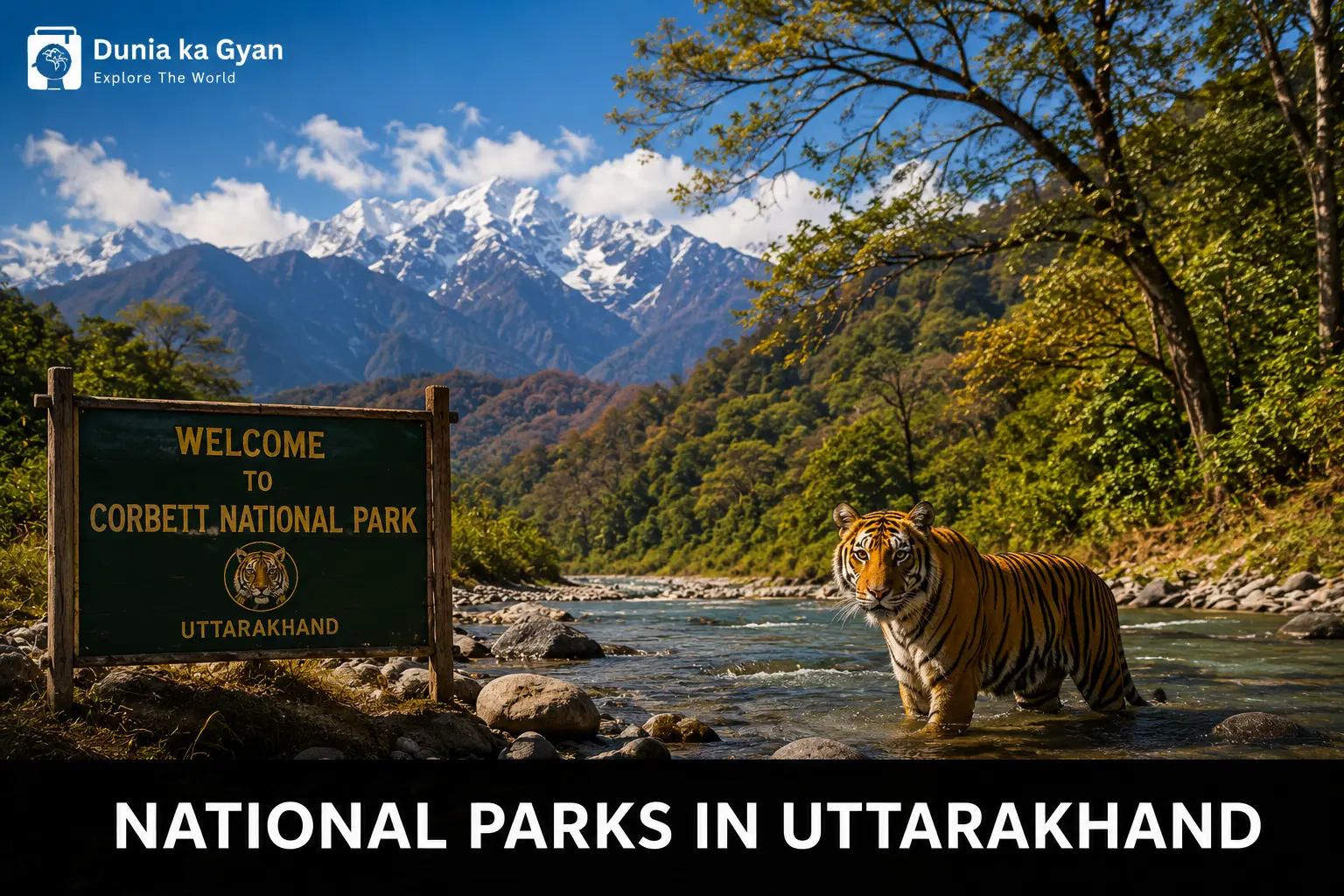
Whenever people talk about Uttarakhand, the first things that usually come to mind are famous hill stations, ancient temples, and spiritual destinations like Kedarnath and Badrinath. However, many travelers overlook the incredible National Parks in Uttarakhand, which protect some of the state’s most beautiful forests, alpine meadows, glacier valleys, and Himalayan landscapes. After spending years exploring different corners of the state, I have realized that Uttarakhand’s true magic often lies within these protected wilderness areas.
Over the last few years, I have had the opportunity to visit several national parks across Uttarakhand. From searching for tigers in Jim Corbett to trekking through flower-covered Himalayan valleys and standing near the source of the sacred Ganga River, each journey offered something completely different.
If you’re planning a trip and wondering which national park deserves a place on your itinerary, this guide is based on my personal experiences and practical observations from the road.
Uttarakhand National Parks – Quick Comparison
| Park | Best For | Experience Type | Difficulty |
| Jim Corbett | Tigers | Jungle Safari | Easy |
| Rajaji | Elephants | Wildlife Safari | Easy |
| Valley of Flowers | Flowers & Trekking | Scenic Trek | Moderate |
| Nanda Devi | Rare Wildlife | Restricted Zone | Hard |
| Gangotri | Glaciers & Ganga Origin | Trek + Pilgrimage | Moderate–Hard |
| Govind | Offbeat Trekking | Adventure Trek | Moderate |
Complete List of National Parks in Uttarakhand
1. Jim Corbett National Park
| Attribute | Details |
| Location | Nainital District, Uttarakhand |
| Established | 1936 |
| Area | 520 sq km |
| Famous For | Bengal Tigers & Wildlife Safaris |
| Altitude | 385 – 1,100 meters |
| Entry Fee | ₹200–₹250 (Indians), ₹1000+ (Foreigners) + Safari Charges |
Corbett was the first place where I truly understood why wildlife safaris are so addictive. Every drive through the forest felt different, and the possibility of spotting a tiger kept everyone alert throughout the journey. I was amazed by the mix of dense sal forests, open grasslands, riverbeds, and beautiful landscapes spread across the park.
The Ramganga River adds to the park’s beauty and supports a rich variety of wildlife, including elephants, crocodiles, deer, and hundreds of bird species. Each safari zone, whether Dhikala, Bijrani, Jhirna, or Dhela, offers a unique experience, making every visit feel different. For wildlife lovers and photographers, Corbett is easily one of the best national parks to explore in Uttarakhand.
Geographical Location
Jim Corbett National Park is located in the Nainital district of Uttarakhand, at the foothills of the Himalayas. The park lies along the Ramganga River basin, which plays a crucial role in maintaining its biodiversity and ecological balance.
Special Features
Flora
- Dominated by sal forests
- Mixed deciduous vegetation
- Open grasslands (chaurs)
- Riverine forests
Fauna
- Bengal Tiger (key attraction)
- Asian Elephant
- Leopard
- Crocodiles (gharials & mugger)
- Deer species (chital, sambar, barking deer)
- 600+ bird species
How to Reach
By Road
Well connected to Delhi (approx 250 km), Nainital, and Haldwani via highways. Private taxis and buses are easily available.
Nearest Bus Stand
Ramnagar
By Rail
Ramnagar Railway Station is the nearest railhead with direct trains from Delhi and nearby cities.
By Air
Pantnagar Airport (approx 80 km)
Safari Zone Distances
- Ramnagar → Dhikala Zone: 30–40 km inside forest route
- Ramnagar → Bijrani Zone: 10–20 km forest drive
- Ramnagar → Jhirna/Dhela: 15–25 km access routes
All movement is safari-based, not trekking.
Trekking & Adventure Activities
- Jeep Safari – The highlight of my visit and the best way to explore Corbett’s forests and wildlife.
- Canter Safari (Dhikala Zone) – A great option for experiencing the park’s famous core area.
- Bird Watching – Perfect for nature lovers, with hundreds of bird species found across the park.
- Nature Walks with Guides – A wonderful way to learn about the forest, its flora, and smaller wildlife.
- Riverside Camping – Available outside the core zone and ideal for enjoying Corbett’s natural beauty.
- Wildlife Photography – From majestic elephants to colorful birds, there are endless photography opportunities.
Safari Zones & Important Info
- Dhikala Zone: Best for tiger sightings & core forest experience
- Bijrani Zone: Dense forest + high wildlife activity
- Jhirna & Dhela Zones: Open throughout the year
Permits are mandatory and should be booked in advance online or via authorized agents.
Timings
- Morning Safari: 6:00 AM – 10:00 AM
- Evening Safari: 2:30 PM – 6:00 PM
(Timings may vary seasonally)
Best Time to Visit
- November to June is the best time to visit Jim Corbett, especially if you’re planning a wildlife safari.
- I would recommend avoiding the monsoon season, as most safari zones remain closed between July and October.
Travel Tips
- Book your safari well in advance, especially during weekends and peak travel seasons.
- Don’t forget to carry a valid ID proof, as it’s required for entry.
- Wear neutral-colored clothing to blend into the surroundings and avoid disturbing wildlife.
- If possible, choose an early morning safari for a better chance of spotting animals.
- Respect the forest at all times by avoiding loud noises and following park guidelines.
Why Visit Jim Corbett National Park?
- Best place in Uttarakhand for tiger sightings
- Perfect mix of wildlife + landscapes
- Suitable for both beginners and experienced travelers
- One of the most organized safari parks in India
2. Rajaji National Park
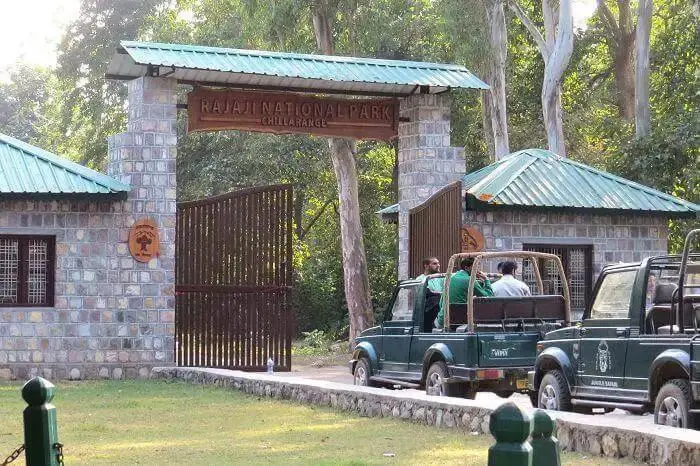
| Attribute | Details |
| Location | Haridwar, Dehradun, Pauri Garhwal |
| Established | 1983 |
| Area | 820 sq km |
| Famous For | Asian Elephants |
| Altitude | 300–1,000 m |
| Entry Fee | ₹150 (Indians), ₹600 (Foreigners) + Safari Charges |
It offers a completely different experience from Corbett. Tucked away in the Shivalik foothills, it is known for its dense sal forests, scenic river valleys, and rich wildlife. The park is especially famous for its population of wild Asian elephants, making it one of the best places in Uttarakhand to see these magnificent animals in their natural habitat.
What I love about Rajaji is its peaceful atmosphere. Compared to Corbett, there are fewer tourists and safari vehicles, which makes the jungle feel more untouched and serene. Along with elephants, the park is home to leopards, tigers, deer, and hundreds of bird species. If you’re looking for a quieter wildlife experience surrounded by nature, Rajaji National Park is a wonderful choice.
Geographical Location
It is located in the Shivalik foothills of the Himalayas and spreads across Haridwar, Dehradun, and Pauri Garhwal districts. The Ganga River flows along its boundary, enriching its ecosystem and supporting dense vegetation.
Special Features
Flora
- Dense sal forests dominate most regions
- Mixed deciduous forests (teak, rohini, haldu)
- Riverine vegetation along Ganga and its tributaries
- Grasslands and scrublands in open areas
Fauna
- Asian Elephant (largest population highlight)
- Bengal Tiger
- Leopard
- Spotted deer (Chital)
- Sambar deer
- Wild boar
- Monitor lizard
- Over 300 bird species, including hornbills and kingfishers
How to Reach
By Road
Well connected via Haridwar (10–20 km), Rishikesh (20–25 km), and Dehradun (approx 45 km). Regular taxis and buses available.
By Rail
Haridwar Junction is the nearest major railway station with connectivity across India.
By Air
Jolly Grant Airport (Dehradun) is about 35–40 km from the park.
Safari Access Routes
- Chilla Range entry → Forest core zones: 5–15 km safari routes inside park
- Motichur Range → deeper forest areas: 10–20 km safari movement zones
Rajaji is NOT a trekking park, it is safari-based only.
Adventure Activities
- Jeep Safari – The main attraction and most popular way to explore the park.
- Bird Watching – Opportunity to spot a variety of resident and migratory bird species.
- Nature Walks with Forest Guides – Available in designated areas to learn about the local ecosystem.
- Wildlife Photography – Popular among photographers due to the park’s rich biodiversity.
- Riverside Jungle Exploration – Allows visitors to experience the natural landscapes around the river corridors.
- Camping in Buffer Zones – Available in select areas with prior permission and subject to regulations.
Safari Zones & Important Info
- Chilla Range: Most popular and best for sightings
- Motichur Range: High elephant movement area
- Ranipur Range: Dense forest experience
- Beribara Zone: Less explored, peaceful safaris
Entry permits are mandatory and must be booked online or at forest offices.
Timings
Morning Safari: 6:00 AM – 9:00 AM
Evening Safari: 3:00 PM – 6:00 PM
Best Time to Visit
- November to June (ideal wildlife viewing season)
- Monsoon season (July–September) is closed due to heavy rainfall.
Travel Tips (Very Important)
- The first safari of the day is often the most rewarding, especially if you’re hoping to spot elephants and other active wildlife.
- Stick to earthy shades like green, brown, or beige, as bright colors can stand out in the forest.
- One thing you’ll quickly notice in the jungle is how important silence is. The quieter the surroundings, the better the wildlife experience.
- Keep your ID proof handy, as it is required for permit verification at the entry gate.
- Trust your guide’s instructions throughout the safari they know the forest far better than any map or itinerary.
Why Visit Rajaji National Park?
- Best place in Uttarakhand for wild elephant sightings
- Less crowded than Jim Corbett
- Close to Haridwar, Rishikesh, and Dehradun
- Ideal for peaceful and short wildlife safaris
3. Valley of Flowers National Park
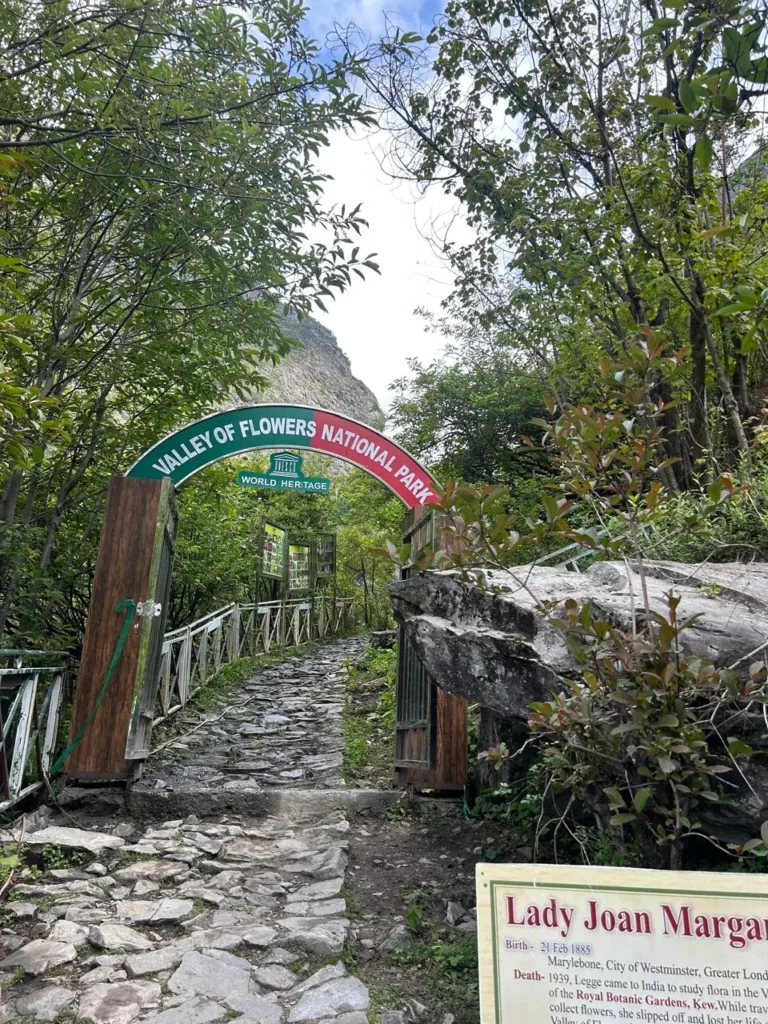
| Attribute | Details |
| Location | Chamoli District |
| Established | 1982 |
| Area | 87 sq km |
| Famous For | Alpine Flowers |
| Altitude | 3,200–6,700 m |
| Entry Fee | ₹200 (Indians), ₹800 (Foreigners) |
Valley of Flowers is one of the most beautiful places I have explored in Uttarakhand. Reaching the valley requires a scenic trek, but the views along the way make every step worthwhile. During the blooming season, the entire landscape is covered with colorful alpine flowers, with streams, waterfalls, and Himalayan peaks creating a stunning backdrop.
What makes this place even more special is that it is recognized as a UNESCO World Heritage Site and forms part of the Nanda Devi Biosphere Reserve. For me, it is one of those destinations that perfectly combines natural beauty, adventure, and a peaceful mountain atmosphere.
Geographical Location
Located in Chamoli district, the park lies in the Western Himalayas and is accessed via Govindghat → Ghangaria → Valley of Flowers trek route.
Special Features
Flora
- More than 500 species of alpine flowers
- Brahma Kamal (state flower of Uttarakhand)
- Blue Poppy
- Orchids and primulas
- Medicinal herbs and rare Himalayan plants
Fauna
- Snow Leopard (rare sightings)
- Himalayan Black Bear
- Musk Deer
- Himalayan Monal
- Red Fox
- Blue Sheep in surrounding regions
How to Reach
By Road
Till Govindghat (last motorable point)
By Rail
Rishikesh is the nearest railway station
By Air
Jolly Grant Airport (Dehradun)
Trekking & Adventure Activities
- The trek from Govindghat to Valley of Flowers via Ghangaria is the main attraction.
- Many travelers also combine their visit with the Hemkund Sahib trek.
- The valley offers excellent opportunities for flower and landscape photography.
- Walking through the valley and exploring its natural beauty is an experience in itself.
- One of the best high-altitude trekking experiences in Uttarakhand.
Important Info
- No vehicles allowed beyond Govindghat
- Trek required to reach valley
- Ghangaria serves as base camp
- Entry permit required at forest check post
Timings
Entry: 7:00 AM – 2:00 PM
Exit before evening is mandatory
Best Time to Visit
- July to September (peak blooming season)
Travel Tips
- Don’t underestimate the weather here; a waterproof jacket can be incredibly useful, even if the day starts with clear skies.
- A good pair of trekking shoes with proper grip will make the trail much more comfortable, especially during the blooming season.
- Plan an overnight stay in Ghangaria, as it serves as the base for both Valley of Flowers and Hemkund Sahib.
- Help keep the valley as beautiful as you find it by avoiding plastic and carrying back any waste.
Why Visit Valley of Flowers?
- UNESCO World Heritage natural beauty
- Rare Himalayan floral diversity
- One of India’s best monsoon treks
- Perfect destination for photographers and trekkers
4. Nanda Devi National Park
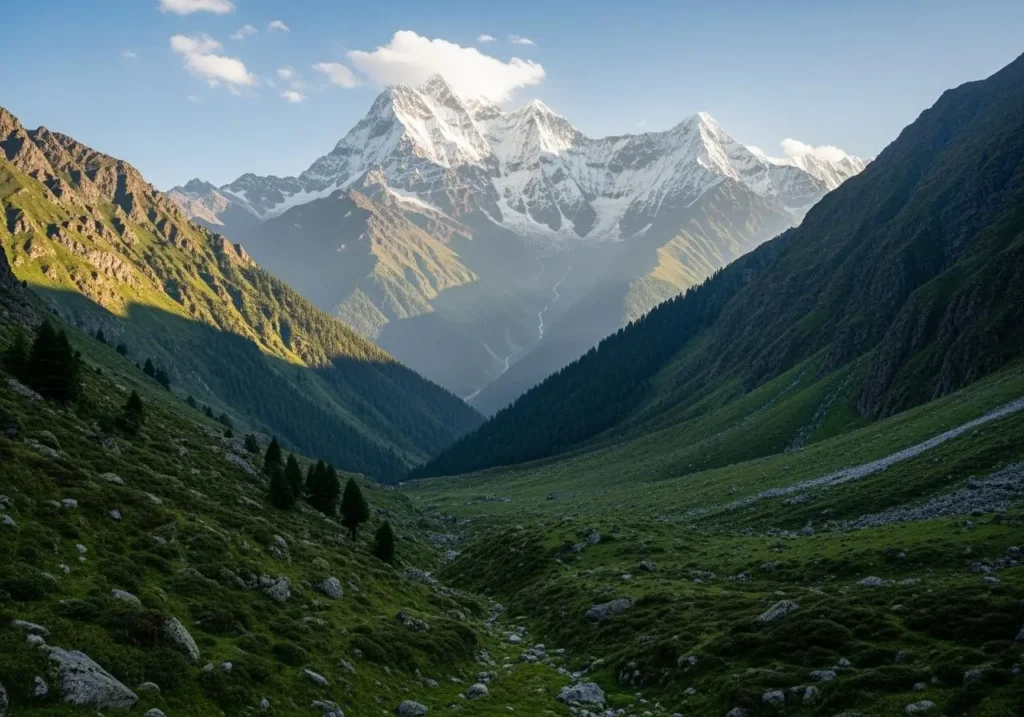
| Attribute | Details |
| Location | Chamoli District |
| Established | 1982 |
| Area | 630 sq km |
| Famous For | Snow Leopard |
| Altitude | 3,500+ m |
| Entry Fee | ₹150 (Indians), ₹600 (Foreigners) (permit required for all) |
Although much of Nanda Devi remains inaccessible, exploring the surrounding region gave me a glimpse into one of the most protected wilderness areas in India. Surrounded by rugged mountains and remote valleys, the park protects some of the most untouched landscapes in the country. What makes it truly special is its isolation and the fact that much of the area remains inaccessible to regular visitors, helping preserve its unique ecosystem.
The park forms the core of the Nanda Devi Biosphere Reserve and is home to rare Himalayan wildlife and high-altitude vegetation. It is also recognized as a UNESCO World Heritage Site, along with the Valley of Flowers, highlighting its global ecological importance. For anyone interested in Uttarakhand’s wilderness, Nanda Devi represents nature in its purest form.
Geographical Location
Located in Chamoli district in the Garhwal Himalayas, surrounding the Nanda Devi massif and deep glacial valleys.
Special Features
Flora
- Alpine and subalpine vegetation
- Rare Himalayan medicinal herbs
- Mosses, lichens, and tundra plants
Fauna
- Snow Leopard (top predator)
- Himalayan Tahr
- Musk Deer
- Bharal (Blue Sheep)
- Himalayan Black Bear
How to Reach
By Road
Till Joshimath (main base town)
By Rail
Rishikesh Railway Station
By Air
Jolly Grant Airport (Dehradun)
Trek Distance & Access Routes
- Joshimath to Lata Village: 25 km (road journey)
- Lata Village to buffer zone entry point: 6–10 km trek (restricted access area)
- Core Nanda Devi inner sanctuary: No public trekking allowed
- Historical Nanda Devi expedition route: only scientific expeditions permitted with government approval
Most visitors can only explore the buffer zone areas, as the inner sanctuary is strictly prohibited for conservation reasons
Trekking & Adventure Activities
- Trekking in the beautiful Himalayan region around Nanda Devi.
- Exploring remote mountain trails and scenic landscapes.
- High-altitude adventures for experienced trekkers and climbers.
- Learning about the area’s unique wildlife and natural environment.
- Enjoying one of the most untouched and peaceful regions in Uttarakhand.
Important Info
- Entry only with special government permits
- Inner sanctuary strictly closed to tourism
- Outer buffer zones occasionally accessible
Best Time to Visit
- May to October
Travel Tips
- Before planning a trip, make sure to check the latest permit and access guidelines, as entry to many areas is restricted.
- The Himalayan terrain here can be demanding, so a reasonable level of trekking experience is helpful.
- Mountain weather is often unpredictable, and temperatures can drop quickly, even during the travel season, so pack accordingly.
Why Visit Nanda Devi National Park?
- One of India’s most untouched ecosystems
- Extremely rare wildlife in high Himalayas
- UNESCO World Heritage Site
- Strict conservation success story
5. Gangotri National Park
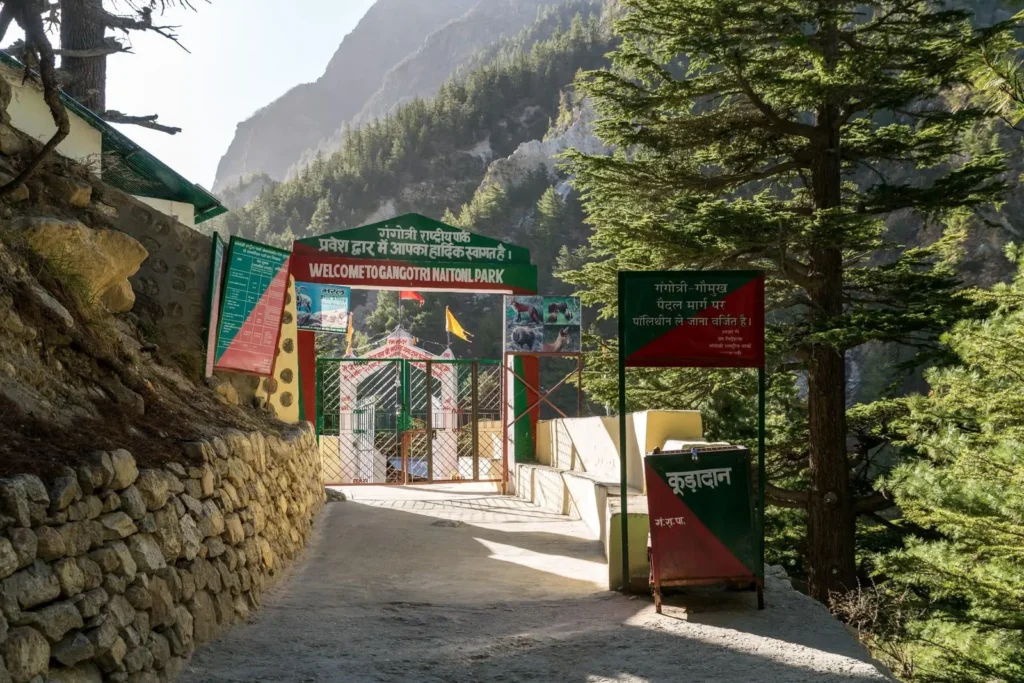
| Attribute | Details |
| Location | Uttarkashi District |
| Established | 1989 |
| Area | 2,390 sq km |
| Famous For | Glaciers & River Ganga Origin |
| Altitude | 1,800–7,000 m |
| Entry Fee | ₹150 (Indians), ₹600 (Foreigners) |
Few places in Uttarakhand leave such a lasting impression as Gangotri National Park. The landscape here is raw, dramatic, and completely dominated by the Himalayas. From towering peaks and deep valleys to glaciers and rushing rivers, everything feels larger than life.
What makes this park truly special is its connection to the River Ganga. The famous Gaumukh Glacier, believed to be the source of the sacred river, attracts both pilgrims and trekkers from across the country. For me, Gangotri felt like a destination where spirituality and adventure come together, creating an experience that is difficult to find anywhere else in Uttarakhand.
Geographical Location
Located in Uttarkashi district, covering the upper catchment of the Bhagirathi River in the Western Himalayas.
Special Features
Flora
- Deodar, pine, and spruce forests
- Alpine shrubs and grasses
- Cold desert vegetation in higher zones
Fauna
- Snow Leopard
- Himalayan Blue Sheep
- Himalayan Black Bear
- Himalayan Monal
- Musk Deer
How to Reach
By Road
Till Uttarkashi or Gangotri town
By Rail
Rishikesh is the nearest railway station
By Air
Jolly Grant Airport, Dehradun
Trek Distance & Access Routes
- Gangotri → Bhojbasa: 14 km trek
- Bhojbasa → Gaumukh Glacier: 4 km trek
- Gaumukh → Tapovan (advanced trek): 6 km additional steep climb
- Total Gangotri–Gaumukh route: 18 km one way
This is one of the most popular glacier trekking routes in India.
Trekking & Adventure Activities
- The journey to Gaumukh Glacier is one of the biggest highlights of visiting the park.
- Many trekkers extend their adventure to Tapovan, known for its stunning mountain views.
- Camping in the Himalayan wilderness adds another memorable dimension to the experience.
- The park offers endless opportunities for photography, exploration, and enjoying the beauty of the high Himalayas.
Important Info
- Even during summer, mornings and evenings can feel surprisingly cold at higher altitudes, so carrying warm layers is always a good idea.
- Taking some time to acclimatize before starting the trek can make the journey much more comfortable.
- Weather conditions can change quickly in the Himalayas, which is why most travelers prefer visiting outside the monsoon season when landslides are more common.
Best Time to Visit
May to October
Travel Tips
- Carry heavy woolens even in summer
- Acclimatize before trekking
- Avoid monsoon season due to landslides
Why Visit Gangotri National Park?
- Origin of River Ganga
- Glacial landscapes and trekking routes
- Spiritual + adventure combination
6. Govind National Park
| Attribute | Details |
| Location | Uttarkashi District |
| Established | 1990 |
| Area | 958 sq km |
| Famous For | Trekking Routes |
| Altitude | 1,400–6,300 m |
| Entry Fee | ₹150 (Indians), ₹600 (Foreigners) |
Not every destination in Uttarakhand is packed with tourists, and Govind National Park is a perfect example. Hidden in the beautiful Tons Valley, this park offers a mix of dense forests, alpine meadows, glaciers, and breathtaking mountain views. The journey through the region feels peaceful, with nature taking center stage at every turn.
This national park is especially popular among trekkers because of the Har Ki Dun trek, one of the most scenic trails in Uttarakhand. With traditional villages, rivers, and Himalayan landscapes along the way, the experience is about much more than just reaching the destination. If you’re looking to escape the crowds and explore a quieter side of the Himalayas, this park is hard to beat.
Geographical Location
Located in the Uttarkashi district near the Sankri and Purola regions in the Western Himalayas.
Special Features
Flora
- Oak and pine forests
- Rhododendron belts
- Alpine meadows (bugyals)
Fauna
- Snow Leopard
- Himalayan Monal
- Musk Deer
- Brown Bear
- Himalayan Black Bear
How to Reach
By Road
Till Sankri (main trekking base village)
By Rail
Dehradun Railway Station
By Air
Jolly Grant Airport, Dehradun
Trek Distance & Access Routes
- Sankri: Taluka (by road/jeep): 12 km
- Taluka: Osla Village: 14 km trek
- Osla: Har Ki Dun Valley: 11 km trek
- Total Har Ki Dun Trek: 37–40 km (one way route spread over multiple days)
This trek is multi-day and one of the most famous Himalayan trekking routes in Uttarakhand.
Trekking & Adventure Activities
- The Har Ki Dun Trek is the biggest highlight and one of the most scenic trekking experiences in Uttarakhand.
- The trail to Ruinsara Tal takes you through beautiful forests, meadows, and mountain landscapes.
- Camping in the alpine valleys allows you to enjoy the region’s peaceful surroundings and stunning views.
- Wildlife spotting is possible along the trekking routes, especially in the quieter sections of the park.
- The dramatic Himalayan scenery makes the park a great destination for photography and exploration.
Important Info
- Trekking required for entry
- Limited accommodation facilities
- Guides recommended for all treks
Best Time to Visit
April–June & September–November
Travel Tips
- The trekking routes in and around Govind National Park can be challenging, so carrying proper trekking gear will make the journey much more comfortable.
- Hiring a local guide in advance is a good idea, especially if you’re planning longer treks like Har Ki Dun or Ruinsara Tal.
- Most travelers prefer visiting outside the winter months, as heavy snowfall can make several routes difficult to access.
Why Visit Govind National Park?
- Best offbeat trekking destination in Uttarakhand
- Less crowded and highly scenic
- Rich Himalayan biodiversity
- Perfect for adventure seekers
Best Time to Visit Uttarakhand National Parks
- Wildlife Safari Parks (Jim Corbett, Rajaji): November – June
- Valley of Flowers: July – September
- High Himalayan Parks (Nanda Devi, Gangotri, Govind): April – October
Wildlife Safety Rules (Must Follow)
- Do not feed wild animals
- Maintain safe distance from wildlife
- Avoid loud noise in forest areas
- Do not carry plastic inside parks
- Always follow forest guide instructions
- Respect trekking and restricted zone rules
Distance from Major Cities
- Delhi → Jim Corbett: ~250 km
- Haridwar → Rajaji: ~10–20 km
- Rishikesh → Valley of Flowers base: ~270 km
- Dehradun → Govind National Park: ~200 km
- Uttarkashi → Gangotri: ~100 km
Where to Stay Near Uttarakhand National Parks
Choosing the right accommodation near each national park is important for a comfortable and convenient travel experience. From luxury jungle resorts to simple Himalayan homestays, options vary based on location and altitude.
Jim Corbett National Park
Stay options range from luxury jungle resorts to forest lodges near Ramnagar. These stays often offer safari packages, nature walks, and riverside views for a complete wildlife experience.
Rajaji National Park
The best stay options are in nearby Haridwar and Rishikesh. Travelers can choose from budget hotels, riverside camps, and wellness retreats close to the park entry points.
Valley of Flowers National Park
Accommodation is available in Ghangaria, the base village for the trek. Options include basic guest houses and small lodges that provide essential facilities for trekkers.
Nanda Devi National Park
Stays are mainly located in Joshimath. Homestays and small hotels serve as the base for trekkers and researchers visiting restricted zones.
Gangotri National Park
Uttarkashi offers the best accommodation options including hotels, lodges, and pilgrimage stays suited for both tourists and devotees visiting the Ganga origin region.
Govind National Park
Sankri village is the main base for trekkers. Homestays and eco-lodges provide simple but comfortable accommodation surrounded by Himalayan landscapes.
Which National Park Should You Choose?
Choose the right national park in Uttarakhand based on your travel interest and experience style:
Jim Corbett National Park
Best for: Tiger Safaris & Wildlife Experience
India’s oldest national park, famous for Bengal tiger sightings and classic jungle safaris.
Rajaji National Park
Best for: Elephant Encounters & Easy Wildlife Trips
Perfect for spotting wild Asian elephants near Haridwar and Rishikesh.
Valley of Flowers National Park
Best for: Scenic Beauty & Nature Photography
A UNESCO World Heritage Site filled with colorful alpine flowers and Himalayan landscapes.
Gangotri National Park
Best for: Glaciers, Trekking & Spiritual Travel
Home to the origin of the River Ganga and breathtaking glacier treks like Gaumukh.
Govind National Park
Best for: Adventure Trekking & Offbeat Exploration
Ideal for trekkers seeking remote Himalayan trails like Har Ki Dun and untouched valleys.
Nanda Devi National Park
Best for: Rare Ecosystem & Extreme Wilderness
One of India’s most protected and untouched high-altitude ecosystems, perfect for advanced explorers.
Final Thoughts
What I appreciate most about Uttarakhand’s national parks is the incredible variety they offer. From spotting wildlife in Jim Corbett and Rajaji to trekking through the Valley of Flowers, Gangotri, and Govind National Park, every destination brings a different experience. Some parks are perfect for wildlife enthusiasts, while others are known for their scenic trails, Himalayan landscapes, and peaceful surroundings.
No matter which park you choose to visit, you’ll find yourself surrounded by some of the most beautiful natural landscapes in India. My advice is to plan your trip according to your interests, travel during the right season, and respect the environment throughout your journey. These protected areas are not just tourist attractions they are some of Uttarakhand’s most valuable natural treasures, and preserving them is a responsibility we all share.
Frequently Asked Questions
Most national parks require entry permits, and some areas such as Nanda Devi have strict access restrictions. Safari permits for Corbett and Rajaji should ideally be booked in advance.
Yes, the trek to Valley of Flowers can be completed independently, but visitors must register at the forest check post and follow park regulations.
Yes. Parks such as Jim Corbett and Rajaji are suitable for families, while destinations like Gangotri and Govind National Park are better suited for trekkers and adventure travelers.
Jim Corbett National Park is often the best choice for first-time visitors because of its easy accessibility, organized safaris, and diverse wildlife.
Some parks offer forest rest houses or accommodation near entry zones, while others require visitors to stay in nearby towns or trekking base villages.
People are also reading: