Most people come to Ramnagar for a jungle safari in Jim Corbett National Park. But if you have a day or two to spare, there is plenty to do beyond the forest drive. You can visit Garjiya Devi Temple beside the Kosi River, spend time in the forests of Sitabani, or head towards Kaladhungi to learn about Jim Corbett’s life.
Located in Uttarakhand’s Kumaon region, Ramnagar is a convenient base for exploring the Corbett landscape. It has its own railway station, road connections to nearby towns, and accommodation ranging from budget hotels to nature resorts. Some attractions are close to town, while others require a separate drive.
The best way to plan your visit is to book your safari first and build the rest of your itinerary around it. Your entry gate, travel dates, and available time will determine which places you can comfortably cover.
Here is a practical guide to the best places to visit in Ramnagar, things to do, the best time to travel, and how to plan a two-day trip.
Ramnagar Travel Guide: Quick Highlights
- Location: Nainital district, Kumaon region, Uttarakhand, India
- Best Known For: Jim Corbett National Park and wildlife safaris
- Top Attractions: Garjiya Devi Temple, Sitabani Conservation Reserve, Corbett Waterfall, and Kosi River
- Best Time to Visit: October to June
- Ideal Trip Duration: 2–3 days
- Nearest Railway Station: Ramnagar Railway Station
- Nearest Airport: Pantnagar Airport
- Best Things to Do: Jungle safari, temple visits, riverside walks, and nature photography
- Travel Tip: Book your safari in advance and check zone availability before travelling.
Best Places to Visit in Ramnagar, Uttarakhand
1. Jim Corbett National Park
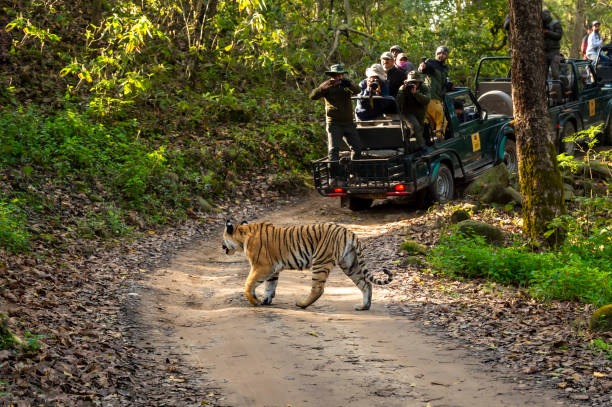
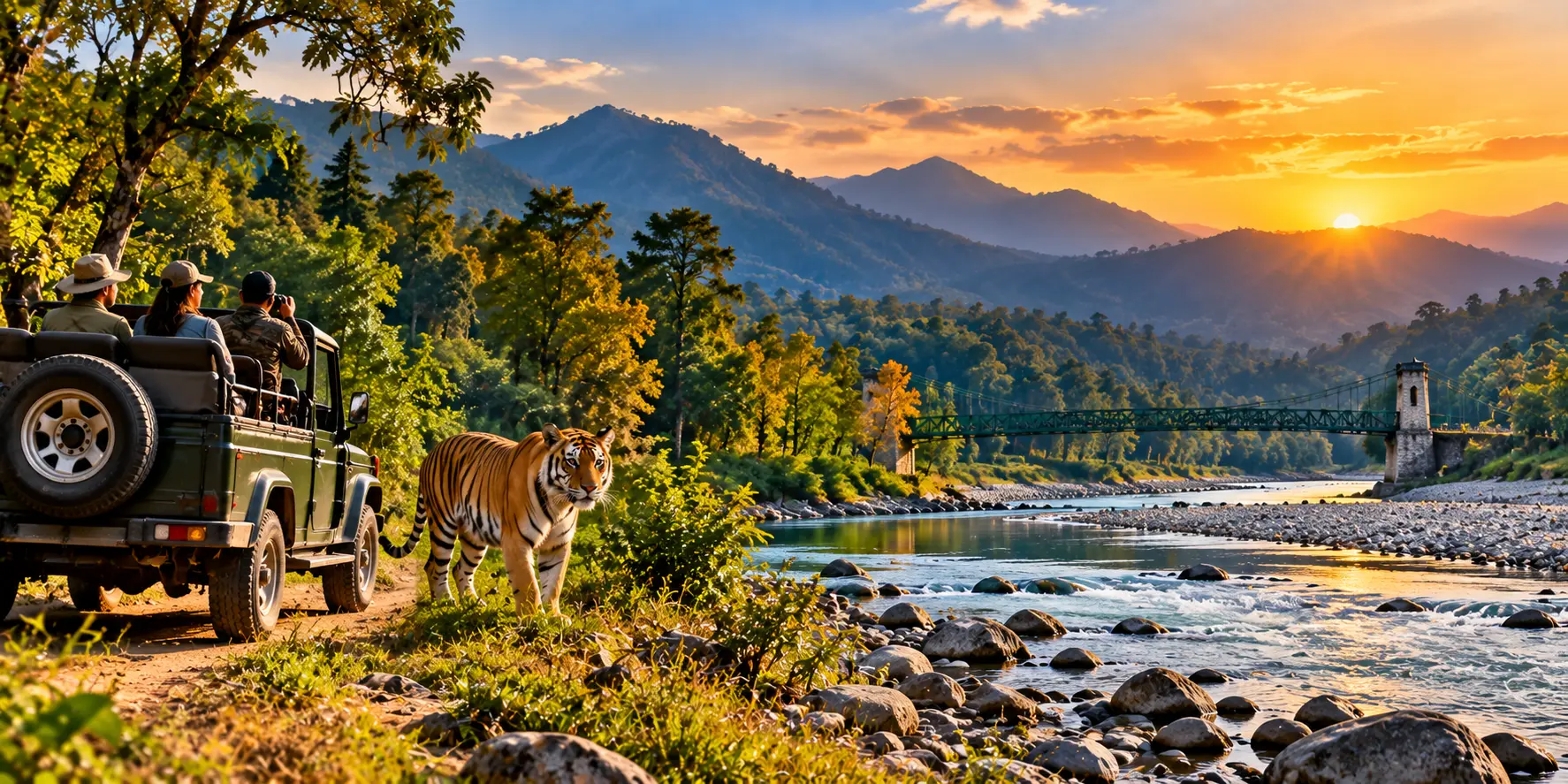
Jim Corbett National Park is the main attraction for visitors to Ramnagar. Established in 1936 as Hailey National Park, it is India’s oldest national park and forms part of Corbett Tiger Reserve.
The reserve protects a varied landscape of sal forests, grasslands, rivers, and streams. Bengal tigers are a major draw, but the area is also home to Asian elephants, deer, crocodiles, and many resident and migratory birds.
A jeep safari takes you through designated tourism areas with a registered driver and guide. The experience changes with the route, weather, and wildlife activity. You might see deer grazing near a clearing, hear birds calling from the trees, or spot fresh animal tracks. A tiger sighting is possible, but never guaranteed.
Corbett has several tourism zones, including Bijrani, Jhirna, Dhikala, Dhela, Garjiya, and Durgadevi. They have different entry gates and operating schedules, so choosing a zone is an important part of planning your visit.
Before booking a safari:
- Use the official Corbett Tiger Reserve website to check current arrangements.
- Confirm the zone, entry gate, reporting time, and permitted safari type.
- Carry the identification documents required for your booking.
- Choose your accommodation after confirming the entry gate.
- Follow the guide’s instructions and never approach or feed wild animals.
If wildlife is your main reason for visiting Ramnagar, consider booking your safari before arranging the rest of your sightseeing.
Time needed: Allow for the complete safari schedule, including reporting and transfers.
2. Garjiya Devi Temple
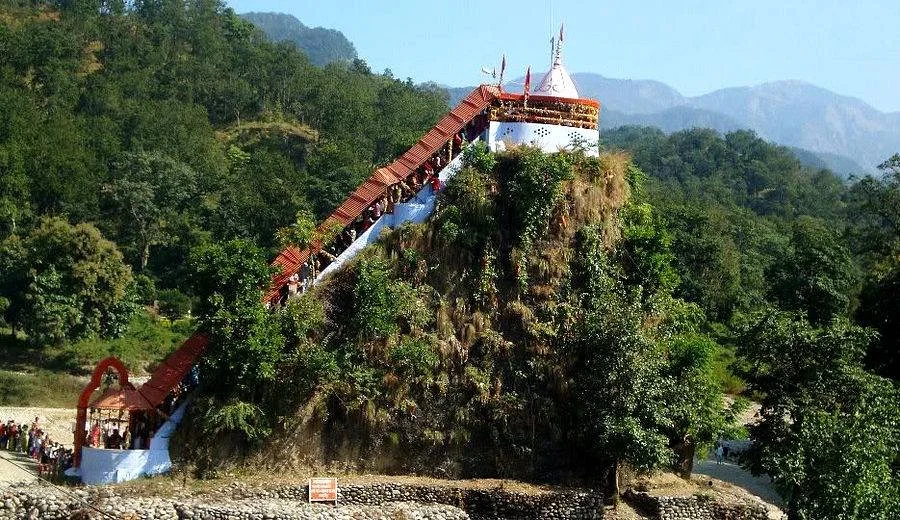
Garjiya Devi Temple is one of the best-known landmarks around Ramnagar. The shrine stands on a large rock in the Kosi River, with a bridge and steps leading visitors to the temple.
The temple is dedicated to Goddess Garjiya and attracts devotees throughout the year. Its riverside setting also makes it a popular stop for travellers who want to see a different side of the Corbett region.
The temple is approximately 13 to 14 km from central Ramnagar, depending on your starting point. It is easy to include in a sightseeing plan, particularly if your safari schedule leaves you with some free time.
You can visit the shrine, take in the river views from permitted areas, and browse the nearby stalls. Expect larger crowds on weekends and religious occasions.
Practical tips:
- Visit earlier in the day if you prefer a quieter experience.
- Allow extra time during festivals and holidays.
- Follow temple rules regarding footwear and photography.
- Avoid entering the river, especially during the monsoon.
Time needed: Around 1–2 hours, depending on crowds and travel time.
3. Sitabani Conservation Reserve
Sitabani Conservation Reserve offers a quieter way to experience the forests around Ramnagar. Located in the Ramnagar Forest Division, the reserve covers approximately 58.25 square kilometres and supports a variety of wildlife and plant life.
According to local tradition, Goddess Sita spent part of her exile in this area. The forest is also associated with a temple linked to the sage Valmiki. These stories give the landscape cultural significance alongside its natural appeal.
Sitabani is particularly worth considering if you enjoy birdwatching and observing the forest at a slower pace. The official reserve website reports more than 365 bird species and over 33 mammal species in the area.
Unlike an ordinary public park, this is a regulated forest landscape. Visitors should arrange the appropriate booking and follow the current entry and guide requirements.
Before visiting:
- Check the official Sitabani Conservation Reserve website.
- Confirm the permitted entry route and available activities.
- Check registration and identification requirements.
- Follow instructions from forest staff and registered guides.
Time needed: Allow several hours for the excursion, including travel and entry formalities.
4. Corbett Waterfall
Corbett Waterfall is a forest attraction near Kaladhungi, approximately 25 km from Ramnagar. It is a good spot for a short nature outing away from the safari crowds.
A walk through the wooded area leads towards the waterfall, surrounded by trees and natural scenery. You can spend time enjoying the peaceful setting and taking photographs.
The waterfall is around 20 feet high, with a walk of approximately 2 km from the entrance. Access may be restricted during the monsoon, so check the latest local conditions before visiting.
Things to keep in mind:
- Check the current opening status before leaving Ramnagar.
- Wear comfortable walking shoes.
- Follow signs and instructions about permitted access.
- Avoid entering the water unless explicitly permitted.
- Carry your litter back with you.
Time needed: Allow 2–3 hours or longer, depending on the drive, walking conditions, and time spent at the site.
5. Corbett Museum, Kaladhungi
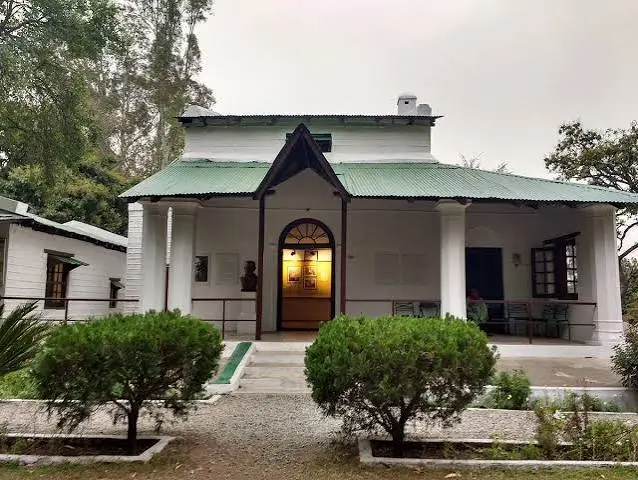
Corbett Museum is a worthwhile stop for visitors interested in the history of the region and the life of Jim Corbett.
The museum occupies Corbett’s former residence in Kaladhungi. Corbett became known for his writings about the forests of Kumaon and Garhwal, his experiences with man-eating animals, and his later conservation work.
The collection includes photographs, personal belongings, writings, and other items associated with his life. It provides a historical perspective that complements a visit to the national park.
The museum is outside Ramnagar town, so check the route and opening hours before setting out. You can combine it with Corbett Waterfall if both attractions are accessible on your travel date.
Who should visit? History enthusiasts, families, and travellers interested in wildlife conservation.
Time needed: Around 45–60 minutes at the museum, plus travel time.
6. Dhangarhi Museum
Dhangarhi Museum is associated with the Dhangarhi entrance to Corbett Tiger Reserve. It is worth considering if you want to learn more about the park’s wildlife and natural environment.
A museum visit can help first-time visitors understand the ecosystem they may encounter during a safari. It also adds an educational stop to a wildlife-focused trip.
However, its location makes it less convenient for visitors staying in some parts of Ramnagar. Before including it in your itinerary, verify that the museum is open, confirm its current timings, and check whether it fits your route.
Time needed: Allow around 30–60 minutes if it is open, in addition to travel time.
7. Kosi River
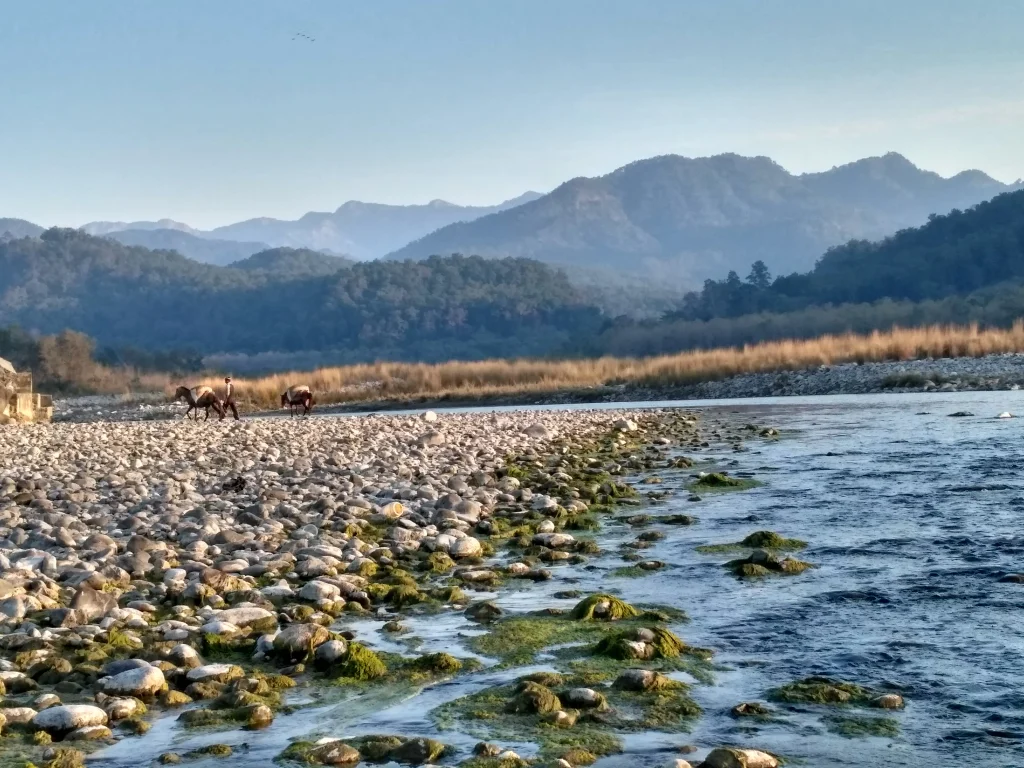
The Kosi River is part of the landscape that makes Ramnagar and the surrounding Corbett region appealing. It passes near Garjiya Devi Temple and offers a natural setting for a short break between sightseeing activities.
You do not necessarily need to arrange a separate excursion to enjoy the river. Depending on your accommodation and local access rules, you may be able to spend time at a designated riverside area, watch birds, or take photographs.
Some resorts advertise river views or access to outdoor areas. Check the property’s exact location and confirm whether the advertised access is permitted.
Be careful around the river during heavy rainfall. Water levels and currents can change quickly, so avoid entering the water and stay away from restricted areas.
Time needed: Around 30–60 minutes for a relaxed stop, depending on where you visit.
8. Starscapes Stargazing Experience
If you want to try something beyond wildlife and sightseeing, an astronomy session can be an interesting addition to your trip.
Depending on the operator and session available, stargazing experiences may introduce you to planets, stars, and other celestial objects. The experience is particularly appealing to families with curious children and travellers who enjoy learning about nature.
Before making plans, verify whether Starscapes currently offers sessions in the Ramnagar or Corbett area. Confirm the location, timings, booking requirements, and cancellation policy directly with the operator.
Cloud cover and weather conditions can affect visibility, so a session does not guarantee clear views of the night sky.
More Things to Do in Ramnagar
You can keep your trip focused on the main attractions or add a few smaller activities if you have extra time.
- Try Kumaoni food: Ask local restaurants about dishes such as bhatt ki churkani, aloo ke gutke, and mandua roti. Availability varies by restaurant.
- Visit the local markets: Browse shops around Ramnagar town for everyday goods, snacks, and a glimpse of local life.
- Go birdwatching: The surrounding forests and countryside offer opportunities to observe resident and migratory birds. A local guide can help identify species.
- Spend time at your resort: If you are staying outside town, leave some time to enjoy the property rather than filling every hour with sightseeing.
- Explore Kaladhungi: Combine the museum and waterfall when both are open and your schedule allows.
- Plan a longer Kumaon trip: If you have additional days, consider adding Nainital or another nearby destination rather than trying to cover everything from Ramnagar in one day.
Best Time to Visit Ramnagar, Uttarakhand
Ramnagar is a year-round destination for some types of travel, but the best time depends on your interests and the attractions you want to visit.
October to February: Best for comfortable sightseeing
The cooler months are suitable for temple visits, museum trips, and relaxed outings. Carry warm clothing if you plan an early morning safari, as temperatures can be low at that time of day.
March to mid-June: Popular for wildlife safaris
Temperatures rise considerably towards the end of this period. Carry sun protection and drinking water, and plan your activities around the heat.
Wildlife sightings depend on animal movement and forest conditions, so the season alone cannot guarantee a tiger sighting.
July to September: Plan with flexibility
The monsoon brings greenery to the region, but heavy rainfall can affect roads, river safety, and access to outdoor attractions. Corbett Waterfall is listed as closed during July to September.
Safari-zone schedules differ, so do not assume every area of Corbett is open or closed at the same time. Confirm availability for your exact dates through the official booking system.
How to Reach Ramnagar
Ramnagar is well connected by rail and road, making it easy to reach from Delhi and other parts of Uttarakhand.
By Train
Ramnagar Railway Station is located within the town and serves as the nearest railhead. Delhi is approximately 250–270 km away by road. Taxis and local transport are available from the station.
By Road
Ramnagar is around 240–260 km from Delhi, usually a 5–7-hour drive depending on traffic. It is also approximately 65 km from Haldwani and 75 km from Nainital. Buses, taxis, and private vehicles are common travel options.
By Air
Pantnagar Airport is approximately 80–90 km from Ramnagar by road. You can hire a taxi from the airport. Delhi Airport is another option, followed by a road or train journey to Ramnagar.
Where to Stay in Ramnagar
Accommodation around Ramnagar ranges from budget hotels and guesthouses to larger resorts in the surrounding countryside.
Your best option depends on whether you want easy access to the railway station, proximity to a safari gate, or a quieter setting away from the town centre.
Budget hotels and guesthouses
These are practical for short visits when you mainly need a comfortable room between sightseeing and safari activities. Check meal availability and transport options before booking.
Family resorts
Resorts with on-site dining and recreational facilities can make a trip easier for families. Confirm which facilities are available during your stay rather than relying only on promotional photographs.
Nature and riverside resorts
These may suit travellers who want to spend more time in greener surroundings. Check the exact location and whether any advertised river access is permitted.
Stays near your safari gate
This is particularly important if you have an early departure. Corbett’s tourism zones have different entry gates, and a resort near one gate may be inconvenient for another.
Before booking, confirm the cancellation policy, meal timings, pickup arrangements, and distance from your planned attractions. Advance booking is sensible during weekends, school holidays, and popular travel periods.
Suggested 2-Day Itinerary for Ramnagar
Two days are enough for a safari and a few other attractions if you plan around your confirmed bookings.
Day 1: Safari and Garjiya Devi Temple
- Arrive in Ramnagar and check into your accommodation.
- Take your pre-booked safari in the morning or afternoon, depending on the confirmed slot.
- Visit Garjiya Devi Temple if your schedule allows.
- Spend the evening resting at your hotel or exploring the nearby market.
Keep some flexibility in your schedule. A safari, including reporting and transfers, can take up a substantial part of the day.
Day 2: Choose One Sightseeing Route
Option A: Kaladhungi
- Leave Ramnagar with enough time for the road journey.
- Visit Corbett Waterfall if it is open and conditions are safe.
- Continue to Corbett Museum.
- Return to Ramnagar for your onward journey.
Option B: Sitabani Conservation Reserve
- Arrange the required booking and guide in advance.
- Follow the confirmed entry time and designated route.
- Spend the excursion observing the forest and birdlife.
- Return to Ramnagar after completing the visit.
Choose the route that suits your interests and current access arrangements. Trying to cover Sitabani, the waterfall, the museum, and another safari on the same day may leave you with little time to enjoy any of them.
Travel Tips for Visiting Ramnagar
A little planning can help you avoid unnecessary travel and last-minute changes.
- Book your safari through the official reservation system.
- Confirm the entry gate and reporting time before choosing your accommodation.
- Carry the identification required for your bookings.
- Check current opening hours for the waterfall and museums.
- Arrange Sitabani entry and guide services in advance.
- Carry comfortable walking shoes, sunscreen, and drinking water.
- Keep warm clothing handy for early winter mornings.
- Follow instructions from forest staff and registered guides.
- Never feed wildlife or approach animals for photographs.
- Avoid entering rivers during heavy rainfall or strong currents.
- Take your rubbish back with you and avoid disturbing the forest.
- Leave enough time for travel between attractions.
Is Ramnagar Worth Visiting?
Ramnagar is worth visiting if you want to combine a wildlife safari with nature, local culture, and a few relaxed outings. Jim Corbett National Park is the main attraction, but Garjiya Devi Temple, Sitabani Conservation Reserve, Corbett Waterfall, and Corbett Museum offer different ways to experience the region.
The town also works well as a base for a longer Kumaon holiday. A short weekend can focus on one safari and a couple of nearby attractions, while a longer stay gives you more flexibility.
The best approach is to plan around your main interest. Book your safari first if wildlife is the priority. If you prefer a slower trip, leave time for the temple, a forest excursion, or a visit to Kaladhungi.
You do not need to see every attraction to enjoy Ramnagar. Choose the places that suit your schedule, check the latest visitor information, and allow enough time to experience them without rushing.
Conclusion
Ramnagar is more than a starting point for a Jim Corbett safari. From visiting Garjiya Devi Temple and walking along the Kosi River to exploring Sitabani and enjoying the quiet surroundings of the Kumaon foothills, the town offers plenty to make your trip worthwhile beyond wildlife spotting.
If you have an extra day after your safari, use it to explore the nearby attractions at a relaxed pace. Whether you are travelling with family, planning a short weekend break, or looking for a nature-focused getaway, Ramnagar gives you several ways to experience this part of Uttarakhand.
Frequently Asked Questions
Some popular places include Jim Corbett National Park, Garjiya Devi Temple, Sitabani Conservation Reserve, Corbett Waterfall, Corbett Museum in Kaladhungi, and Dhangarhi Museum. Your choice depends on how much time you have and whether you prefer wildlife, history, or nature.
Two days are usually enough for a safari and a few nearby attractions. If you want to explore additional forest areas, visit Kaladhungi, or take a more relaxed trip, consider staying for three days.
Garjiya Devi Temple is approximately 13–14 km from Ramnagar town, depending on your starting point. It can be reached by road and is a popular stop for devotees and visitors exploring the Corbett area.
Access depends on the designated area and current forest rules. Sitabani offers nature and wildlife experiences, but visitors should confirm whether guided walks, safari vehicles, or advance registration are required before arriving.
Corbett Waterfall may close during the monsoon because of rainfall and safety concerns. Check the current status before travelling, particularly between July and September.
Yes. Families can combine a permitted wildlife safari with temple visits, museum stops, nature outings, and a comfortable resort stay. Choose activities according to the ages and interests of your group.
People are also reading: