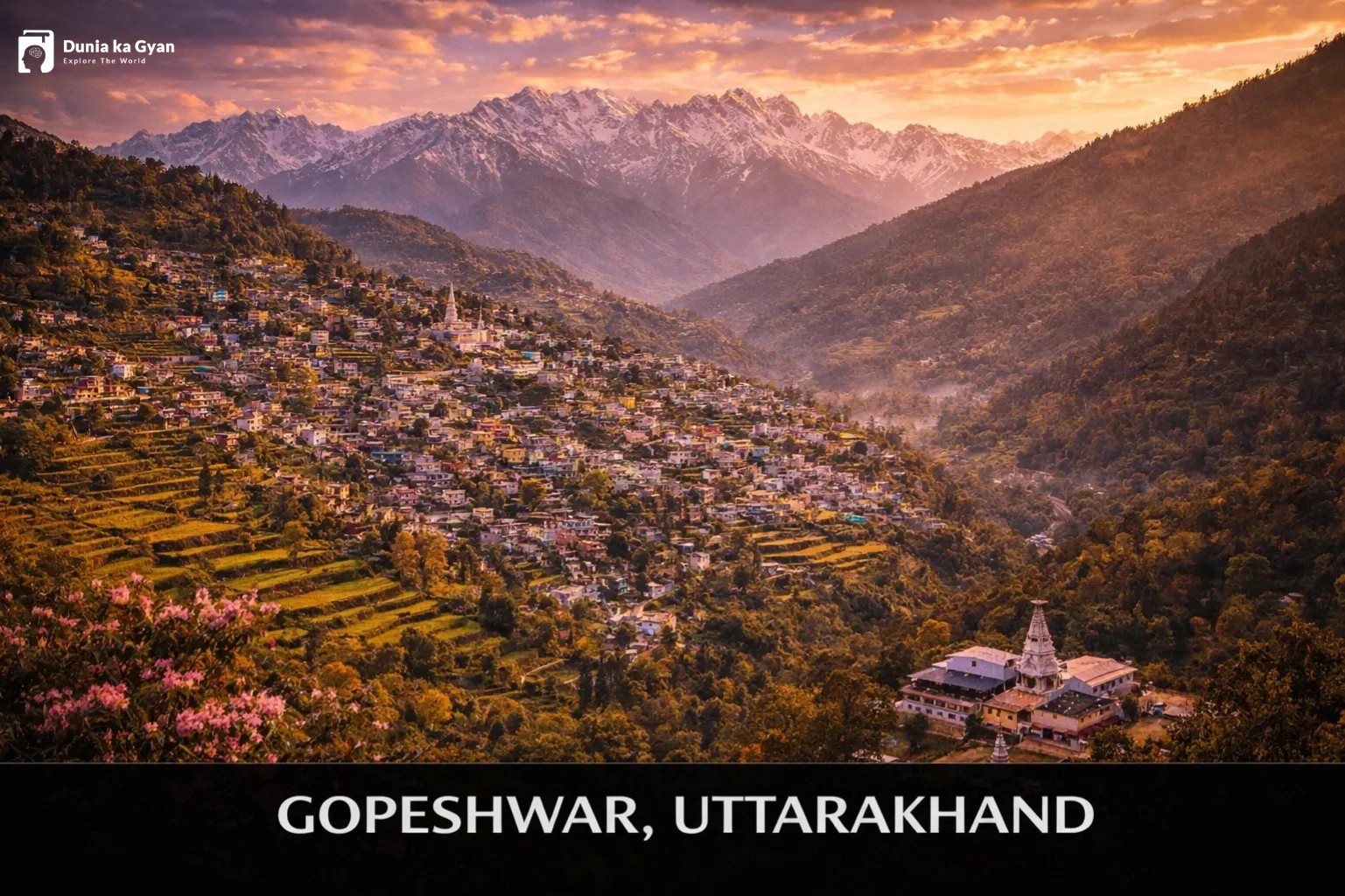
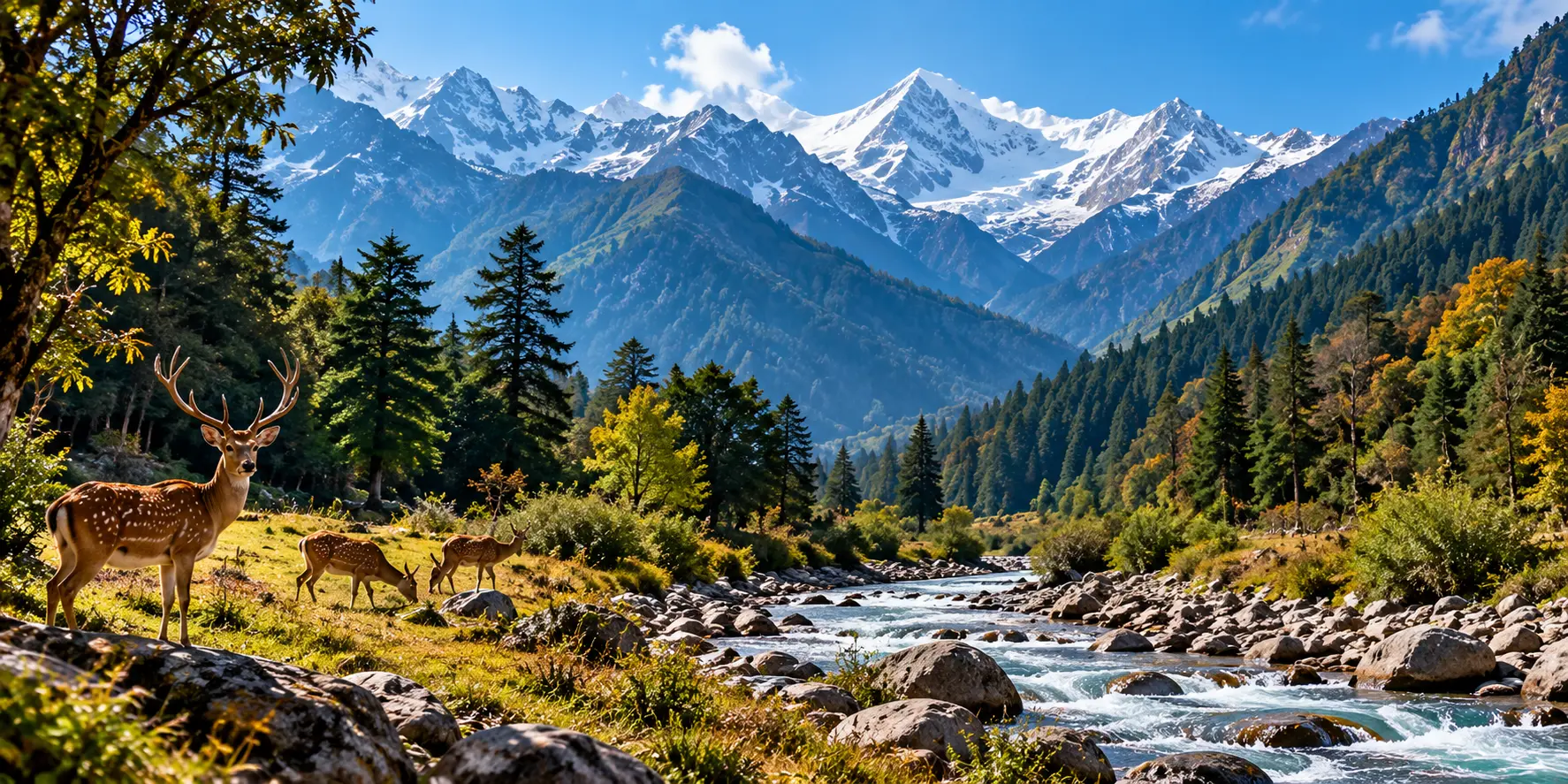
Some places in Uttarakhand are as much about the journey as the destination. Govind Pashu Vihar is one of them. The landscape changes from dense forests and river valleys to open alpine meadows and high mountain terrain as you travel deeper into the region.
The park is also known for trekking routes such as Har Ki Dun, Ruinsara Tal, and Rupin Pass. Wildlife is another attraction, but this is not a typical safari destination where animal sightings are guaranteed. The experience is more about being in a natural Himalayan landscape where wildlife lives in its own habitat.
Govind Pashu Vihar National Park Highlights
| Detail | Information |
| Location | Uttarkashi district, Uttarakhand |
| Protected landscape | About 958 sq km, including Govind National Park and Govind Pashu Vihar Wildlife Sanctuary |
| Wildlife Sanctuary notified | 1955 |
| National Park notified | 1991 |
| Main landscape | Forests, river valleys, alpine meadows and high Himalayan terrain |
| Important valleys | Rupin and Supin |
| Known for | Himalayan biodiversity and snow leopard conservation |
| Popular treks | Har Ki Dun, Ruinsara Tal and Rupin Pass |
| Nearest major railway station | Dehradun |
| Nearest airport | Jolly Grant Airport, Dehradun |
Where Is Govind Pashu Vihar National Park?
Govind Pashu Vihar National Park is located in Uttarkashi district of Uttarakhand, in the upper Tons Valley region of the Garhwal Himalayas.
The protected landscape covers forests, river valleys, alpine meadows, and high-altitude terrain. The Rupin and Supin valleys are important parts of the region and form the main catchments of the Tons River, which is a tributary of the Yamuna.
Together, Govind National Park and Govind Pashu Vihar Wildlife Sanctuary cover about 958 sq km.
History of Govind Pashu Vihar
The protected area was first notified as a wildlife sanctuary in 1955. Later, part of the protected landscape was notified as Govind National Park in 1991. Today, the national park and wildlife sanctuary form a large protected landscape in Uttarkashi.
The area is named after Govind Ballabh Pant, the Indian freedom fighter and political leader. Government and educational sources also identify the protected area by this association.
The region is particularly important for the conservation of high-altitude Himalayan wildlife. The Wildlife Institute of India identifies it as an area of importance for snow leopard conservation.
Things to Do in Govind Pashu Vihar
1. Trekking
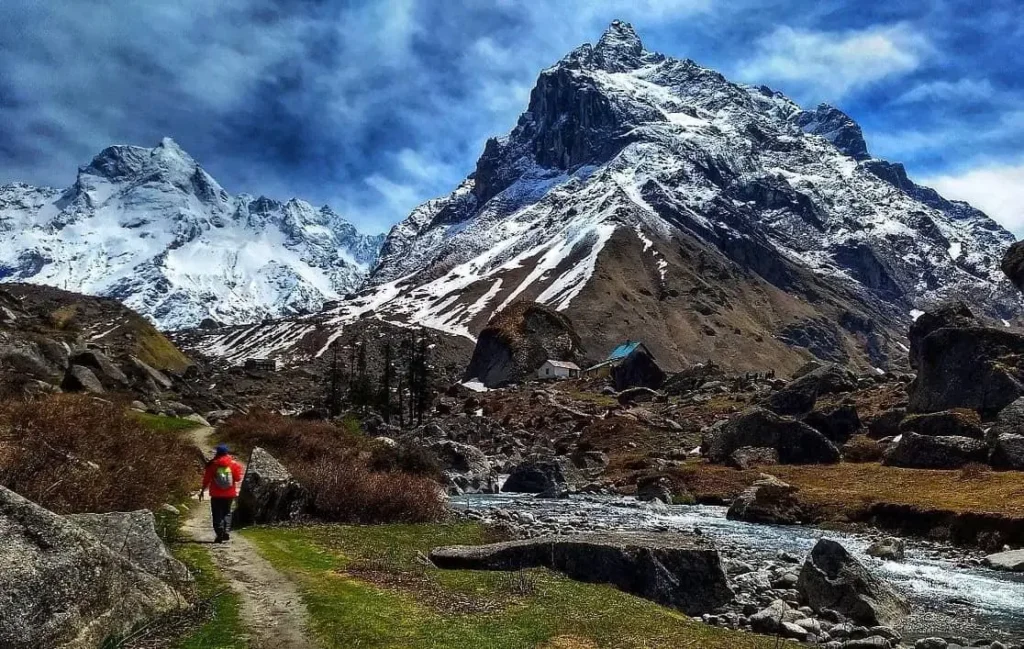
Trekking is one of the main reasons people visit Govind Pashu Vihar. Popular routes include Har Ki Dun, Ruinsara Tal, and Rupin Pass, with Sankri and Naitwar serving as important starting points for different trails.
2. Nature Walks
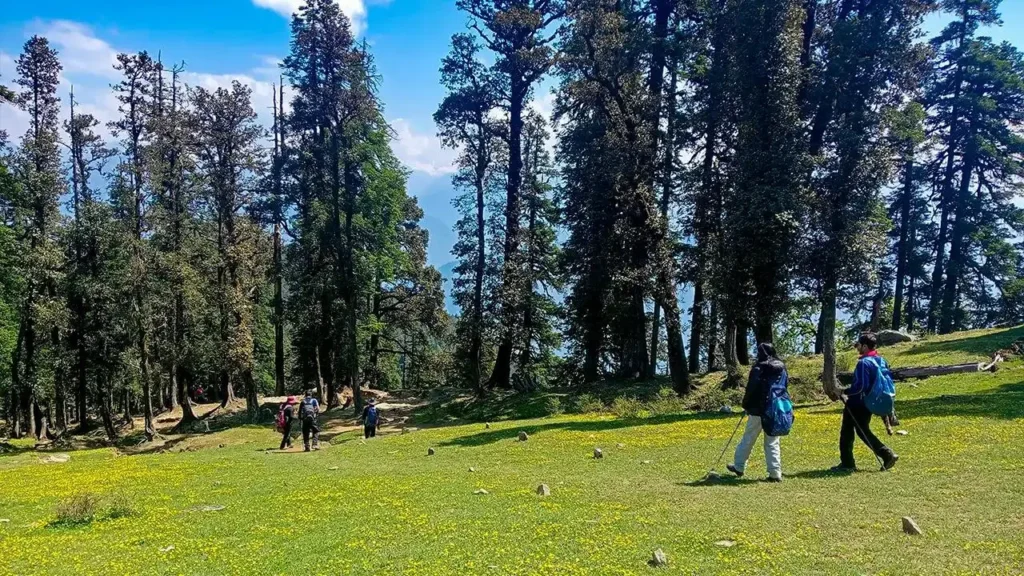
Shorter forest walks are a good option if you do not want to take on a long trek. You can enjoy Himalayan forests, streams, birds, and changing landscapes while staying on permitted routes.
3. Birdwatching
The park’s forests and high-altitude areas support a variety of Himalayan birds. Carry binoculars if you want to spot species such as the Himalayan monal, snowcock, pheasants, and raptors.
4. Photography
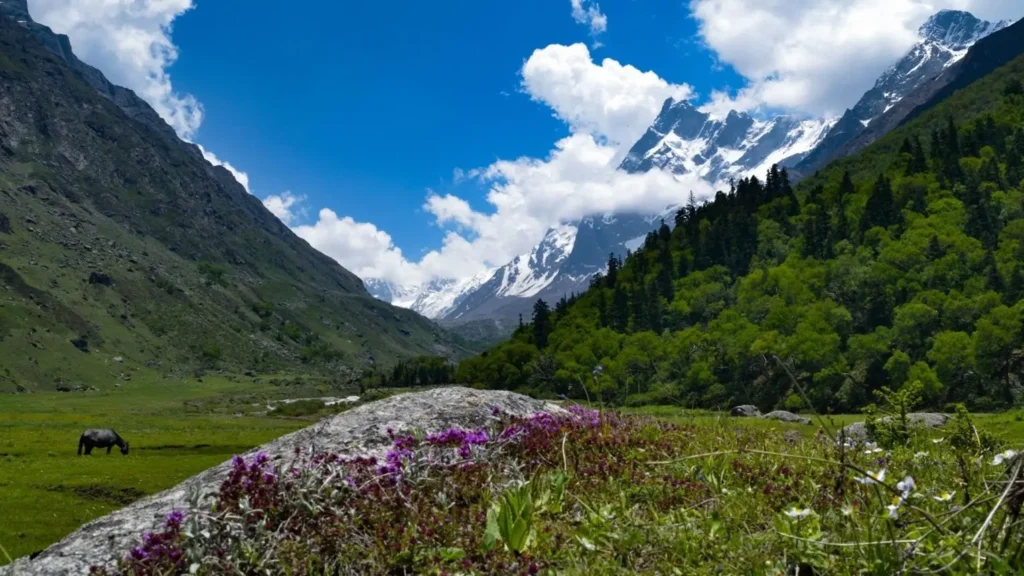
The park offers plenty of opportunities for nature and landscape photography. You can capture rhododendron flowers, forest trails, mountain villages, wooden houses, rivers, bridges, and alpine meadows along the way.
Flora of Govind Pashu Vihar National Park
The vegetation changes noticeably with altitude. Lower elevations support subtropical and broadleaf vegetation, while higher areas contain coniferous forests, sub-alpine vegetation and alpine plants.
Some important species recorded from the region include:
- Himalayan cedar or deodar
- Chir pine
- Blue pine
- Himalayan spruce
- Silver fir
- Oak
- Rhododendron
- Himalayan yew
- Beech
- Spikenard
The Wildlife Institute of India records species such as Cedrus deodara, Quercus, Rhododendron, Picea smithiana, Taxus wallichiana and Nardostachys jatamansi across different elevation zones.
Rhododendrons and the Spring Landscape
Rhododendrons add colour to parts of the landscape during their flowering season.
As you gain altitude, forests gradually give way to more open meadows and alpine terrain. This changing vegetation is one of the highlights for photographers and nature lovers.
Wildlife in Govind Pashu Vihar National Park
Wildlife is one of the main ecological reasons this protected area is important. The landscape provides habitat for several Himalayan mammals and birds, including species adapted to high-altitude environments.
1. Snow Leopard
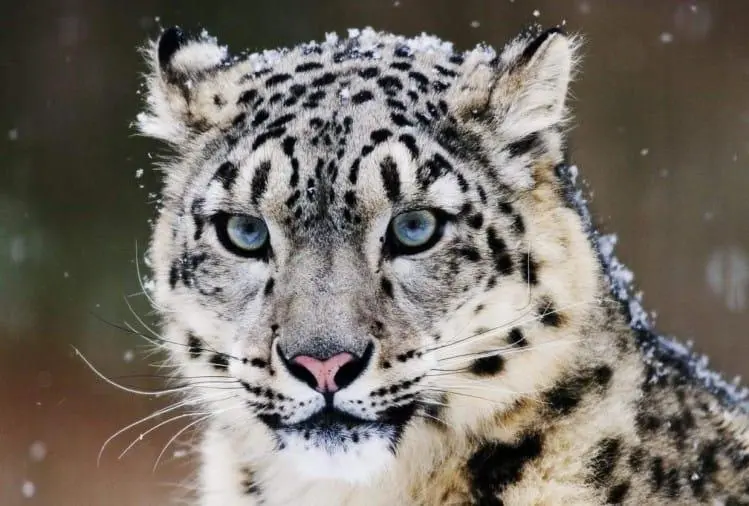
The snow leopard is one of the most important species associated with Govind Pashu Vihar. However, this is not a conventional safari destination where sightings can be expected. Snow leopards are elusive and inhabit difficult mountain terrain.
The Wildlife Institute of India identifies Govind National Park and Govind Pashu Vihar Wildlife Sanctuary as an area of importance for snow leopard conservation.
So, visit for the habitat and landscape rather than expecting to see a snow leopard.
2. Other Mammals
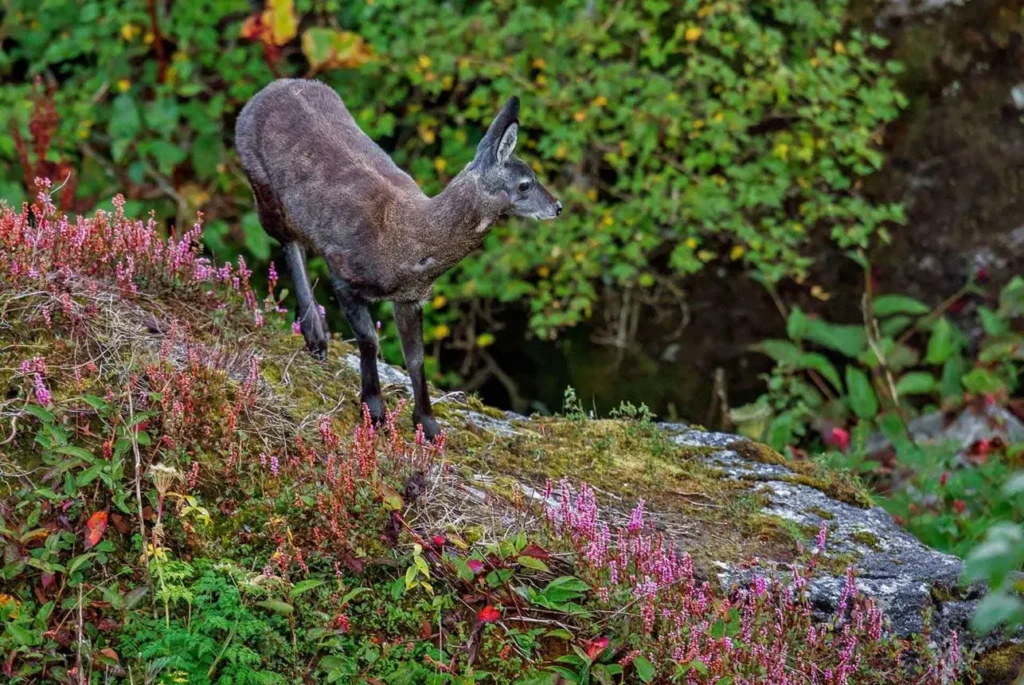
The protected landscape supports a range of Himalayan mammals, including:
- Himalayan musk deer
- Bharal or blue sheep
- Himalayan tahr
- Himalayan black bear
- Brown bear
- Common leopard
- Serow
- Goral
- Wild boar
- Indian crested porcupine
Government and Wildlife Institute of India sources have recorded these and other mammals in the protected landscape.
Actual sightings depend heavily on the season, altitude, weather and luck.
3. Birds
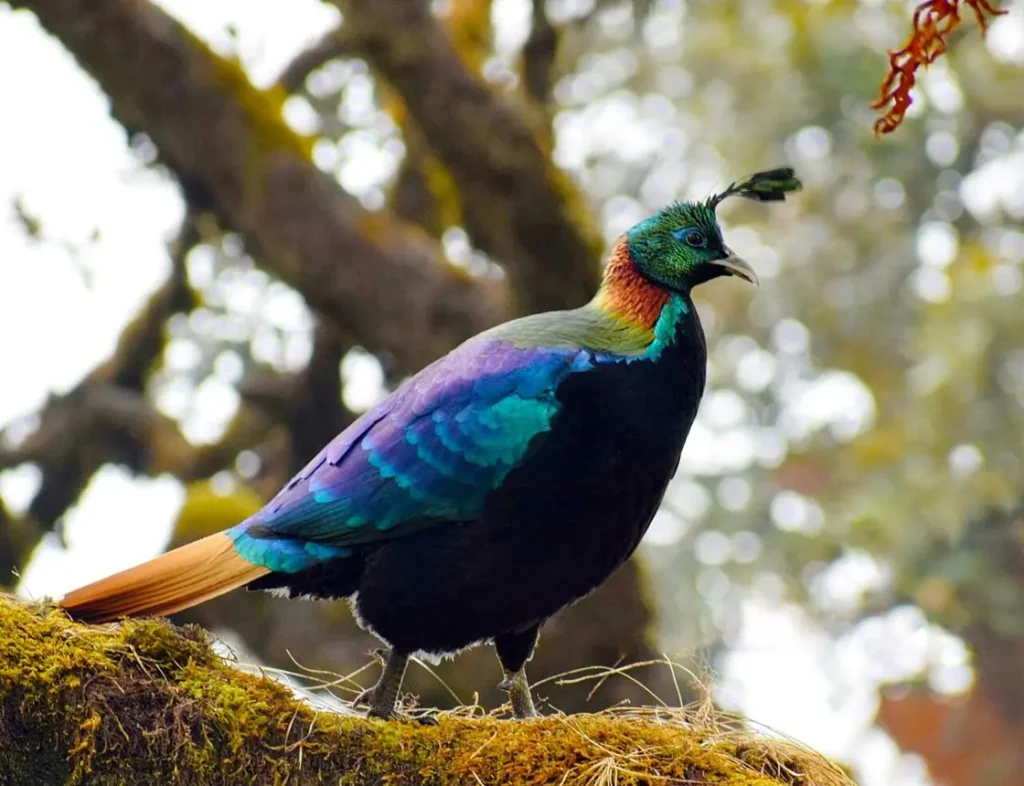
The area is also interesting for birdwatchers.
Bird species recorded from the region include:
- Himalayan monal
- Himalayan snowcock
- Golden eagle
- Bearded vulture
- Western tragopan
- Cheer pheasant
- Koklass pheasant
The Wildlife Institute of India has recorded a diverse bird population in the protected landscape, while government sources identify several important Himalayan bird species from the area.
Early morning is generally a good time for birdwatching, especially around forest and meadow sections.
Popular Attractions Around Govind Pashu Vihar
Govind Pashu Vihar is closely connected with several well-known Himalayan trekking destinations.
Har Ki Dun
Har Ki Dun is one of the best-known trekking routes in the region and is known for its beautiful valley landscapes. The trail passes through forests, mountain villages, rivers, and open meadows. It is a good choice for travellers who want to experience the quieter side of the Himalayas.
Ruinsara Tal
Ruinsara Tal is a high-altitude lake surrounded by mountain landscapes and alpine terrain. The route takes you through forests, meadows, streams, and scenic mountain sections. It is often included with the Har Ki Dun trekking circuit.
Naitwar
Naitwar is an important point in the upper Tons Valley and lies around 12 km before Sankri. It is also a starting point for routes towards Rupin Pass. The village is surrounded by forests, rivers, and mountain landscapes.
Sankri
Sankri is an important base for several treks in this part of Uttarakhand, including Har Ki Dun and Ruinsara Tal. It is also one of the main stops before heading deeper into the upper Tons Valley. The village has basic accommodation and other facilities useful for trekkers.
Best Time to Visit Govind Pashu Vihar National Park
The best time to visit Govind Pashu Vihar National Park is April to June and September to November. Here’s what each season is like:
- April to June: Pleasant weather, lush greenery, blooming rhododendrons, and good conditions for trekking.
- July to August: Heavy monsoon rain can make trails slippery and roads difficult, so this is not the best time for trekking.
- September to November: Clear skies, comfortable weather, and beautiful mountain views make this one of the best periods to visit.
- December to March: Cold and snowy conditions dominate the higher areas, and some trekking routes may become difficult or inaccessible.
How to Reach Govind Pashu Vihar National Park
Govind Pashu Vihar National Park is mainly accessed by road from Dehradun, with Sankri and Naitwar serving as the main entry points for popular treks.
By Air
The nearest airport is Jolly Grant Airport in Dehradun, around 220–230 km from the park region. The drive usually takes 8–9 hours, depending on road and traffic conditions. From the airport, you can hire a private taxi or continue toward Sankri or Naitwar.
By Train
Dehradun Railway Station is the nearest major railway station, around 195–205 km from the park region. The road journey takes roughly 7–8 hours. Buses, shared jeeps, and private taxis are available for the onward journey.
By Road
Road is the main way to reach the park. Naitwar comes around 12 km before Sankri and is an important entry point for the protected area. Sankri is the main base for treks such as Har Ki Dun and Ruinsara Tal, while Naitwar is used for routes such as Rupin Pass.
Early morning buses and shared jeeps are available from Dehradun toward the region, while private taxis offer more flexibility. Plan your journey according to your trek, as the exact starting point may be Sankri, Naitwar, or another nearby village.
Permits for Govind Pashu Vihar
Govind Pashu Vihar National Park and Sanctuary is a protected area, so visitors need to register and obtain an entry permit before entering. You can register online through the SWS Uttarkashi portal. After registration, the hard-copy permit needs to be collected from the Govind Pashu Vihar head office at Purola. Keep your permit with you during the trek, as it may be checked at forest entry points or checkpoints.
How to Get the Permit
- Register Online: Complete your registration through the SWS Uttarkashi portal with your travel and trek details.
- Keep Documents Ready: Carry a valid government-issued photo ID, photocopies, and any other documents required for your route.
- Collect the Permit: Get the hard copy of the permit from the head office at Purola before entering the park.
- Carry It During the Trek: Keep the permit safely with you, as forest officials may ask to see it at checkpoints.
Entry Fees
| Visitor / Item | Fee |
| Indian nationals | ₹150 for 3 days |
| Foreign nationals | ₹600 for 3 days |
| Extra day – Indian nationals | ₹50/day |
| Extra day – Foreign nationals | ₹250/day |
| Children below 12 years | ₹75 |
| Still camera | ₹100 |
| Professional video camera | ₹500 |
Note: Permit fees and requirements can change, so check the latest charges and rules while registering or before travelling. Some trekking routes may also require additional permissions or local registration.
What Should You Carry?
If you are planning a trek or extended stay, carry the basics required for changing Himalayan conditions.
- Good trekking shoes
- Warm layers
- Waterproof jacket
- Sunglasses
- Sunscreen
- Reusable water bottle
- Personal medicines
- Basic first-aid kit
- Headlamp
- Power bank
- Identity proof and photocopies
- Small backpack
- Gloves and woollen socks for colder conditions
Avoid unnecessary weight, but don’t underprepare either. Weather can change quickly in the mountains, and facilities become limited as you move farther from the main settlements.
Responsible Travel in Govind Pashu Vihar
Govind Pashu Vihar is a protected Himalayan ecosystem, so responsible travel matters. Do not leave plastic, food waste or other rubbish behind. Avoid disturbing animals and birds, and never pick wild flowers or plants.
If you are trekking or camping, follow the instructions of forest officials and local guides. Do not try to attract wildlife for photographs or sightings.
The best way to experience a protected area is to observe it without disturbing it.
Is Govind Pashu Vihar National Park Worth Visiting?
Yes, especially if you enjoy trekking, wildlife, forests, photography, mountain villages and quieter Himalayan landscapes.
This is not the easiest destination for a casual weekend trip. Reaching the region takes time, some routes require trekking preparation, and permits or local permissions may apply.
But that is also what makes the experience different.
Instead of one crowded viewpoint or a guaranteed wildlife encounter, you get forests, rivers, villages, alpine meadows and the chance to experience Himalayan wildlife in its natural habitat.
If you plan your route properly and allow enough time for the journey, Govind Pashu Vihar can be one of the more rewarding offbeat Himalayan experiences in Uttarakhand.
Final Thoughts
Govind Pashu Vihar National Park and the surrounding protected landscape offer a different side of Uttarakhand.
Here, mountains, forests, rivers, wildlife, villages and trekking routes come together across the upper Tons Valley.
If you are planning your first visit, don’t try to cover everything in one trip. Choose a route, check the latest permit requirements, look at the weather and give yourself enough time for the road journey.
And once you reach the quieter sections of the valley, slow down.
Sometimes the best part of the Himalayas is simply standing there and listening.
Frequently Asked Questions
Govind Pashu Vihar is located in Uttarkashi district of Uttarakhand, in the upper Tons Valley region of the Garhwal Himalayas.
The region is known for its Himalayan biodiversity, snow leopard conservation, alpine landscapes and trekking routes such as Har Ki Dun, Ruinsara Tal and Rupin Pass.
Snow leopards occur in the protected landscape, but sightings are not guaranteed. They are elusive animals that live in difficult high-altitude terrain.
Major trekking routes associated with the protected landscape include Har Ki Dun, Ruinsara Tal and Rupin Pass.
Dehradun Railway Station is the nearest major railway station. From there, travellers continue by road toward the relevant access point or trekking base.
People are also reading: