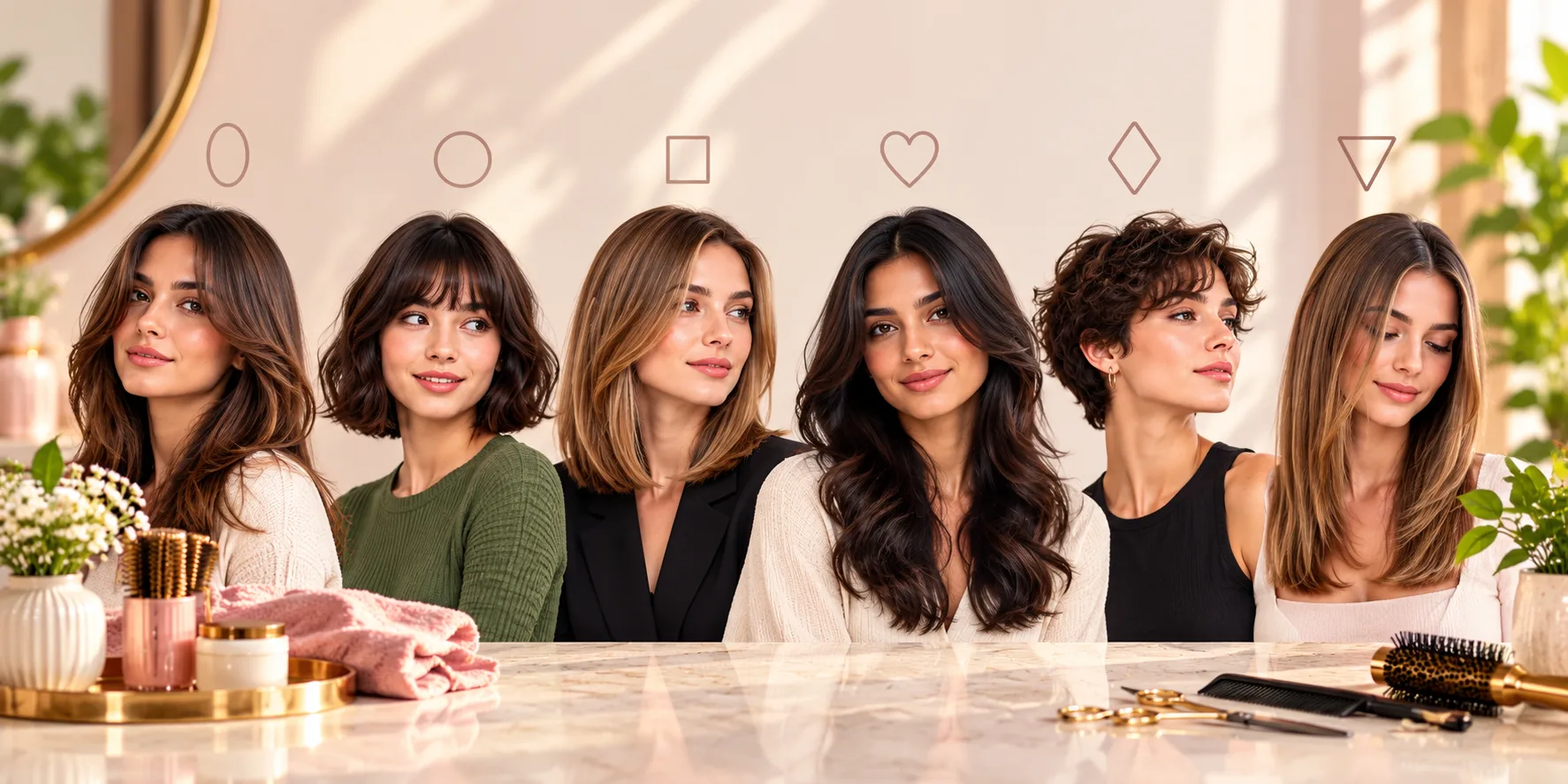
Choosing the right haircut can make your hair easier to manage and help you feel more confident. The best style depends on more than current trends. Your face shape, hair texture, thickness, and daily routine all play a role in how a haircut looks and feels. From short pixie cuts and classic bobs to medium-length layers and long, flowing styles, there are plenty of options to suit different preferences. Whether you want a low-maintenance haircut or a modern look that adds volume and movement, the key is finding a style that works with your natural hair.
Quick Comparison of Haircuts for Women
| Hair Length | Popular Haircut Styles | Best For | Maintenance |
| Short Hair | Pixie cut, French bob, blunt bob, bixie cut | Women who prefer shorter, structured styles | Frequent trims to maintain the shape |
| Medium Hair | Long bob, modern shag, layered cut, Rachel haircut | Women who want styling flexibility and manageable length | Moderate upkeep, depending on layers and bangs |
| Long Hair | Long layers, butterfly cut, U-cut, V-cut | Women who want to retain length while adding movement | Occasional trims and suitable hair care |
Best Short Haircuts for Women
Short haircuts are ideal for women who want a fresh look with a defined shape and manageable length. The right cut can highlight facial features, add texture, and make everyday styling easier. From classic bobs to modern pixie styles, there are options for different hair types and personal preferences.
1. Pixie Cut
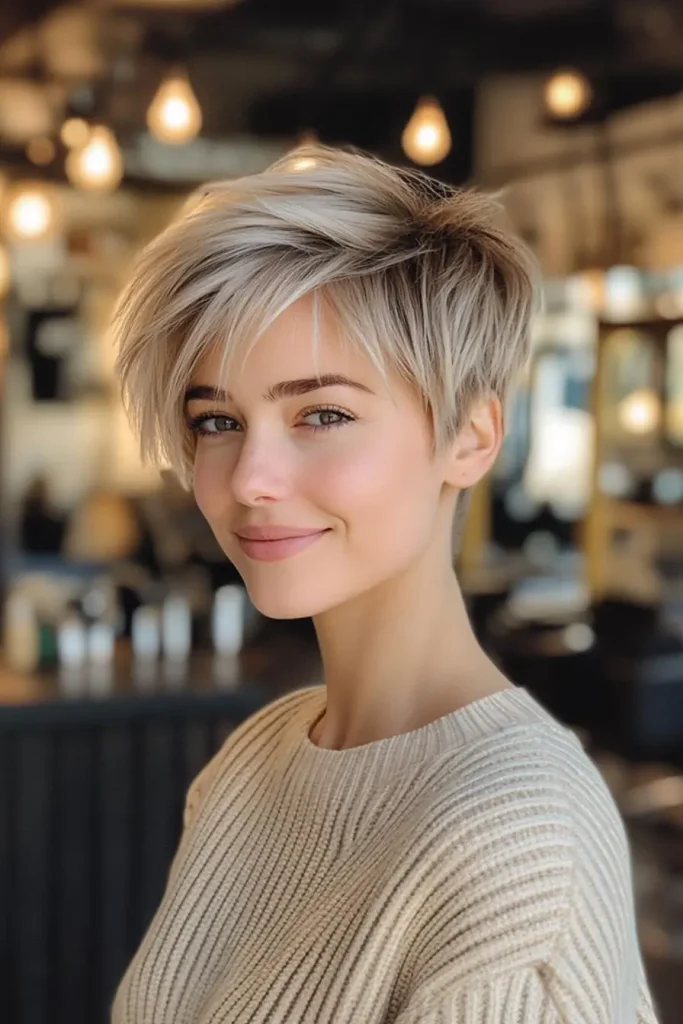
A pixie cut is a timeless short hairstyle that keeps the hair cropped around the sides and back while allowing more length on top. Textured or choppy layers can add volume and give the style a playful, modern finish. You can also choose a sleek version for a cleaner, more polished appearance. This haircut suits women who prefer short hair and are comfortable with regular trims.
2. French Bob
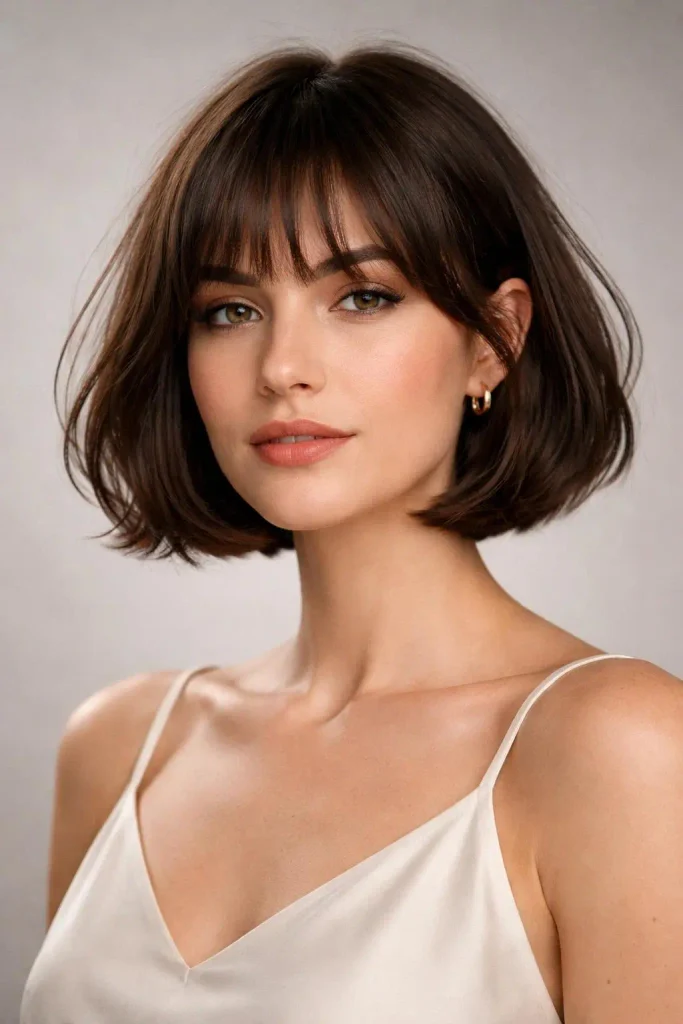
The French bob is a chic, chin-length haircut often paired with soft bangs that fall around the eyebrows. Its slightly relaxed shape creates a classic look without feeling overly formal. It works well with straight or wavy hair and can be styled with minimal effort for a natural finish. If you prefer a short haircut with a little Parisian-inspired charm, this is a lovely option.
3. Blunt Bob
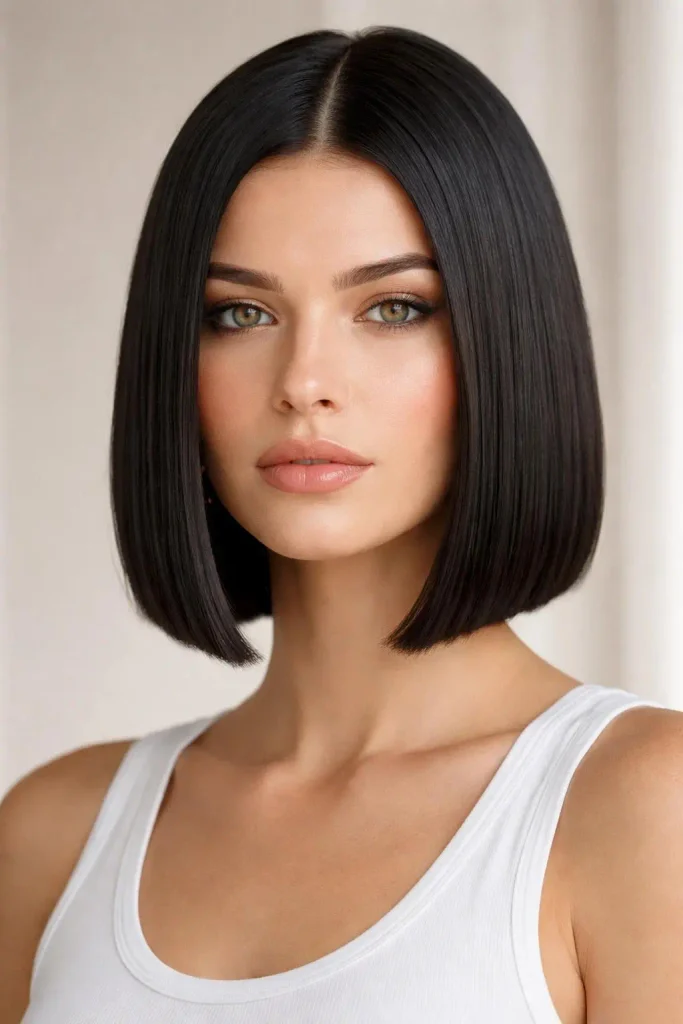
A blunt bob features straight, even ends that usually fall around the chin or jawline. Its sharp outline creates a neat, structured appearance and can make fine hair look fuller at the ends. This cut looks particularly striking on straight hair, although it can also be worn with soft waves. Regular trims help maintain its clean shape and polished finish.
4. Bixie Cut
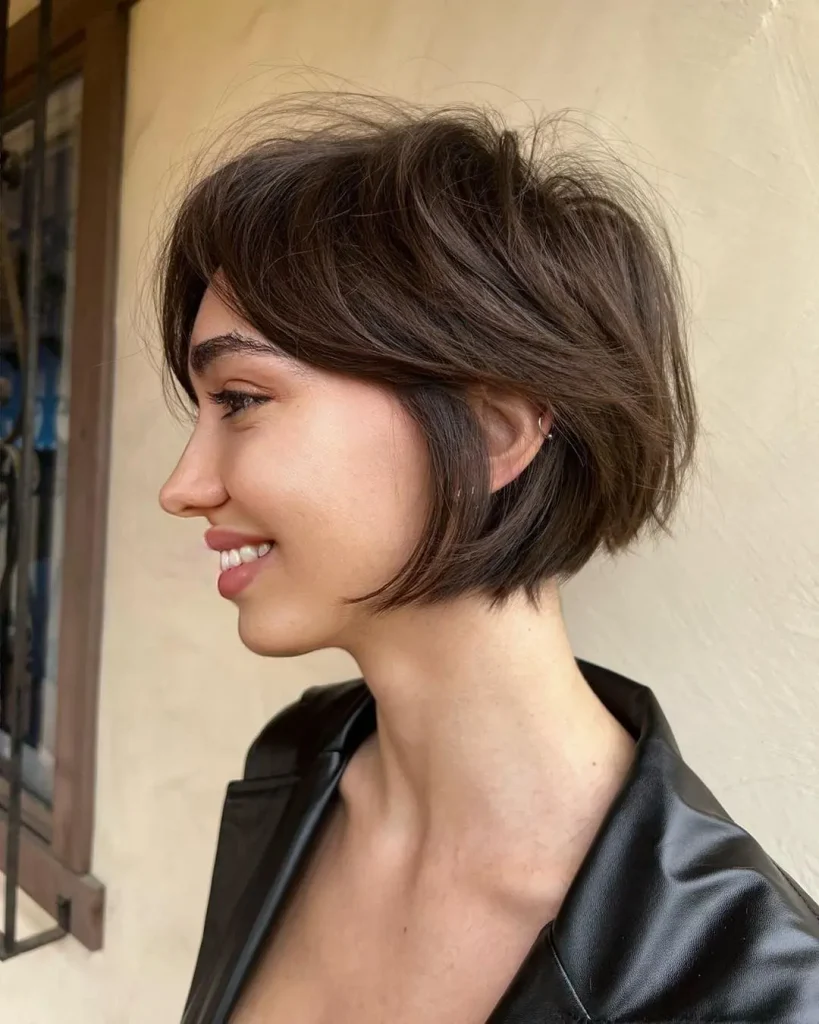
The bixie combines the short length of a pixie with the softer, face-framing shape of a bob. It usually features piecey layers that add movement without making the hair look too cropped. This style is a good choice if you want something shorter than a traditional bob but more flexible than a classic pixie. It can be styled in a messy, textured finish or kept smooth for a more refined look.
Best Medium Haircuts for Women
Medium haircuts offer a balance between style and practicality, making them suitable for many everyday routines. They provide enough length for ponytails and simple updos while allowing you to experiment with layers, bangs, and waves. These cuts can also be adjusted to suit different hair textures and face shapes.
1. Long Bob (Lob)
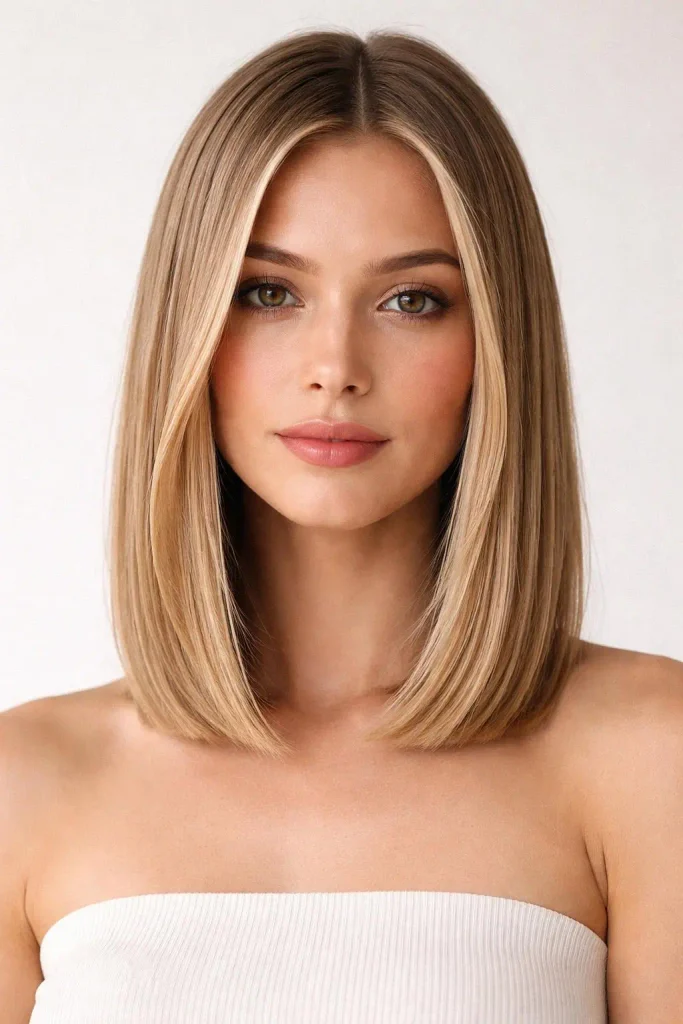
The long bob, commonly known as a lob, usually falls around the shoulders or collarbone. Its versatile length looks polished when worn straight and relaxed when styled with loose waves. You can keep the ends blunt for a fuller appearance or add subtle layers for extra movement. This haircut is a practical choice for women who want a modern style without committing to very short hair.
2. Modern Shag
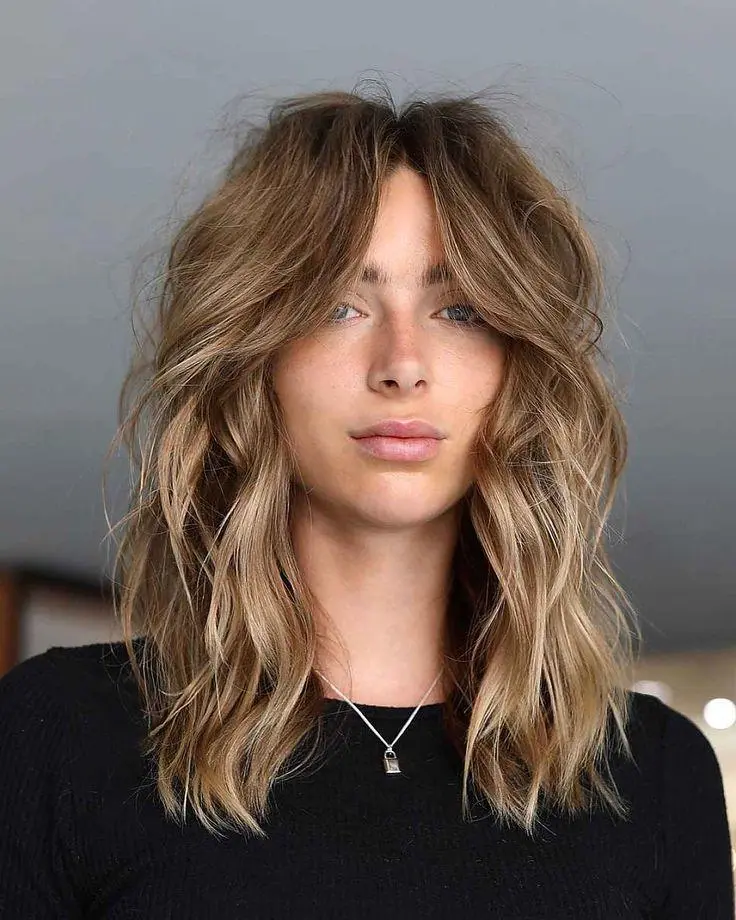
The modern shag features choppy layers, textured ends, and often curtain bangs that frame the face. These layers create a relaxed, slightly undone appearance with extra movement around the crown. The cut works especially well with naturally wavy hair because the texture helps bring out its shape. However, the amount of layering should be adjusted to your hair density to avoid unwanted bulk or excessive volume.
3. Shoulder-Length Layered Cut
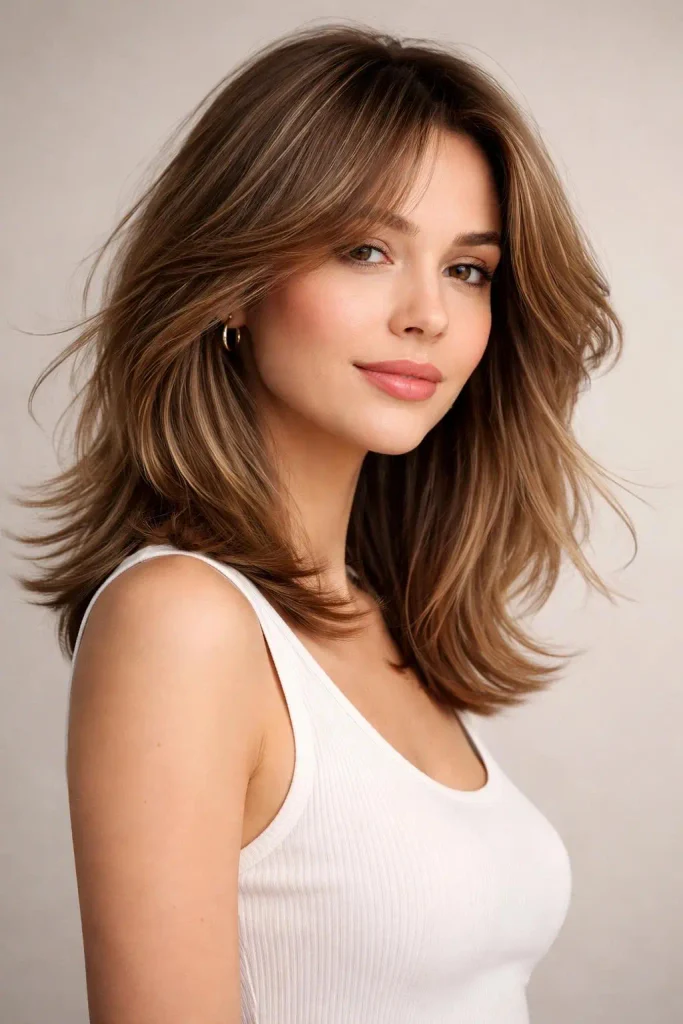
A shoulder-length layered cut combines manageable length with layers that add shape and movement. It can help thick hair feel lighter by reducing excess weight through the mid-lengths and ends. For fine hair, fewer and more carefully placed layers can help maintain fullness. This versatile style works well for everyday wear and can be styled straight, wavy, or in a simple ponytail.
4. The Rachel Haircut
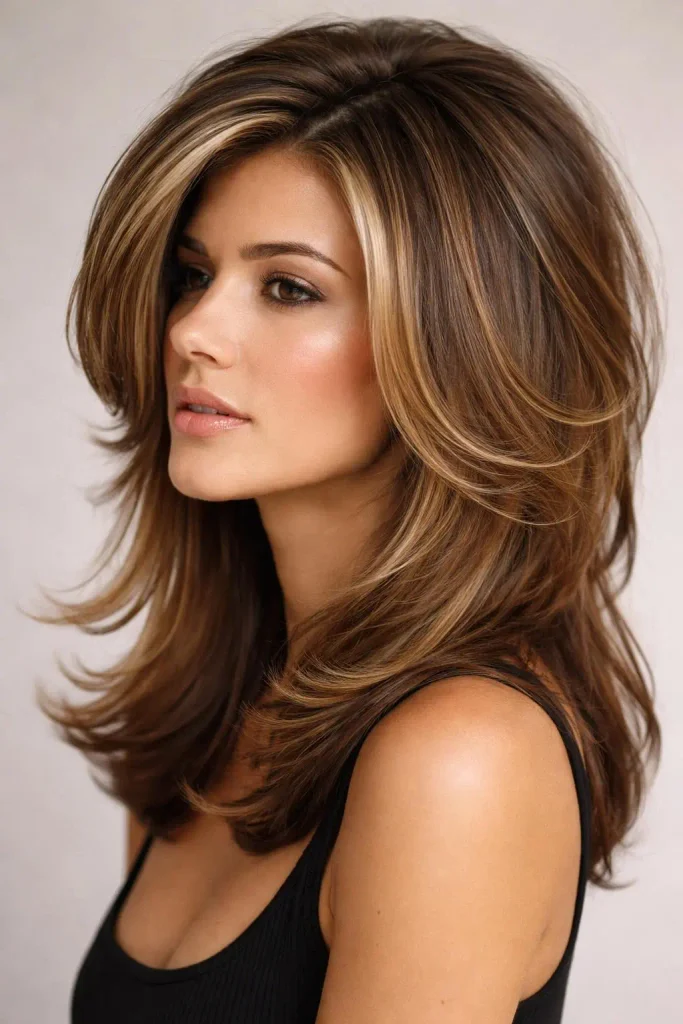
The Rachel haircut became famous in the 1990s and is known for its voluminous, face-framing layers. The shorter sections around the front blend into longer layers, creating a bouncy shape with plenty of movement. It works particularly well on medium-length hair when styled with a round brush or blow-dryer. If you enjoy a fuller, salon-styled appearance, this haircut can give your hair a lively and polished finish.
Best Long Haircuts for Women
Long haircuts allow you to retain length while adding shape, softness, and movement. Layers and carefully shaped ends can prevent long hair from looking heavy or flat without requiring a dramatic change. The best option depends on whether you prefer a natural finish, noticeable volume, or a more defined silhouette.
1. Long Layered Haircut
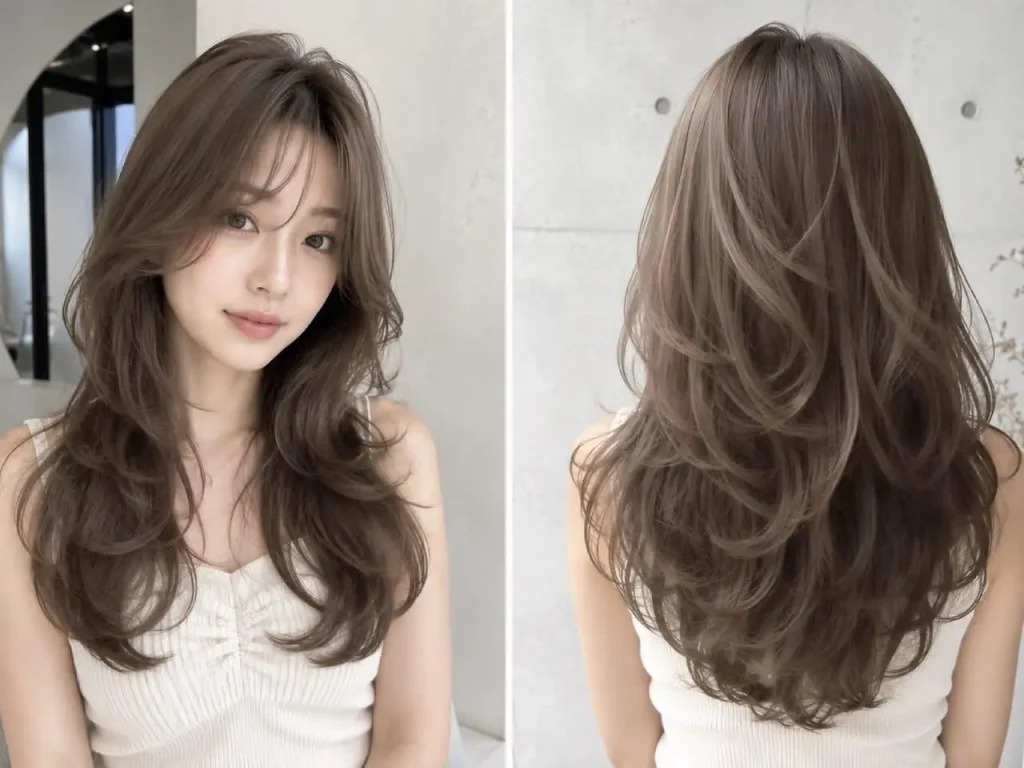
A long layered haircut introduces different lengths throughout the hair to create movement and dimension. It is especially useful for thick hair that feels heavy or lacks shape. With the right placement, layers can also add softness around the face while preserving most of your length. This classic style works well with straight, wavy, and some curly hair textures.
2. Butterfly Haircut
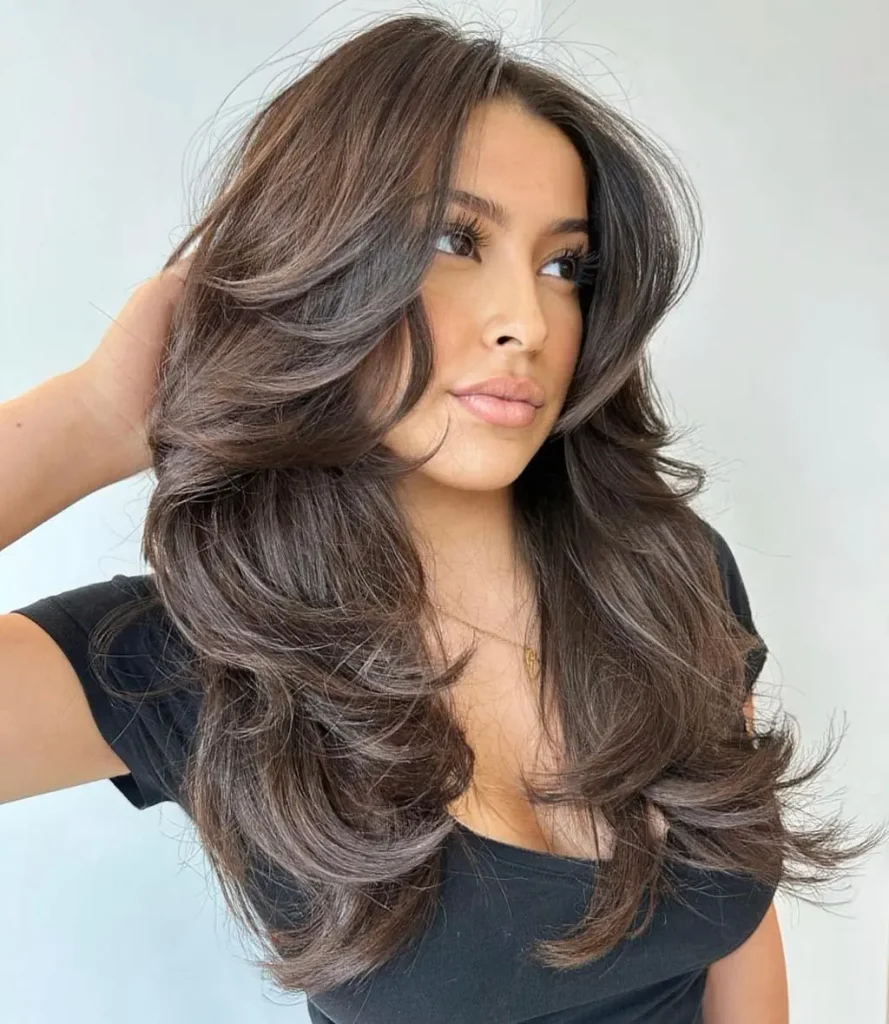
The butterfly haircut combines shorter, sweeping layers around the face with longer layers at the back. This creates the appearance of a voluminous, layered hairstyle while allowing you to keep much of your overall length. The shorter sections can be styled away from the face to create a soft, bouncy finish. It is a good option for women who enjoy fuller hairstyles and do not mind spending extra time styling their hair.
3. Face-Framing Layers
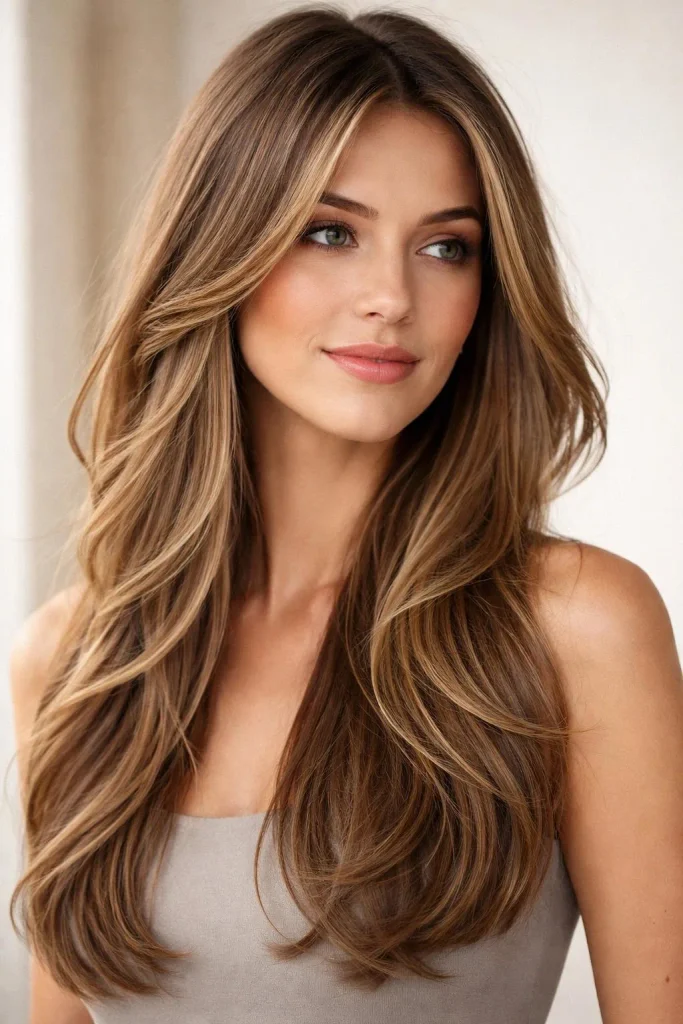
Face-framing layers are shorter sections that begin around the cheekbones, chin, or another point chosen to complement your features. They add movement around the face without requiring you to cut the rest of your hair short. These layers can soften a long hairstyle and blend naturally into the remaining length. They are suitable for many hair types, although the placement should be adjusted to your texture and desired finish.
4. U-Cut
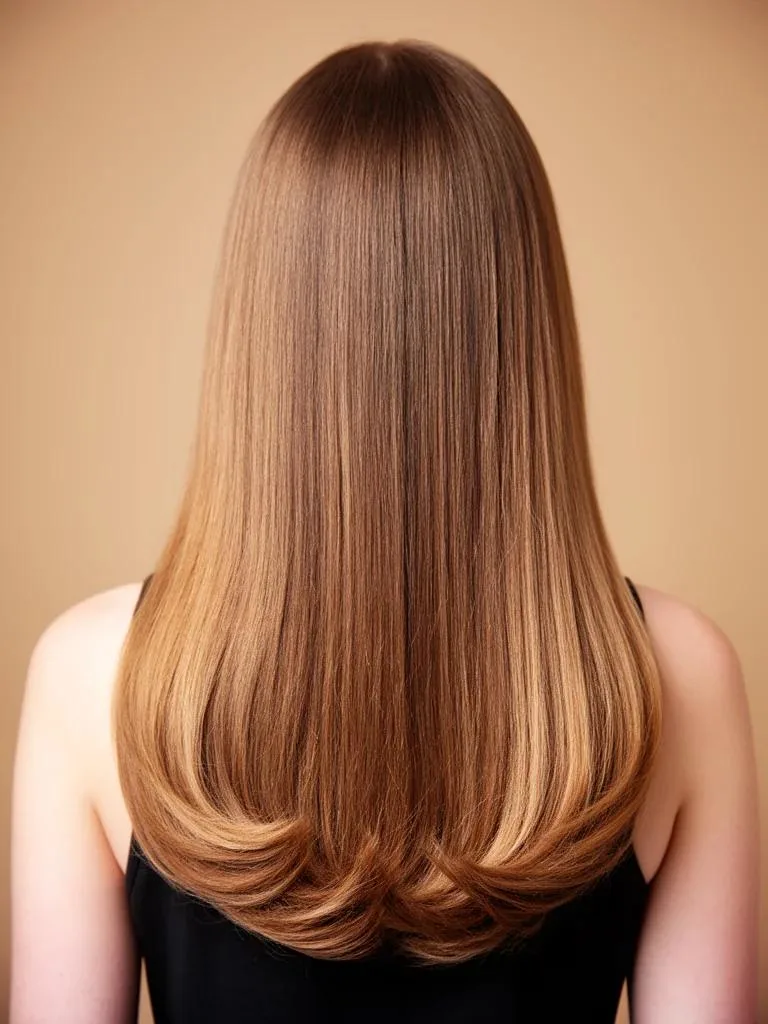
A U-cut creates a gently rounded outline at the back, with the hair forming a soft U shape rather than a straight line. This subtle design helps long hair maintain a balanced, flowing appearance. It is a useful choice if you want to retain length while giving the ends a little more shape. The cut works particularly well on medium-thick to thick hair, although the result depends on the density and condition of your ends.
5. V-Cut
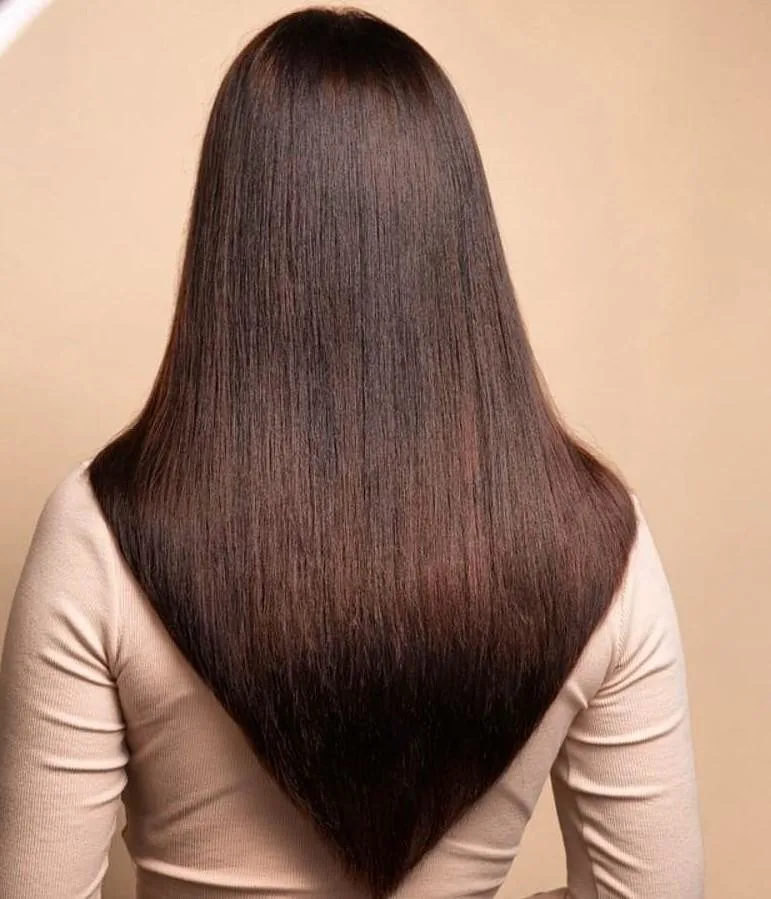
A V-cut tapers the hair toward a pointed shape at the back, creating a more dramatic outline than a U-cut. The angled edges add definition and can make long hair look more dynamic when viewed from behind. This style is particularly noticeable on thick, long hair and can work well with waves or layered textures. If you prefer a softer appearance, ask your stylist for subtle layers rather than an extremely sharp V shape.
Best Haircuts for Different Face Shapes
Your face shape can help guide your haircut choice, but it should not limit your options. Hair texture, personal preference, and styling habits matter just as much. Use these suggestions as a starting point rather than strict rules.
Haircuts for Round Faces
Round faces generally have softer angles and similar measurements across the cheeks and face length. Cuts that add height or create vertical lines can provide a more elongated appearance.
- Long layers with a deep side part: Create movement and draw attention diagonally across the face.
- Asymmetrical bob: The longer front sections introduce angles around the jawline.
- Textured pixie: Extra height at the crown can make the face appear longer.
- Layered lob with curtain bangs: Face-framing pieces add definition without making the style feel too heavy.
Haircuts for Oval Faces
Oval faces tend to have balanced proportions, making them suitable for a wide range of haircuts.
- Blunt bob: Highlights the jawline with a clean, defined shape.
- 1990s blowout layers: Add bounce and volume around the face.
- Side-parted pixie: Emphasizes the cheekbones and natural facial proportions.
- Curtain bangs with waves: Create a soft frame while adding texture.
Haircuts for Square Faces
Square faces often have a prominent jawline and a broader forehead. Soft layers and gentle waves can introduce movement around these features.
- Wavy lob: Softens the appearance of a strong jawline.
- Wispy curtain fringe: Adds a light frame around the forehead and sides.
- Long shag: Uses textured layers to create movement around the cheekbones.
- U-cut with subtle layers: Gives long hair a rounded, flowing outline.
Haircuts for Heart-Shaped Faces
Heart-shaped faces are typically wider around the forehead and cheekbones, with a narrower chin. Styles that add fullness around the lower face can create a balanced look.
- Chin-length bob: Adds visual width around the jawline.
- Side-swept bangs: Draw attention toward the eyes while softening the forehead.
- Butterfly haircut: Adds movement and volume around the shoulders.
- Deep side-parted waves: Create a soft, flowing shape that balances the upper and lower face.
Haircuts for Long Faces
Long faces have a greater length than width. Styles that add fullness at the sides or introduce fringe can help create a more balanced appearance.
- Full bangs: Cover part of the forehead and create a shorter-looking facial profile.
- Shaggy shoulder-length cut: Adds width and texture around the sides.
- Jaw-length bob: Creates a horizontal line that draws attention toward the jaw.
- Face-framing layers with curls: Add width and movement around the cheeks.
How to Choose the Right Haircut for Your Hair Type
A haircut usually works best when it complements your natural texture and density. Before choosing a style, consider how your hair behaves after washing and how much effort you want to spend styling it.
Haircuts for Thin or Fine Hair
Fine hair can look flat or lose fullness when too much length or too many layers are removed. Cuts with a defined outline often help create the appearance of greater density.
- Blunt bob: Keeps the ends looking solid and full.
- Textured pixie: Adds lift and movement around the crown.
- Clavicle-length lob: Maintains a manageable length without weighing the hair down.
- Light face-framing layers: Add shape around the face while preserving fullness.
Haircuts for Thick Hair
Thick hair can become bulky when it lacks shape. Strategic layering helps distribute weight and makes the hair easier to manage.
- Modern shag: Uses textured layers to reduce bulk and add movement.
- Long layered cut: Helps thick hair fall more naturally.
- Butterfly haircut: Combines shorter layers with longer lengths for a voluminous finish.
- Internal layers or undercut: Can reduce bulk when carefully tailored by a stylist.
Haircuts for Curly Hair
Curly hair benefits from shaping that considers how the curls naturally shrink, expand, and form when dry. A stylist experienced with curls can help create a balanced shape.
- Rounded layered cut: Encourages an even, rounded silhouette.
- Shaggy curls with bangs: Adds crown volume and frames the forehead.
- Asymmetrical curly bob: Creates a distinctive shape with a longer front.
- U-shaped cascading layers: Distribute volume through long curls and soften the ends.
Some stylists use curl-by-curl dry cutting techniques, sometimes associated with DevaCut, to shape curls according to their natural pattern. The best method depends on your curl type and styling routine.
Haircuts for Wavy Hair
Wavy hair naturally combines movement and softness. Cuts that work with the existing wave pattern often need less styling than those designed to keep the hair completely straight.
- Textured lob: Enhances natural waves at shoulder length.
- Long soft layers: Add flow without removing too much length.
- Curtain bangs with mid-length waves: Blend the fringe into the rest of the hairstyle.
- V-cut ends: Create a tapered outline that allows the waves to move freely.
Haircuts for Straight Hair
Straight hair often shows the shape of a haircut clearly. Clean lines can look polished, while subtle layers introduce movement and prevent longer styles from appearing flat.
- Sharp blunt bob: Creates a sleek, defined outline.
- Long layers: Add movement and help the hair swing naturally.
- Invisible layers: Remove some internal weight while keeping the outer shape relatively uniform.
- Wispy bangs: Introduce texture around the forehead without creating a heavy fringe.
How to Choose a Haircut That Fits Your Lifestyle
A haircut should suit your everyday routine, not just look good immediately after leaving the salon. Consider the time, products, and maintenance needed to keep it looking the way you want.
Daily Styling Time and Maintenance
Your available styling time can help narrow down your options.
- Under 5 minutes: Consider long, relatively uniform hair or a simple textured lob that works with your natural texture.
- 5–15 minutes: A classic bob, shoulder-length layers, or a modern shag may fit a moderate styling routine.
- 20 minutes or more: A voluminous butterfly cut, styled bangs, or a bouncy layered look may suit you if you enjoy blow-drying and using styling tools.
These are general estimates. Actual styling time depends on hair length, texture, and the finish you prefer.
Salon Visit Frequency
Different haircuts need different levels of upkeep. The following are approximate guidelines rather than fixed schedules.
| Haircut type | Approximate trim frequency |
| Pixie cuts and short fringe | Every 4–6 weeks |
| Structured bobs and lobs | Every 6–10 weeks |
| Long layers and U-cuts | Every 8–12 weeks or as needed |
| Long, low-maintenance styles | Every 3–6 months, depending on the ends |
If your haircut relies on a precise outline, more frequent trims may be necessary. Longer, blended layers can usually grow out with less noticeable changes in shape.
Heat Styling and Product Requirements
Some hairstyles look best with regular styling, while others work well with natural texture.
- For natural curls and waves: Curl creams, leave-in conditioners, or lightweight mousses may help define your texture.
- For sleek bobs and bouncy layers: A blow-dryer, round brush, or flat iron can help achieve a smooth finish. Use a heat protectant when applying heat.
- For minimal styling: Choose a cut that works with the way your hair naturally dries rather than relying on daily heat tools.
Ask your stylist to demonstrate a simple version of the haircut that you can recreate at home.
Hair Growth and Upkeep
Think about how the cut will look several weeks or months after your appointment. Long layers, soft face-framing pieces, and blended butterfly cuts often transition gradually as they grow.
Short pixies, asymmetrical bobs, and very short bangs may need more frequent shaping to maintain their original appearance. If you plan to grow your hair longer, discuss the grow-out process with your stylist before making a major change.
Conclusion
The best haircut for women is one that complements your features, works with your natural hair texture, and fits your daily routine. Short cuts such as pixies and French bobs offer a defined shape, medium styles provide versatility, and long layers add movement without sacrificing much length.
Before choosing a new style, consider your face shape, hair density, styling time, and maintenance preferences. Bring a few reference photos to your salon appointment and discuss how the cut will work with your natural hair. A stylist can then adjust the length, layers, and fringe to create a look that feels right for you.
Frequently Asked Questions
Bobs, lobs, butterfly cuts, textured shags, pixies, and layered hairstyles remain popular choices. The best option depends on your hair type and personal style.
Bobs, lobs, pixie cuts, and shoulder-length layers can all work well with glasses. Face-framing layers or side-swept bangs can help balance the frames, depending on their shape.
Yes, most face shapes can suit some type of bangs. Curtain bangs, wispy fringe, and side-swept bangs can be adjusted to suit different features and hair textures.
Layered bobs, shoulder-length cuts, pixies, and soft face-framing layers are popular options. The right choice depends on hair density, texture, lifestyle, and personal preference rather than age alone.
A layered haircut uses sections of different lengths to create movement and shape. A blunt cut has a more even outline, which can help the ends look fuller and more defined.
People are also reading
- Perfumes for Women
- Menstrual Cup
- Branded Watches for Men
- Branded Watches for Women
- Sanitary Pads
- Period Panty Brands