Uttarakhand is famous for its mountains, temples and natural beauty, but its festivals are just as special. They reflect the traditions, beliefs and everyday life of the people who call this state home. From the flower-filled celebration of Phool Dei to the folk songs of Kumaoni Holi and the festivities of Egaas in Garhwal, every celebration has its own story.
Having grown up with Uttarakhand’s traditions, I feel these festivals hold a special place in our lives. I love how simple rituals, family gatherings and blessings from elders keep our culture alive and bring generations closer.
In this article, let’s look at 24 festivals and traditional fairs of Uttarakhand, their significance, when they are celebrated and what makes each one unique.
24 Famous Festivals of Uttarakhand and Their Traditions
1. Phool Dei: Welcoming Spring with Flowers
When: Around mid-March
Where: Various parts of Uttarakhand, especially Kumaon
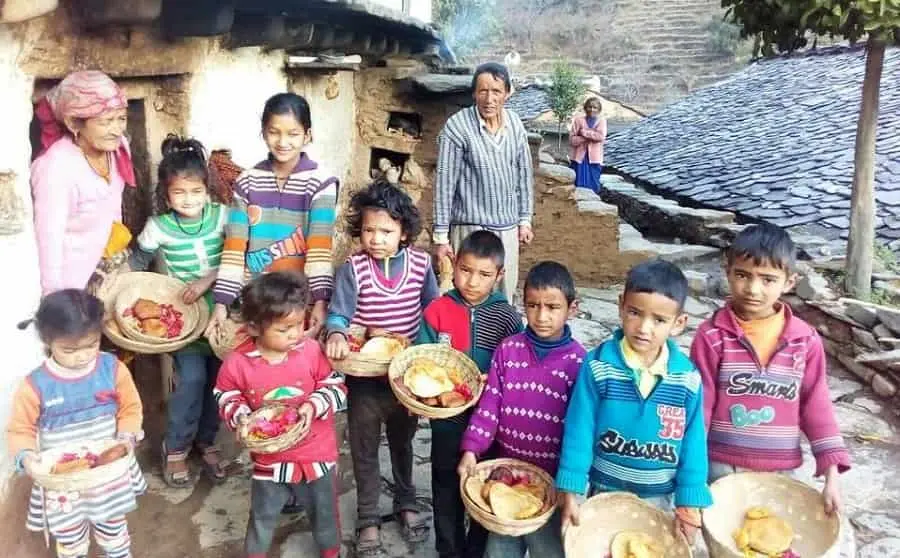
Phool Dei marks the arrival of spring. Children, particularly young girls, visit homes with flowers and place them at doorsteps while singing traditional songs. They offer wishes for happiness and prosperity, and families give them sweets, rice, jaggery or other treats in return.
A traditional preparation called dei, commonly made with ingredients such as flour, curd and jaggery, is also associated with the festival. Phool Dei reflects the connection between village life, nature and the changing seasons.
2. Harela: Celebrating Greenery and New Beginnings
When: Mainly July during Shravan; other seasonal observances also take place
Where: Particularly popular in Kumaon
Harela is an agricultural festival associated with greenery, prosperity and new beginnings. Families sow different types of seeds in small baskets of soil and allow them to grow for several days. The fresh green shoots are called harela and are used in traditional rituals. The festival is also associated with Lord Shiva and Goddess Parvati.
In my family, we still follow the tradition of placing fresh Harela shoots on our heads. Elders bless us with good health, happiness and a long life. I love how this simple ritual keeps our traditions alive and brings a special feeling to the celebration.
Harela is observed at different times in some parts of Uttarakhand. The Shravan celebration is particularly popular in Kumaon and is associated with the monsoon and hopes for a good harvest.
3. Ghughutia: Kumaon’s Sweet Makar Sankranti Tradition
When: January, around Makar Sankranti
Where: Kumaon
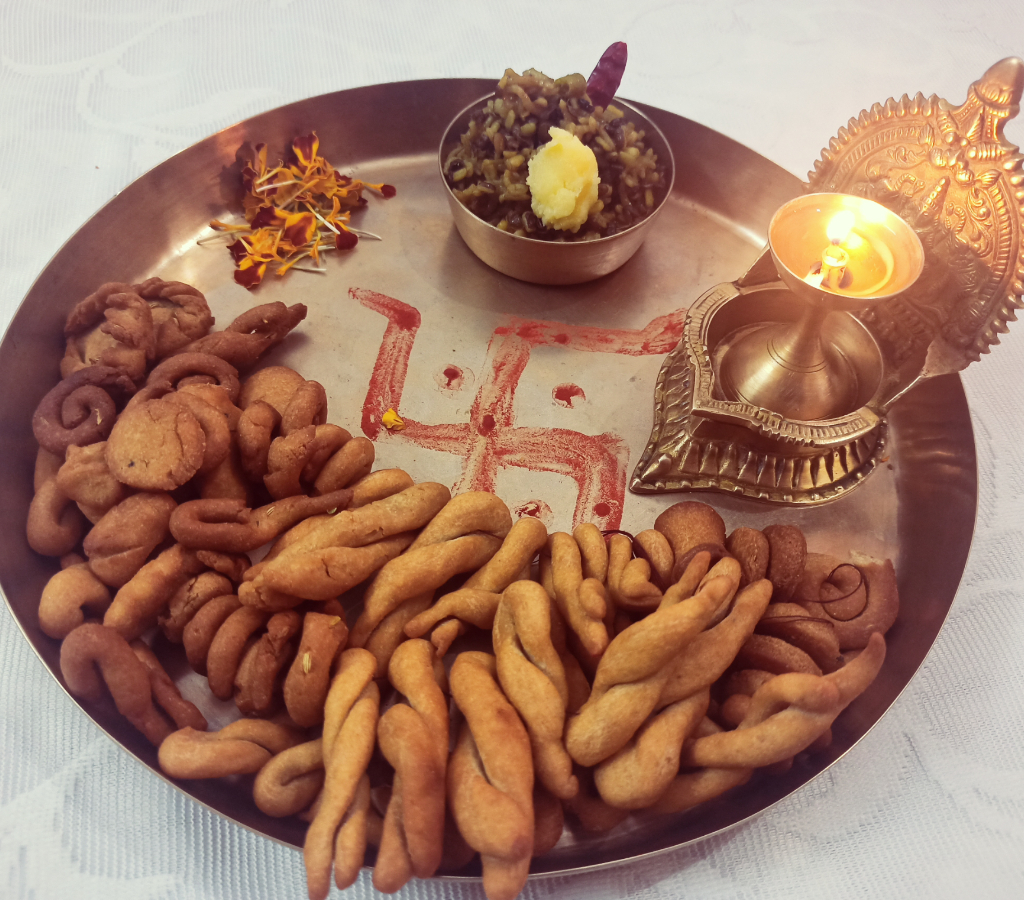
Ghughutia, also known as the Kale Kauwa tradition, is one of Kumaon’s distinctive Makar Sankranti celebrations. Families prepare sweet treats called ghughute using flour and jaggery. The dough is shaped into rings, flowers and other forms, fried and strung together to make garlands.
My childhood memories of Ghughutia begin early in the morning. We would wake up around 4 a.m., take a bath, light a diya and head to the terrace. From there, we would call out to the crows, singing, “Kale Kauwa Kale, Ghughuti Mala Khale,” and offer them ghughute. Waking up so early felt like a special part of the celebration, and going to the terrace to call the crows was something we looked forward to.
For me, Ghughutia is memorable because of these little moments. The sweets, the early-morning excitement and the familiar call to the crows make it a tradition that connects childhood memories with Kumaoni culture.
4. Uttarayani Mela: A Celebration of Kumaoni Culture
When: January, around Makar Sankranti
Where: Bageshwar and other parts of Kumaon
Uttarayani Mela is a well-known winter fair associated with Makar Sankranti. The fair in Bageshwar attracts devotees, traders and visitors from surrounding areas.
People gather to offer prayers, shop at local stalls and enjoy traditional music and folk performances. Songs and dances such as Jhora and Chanchari reflect Kumaon’s cultural heritage. The fair also provides an opportunity for local sellers and artisans to share their products with visitors.
5. Ganga Dussehra: Honouring the River Ganga
When: Usually May or June
Where: Haridwar and other places along the Ganga
Ganga Dussehra celebrates the descent of the River Ganga to Earth, according to Hindu tradition. Haridwar becomes an important destination for pilgrims who visit to take a holy dip, offer prayers and participate in religious ceremonies.
The ghats fill with devotees, and special aartis create a spiritual atmosphere. The festival highlights the religious and cultural importance of the Ganga in Uttarakhand.
6. Nanda Devi Mahotsav: Honouring the Goddess
When: Generally September; dates vary by location
Where: Almora, Nainital and other places in Kumaon
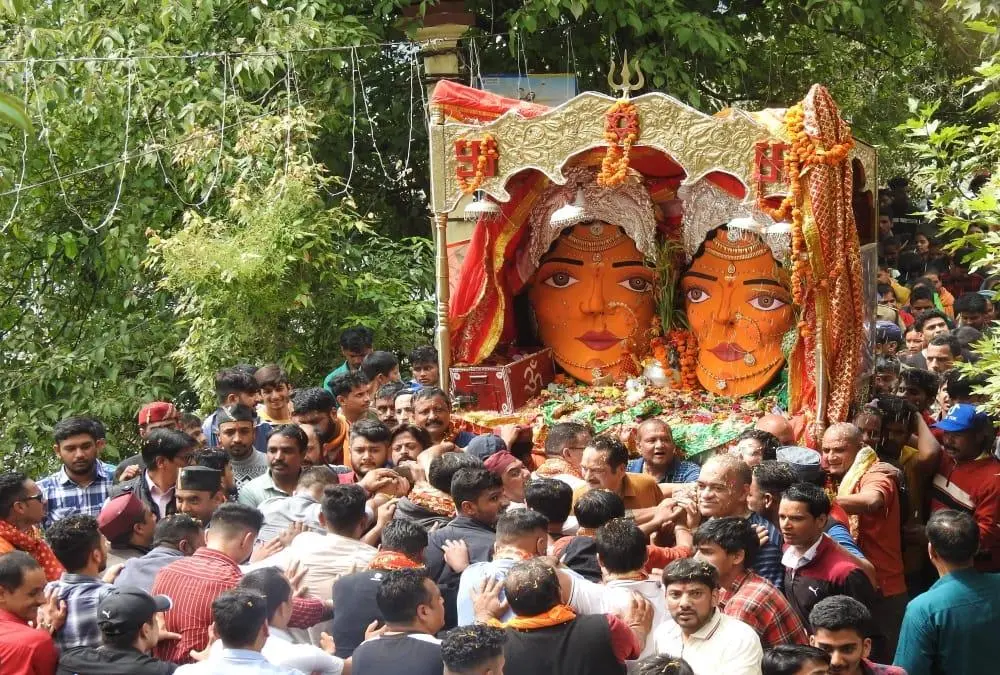
Nanda Devi Mahotsav is dedicated to Goddess Nanda Devi, who holds a special place in the religious traditions of Uttarakhand. Celebrations may include worship, processions, cultural programmes and local fairs.
The festival brings together devotees and visitors while showcasing regional music, customs and community life. Although celebrations take place in several locations, their exact programmes and dates can differ.
7. Nanda Devi Raj Jat: A Sacred Himalayan Pilgrimage
When: Traditionally once every 12 years in Chamoli
Where: Begins at Nauti village near Karnaprayag
Nanda Devi Raj Jat is one of Uttarakhand’s significant traditional pilgrimages. Dedicated to Goddess Nanda Devi, the journey brings together devotees from Garhwal, Kumaon and other regions.
The traditional route passes through remote Himalayan settlements and challenging mountain terrain before reaching the sacred area around Homkund. A four-horned ram, known as Chausingya Khadu, is an important part of the pilgrimage tradition.
The main Raj Jat is traditionally held once every 12 years in Chamoli. It should not be confused with smaller Nanda Devi pilgrimages and local celebrations that take place more frequently. Because the journey involves high-altitude terrain, anyone planning to attend should check official announcements, route information and safety guidance.
8. Egaas: Uttarakhand’s Festival After Diwali
When: Eleven days after Diwali
Where: Garhwal and other parts of Uttarakhand
Egaas, also spelled Igas, is often called Igas Diwali or Budhi Diwali. It is celebrated eleven days after Diwali and is particularly associated with Garhwal.
According to a popular local story, news of Lord Rama’s return to Ayodhya reached the hills late, so people celebrated after the main Diwali festivities. This is a traditional explanation passed down through folklore.
Celebrations may include lighting lamps, preparing festive food, singing, dancing and gathering with family. Egaas keeps regional customs alive and gives communities another occasion to celebrate together.
9. Kanwar Yatra: A Pilgrimage Dedicated to Lord Shiva
When: Mainly during Shravan, usually July or August
Where: Haridwar and other pilgrimage routes
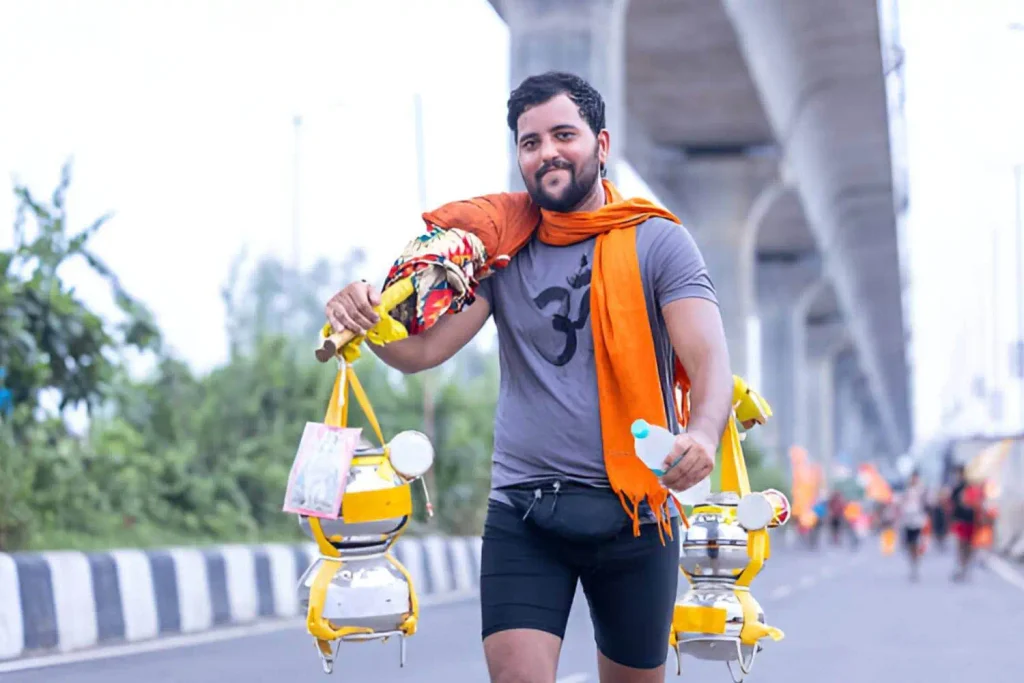
Kanwar Yatra is an annual pilgrimage undertaken by devotees of Lord Shiva, known as kanwariyas. Many travel to Haridwar to collect water from the Ganga and carry it back to offer at Shiva temples.
Pilgrims often walk long distances carrying decorated kanwars on their shoulders. Haridwar becomes especially busy during the pilgrimage season, with arrangements for devotees along major routes.
The pilgrimage takes place in several parts of India, but Haridwar’s connection with the Ganga makes Uttarakhand an important destination for participants.
10. Ghee Sankranti: Celebrating Agriculture and Prosperity
When: Usually August
Where: Rural areas of Uttarakhand
Ghee Sankranti, also called Olgia in local tradition, is associated with agriculture, seasonal change and prosperity. The festival has a special place in farming communities, where food and agricultural produce are central to everyday life.
Ghee is traditionally consumed during the celebration, and families prepare local dishes. The occasion reflects gratitude for agricultural abundance and the importance of livestock and farming in the hills.
11. Anduri Utsav: The Butter Festival
When: Generally August or September
Where: Raithal village, Uttarkashi district
Anduri Utsav is also known as the Butter Festival. It is held in Raithal near the Dayara Bugyal meadows. According to Uttarakhand Tourism, the celebration expresses gratitude to Lord Krishna for protecting cattle while they graze in the meadows.
During the festival, participants smear one another with butter, milk and buttermilk. The unusual ritual has made Anduri Utsav distinctive among Uttarakhand’s cultural celebrations.
It also highlights the relationship between local communities, livestock and the Himalayan landscape.
12. Jhanda Mela: Dehradun’s Historic Religious Fair
When: Begins on the sixth day after Holi
Where: Jhanda Sahib Gurudwara, Dehradun
Jhanda Mela is an important annual fair associated with Guru Ram Rai and the historic Jhanda Sahib Gurudwara in Dehradun.
Devotees gather for prayers and ceremonies centred on the flag, or jhanda. The event attracts visitors from different places and brings a lively atmosphere to the city.
The fair combines religious observances with community gatherings and remains an important part of Dehradun’s cultural life. Visitors should check the gurudwara’s announcements for the exact dates and programme each year.
13. Kumbh Mela: A Major Pilgrimage at Haridwar
When: Held according to a traditional cycle, approximately every 12 years at Haridwar
Where: Haridwar
Kumbh Mela is one of India’s best-known religious gatherings, and Haridwar is one of its traditional host cities. During the event, pilgrims gather along the Ganga for ritual bathing, prayers and religious discussions.
The city can become extremely crowded during major bathing dates. Anyone planning to attend should follow official travel advisories, accommodation guidance and crowd-management instructions.
Kumbh Mela is not an annual event, so visitors should verify the official schedule before making travel plans.
14. Khatarua: Welcoming the Change of Seasons
When: Around mid-September
Where: Kumaon
Khatarua is a traditional festival associated with the pastoral and agricultural communities of Kumaon. It marks a seasonal transition as autumn approaches.
A distinctive custom involves stacking dry grass and firewood in open spaces or at crossroads and lighting bonfires in the evening. The festival reflects the region’s farming traditions and the close connection between everyday life and seasonal changes.
Local customs can vary, making it useful to ask residents about how the celebration is observed in a particular village.
15. Bhitauli: A Tradition of Family Care
When: Mainly March or April
Where: Particularly Kumaon
Bhitauli is a traditional Kumaoni observance associated with married daughters. Parents, brothers or other relatives visit or send food, sweets, fruit and clothes to a married woman.
The tradition reflects the continuing connection between a woman and her parental home after marriage. For many families, Bhitauli is less about elaborate public celebrations and more about remembering loved ones through thoughtful gifts and visits.
The customs can vary between households, but the central idea is to express affection and maintain family bonds.
16. Kumaoni Holi: Music, Colours and Community
When: During the Holi season, mainly February or March
Where: Kumaon
Holi is celebrated across Uttarakhand, but Kumaon’s musical traditions give it a distinctive character. Baithki Holi involves groups gathering to sing classical and semi-classical songs, while Khari Holi is known for group singing and dancing, often with participants dressed in traditional clothing.
The celebrations can begin well before the main day of Holi. Music, colours and gatherings with family and neighbours make the season an important part of Kumaoni cultural life.
These traditions show how regional forms of music have become closely connected with religious and seasonal celebrations.
17. Kandali Festival: A Rare Flowering Tradition
When: Associated with the flowering of the kandali plant, traditionally described as occurring about once every 12 years
Where: Chaudans region, Pithoragarh district
The Kandali Festival is a distinctive tradition of the Chaudans region. It is linked to the flowering of the kandali plant and a local folk story remembered by the community.
During the celebration, people symbolically destroy the plant as part of the traditional ritual. The festival carries local historical and cultural meaning, and its timing is connected to the plant’s unusual flowering cycle.
Because it is not held like an ordinary annual event, visitors should confirm local information before making travel plans.
18. Vat Savitri: Prayers for Well-Being
When: Usually May or June, according to the Hindu calendar
Where: Various parts of Uttarakhand
Vat Savitri is observed by many married Hindu women who pray for their husbands’ well-being and long life. The rituals are associated with Savitri, a figure from Hindu tradition, and the banyan tree, known as vat.
Women may observe a fast and offer prayers around a banyan tree. Practices differ by region and family, but the festival centres on devotion and a well-known story of marital commitment.
19. Purnagiri Mela: A Pilgrimage in Champawat
When: Mainly during the pilgrimage season after Holi; confirm dates locally
Where: Purnagiri Temple near Tanakpur, Champawat district
Purnagiri Mela is an important religious gathering centred on Purnagiri Temple, which stands on a hill near Tanakpur. Devotees visit to offer prayers, particularly during the Chaitra Navratri period.
The pilgrimage involves travelling through hilly terrain, so visitors should plan for the route, crowds and weather. The fair is an important part of the region’s religious life and attracts pilgrims from Uttarakhand and neighbouring areas.
20. Syalde Bikhauti Mela: A Traditional Fair in Dwarahat
When: Around Vishuwat Sankranti in April
Where: Dwarahat, Almora district
Syalde Bikhauti Mela is a traditional Kumaoni fair held in Dwarahat. It is associated with local history and is celebrated with folk music, songs, dance and community gatherings.
The fair brings people from nearby villages together and gives visitors an opportunity to experience Kumaon’s cultural traditions. Its importance lies not only in the religious observances but also in the local stories and customs passed down through generations.
21. Hill Jatra: Celebrating Farming Traditions
When: During the rainy season; dates vary locally
Where: Pithoragarh district
Hill Jatra is a traditional festival associated with farming, particularly paddy transplantation. The celebration includes masked performances representing agricultural activities and enactments based on local folk legends.
The costumes and performances make it a distinctive cultural event. Hill Jatra also reflects how seasonal farming activities have influenced the rituals, stories and performing arts of communities in the hills.
22. Bissu Mela: A Regional Cultural Gathering
When: During the Chaitra period; dates vary
Where: Jaunsar-Bawar region, near Santoora Devi Temple
Bissu Mela is a traditional fair associated with the Jaunsar-Bawar region of Uttarakhand. It is held near Santoora Devi Temple and brings people together for religious observances and community celebrations.
The fair reflects the region’s distinctive cultural identity, including its local customs and social traditions. Visitors interested in Uttarakhand’s diversity can learn about a cultural heritage that differs from the better-known traditions of Kumaon and central Garhwal.
23. Devidhura Mela: A Unique Fair in Champawat
When: Around Raksha Bandhan
Where: Devidhura, Champawat district
Devidhura Mela is held at the Varahi Devi Temple in Champawat district. It is traditionally associated with Bagwal, a ritual in which groups once threw stones at one another while using shields for protection.
The practice has changed following court intervention, and flowers and fruits have been used in place of stones. Visitors should follow current local arrangements and guidance rather than assume that older descriptions of the ritual reflect present-day practice.
The fair remains an important religious and cultural gathering in the region.
24. Janopunya: A Sacred-Thread Tradition in Kumaon
When: Around Raksha Bandhan
Where: Kumaon
Janopunya is a traditional observance in Kumaon associated with Raksha Bandhan. On this day, some Hindu men change their janeu, or sacred thread, as part of a religious ritual.
The occasion is also associated with the Bagwal fair at Devidhura in Champawat district. Janopunya reflects the way religious observances and regional customs can share the same day while retaining their own significance.
Best Time to Experience Festivals in Uttarakhand
Festivals take place throughout the year, so the best time to visit depends on the celebration you want to experience.
- January: Ghughutia and Uttarayani Mela around Makar Sankranti.
- March to April: Phool Dei, Bhitauli and Syalde Bikhauti Mela, depending on the calendar and local dates.
- May to June: Ganga Dussehra and Vat Savitri.
- July to September: Harela, Kanwar Yatra, Ghee Sankranti, Anduri Utsav, Khatarua and several regional fairs.
- October to November: Egaas and other celebrations around the Diwali season.
These are broad seasonal guides rather than fixed annual dates. Hindu calendar dates can shift, and some festivals follow local traditions. For major pilgrimages and fairs, confirm dates with official tourism or district administration websites before booking travel.
Tips for Experiencing Uttarakhand’s Festivals
- Check local dates: Festival timings can vary by district, temple and community.
- Respect local customs: Ask before photographing people or religious ceremonies.
- Try local food: Traditional sweets and regional dishes are often an important part of celebrations.
- Plan transport early: Major fairs and pilgrimages can attract large crowds.
- Keep the environment clean: Avoid littering near rivers, temples and mountain trails.
- Follow safety guidance: For high-altitude pilgrimages, check weather updates and official travel advisories.
Conclusion
The festivals of Uttarakhand offer more than religious ceremonies and public celebrations. They reflect the state’s relationship with nature, agriculture, family and community life. From offering ghughute to crows on a cold morning to receiving Harela shoots and blessings from elders, small traditions can carry some of the strongest memories.
Each region has its own customs, songs, food and ways of celebrating. If you want to understand Uttarakhand beyond its mountains and tourist destinations, experiencing its festivals is a meaningful place to start.
Frequently Asked Questions
Phool Dei, Harela, Ghughutia, Uttarayani Mela, Nanda Devi Mahotsav and Egaas are among the best-known festivals of Uttarakhand. Kumbh Mela and Kanwar Yatra are also important religious gatherings in the state.
Phool Dei is known as the festival of flowers. Children place fresh flowers and rice at doorsteps to welcome spring and wish families happiness and prosperity.
Phool Dei marks the arrival of spring in Uttarakhand. Children place fresh flowers and rice at doorsteps and sing traditional songs while wishing families happiness and prosperity.
Kumaoni traditions include Ghughutia, Harela and Uttarayani Mela, while Egaas is especially associated with Garhwal. Each region has its own folk songs, rituals and ways of celebrating.
Yes, tourists can attend many public festivals and fairs, such as Uttarayani Mela and Jhanda Mela. It is best to check the dates in advance, respect local customs and follow any instructions from organisers.
People are also reading: