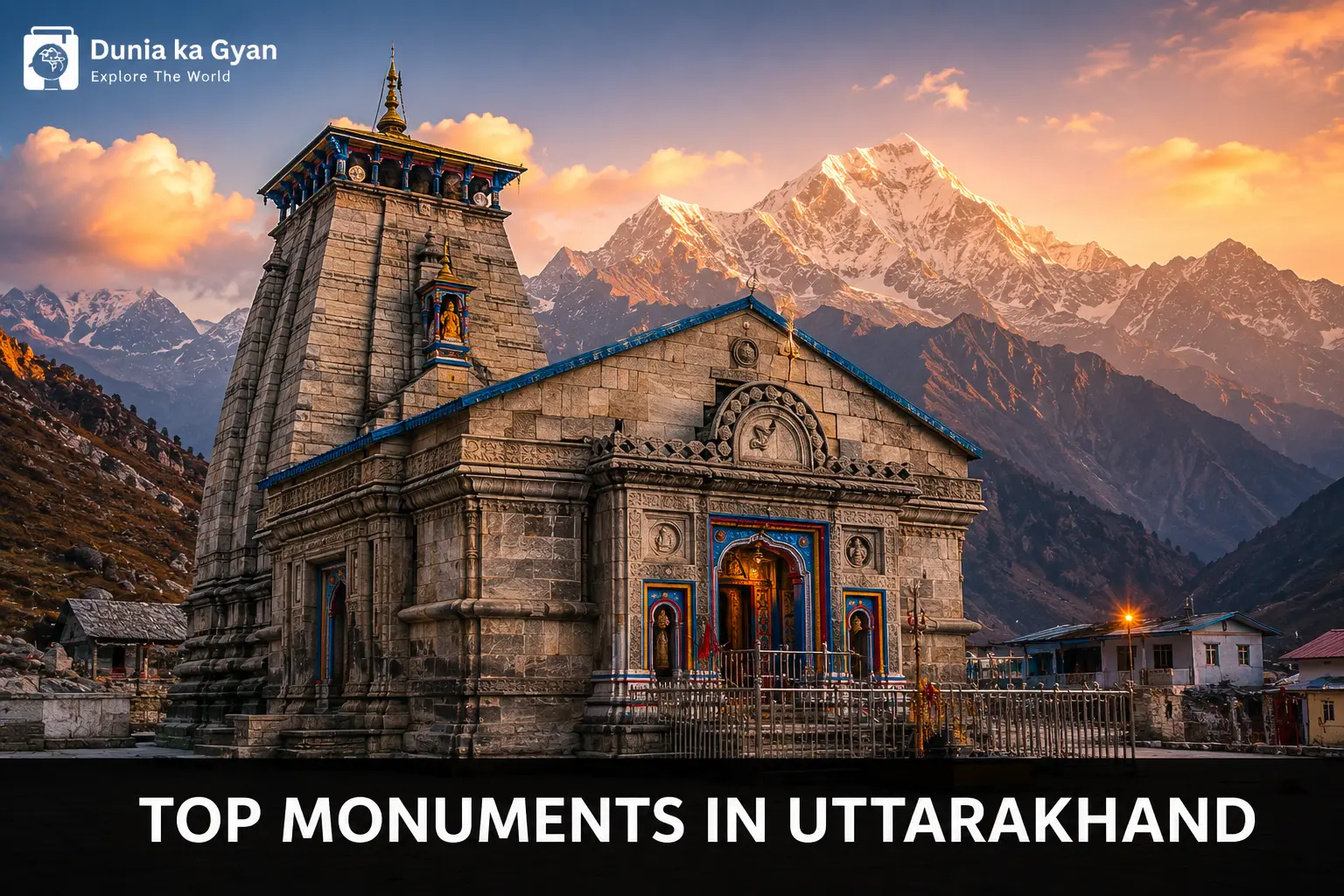
Uttarakhand is not only about scenic mountains; instead, it is a land where history, mythology, and spirituality exist together. The monuments in Uttarakhand reflect centuries of culture, devotion, and architectural brilliance. Moreover, from ancient temples to hidden caves, the state offers some of the most fascinating heritage experiences in India.
In addition, many of these sites are not just religious centers; they are also important heritage sites in Uttarakhand that showcase traditional Himalayan architecture and craftsmanship. As a result, they attract travelers looking for both peace and exploration. Along with popular destinations, there are also hidden temples in Uttarakhand and lesser-known monuments that offer a more authentic and peaceful experience.
During my travels, I realized that these places are not just for sightseeing. Instead, the atmosphere, silence, and spiritual connection make them completely different from typical destinations. Therefore, if you are planning a trip in 2026, exploring these famous temples and historical monuments in Uttarakhand will give you a much deeper travel experience.
Best Monuments in Uttarakhand
Uttarakhand is home to several ancient and spiritual monuments. Moreover, each site carries its own historical and cultural importance. Therefore, here are the most significant monuments you should include in your travel plan:
- Badrinath Temple
- Katarmal Sun Temple
- Baijnath Temple Complex
- Rudranath Temple
- Jageshwar Temple Complex
- Lakhamandal
- Patal Bhuvaneshwar
- Adi Badri Temples
- Baleshwar Temple
- Gangolihat
- Pandukeshwar
- Sitabani
- Mahasu Devta Temple
1. Badrinath Temple – Among the Most Sacred Monuments
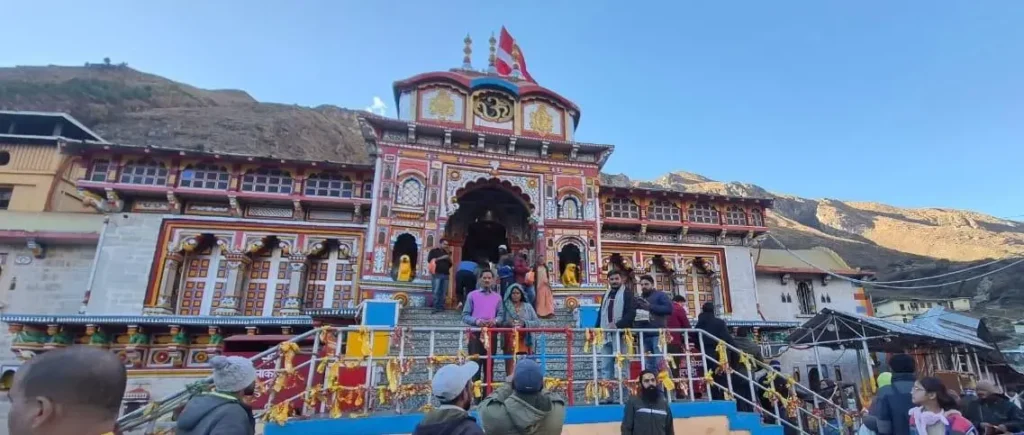
Badrinath Temple is not just a religious site; rather, it is one of the most spiritually and architecturally significant monuments in Uttarakhand. Located at an altitude of around 3,300 meters, it stands between the Nar and Narayan mountains. Moreover, this location gives it a dramatic and divine setting.
Historically, the temple was re-established by Adi Shankaracharya in the 8th century. However, its origins are believed to be much older. In addition, the temple reflects traditional North Indian Nagara architecture.
Inside the structure, the temple is divided into three main sections: Garbhagriha, Darshan Mandap, and Sabha Mandap. As a result, devotees experience a well-organized spiritual journey.
Interestingly, the idol of Lord Vishnu is made of black stone and is considered self-manifested. When I visited early in the morning, the sound of bells and chants created a powerful atmosphere. Therefore, the experience felt deeply spiritual rather than just visual.
Key Highlights
- Built In: 8th Century (re-established)
- Built By: Adi Shankaracharya
- Architecture Style: North Indian (Nagara style)
- Main Attractions:
- Garbhagriha (Sanctum with Vishnu idol)
- Darshan Mandap (Prayer hall)
- Sabha Mandap (Assembly hall)
- Altitude: 3,300 meters
- Spiritual Importance: Part of Char Dham Yatra
How to Reach
- By Road: Well connected via NH-7 from Haridwar, Rishikesh, and Dehradun
- Nearest Bus Stand: Badrinath Bus Stand (walking distance)
- Nearest Railway Station: Rishikesh (approx. 295 km)
- Nearest Airport: Jolly Grant Airport, Dehradun
Places to Stay
- GMVN Tourist Rest Houses (best budget option)
- Dharamshalas for pilgrims
- Mid-range hotels near temple area
- Luxury stays available in Joshimath
Best Time to Visit
- Ideal Months: May to June, September to October
- Avoid: Peak monsoon (landslides risk)
- Winter: Temple remains closed due to heavy snowfall
2. Katarmal Sun Temple – Almora’s Architectural Pride
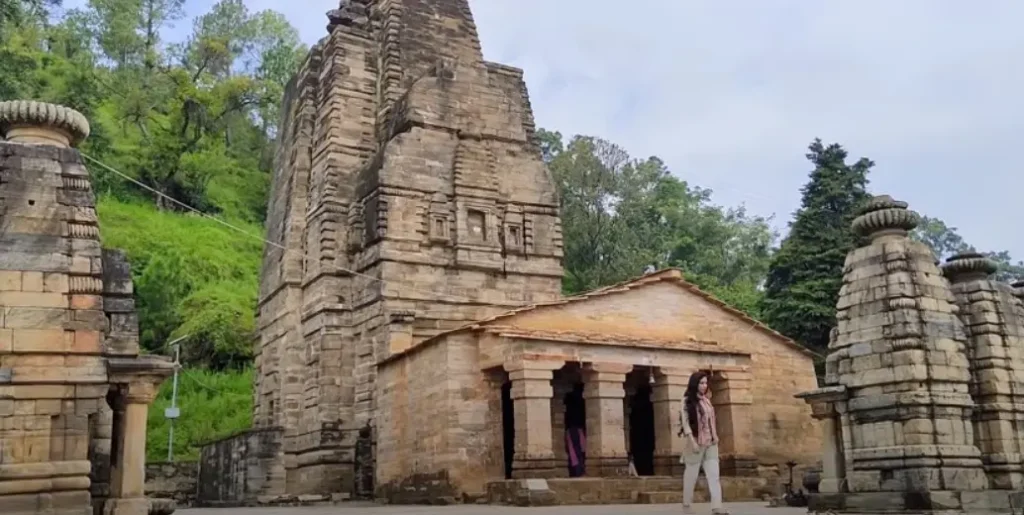
The Katarmal Sun Temple is one of the rare Sun temples in India. Moreover, it is also one of the most important historical monuments in Uttarakhand.
Located near Almora, it requires a short trek. However, the journey becomes rewarding once you reach the top. Built in the 9th century by the Katyuri dynasty, it is dedicated to Surya Dev. As a result, it holds unique importance among Himalayan temples.
In addition, the complex includes around 40 smaller temples surrounding the main shrine. Therefore, it reflects advanced ancient planning and craftsmanship.
The stone carvings and mountain views make the experience peaceful. In fact, the silence of the site adds to its spiritual energy.
Key Highlights
- Built In: 9th Century
- Built By: Katyuri Dynasty
- Architecture Style: Early Nagara style
- Main Attractions:
- Main Sun Temple (Surya shrine)
- Cluster of 40+ subsidiary temples
- Stone carvings & hilltop setting
- Location Type: Hilltop monument
How to Reach
- By Road: 17 km from Almora via motorable road + short trek
- Nearest Bus Stand: Almora
- Nearest Railway Station: Kathgodam (approx. 90 km)
- Nearest Airport: Pantnagar Airport
Places to Stay
- Budget & mid-range hotels in Almora
- Homestays in nearby villages
- Resorts with valley views
Best Time to Visit
- Ideal Months: October to March
- Also Good: April to June
- Avoid: Heavy monsoon due to slippery trek routes
3. Baijnath Temple Complex – Riverside Heritage Marvel
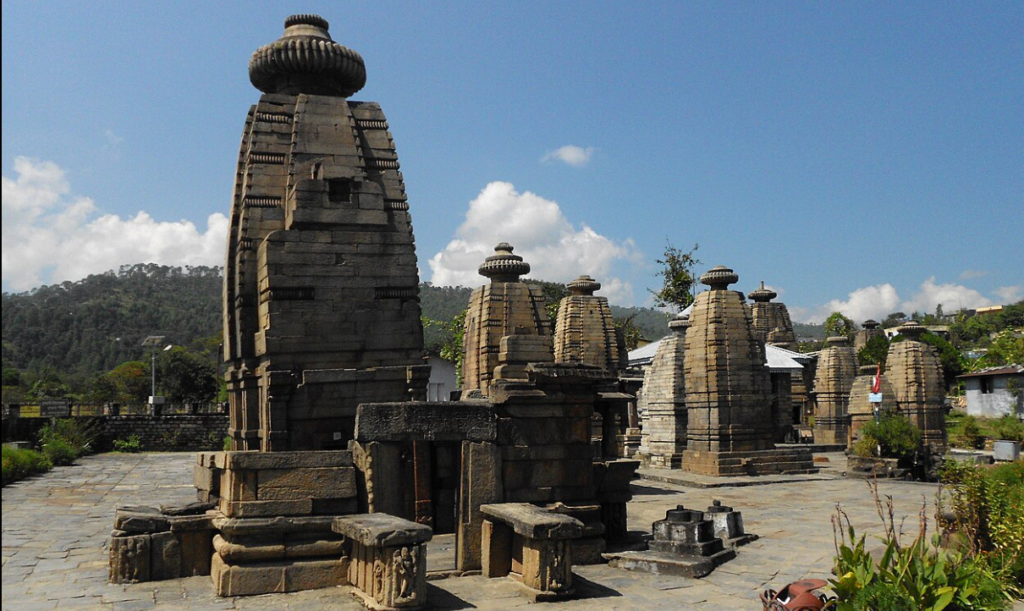
Baijnath Temple Complex is one of the best-preserved monuments in Uttarakhand. Located on the banks of the Gomti River, it was built in the 12th century by the Katyuri kings. Moreover, its riverside location enhances its spiritual importance.
The complex consists of multiple stone temples dedicated mainly to Lord Shiva. However, each structure also reflects different deities. As a result, it shows diversity in ancient worship practices.
In addition, the carvings on the stone walls are still clearly visible. Therefore, it remains an excellent example of Himalayan architecture.
When I visited, the sound of flowing river water created a calm environment. Thus, the site felt peaceful and historically rich at the same time.
Key Highlights
- Built In: 12th Century
- Built By: Katyuri Kings
- Architecture Style: Stone Nagara style
- Main Attractions:
- Main Shiva Temple
- Cluster of riverside temples
- Intricate stone carvings
- Special Feature: Located on Gomti River bank
How to Reach
- By Road: Well connected via Bageshwar town
- Nearest Bus Stand: Bageshwar
- Nearest Railway Station: Kathgodam (150 km)
- Nearest Airport: Pantnagar
Places to Stay
- Budget hotels in Bageshwar
- Riverside homestays
- Guesthouses
Best Time to Visit
- Ideal Months: March to June, October to February
- Open: Throughout the year
4. Rudranath Temple – The Trekking Monument of Devotion
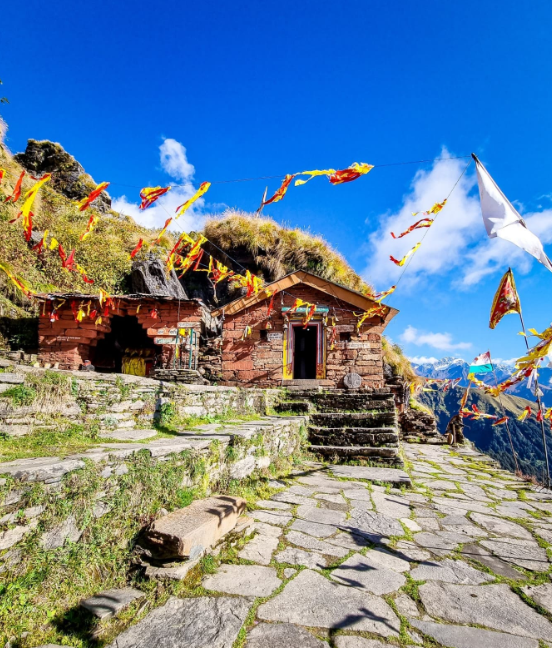
Rudranath Temple is one of the Panch Kedar temples dedicated to Lord Shiva. However, reaching it requires a long trek through forests and meadows. Moreover, this makes it both a spiritual and adventure destination.
The temple is simple in structure, but the natural rock inside the sanctum is worshipped as Lord Shiva’s face. As a result, it holds deep religious importance. During the trek, travelers pass through villages, rivers, and alpine landscapes. In addition, this journey itself becomes part of the experience.
Therefore, Rudranath is not just a destination; instead, it is a spiritual journey combined with nature.
Key Highlights
- Built In: Ancient (exact date unknown)
- Temple Type: Panch Kedar shrine
- Architecture Style: Traditional Himalayan stone structure
- Main Attractions:
- Natural rock formation (Shiva face) in Garbhagriha
- High-altitude meadow surroundings
- Scenic trekking route through forests
- Altitude: ~3,600 meters
- Spiritual Importance: One of the Panch Kedar temples
How to Reach
- By Road: Reach Gopeshwar via Joshimath
- Base Point: Sagar Village / Gopeshwar
- Trek Distance: Approx. 20–24 km
- Nearest Bus Stand: Gopeshwar
- Nearest Railway Station: Rishikesh (approx. 250 km)
- Nearest Airport: Jolly Grant Airport, Dehradun
Places to Stay
- Basic lodges and dharamshalas in Gopeshwar
- Village homestays near Sagar
- Trekking camps along the route
- GMVN guest houses (limited availability)
Best Time to Visit
- Ideal Months: May to June, September to October
- Avoid: Monsoon (slippery trails, landslides)
- Winter: Inaccessible due to heavy snowfalL
5. Jageshwar Temple Complex – The Forest Temple Cluster
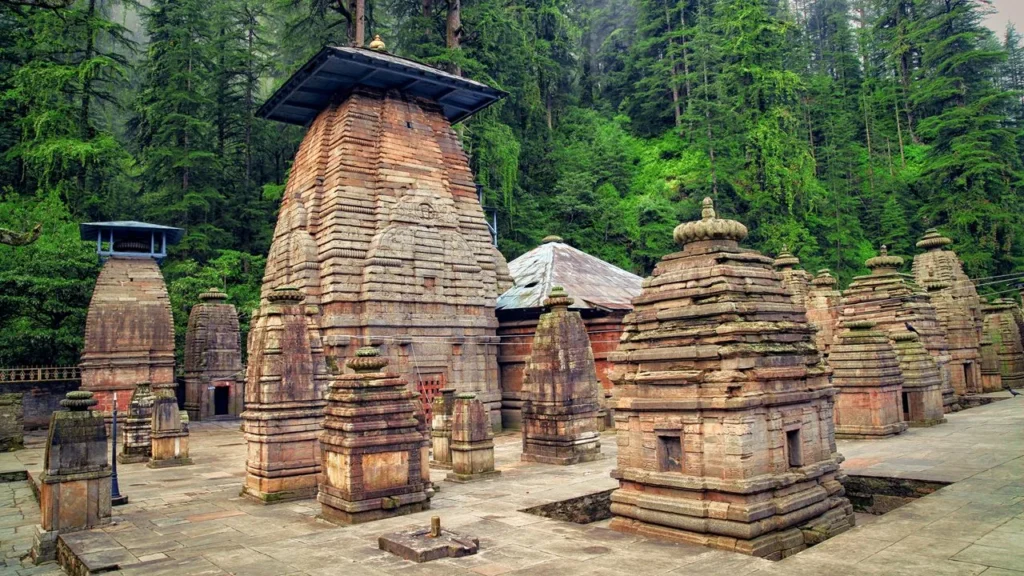
Jageshwar Temple Complex is one of the most significant heritage sites in Uttarakhand, as it includes more than 100 ancient stone temples. Built between the 9th and 13th centuries, it represents the mature phase of Himalayan temple architecture. Moreover, its historical depth makes it one of the oldest religious sites in the region.
The entire complex is surrounded by dense deodar forests, which naturally enhance its spiritual atmosphere. As a result, the environment feels extremely peaceful and meditative for visitors.
In addition, the temples display intricate stone carvings along with classic Nagara-style architecture. Therefore, it is often considered a living museum of ancient Indian craftsmanship.
When I visited the site, the silence and forest surroundings made it feel like stepping into a different era. In fact, the energy of the place feels timeless and deeply calming.
Key Highlights
- Built In: 9th–13th Century
- Built By: Katyuri Dynasty
- Architecture Style: Nagara style (stone temples)
- Main Attractions:
- 100+ interconnected stone temples
- Main Shiva temple with Garbhagriha
- Intricate carvings on pillars and walls
- Dense deodar forest surroundings
- Special Feature: One of the oldest temple clusters in North India
How to Reach
- By Road: Well connected via Almora (approx. 35 km)
- Nearest Bus Stand: Almora
- Nearest Railway Station: Kathgodam (approx. 120 km)
- Nearest Airport: Pantnagar Airport
Places to Stay
- Hotels and resorts in Almora
- Dharamshalas near temple complex
- Budget guesthouses in Jageshwar
- Homestays in nearby villages
Best Time to Visit
- Ideal Months: March to June, September to November
- Also Good: Winter for peaceful experience
- Avoid: Heavy monsoon due to travel difficulty
6. Lakhamandal – A Mythological Architectural Site
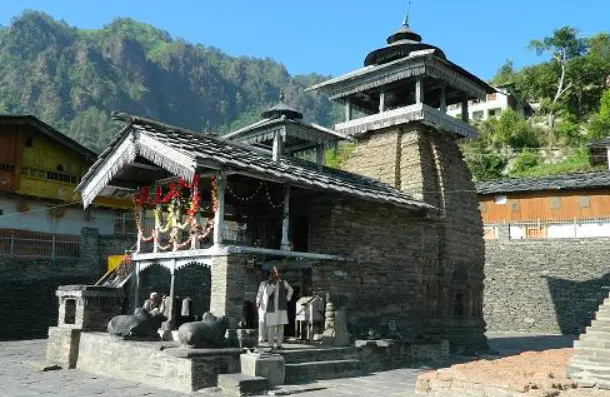
Lakhamandal is one of the most mysterious monuments in Uttarakhand, and it is strongly linked with the Mahabharata era. According to belief, it is associated with the famous Lakshagriha incident. Moreover, this mythological connection increases its historical importance.
The temple is dedicated to Lord Shiva and contains a unique Shivling that attracts both devotees and researchers. Interestingly, water poured over the Shivling creates a reflective effect. As a result, it is considered spiritually powerful and scientifically intriguing.
In addition, the site contains scattered stone ruins that suggest an ancient settlement. Therefore, Lakhamandal holds both archaeological and mythological significance.
The quiet surroundings and remote location further enhance its mysterious charm, making the experience feel untouched and authentic.
Key Highlights
- Built In: Ancient period (exact date unknown)
- Historical Link: Mahabharata (Lakshagriha)
- Architecture Style: Early Himalayan stone temple
- Main Attractions:
- Shivling inside Garbhagriha with reflective property
- Ancient carvings and sculptures
- Ruins of old temple structures
- Special Feature: Mythological significance + archaeological remains
How to Reach
- By Road: 100 km from Dehradun via Chakrata route
- Nearest Bus Stand: Chakrata / Dehradun
- Nearest Railway Station: Dehradun
- Nearest Airport: Jolly Grant Airport
Places to Stay
- Hotels in Dehradun
- Homestays in Chakrata region
- Budget lodges nearby
Best Time to Visit
- Ideal Months: October to March
- Also Good: April to June
- Avoid: Heavy monsoon season
7. Patal Bhuvaneshwar Cave Temple – The Underground Sacred Cave
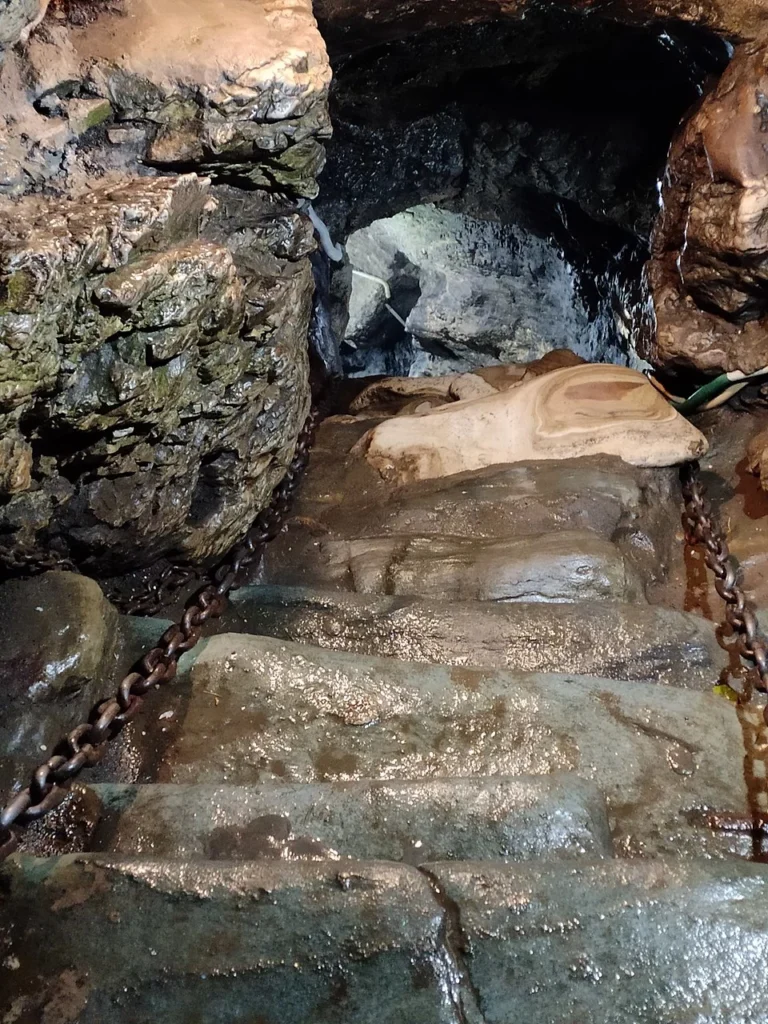
Patal Bhuvaneshwar is a natural limestone cave temple located in the Pithoragarh district. However, reaching inside requires descending through narrow, winding passages. Moreover, this makes the experience both adventurous and spiritual.
Inside the cave, natural rock formations resemble Hindu deities such as Lord Shiva and Sheshnag. As a result, the cave feels deeply mystical and sacred.
In addition, proper lighting has been installed to help visitors explore safely without disturbing the natural structure. Therefore, it creates a balanced experience of nature and spirituality. Personally, exploring this cave felt like entering another dimension, where mythology and geology exist together.
Key Highlights
- Type: Natural cave temple
- Main Attractions:
- Limestone formations resembling deities
- Narrow underground passages
- Mythological carvings and symbols
- Special Feature: Unique cave-based worship site
How to Reach
- By Road: Accessible via Gangolihat
- Nearest Bus Stand: Gangolihat
- Nearest Railway Station: Kathgodam (180 km)
- Nearest Airport: Pantnagar
Places to Stay
- Guesthouses in Gangolihat
- Budget hotels
- Basic lodges
Best Time to Visit
- Ideal Months: March to June, September to November
- Avoid: Peak monsoon
8. Adi Badri Temples – Ancient Vishnu Temple Cluster
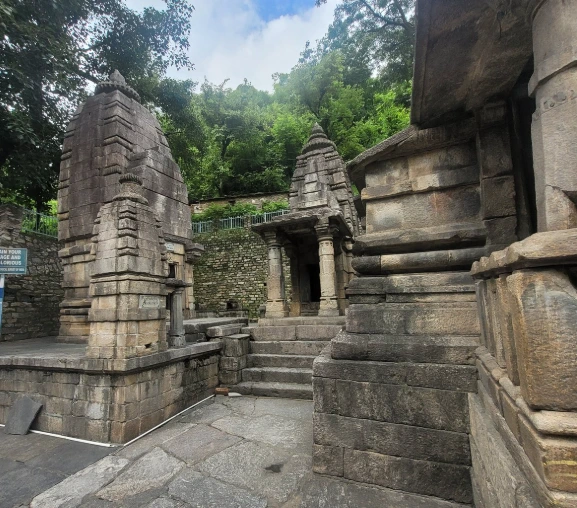
Adi Badri is a group of 16 ancient temples located near Karnaprayag. Moreover, it is believed that Adi Shankaracharya established these temples to revive Hindu traditions in remote Himalayan regions. As a result, the site holds strong spiritual and historical importance. Additionally, it is an important part of the Sapta Badri pilgrimage circuit.
The temples follow early Nagara-style architecture. However, their design is simpler compared to major Himalayan shrines. Therefore, they clearly represent the early phase of temple construction in Uttarakhand.
In addition, the surroundings are extremely peaceful and less crowded. As a result, the environment becomes ideal for meditation and quiet reflection. Overall, Adi Badri offers a calm and deeply spiritual heritage experience.
Key Highlights
- Built In: Early medieval period
- Built By: Adi Shankaracharya (believed)
- Architecture Style: Nagara style (stone temples)
- Main Attractions:
- Cluster of 16 interconnected temples
- Vishnu idol in Garbhagriha
- Symmetrical temple layout
- Stone-built shikharas
- Special Feature: Part of the Sapta Badri pilgrimage circuit
How to Reach
- By Road: Located on Ranikhet–Karnaprayag route; easily accessible via NH-109
- Nearest Bus Stand: Karnaprayag (approx. 17 km)
- Nearest Railway Station: Rishikesh (approx. 190 km)
- Nearest Airport: Jolly Grant Airport, Dehradun
Places to Stay
- GMVN tourist rest houses in Karnaprayag
- Budget hotels and lodges in Karnaprayag
- Homestays in nearby villages
- Highway guesthouses for short stays
Best Time to Visit
- Ideal Months: October to April
- Also Good: May to June (pleasant weather)
- Avoid: Heavy monsoon due to landslide-prone roads
9. Baleshwar Temple – A Masterpiece of Stone Architecture
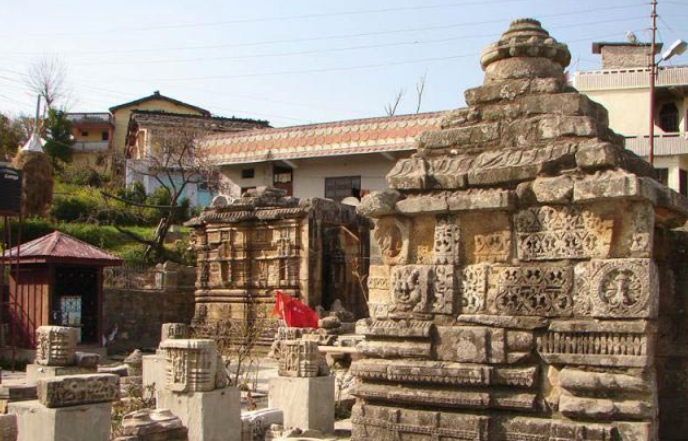
Baleshwar Temple is located in Champawat and was built during the Chand dynasty. Moreover, it is widely known for its exceptional stone carvings. As a result, it is considered one of the finest architectural temples in Uttarakhand.
The temple features intricate sculptures of deities, floral designs, and mythological patterns. In fact, every carving reflects the high skill of ancient artisans. Therefore, the temple stands as a powerful example of artistic excellence.
In addition, the structure follows the traditional Nagara architectural style. Moreover, the detailed stonework enhances its visual and historical value. As a result, it is regarded as a masterpiece of temple architecture.
When observed closely, every carving appears highly detailed and lifelike. Therefore, it clearly showcases the dedication of ancient craftsmen.
Key Highlights
- Built In: 10th–12th Century
- Built By: Chand Dynasty rulers
- Architecture Style: Nagara style (stone temple architecture)
- Main Attractions:
- Intricately carved stone walls
- Shiva temple Garbhagriha
- Mandap and entrance porch
- Decorative motifs and sculptures
- Special Feature: One of the finest stone carving temples in Uttarakhand
How to Reach
- By Road: Easily accessible via Champawat town, well connected to Tanakpur and Pithoragarh
- Nearest Bus Stand: Champawat
- Nearest Railway Station: Tanakpur (approx. 75 km)
- Nearest Airport: Pantnagar Airport
Places to Stay
- Budget hotels and guesthouses in Champawat
- Mid-range lodges and stays
- Homestays in surrounding villages
- Resorts in nearby hill regions
Best Time to Visit
- Ideal Months: October to March
- Also Good: April to June
- Avoid: Heavy monsoon due to travel issue
10. Gangolihat – A Spiritual & Cave Heritage Region
Gangolihat is a spiritually significant region known for the Mahakali Temple and nearby cave systems. Moreover, it offers a rare combination of nature, devotion, and exploration. As a result, it attracts both pilgrims and travel enthusiasts.
The entire region is surrounded by hills and dense forests. Therefore, the atmosphere remains calm, remote, and naturally refreshing for visitors.
In addition, nearby caves and temple trails add an adventurous element to the journey. Moreover, these natural features make exploration more engaging and meaningful. As a result, Gangolihat becomes suitable for both spiritual seekers and explorers.
Overall, the blend of nature and spirituality makes it a deeply enriching destination.
Key Highlights
- Built In: Ancient (various phases)
- Main Deity: Mahakali (Mahakali Temple)
- Architecture Style: Traditional Himalayan stone temples
- Main Attractions:
- Mahakali Temple
- Nearby cave systems
- Scenic hill landscapes
- Spiritual environment
- Special Feature: Combination of temple heritage and cave exploration
How to Reach
- By Road: Well connected via Pithoragarh and Almora routes
- Nearest Bus Stand: Gangolihat
- Nearest Railway Station: Kathgodam (approx. 180 km)
- Nearest Airport: Pantnagar Airport
Places to Stay
- Budget hotels and lodges in Gangolihat
- Guesthouses near temple area
- Homestays in nearby villages
- Basic accommodations for short stays
Best Time to Visit
- Ideal Months: March to June, September to November
- Also Good: Winter for peaceful travel
- Avoid: Heavy monsoon due to road conditions
11. Pandukeshwar – A Monument with Epic Roots
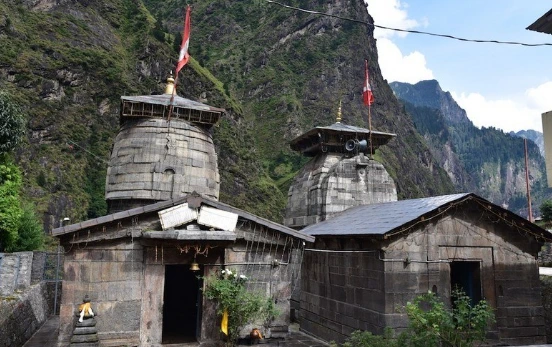
Pandukeshwar is a sacred site believed to be connected with the Pandavas from the Mahabharata. Moreover, it is located on the main route to Badrinath. As a result, it serves as an important spiritual halt for pilgrims.
The temple here is dedicated to Lord Vishnu in a meditative form. Therefore, it holds strong religious significance among devotees. In fact, it is widely regarded as a peaceful place for prayer and reflection.
In addition, the surrounding Himalayan landscapes enhance its natural beauty. Moreover, the serene environment creates a calming spiritual atmosphere. As a result, it feels like a quiet and meaningful pause during a long pilgrimage.
Key Highlights
- Built In: Ancient period
- Mythological Link: Mahabharata (Pandavas)
- Architecture Style: Traditional Himalayan stone temple
- Main Attractions:
- Yog Dhyan Badri Temple
- Vishnu idol in meditation posture
- Scenic mountain surroundings
- Special Feature: Part of Panch Badri pilgrimage circuit
How to Reach
- By Road: Located on Badrinath Highway (NH-7), easily accessible via Joshimath
- Nearest Bus Stand: Joshimath (approx. 20 km)
- Nearest Railway Station: Rishikesh (approx. 270 km)
- Nearest Airport: Jolly Grant Airport, Dehradun
Places to Stay
- GMVN guest houses in Joshimath
- Budget hotels and lodges
- Homestays in nearby villages
- Mid-range hotels in Joshimath
Best Time to Visit
- Ideal Months: May to June, September to October
- Avoid: Winter due to heavy snowfall
- Also Good: Early summer for clear views
12. Sitabani Forest Reserve – A Mythology & Nature-Linked Monument
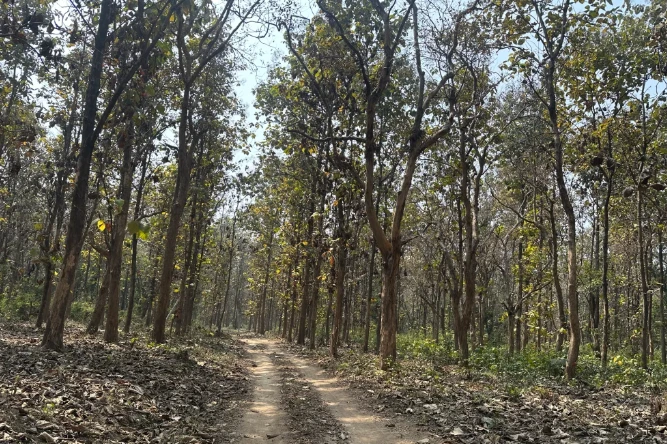
Sitabani is a forest-based sacred site located near Jim Corbett National Park. Moreover, it is believed that Goddess Sita spent time here during her exile. As a result, the site carries strong mythological importance.
The area includes small shrines, open spaces, and natural forest trails. Therefore, it creates a rare blend of spirituality and wilderness. In fact, this simplicity enhances the peaceful charm of the site.
In addition, the presence of wildlife adds a sense of adventure to the experience. Moreover, the natural silence makes the visit more immersive and calming. As a result, Sitabani feels both spiritual and naturally wild.
Key Highlights
- Type: Mythological forest-based monument
- Mythological Link: Associated with Goddess Sita’s exile
- Architecture Style: Simple shrine structures with natural surroundings
- Main Attractions:
- Small temple shrines and sacred spots
- Forest landscape with spiritual significance
- Open-air worship areas
- Special Feature: Located inside a forest reserve zone near Corbett
How to Reach
- By Road: Easily accessible from Ramnagar (approx. 20–25 km)
- Nearest Bus Stand: Ramnagar
- Nearest Railway Station: Ramnagar Railway Station (well connected)
- Nearest Airport: Pantnagar Airport (80 km)
Places to Stay
- Jungle resorts near Sitabani zone
- Hotels and lodges in Ramnagar
- Forest rest houses (advance booking required)
- Luxury resorts near Corbett National Park
Best Time to Visit
- Ideal Months: October to April
- Also Good: Early mornings in summer for better experience
- Avoid: Peak monsoon due to restricted forest access
13. Mahasu Devta Temple – A Unique Wooden Architectural Shrine
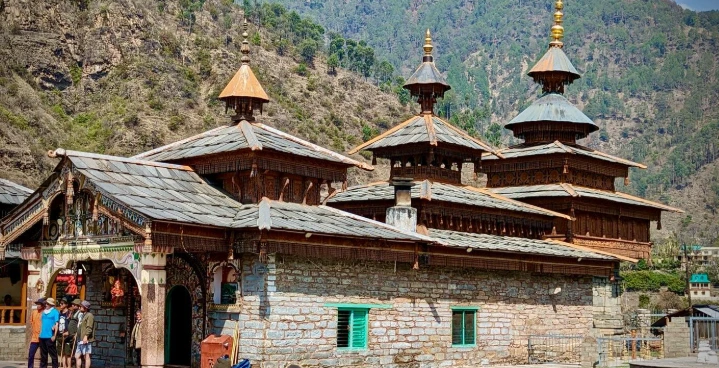
Mahasu Devta Temple is located in Hanol and is one of the most culturally unique temples in Uttarakhand. Moreover, it is built using traditional wood and stone architecture. As a result, it represents the authentic Himalayan construction style.
The temple features carved wooden panels and sloping roofs. Therefore, it is designed to withstand harsh mountain weather conditions. In fact, this structure perfectly balances durability with artistic beauty.
In addition, the temple is still actively used for rituals and festivals. Moreover, local traditions remain deeply connected with this shrine. As a result, it continues to function as a living cultural heritage site.
Overall, the strong connection between the deity and the local community makes the experience deeply authentic and meaningful.
Key Highlights
- Built In: Ancient (renovated over time)
- Deity: Mahasu Devta (regional deity)
- Architecture Style: Traditional Himalayan wooden architecture
- Main Attractions:
- Wooden carvings on doors and pillars
- Sloping roof temple design
- Garbhagriha with deity idol
- Cultural rituals and local traditions
- Special Feature: Unique blend of architecture and regional belief system
How to Reach
- By Road: Via Chakrata → Tiuni → Hanol route
- Nearest Bus Stand: Chakrata / Tiuni
- Nearest Railway Station: Dehradun (180 km)
- Nearest Airport: Jolly Grant Airport, Dehradun
Places to Stay
- Homestays in Hanol village
- Budget lodges in Chakrata
- Guesthouses near Tiuni
- Limited local accommodations near temple
Best Time to Visit
- Ideal Months: March to June, September to November
- Also Good: Winter for cultural experience (cold weather)
- Avoid: Heavy snowfall and extreme winter conditions
Best Monuments in Uttarakhand by Category
For Spiritual Travel:
- Badrinath Temple
- Rudranath Temple
For Architecture Lovers:
- Baleshwar Temple
- Katarmal Sun Temple
For Adventure + Unique Experience:
- Patal Bhuvaneshwar Cave Temple
- Rudranath Temple
3-Day Uttarakhand Monuments Itinerary
Day 1:
Almora → Visit Katarmal Sun Temple
Explore Jageshwar Temple Complex
Day 2:
Travel to Baijnath Temple Complex
Explore Bageshwar surroundings
Day 3:
Visit Patal Bhuvaneshwar Cave Temple
Explore Gangolihat
This simple plan helps travelers cover the best monuments in Uttarakhand efficiently while enjoying both heritage and nature.
Travel Tips for Visiting Monuments in Uttarakhand
- Start early to avoid crowds
- Carry warm clothes even in summer
- Book stays in advance during peak season
- Keep cash for remote areas
- Respect local traditions and temple rules
Why Visit Monuments in Uttarakhand?
- Unique mix of history + spirituality + nature
- Less crowded than other states
- Perfect for both pilgrimage and exploration
- Rich Himalayan architecture
Hidden & Offbeat Monuments in Uttarakhand
Apart from famous sites, there are several hidden temples in Uttarakhand that remain less explored. Places like Lakhamandal, Adi Badri, and Pandukeshwar are perfect examples of offbeat historical places in Uttarakhand.
Moreover, these lesser known monuments in Uttarakhand offer a peaceful experience compared to crowded destinations. Therefore, if you want to explore beyond popular tourist attractions in Uttarakhand, these hidden gems are worth visiting.
Unique Types of Monuments in Uttarakhand
Uttarakhand is home to different types of monuments that offer unique experiences:
- Cave Temples: Patal Bhuvaneshwar Cave Temple
- Trekking Temples: Rudranath Temple
- Temple Clusters: Jageshwar & Adi Badri
- Riverside Temples: Baijnath Temple Complex
- Wooden Temples: Mahasu Devta Temple
- Forest Monuments: Sitabani
Because of this diversity, the state stands out among the top heritage sites in Uttarakhand for travelers.
Conclusion
Uttarakhand is a destination where every monument tells a story whether it is spiritual, historical, or architectural. From iconic sites like Badrinath Temple to hidden gems like Adi Badri and Lakhamandal, these places together form some of the most remarkable historical places in Uttarakhand.
Moreover, these monuments are not just limited to religion; they are also valuable heritage sites in Uttarakhand that reflect the region’s rich past and craftsmanship. Therefore, at the same time, they continue to attract travelers as top tourist attractions in Uttarakhand, offering a perfect mix of peace, adventure, and culture.
If you explore beyond the popular spots, you will also discover many lesser known monuments in Uttarakhand that are equally fascinating.
Frequently Asked Questions
The best monuments in Uttarakhand include Badrinath Temple, Jageshwar Temple Complex, Katarmal Sun Temple, Patal Bhuvaneshwar Cave Temple, and Adi Badri Temples. These sites are known for their rich history, architecture, and spiritual importance.
Some of the most famous temples in Uttarakhand are Badrinath Temple, Rudranath Temple, Baijnath Temple Complex, and Mahasu Devta Temple. These temples are important pilgrimage sites and also major tourist attractions in Uttarakhand.
Top historical places in Uttarakhand include temple complexes like Jageshwar Temple Complex, Lakhamandal, and Baleshwar Temple. These heritage sites in Uttarakhand reflect ancient architecture, mythology, and cultural history.
Yes, there are several hidden temples in Uttarakhand such as Adi Badri Temples, Pandukeshwar, and Lakhamandal. These lesser known monuments in Uttarakhand are less crowded and offer a peaceful travel experience.
The best time to explore monuments in Uttarakhand is from March to June and September to November. During these months, the weather is pleasant, making it ideal for visiting historical places in Uttarakhand and famous temples comfortably.
For adventure lovers, Rudranath Temple and Patal Bhuvaneshwar Cave Temple are excellent choices. These unique monuments in Uttarakhand involve trekking and cave exploration, offering both adventure and spirituality.
People are also reading: