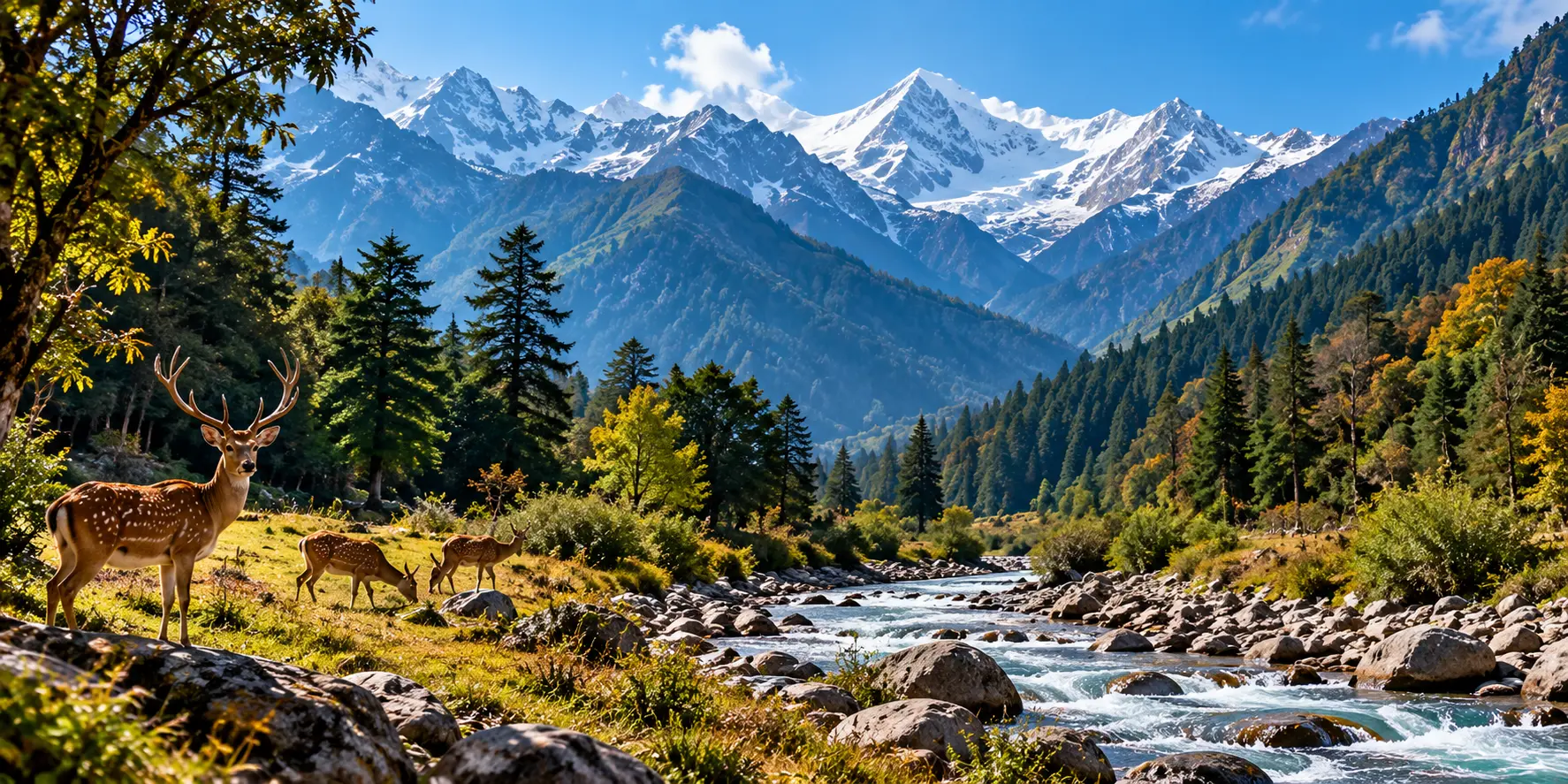
Wildlife sanctuaries in Uttarakhand offer a perfect blend of nature, adventure, and biodiversity. While many travelers visit this state for its temples and hill stations, its rich wildlife often remains underrated. However, once you explore these forest reserves, you realize how diverse and peaceful they truly are.
From dense oak forests to alpine landscapes, each sanctuary presents a completely different experience. During my visit to Binsar, I noticed how calm and untouched the surroundings felt, especially during sunrise. Similarly, places like Sonanadi provide thrilling wildlife encounters without the heavy crowds of popular parks.
Therefore, if you are planning a nature-focused trip, exploring the best wildlife sanctuaries in Uttarakhand should definitely be on your list.
Wildlife Sanctuaries in Uttarakhand – Quick Overview
| Sanctuary | Location | Best For | Best Time | Trip Duration |
|---|---|---|---|---|
| Binsar | Almora | Peace, Views | Oct–Mar | 1–2 Days |
| Askot | Pithoragarh | Offbeat Travel | Apr–Jun | 2–3 Days |
| Benog | Mussoorie | Short Trips | Mar–Jun | Half Day |
| Govind | Uttarkashi | Trekking | Apr–Jun | 3–5 Days |
| Kedarnath | Chamoli | Rare Wildlife | Apr–Jun | 2–3 Days |
| Sonanadi | Ramnagar | Safari | Nov–Jun | 1–2 Days |
| Nandhaur | Haldwani | Wildlife Corridor | Nov–Apr | 1–2 Days |
7 Best Wildlife Sanctuaries in Uttarakhand
Below are some of the most popular and diverse wildlife sanctuaries in Uttarakhand. Each of these destinations offers a unique experience, ranging from peaceful forest walks to thrilling wildlife encounters.
1. Binsar Wildlife Sanctuary
Binsar Wildlife Sanctuary is one of the most peaceful wildlife destinations in Uttarakhand, known for its dense forests and stunning Himalayan views. Unlike crowded tourist spots, it offers a calm and refreshing atmosphere ideal for relaxation. Moreover, Zero Point provides breathtaking sunrise views that attract nature lovers. During my visit, the quiet surroundings combined with bird sounds created a truly soothing experience. Overall, it is perfect for slow travel and nature exploration.
Highlights
- Location: Almora district
- Activities to do: Nature walks, birdwatching, photography
- Entrance fee: ₹150–₹250 (approx.)
- Open Months: October to June
- Best Time To Visit: October to March
- Timings: 6:00 AM – 6:00 PM
- Ideal Trip Duration: 1–2 days
Nearest Public Transport
- Nearest Bus Stand: Almora
- Nearest Railway Station: Kathgodam
2. Askot Wildlife Sanctuary
Askot Wildlife Sanctuary is one of the most offbeat and unexplored wildlife places in Uttarakhand. As a result, it offers a raw and untouched natural experience. The sanctuary is especially known for rare Himalayan species like the musk deer and rich biodiversity. Because of its remote location, tourist crowds are minimal, which enhances the overall experience. Therefore, it is ideal for travelers looking for solitude and adventure.
Highlights
- Location: Pithoragarh district
- Activities to do: Trekking, wildlife spotting
- Entrance fee: Minimal
- Open Months: October to June
- Best Time To Visit: April to June & September to November
- Timings: Daytime entry
- Ideal Trip Duration: 2–3 days
Nearest Public Transport
- Nearest Bus Stand: Pithoragarh
- Nearest Railway Station: Tanakpur
3. Benog Wildlife Sanctuary
Benog Wildlife Sanctuary is a hidden gem located near Mussoorie, offering scenic views and peaceful forest trails. Although it is relatively small, it provides a refreshing escape from busy hill stations. In addition, it is well-known for birdwatching and short nature hikes. I personally found it perfect for a quick getaway with minimal crowds. Overall, it is a great option for a relaxed half-day trip.
Highlights
- Location: Near Mussoorie
- Activities to do: Hiking, birdwatching
- Entrance fee: ₹50–₹100
- Open Months: October to June
- Best Time To Visit: March to June
- Timings: 7:00 AM – 5:00 PM
- Ideal Trip Duration: Half-day
Nearest Public Transport
- Nearest Bus Stand: Mussoorie
- Nearest Railway Station: Dehradun
4. Govind Pashu Vihar Wildlife Sanctuary
Govind Pashu Vihar Wildlife Sanctuary is a paradise for trekkers and adventure enthusiasts. Not only does it offer diverse wildlife, but it also includes famous trekking routes like Har Ki Dun. Consequently, it attracts both nature lovers and explorers. The landscape keeps changing as you move deeper, making the journey more exciting. Therefore, it is best suited for those looking for an immersive outdoor experience.
Highlights
- Location: Uttarkashi district
- Activities to do: Trekking, camping, wildlife spotting
- Entrance fee: ₹150–₹300
- Open Months: April to November (higher regions may close in winter)
- Best Time To Visit: April to June & September to November
- Timings: 6:00 AM – 6:00 PM
- Ideal Trip Duration: 3–5 days
Nearest Public Transport
- Nearest Bus Stand: Sankri
- Nearest Railway Station: Dehradun
5. Kedarnath Wildlife Sanctuary
Kedarnath Wildlife Sanctuary, also known as the Musk Deer Sanctuary, is one of the largest protected areas in Uttarakhand. Furthermore, it is famous for its high-altitude ecosystems and rare Himalayan wildlife. Due to its rugged terrain, the sanctuary feels untouched and wild. As a result, it attracts serious nature lovers and trekkers. Overall, it offers a unique combination of adventure and biodiversity.
Highlights
- Location: Chamoli & Rudraprayag districts
- Activities to do: Trekking, wildlife photography
- Entrance fee: ₹100–₹200
- Open Months: April to November (closed in peak winter due to snow)
- Best Time To Visit: April to June
- Timings: Daytime
- Ideal Trip Duration: 2–3 days
Nearest Public Transport
- Nearest Bus Stand: Rudraprayag
- Nearest Railway Station: Rishikesh
6. Sonanadi Wildlife Sanctuary
Sonanadi Wildlife Sanctuary is an important part of the Corbett landscape and offers a quieter alternative to popular parks. While many visitors prefer Jim Corbett National Park, this sanctuary provides a more peaceful safari experience. In fact, fewer crowds increase the chances of better wildlife sightings. Additionally, it is rich in birdlife and forest diversity. Therefore, it is ideal for both safari lovers and birdwatchers.
Highlights
- Location: Near Ramnagar
- Activities to do: Jeep safari, birdwatching
- Entrance fee: ₹200–₹500
- Open Months: November to June
- Best Time To Visit: November to June
- Timings: Safari-based
- Ideal Trip Duration: 1–2 days
Nearest Public Transport
- Nearest Bus Stand: Ramnagar
- Nearest Railway Station: Ramnagar
7. Nandhaur Wildlife Sanctuary
Nandhaur Wildlife Sanctuary is one of the newest and least crowded wildlife destinations in Uttarakhand. As a result, it feels more natural and undisturbed compared to other places. Moreover, it plays a key role in connecting wildlife corridors between India and Nepal. Because of this, sightings of elephants and other animals are quite common. Overall, it is a great option for those seeking a raw wildlife experience.
Highlights
- Location: Near Haldwani
- Activities to do: Safari, birdwatching
- Entrance fee: ₹150–₹300
- Open Months: November to June
- Best Time To Visit: November to April
- Timings: 6:00 AM – 5:00 PM
- Ideal Trip Duration: 1–2 days
Nearest Public Transport
- Nearest Bus Stand: Haldwani
- Nearest Railway Station: Kathgodam
Wildlife You Can Spot in Uttarakhand
Wildlife sanctuaries in Uttarakhand are known for their rich biodiversity. As you explore these forest regions, you will come across a wide variety of animals and birds. In fact, the diversity here makes Uttarakhand one of the best wildlife destinations in India.
You can commonly spot:
- Bengal tiger
- Asian elephant
- Leopard
- Musk deer
- Himalayan black bear
- Over 300+ species of birds
Moreover, birdwatchers especially find places like Binsar and Benog extremely rewarding due to the variety of Himalayan birds.
Wildlife Sanctuary vs National Park
Many travelers often get confused between wildlife sanctuaries and national parks. Although both are protected areas, there are some key differences.
- Wildlife sanctuaries allow limited human activities such as tourism and grazing in certain zones
- National parks have stricter rules and higher levels of protection
- For example, Jim Corbett National Park is a national park, not a sanctuary
Therefore, while both offer great wildlife experiences, regulations and access may differ.
Which Wildlife Sanctuary Should You Choose?
Choosing the right sanctuary depends on your travel style. For example, Binsar and Benog are perfect for relaxation and scenic views. On the other hand, Govind and Kedarnath are ideal for trekking and adventure. Meanwhile, Sonanadi and Nandhaur are better suited for wildlife safaris.
Therefore, planning based on your interest will help you enjoy the trip more.
Best Time to Visit Wildlife Sanctuaries in Uttarakhand
Although most wildlife sanctuaries in Uttarakhand remain open from October to June, choosing the right time can improve your experience significantly.
During winter and summer months, weather conditions remain comfortable. Additionally, animals are easier to spot near water sources. On the other hand, monsoon season should generally be avoided due to heavy rainfall and restricted access.
Nearby Wildlife Attractions
Apart from wildlife sanctuaries, Uttarakhand is also home to some of the most famous national parks in India. Therefore, if you have extra time, exploring these destinations can add more depth to your wildlife experience.
- Jim Corbett National Park – known for tiger safaris, rich biodiversity, and thrilling jungle experiences.
- Rajaji National Park – popular for elephant sightings, scenic landscapes, and diverse birdlife.
These national parks not only complement your sanctuary visits but also offer better safari infrastructure and higher chances of spotting wildlife.
Travel Tips for Wildlife Sanctuaries in Uttarakhand
Planning ahead can make your experience much smoother.
- Always carry valid ID and permits where required
- Avoid visiting during monsoon due to accessibility issues
- Wear comfortable trekking shoes for forest walks
- Follow forest rules strictly for safety
- Carry binoculars for birdwatching
Additionally, early morning visits usually offer better chances of wildlife sightings.
Common Mistakes to Avoid
While planning your visit, avoiding a few common mistakes can make your trip much smoother.
- Visiting during monsoon season
- Not checking entry permits in advance
- Expecting guaranteed wildlife sightings
- Ignoring forest rules and safety guidelines
Instead, planning ahead and staying patient will help you enjoy a better wildlife experience.
Who Should Visit These Sanctuaries
Wildlife sanctuaries in Uttarakhand are suitable for different types of travelers. For instance:
- Nature lovers looking for peace and greenery
- Wildlife photographers seeking rare species
- Adventure travelers interested in trekking
- Birdwatchers exploring Himalayan birdlife
Therefore, whether you prefer relaxation or adventure, these sanctuaries offer something for everyone.
Final Thoughts
Wildlife sanctuaries in Uttarakhand provide a unique blend of calmness and adventure. While some places are perfect for peaceful retreats, others offer thrilling exploration opportunities.
In my experience, starting with Binsar or Sonanadi is a great idea if you are new to wildlife travel. Gradually, you can explore deeper regions like Govind or Kedarnath.
Frequently Asked Questions
1. How many wildlife sanctuaries are there in Uttarakhand?
Uttarakhand has 7 major wildlife sanctuaries, along with famous national parks like Jim Corbett National Park and Rajaji National Park.
2. Which is the best wildlife sanctuary in Uttarakhand?
Binsar Wildlife Sanctuary is ideal for peaceful nature experiences, while Govind Pashu Vihar Wildlife Sanctuary is best for trekking and adventure.
3. What is the best time to visit wildlife sanctuaries in Uttarakhand?
The best time to visit is from October to June, as the weather remains pleasant and wildlife sightings are more frequent.
4. Which sanctuary is best for tiger spotting in Uttarakhand?
Sonanadi Wildlife Sanctuary offers good chances of tiger sightings since it is part of the Corbett landscape.
5. Which is the largest wildlife sanctuary in Uttarakhand?
Kedarnath Wildlife Sanctuary is the largest sanctuary in the state, known for its vast area and diverse Himalayan wildlife.
6. Are wildlife sanctuaries in Uttarakhand open all year?
No, most sanctuaries remain open from October to June and may close during the monsoon season due to heavy rainfall and safety concerns.
People are also reading: