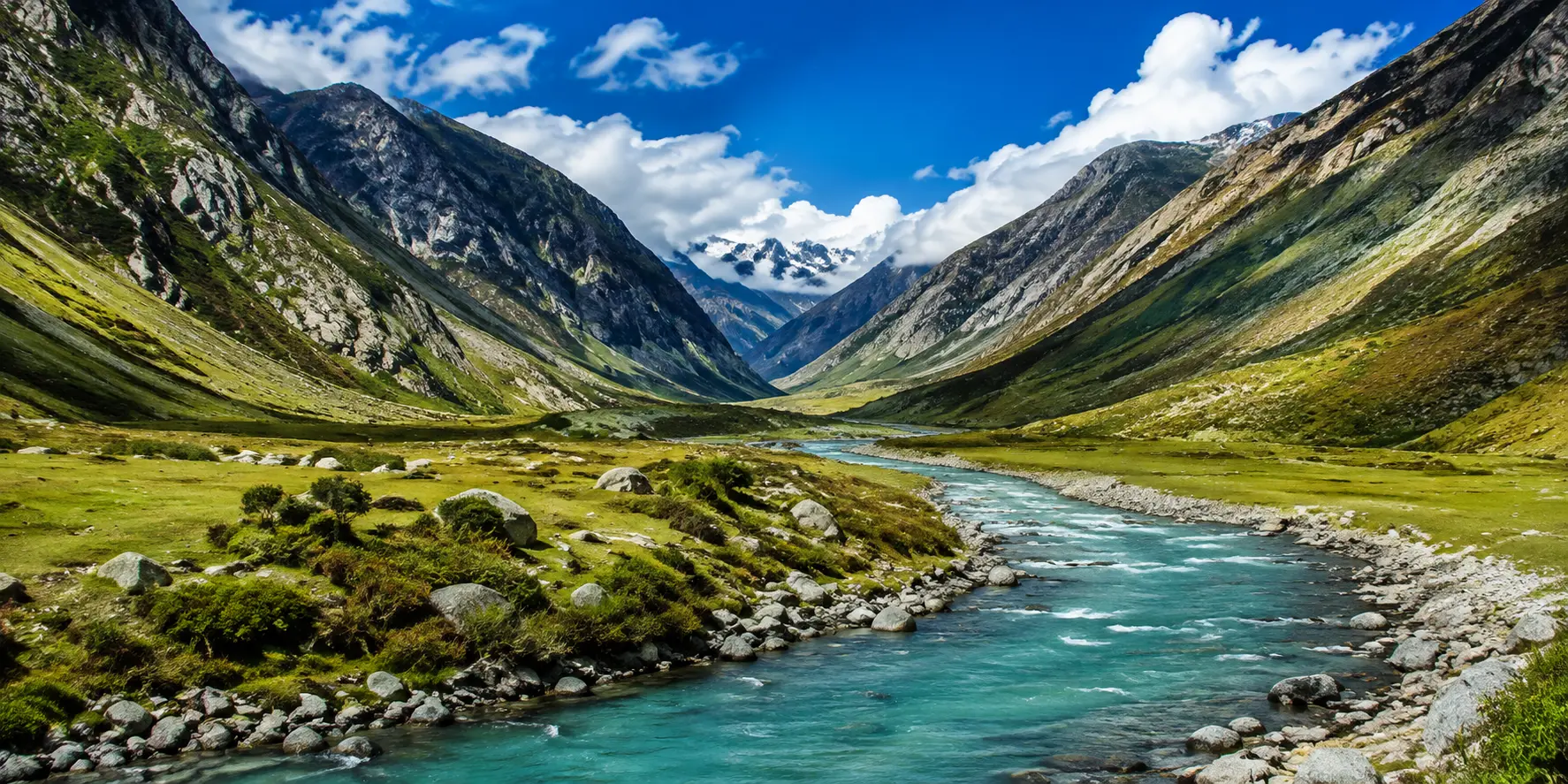
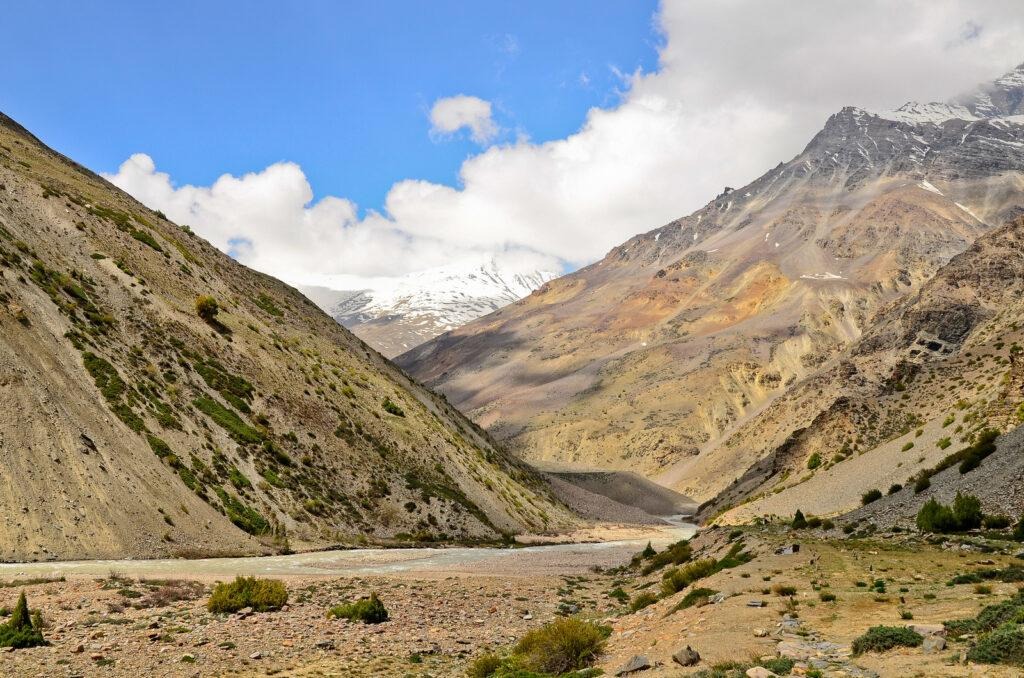
There are places in Uttarakhand that are beautiful because they are easy to reach, and then there is Nelong Valley, where the journey itself is part of the adventure. Located in Uttarkashi district within Gangotri National Park, this high-altitude valley near the India–China border is known for its barren mountains, dramatic gorges, snow-covered peaks and cold-desert landscape.
Often called the “Ladakh of Uttarakhand,” Nelong also has a fascinating history as part of the old Indo-Tibetan trade route. The valley was home to villages such as Nelong and Jadung until the 1962 war led to their evacuation. Opened to travellers in 2015 under strict conditions, Nelong remains far removed from typical tourist destinations. With no crowded markets or busy resorts, it offers raw Himalayan landscapes, silence and a rare glimpse into Uttarakhand’s remote border region.
Quick Information About Nelong Valley
- Location: Uttarkashi district, Uttarakhand
- Region: Gangotri National Park
- Known as: Ladakh of Uttarakhand / Little Ladakh
- Nearest major town: Uttarkashi
- Gateway: Bhaironghati
- Nearest railway connectivity: Rishikesh / Dehradun
- Nearest airport: Jolly Grant Airport, Dehradun
- River: Jadh Ganga
- Main attraction: Cold-desert landscape and historic Gartang Gali
- Permit: Required because it is a restricted inner-line/border area
- Overnight stay inside valley: Not allowed
- Best traditional travel window: May–June and September–October
- 2026 Update: Year-round access has been reported, with special restrictions during winter.
The official Uttarkashi district website currently describes Nelong as an inner-line area near the India–China border and states that tourists are allowed to visit during the daytime.
Where Is Nelong Valley?
Nelong Valley is located in Uttarkashi district of Uttarakhand, within Gangotri National Park, near the India–Tibet border. The valley is accessed from Bhaironghati, with the route following the Jadh Ganga River through rocky slopes, deep gorges and dramatic high-altitude terrain.
The valley is not a conventional hill station. It is a sensitive border region and protected natural area, so access is controlled and visitors must follow specific permit and travel rules. The road to Nelong is maintained by the Border Roads Organisation (BRO), adding to the remote and rugged character of the journey.
Unlike popular destinations such as Harsil and Gangotri, Nelong Valley offers a much more isolated experience, with barren mountains, dramatic landscapes and very few signs of commercial tourism.
Why Is Nelong Valley Called the Ladakh of Uttarakhand?
Nelong Valley is often called the “Ladakh of Uttarakhand” because of its striking cold-desert landscape. Unlike the lush green valleys found across much of Uttarakhand, Nelong is dominated by barren, rugged mountains, sparse vegetation, rocky gorges and snow-covered peaks.
The Jadh Ganga River cuts through this dramatic terrain, adding to the valley’s unique character. The combination of dry mountain slopes, high-altitude scenery and snow gives Nelong a landscape that feels more like Ladakh than the Uttarakhand most travellers know.
What Makes Nelong Valley Unique?
- Barren, high-altitude mountain landscape
- Snow-covered Himalayan peaks
- Deep rocky gorges
- Jadh Ganga River
- Sparse vegetation
- Historic border-route remains
- Remote and largely undeveloped surroundings
The biggest difference is that Nelong offers this Ladakh-like scenery without the crowds and commercial tourism, making the experience feel much more remote and raw.
What Is Nelong Valley Famous For?
Nelong Valley is famous for its cold-desert landscape, rich Jadh Bhotiya heritage and history as part of the old Indo-Tibetan trade route. Its location near the India–China border also gives it strategic importance. The valley is further known for its connection with the 1962 war, Himalayan wildlife and remote, untouched surroundings.
1. Cold-Desert Landscape
Barren mountains, rocky slopes, deep gorges and snow-covered peaks give Nelong its distinctive Ladakh-like appearance.
2. Indo-Tibetan Trade History
Nelong was once an important route for traders travelling between India and Tibet through the high Himalayas.
3. Jadh Bhotiya Heritage
The valley was historically home to the Jadh Bhotiya community, whose traditional life was closely connected with the region.
4. Borderland Significance
Located near the international border, Nelong remains a sensitive and restricted Himalayan region.
5. 1962 War History
The 1962 Sino-Indian War led to the evacuation of villages in the valley, significantly changing its history and local settlement pattern.
6. Himalayan Wildlife
The wider region is home to wildlife such as Himalayan blue sheep, snow leopard, brown bear and musk deer.
7. Remote Himalayan Setting
With limited commercial development and dramatic natural surroundings, Nelong offers a rare sense of isolation in Uttarakhand.
Things to Do in Nelong Valley
Nelong Valley is more about experiencing its landscapes and history than visiting numerous tourist attractions. During a permitted daytime visit, you can enjoy the following:
1. Explore the Cold-Desert Landscape
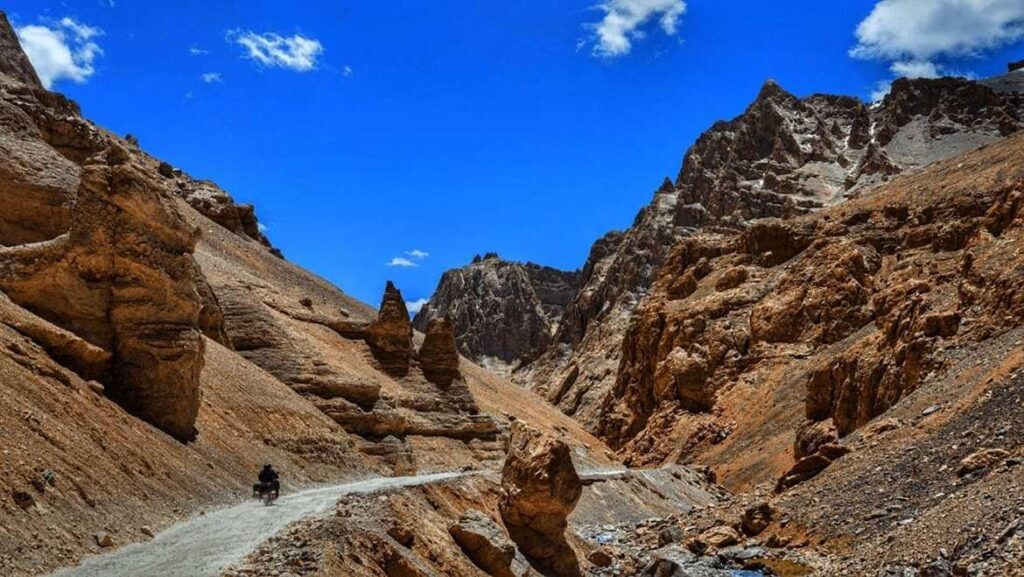
Walk around permitted viewpoints and take in Nelong’s barren mountains, rocky slopes and deep gorges. The dramatic terrain, sparse vegetation and snow-covered peaks give the valley its distinctive Ladakh-like appearance.
2. Visit Gartang Gali
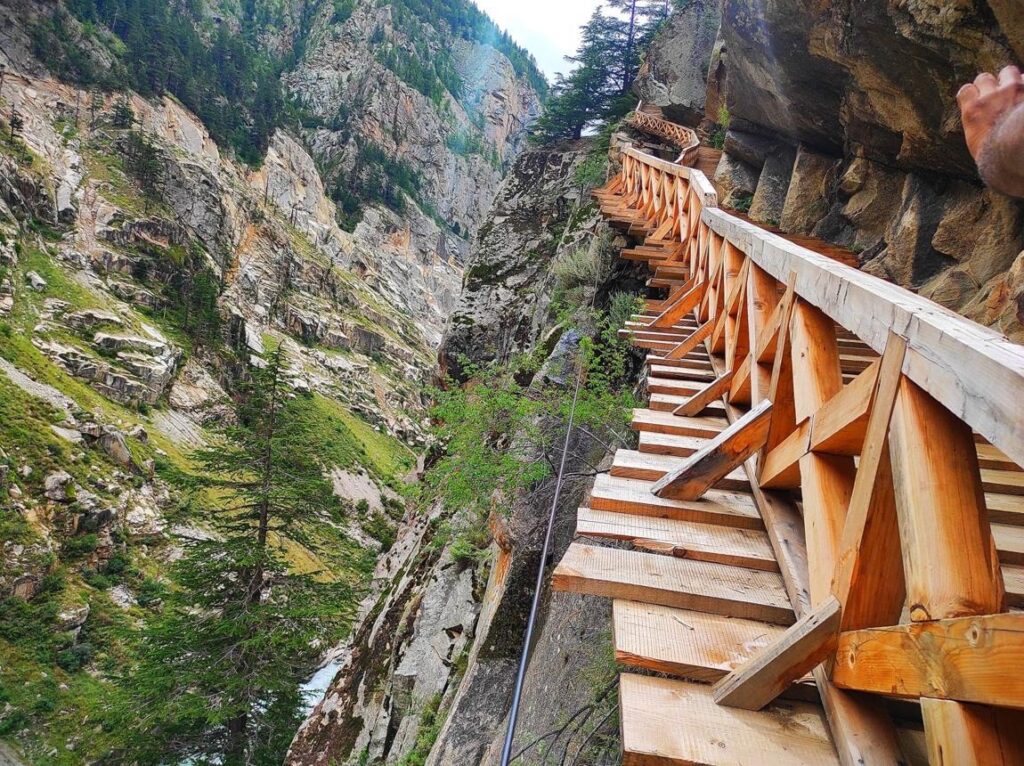
Gartang Gali is a historic wooden walkway built along a steep mountain cliff. Once part of the old India–Tibet trade route, it offers a glimpse into the region’s trading history and makes for an impressive photography stop.
3. See the Jadh Ganga River
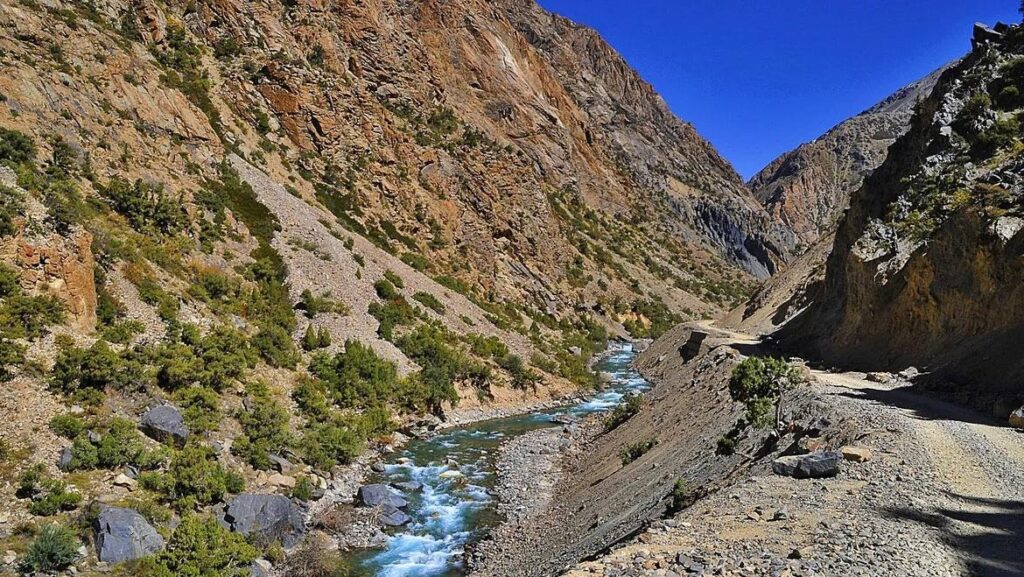
The Jadh Ganga River flows through the heart of the valley, cutting through its rugged landscape. Its turquoise waters against the barren mountains create some of the most scenic views along the Nelong route.
4. Stop at Hawa Bend
Hawa Bend is known for its strong winds and dramatic mountain surroundings. It is a popular scenic point where you can pause briefly, enjoy the views and capture photographs of the rugged Himalayan landscape.
5. Pass Pagal Nala
Pagal Nala is a notable point along the route where water flow can change quickly, especially after rainfall. Avoid unnecessary stops near the water and always follow local instructions before crossing or approaching any stream.
6. Spot Himalayan Wildlife
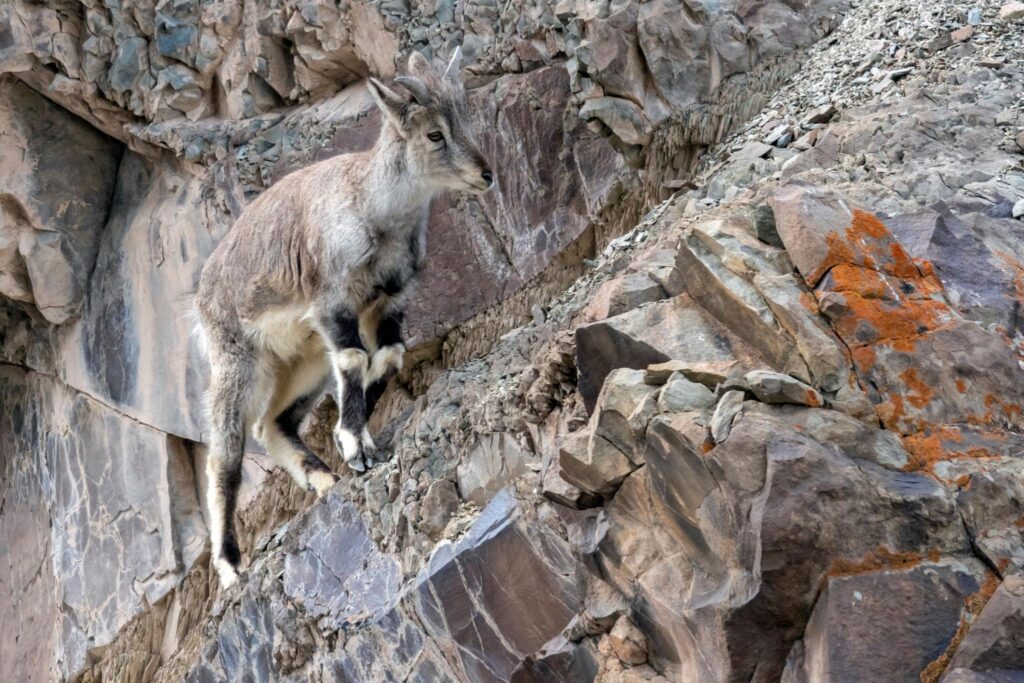
Nelong’s remote location and surrounding Gangotri National Park landscape support wildlife such as Himalayan blue sheep, snow leopard, brown bear and musk deer. Sightings are not guaranteed, so maintain a safe distance and never disturb the animals.
Nelong Valley History
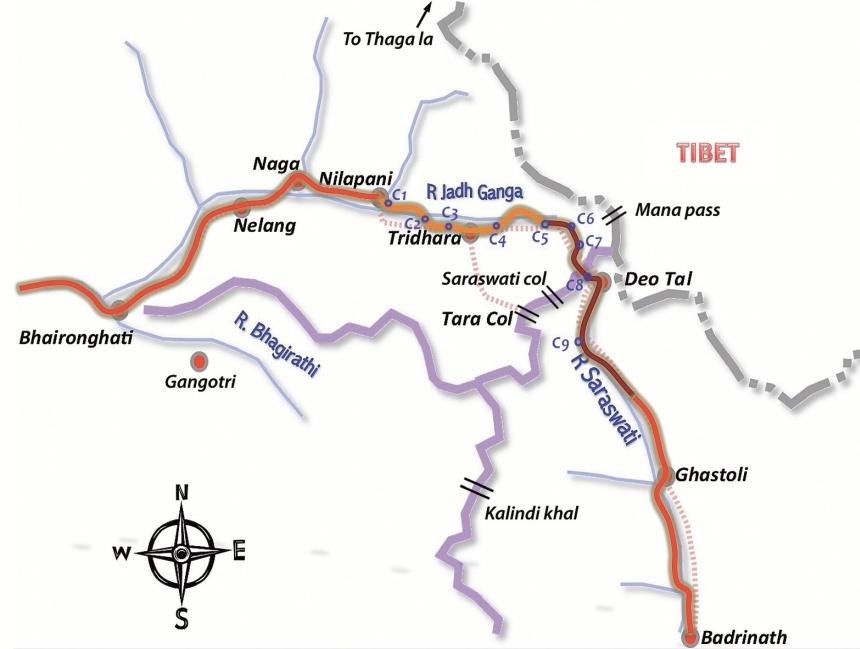
Nelong Valley has a fascinating history shaped by trade, local communities and border conflicts. The valley was historically home to the Jadh Bhotiya community and formed part of the old India–Tibet trade route.
Settlements such as Nelong and Jadang were once inhabited by the Jadh community, whose livelihoods were closely connected with the high Himalayan landscape and cross-border trade.
The region changed dramatically after the 1962 Sino-Indian War. The villages were evacuated, and many families moved to areas such as Bagori and Dunda. Nelong subsequently remained closed to civilian visitors for several decades.
In 2015, Nelong Valley was reopened to travellers under strict conditions, including permits, daytime-only visits and other restrictions. Today, its abandoned settlements and old trade-route remains offer a glimpse into a very different chapter of Himalayan history.
Best Time to Visit Nelong Valley
Nelong Valley can be visited in different seasons, but May to June and September to October are generally considered the best periods because of better weather, clearer views and more manageable road conditions.
Summer Season (May to June)
Summer is one of the best times to visit Nelong Valley. The weather is comparatively comfortable, roads are more accessible and snow may still be visible on the higher peaks.
Monsoon Season (July to September)
Monsoon travel can be challenging due to heavy rainfall, landslides and changing road conditions in the Uttarkashi region. Travellers should check the latest road and weather updates before planning a trip.
Autumn Season (September to October)
This is another excellent period for visiting. The skies are generally clearer after the monsoon, offering sharp mountain views and good photography conditions.
Winter Season (November to March)
Winter offers a chance to see the valley covered in snow, but access is more restricted. Weather, snowfall, road conditions and local entry rules can affect travel.
Travel Information
- Best Months: May–June and September–October
- Winter Visit: Possible subject to current restrictions
- Permit: Required
- Overnight Stay: Not allowed inside the valley
- Suggested Visit: Day trip from the permitted entry point
- Tip: Check current weather, road conditions and entry rules before travelling
Nelong Valley Temperature
Nelong Valley has a cold, high-altitude climate, with temperatures dropping significantly as altitude increases. According to the source PDF, approximate daytime temperatures are:
- May to June: 2°C to 15°C
- Mid-September to mid-October: -5°C to 10°C
These are approximate daytime ranges, not fixed forecasts. Strong winds can make the temperature feel considerably colder, particularly in exposed areas.
How to Reach Nelong Valley
Nelong Valley is a remote and restricted destination, so there is no direct bus or train service to the valley. The usual route is:
Dehradun/Rishikesh → Uttarkashi → Harsil → Bhaironghati → Nelong Valley
By Road
Road travel is the only practical way to reach Nelong Valley. From Delhi, the route generally passes through Meerut, Muzaffarnagar, Haridwar/Rishikesh, Uttarkashi, Harsil and Bhaironghati before reaching the valley.
The final stretch is a remote mountain road, so travel can be affected by weather, landslides and road conditions. Visitors also need the required permits and should follow local entry rules.
Nearest Bus Stand
There is no regular bus service to Nelong Valley. Uttarkashi is the main transport hub, with road connectivity to Dehradun, Rishikesh and Haridwar. From there, you need to continue towards Bhaironghati by road.
Nearest Railway Station
The nearest practical railway connections are Rishikesh and Dehradun. From either station, continue by road to Uttarkashi and then towards Nelong Valley.
Nearest Airport
Jolly Grant Airport, Dehradun is the nearest major airport. From the airport, travel by road via Uttarkashi, Harsil and Bhaironghati.
Nelong Valley Permit: What You Need to Know
Nelong Valley is a restricted inner-line and border area, so visitors cannot enter without the required permission. According to the available travel information, the Nelong Valley Permit is issued through the SDM office in Uttarkashi, and visitors are generally allowed to enter only for a daytime visit. Overnight stays inside the valley are not permitted.
Documents to Carry
Keep the following documents with you when applying for or travelling with the permit:
- Nelong Valley Permit
- Aadhaar card or valid ID
- Vehicle Registration Certificate (RC)
- Driving licence
- Valid vehicle documents
- Any additional documents requested by local authorities
Important Permit Information
Permit rules, entry timings, vehicle limits and fees can change because Nelong Valley is a sensitive border region. Before starting your journey, confirm the latest requirements with the relevant local authorities in Uttarkashi.
If you are planning a 2026 winter visit, check the current access rules specifically, as seasonal restrictions may apply.
Is Overnight Stay Allowed in Nelong Valley?
No, overnight stays are not allowed in Nelong Valley. Visitors can explore the valley during permitted daytime hours and must return before evening. For accommodation, Harsil, Bhaironghati, or Uttarkashi are the most practical options. Harsil is a particularly convenient base for travellers seeking a quieter mountain stay.
Nelong Valley Itinerary
Since overnight stays are not allowed inside the valley, Harsil is a convenient base.
Day 1: Reach Harsil
Arrive in Harsil, check in and prepare your documents for the next day.
Day 2: Nelong Valley
Start early, travel via Bhaironghati and visit the permitted areas of Nelong Valley. Return to Harsil before evening.
Day 3: Harsil/Gangotri
Explore Harsil or visit Gangotri before beginning your return journey.
What to Carry for Nelong Valley
- Documents: Permit, Aadhaar/valid ID, driving licence and vehicle RC
- Clothing: Warm jacket, fleece, gloves, cap and comfortable shoes
- Food: Water, packed food and energy snacks
- Essentials: Sunglasses, sunscreen, moisturiser, power bank and basic first aid
Tip: Carry your essentials because facilities inside the valley are very limited.
Important Rules for Nelong Valley
This is the section I would read twice before planning the trip.
1. Carry your permit
Do not travel towards the restricted area assuming you can arrange everything at the last checkpoint.
2. Do not plan an overnight stay
Nelong is a daytime destination.
3. Carry your own food
The PDF notes that there are no shops or dhabas inside the valley.
4. Do not litter
Carry your waste back with you. The source specifically recommends following Leave No Trace principles.
5. Do not disturb wildlife
Wild animals should be observed from a safe distance.
6. Check water crossings
Never cross a stream blindly. Water levels can change quickly.
7. Respect border restrictions
Do not photograph or enter restricted military areas simply because they appear accessible.
8. Do not assume old rules are still current
This is particularly important in 2026 because the access policy has recently changed.
Is Nelong Valley Safe?
Nelong Valley can be an incredible experience, but it should not be treated like a casual weekend destination.
There are three main things to remember:
- Altitude: You are travelling in a high-altitude Himalayan environment.
- Road conditions: The road can be affected by weather, water crossings and landslides.
- Border sensitivity: This is a restricted area near the international border.
The safest approach is simple: follow local instructions, start early, avoid unnecessary risks and keep enough time to return before the day’s permitted exit time. If the weather suddenly turns bad, do not insist on completing your sightseeing plan. The mountains will still be there another day.
Places to Visit Near Nelong Valley
If you are planning a Nelong Valley trip, you can combine it with a few nearby destinations for a more complete Uttarkashi and upper Himalayan experience.
1. Harsil (Approx. 30 km)
A peaceful Himalayan village and one of the most convenient bases for Nelong Valley. It is known for its greenery, river views and mountain scenery.
Best for: Stay, relaxation and nature
2. Gangotri (Approx. 45 km)
One of Uttarakhand’s most important pilgrimage destinations, Gangotri can easily be added to your itinerary before or after Nelong Valley.
Best for: Temple visit and Himalayan scenery
3. Bagori Village (Approx. 25 km)
A traditional village associated with the Jadh Bhotiya community, offering an opportunity to learn about the region’s culture and traditional way of life.
Best for: Culture and local experiences
4. Gartang Gali (Approx. 10–15 km)
A historic wooden cliffside walkway connected with the old India–Tibet trade route, known for its dramatic setting and heritage value.
Best for: Heritage and photography
Conclusion
Nelong Valley is one of Uttarakhand’s most unusual Himalayan destinations, where raw landscapes, fascinating history and remote borderland beauty come together. From its barren mountains and Jadh Ganga River to the old trade routes and abandoned settlements, every part of the journey feels different. The valley may be called the “Ladakh of Uttarakhand,” but its character is uniquely its own. If you plan to visit, follow the permit rules, respect the environment and take time to appreciate this remarkable Himalayan region.
Frequently Asked Questions
Yes, Nelong Valley is open in 2026, with year-round access now permitted. However, winter visits are subject to stricter entry limits, timings and local regulations.
Foreign visitors may face additional restrictions because Nelong is a sensitive border area. Check the latest rules with local authorities before planning a visit.
Mobile connectivity can be limited or unavailable in remote sections, so do not rely entirely on your phone for communication.
Private vehicles may be subject to local permission, route and vehicle restrictions. Confirm the current rules before travelling.
Winter access may be available under the 2026 year-round access policy, but snowfall, road conditions and visitor limits can affect entry.
People are also reading: