
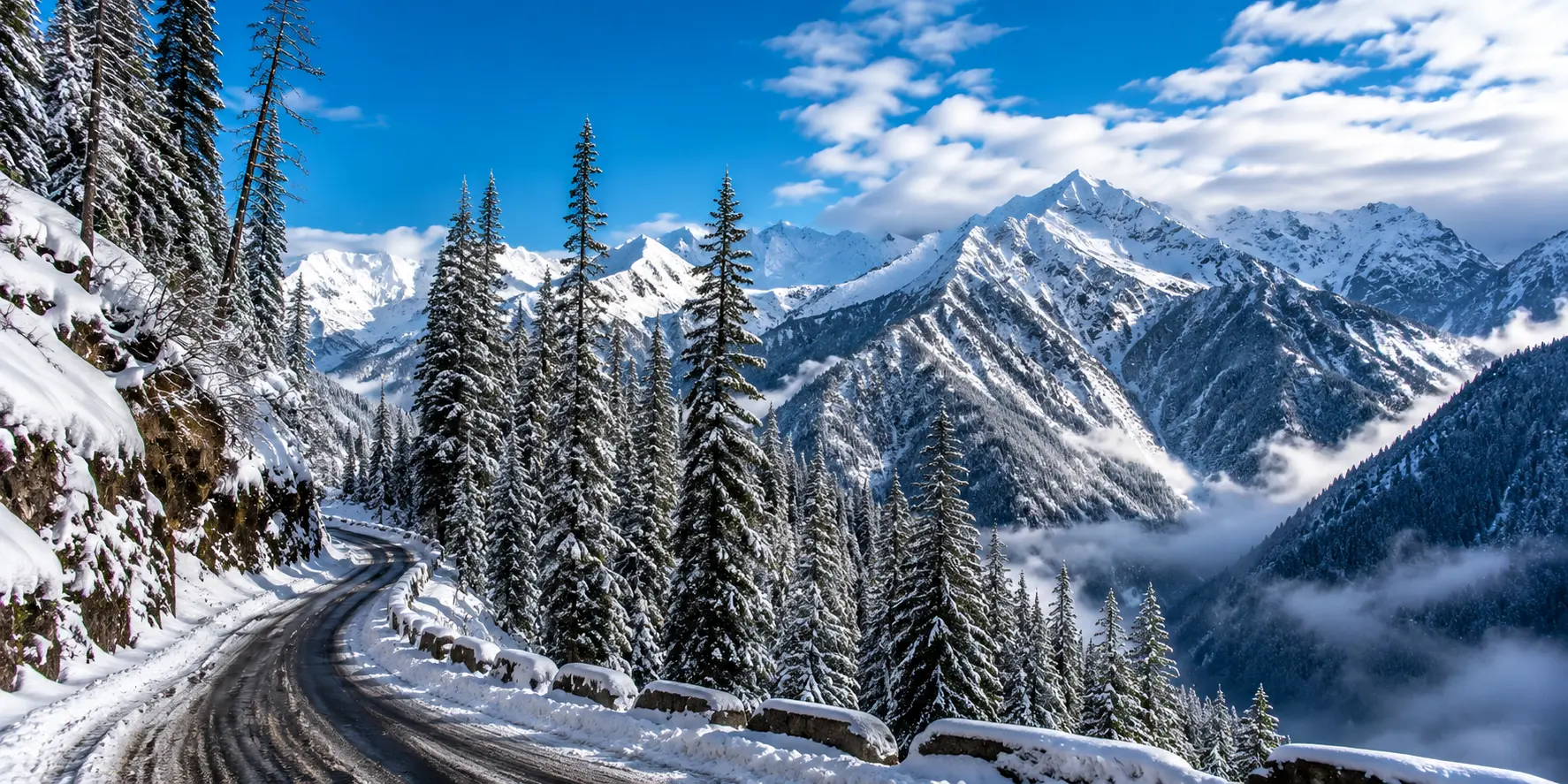
Perched along a steep Himalayan cliff in Uttarkashi, Uttarakhand, Gartang Gali is a historic wooden walkway with a fascinating past. Once an important trade route between India and Tibet, this centuries-old path was later closed and eventually restored for visitors.
Today, walking across the dramatic wooden walkway offers a unique mix of history, adventure and Himalayan views. It is an ideal destination for travellers looking to experience something beyond Uttarakhand’s popular hill stations.
In this guide, I’ll cover everything you need to know about Gartang Gali Uttarakhand, including its history, trek, how to reach, best time to visit, entry rules, safety tips and nearby attractions.
Gartang Gali at a Glance
- Location: Near Bhairavghati, Uttarkashi, Uttarakhand
- Famous For: Historic wooden cliffside walkway
- Nearby Region: Nelong Valley and Gangotri region
- Trek Distance: Approximately 2–3 km, depending on the route and entry point
- Trek Difficulty: Easy to moderate
- Best Time: April to June and September to November, subject to access conditions
- Main Attraction: Historic 136-metre wooden walkway
- Nearest Major Town: Uttarkashi
- Nearest Railway Station: Rishikesh; Dehradun and Haridwar are also major railheads
- Nearest Airport: Jolly Grant Airport, Dehradun
Note: The trek distance and exact starting point may vary, so confirm the current route and access conditions locally before starting your journey.
What Is Gartang Gali?
Located on a steep Himalayan hill in Uttarkashi, Uttarakhand, Gartang Gali depicts a wooden walkway that has a long history. The ancient paved route used to be an active trade line between India and Tibet.
Now visitors can walk the wooden road with its amazing views of the Himalayas and combine travelling with a unique experience.
This travel guide provides comprehensive information about Gartang Gali: how to trek the region, what is its rich history, how to get to this place, when is the best time to visit, what rules should be followed, and safety tips.
History of Gartang Gali
The remarkable history of Gartang Gali is one of the fundamental factors making this place very popular. In the past, before it became a tourist point, it used to connect distant communities living in the Himalayan Mountains and facilitate the movement of people to Tibet. It has been utilized for movement and trade by many traders and local residents.
This ancient transport network offers significant opportunities for the trade of goods throughout the whole region of the Himalayas. Evidences describe what kinds of goods were brought across the border: wool and other significant items of trade. The local people, called Bhotiya, made use of the opportunity to do business using this ancient crossing throughout Himalayan territory.
Construction of the path was a real challenge due to the fact that it was laid in a very difficult mountainous area.
Why Was Gartang Gali Important?
There were many factors that brought significance to Gartang Gali. It became a passageway through the harsh terrains of the Himalayas that had many possibilities for use. It contributed to the linking of villages and provided means of communication and trade between Tibet and India. Therefore, for the native people, the passages were not just tourist trails.
Hence, visiting this place seems different from walking on a bridge nowadays the deep history of the place makes this experience very special, as it is a tourist trail that used to carry loads and people on one of the hardest paths in the Himalayas.
What Happened to Gartang Gali After 1962?
The 1962 Indo-China War changed the story of Gartang Gali. With security restrictions imposed in the border region, the historic route was closed and the old India–Tibet trade through this corridor came to an end.
For decades, Gartang Gali remained largely forgotten and inaccessible to travellers, while the wooden structure gradually deteriorated.
After extensive restoration, the historic walkway was reopened to visitors in 2021. The restored structure, commonly described as a 136-meter-long wooden walkway, once again brought this remarkable piece of Uttarakhand’s history into the spotlight.
Today, Gartang Gali stands as a fascinating reminder of the region’s past and has become one of Uttarakhand’s most memorable offbeat attractions.
What Makes Gartang Gali So Special?
There are many beautiful treks in Uttarakhand, but Gartang Gali offers something slightly different.
It combines three experiences in one journey:
- A short Himalayan trek
- A dramatic wooden walkway along a mountain cliff
- A deep connection with the history of the old Indo Tibetan trade route
The trek itself may not be as long as some of Uttarakhand’s famous multi day treks, but the final experience is unique.
You do not have to trek for days to reach the main attraction. Yet, the location, the steep terrain and the historic character of the wooden structure make the journey memorable.
Things to Do at Gartang Gali
Gartang Gali is more than just a historic wooden walkway. The surrounding mountains, fascinating history and remote setting make the journey worthwhile.
1. Walk Across the Historic Wooden Bridge
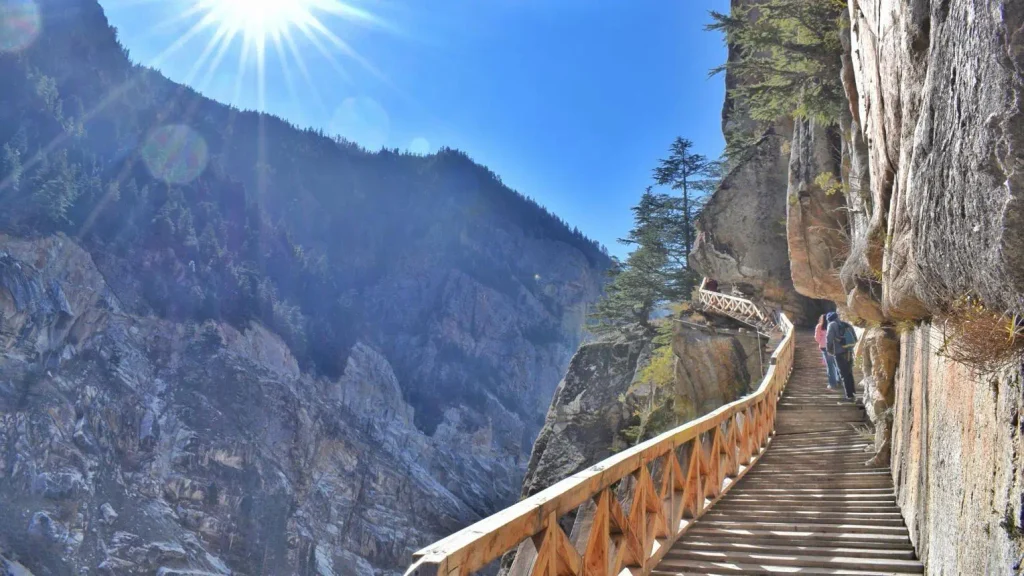
The wooden cliffside walkway is the main attraction. Take your time crossing it and appreciate the remarkable construction and history behind this old trade route.
2. Enjoy the Himalayan Views

Surrounded by steep mountains and dramatic valleys, Gartang Gali offers beautiful views and plenty of opportunities for photography.
3. Discover Its History
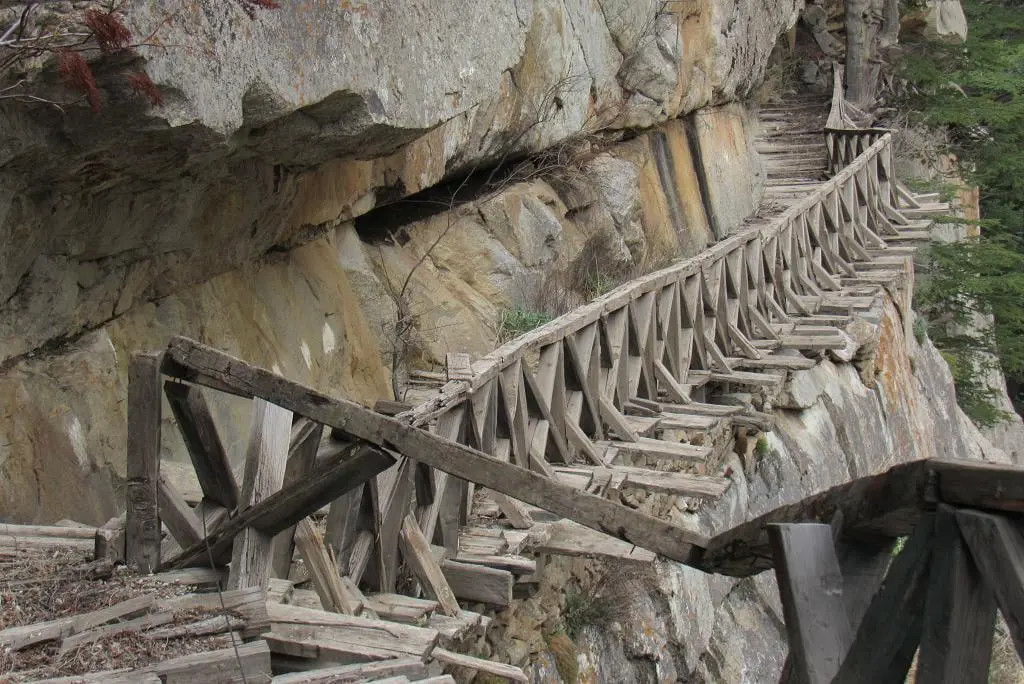
Learn about Gartang Gali’s connection with the historic India–Tibet trade route. Knowing its past makes the experience much more meaningful than simply visiting for photographs.
4. Experience Offbeat Uttarakhand
If you want to see a quieter and less-travelled side of Uttarakhand, Gartang Gali is a great choice. It combines history, adventure and mountain scenery in one trip.
5. Explore Harsil and Gangotri
If you have extra time, combine Gartang Gali with Harsil, Dharali and Gangotri to make the most of your journey through the Gangotri valley.
Gartang Gali Trek Experience
You start your journey to this beautiful spot at the Lanka Bridge amidst the Bhairavghati region. The hike itself is a short one, usually measuring about two to three km depending on where you are starting off from.
The trek involves some hiking uphill as well as walking through rocky and erratic surfaces; therefore, although it may be difficult for some people, most people having an above-average level of fitness can accomplish the trek easily. However, make sure to take your time especially if it is your first time trekking on rocky trails.
Then comes the exciting moment: The historic Gartang Gali wooden walkway!
It is built on the side of a steep mountain cliff offering picturesque views of the temples and valleys nearby. Being there while surrounded by the mountains makes all the tough hike worth it.
This place is not just another to visit in the list of your trips. Gartang Gali will make you slow down and enjoy the moments contrasting the rush that you usually go through everywhere else.
Gartang Gali Trek Distance and Difficulty
The Gartang Gali trek is generally considered easy to moderate. Most current travel guides describe a short hike from the forest check post or nearby entry area to the historic walkway. The route involves uphill walking and some narrow mountain sections.
Trek Details
- Approximate Distance: Around 2 to 3 km depending on the route used
- Approximate Duration: Around 2 to 4 hours for the complete experience, depending on walking pace and entry procedures
- Difficulty Level: Easy to moderate
- Suitable For: Beginners with basic fitness
- Not Ideal For: People with severe fear of heights or those unable to manage uphill walking
The difficulty is less about the total distance and more about the terrain and the exposed mountain environment.
How to Reach Gartang Gali
The easiest way to reach Gartang Gali is by road via Uttarkashi and the Gangotri route.
Typical Route: Rishikesh/Dehradun → Uttarkashi → Harsil → Bhairavghati/Lanka Bridge → Gartang Gali
How to Reach Gartang Gali by Road
Road is the most convenient option. From Uttarkashi, continue towards Harsil, Dharali and Gangotri until you reach the Lanka Bridge/Bhairavghati area, where the trek begins.
Nearest Bus Stand: Uttarkashi Bus Stand
How to Reach Gartang Gali by Train
There is no railway station near Gartang Gali. The nearest major railway stations are Rishikesh, Haridwar and Dehradun. From there, take a bus or taxi to Uttarkashi.
Nearest Railway Station: Rishikesh Railway Station
How to Reach Gartang Gali by Air
The nearest airport is Jolly Grant Airport, Dehradun. From the airport, continue by road to Uttarkashi and then towards the Gangotri route.
Nearest Airport: Jolly Grant Airport, Dehradun
Tip: Mountain roads can be affected by rain, landslides and weather conditions, so check the latest road status before travelling.
Best Time to Visit Gartang Gali
The best time to visit Gartang Gali Uttarakhand is from May to June and September to October, when the weather is more pleasant, roads are generally easier to navigate, and the Himalayan landscape looks its best.
April to June
These months offer comfortable daytime weather and good conditions for exploring Gartang Gali. The surrounding mountains turn greener, making this a beautiful time for trekking and photography.
July to August
Monsoon brings heavy rain to Uttarakhand, which can lead to slippery trails, landslides, and unpredictable road conditions. I would avoid visiting during periods of heavy rainfall unless local authorities confirm that the route is safe and open.
September to November
Post-monsoon is one of the best times to visit Gartang Gali. The landscape looks fresh and green, while clearer skies often offer better mountain views. September and October are particularly good for photography and scenic walks.
Winter
Winter brings cold temperatures, snowfall, and the possibility of road closures in higher Himalayan areas. Gartang Gali may also remain closed during the winter season.
My recommendation: Plan your trip for May–June or September–October for the best balance of weather, road conditions, and mountain views. Before leaving, always check the latest weather forecast and confirm that Gartang Gali is open.
Gartang Gali Entry, Registration, and Permit Information
Gartang Gali is located in a sensitive Himalayan region, so visitors need to follow local entry and registration rules. You can get your entry permit online through the Single Window System Uttarkashi or pay the required fee at the forest check post.
Entry and Timings
Gartang Gali is generally open from April 1 to the end of November and remains closed during the winter months. The usual visiting hours are 9:00 AM to 4:00 PM, with the last entry at 3:00 PM. Visitors are expected to leave the area by 5:00 PM.
Permit and Fees
- Indian Citizens: INR 150 per person
- Foreign Citizens: INR 600 per person
- Registration: Online through the Single Window System Uttarkashi or at the forest check post
- ID Proof: Carry a valid government-issued photo ID, such as an Aadhaar Card
Important Rules
Only 10 people are allowed on the wooden bridge at a time. Jumping, dancing, and littering are not permitted on the walkway. The trek begins near Lanka Bridge, around 8–9 km before Gangotri.
Planning to visit Nelong Valley too? Gartang Gali and Nelong Valley have different entry requirements. The restricted areas of Nelong Valley require an Inner Line Permit (ILP), so check with the local authorities before planning your visit.
Tip: Entry fees, timings, permits, and opening dates can change due to weather and local regulations. Check the latest information before you travel.
Important Rules and Safety Guidelines for Gartang Gali
The historic walkway is not a place for risky behaviour. Visitors are expected to follow safety rules while walking on the structure. Published travel guidance mentions restrictions on activities such as jumping, dancing, crowding or unsafe behaviour on the track.
Here are a few things I would strongly recommend:
- Wear shoes with good grip
- Do not rush while walking
- Follow instructions from forest or local authorities
- Avoid carrying unnecessary plastic
- Keep the trail clean
- Do not lean excessively over the railings
- Avoid visiting during severe weather
- Carry drinking water
- Start early enough to avoid reaching the entry point late
- Carry a valid government ID
The mountain environment deserves respect. A little preparation can make the trip much safer and more enjoyable.
Places to Visit Near Gartang Gali
One of the best things about visiting Gartang Gali is that you can combine it with several beautiful places along the Gangotri–Uttarkashi route. If you have an extra day or two, these are worth adding to your itinerary.
1. Harsil Valley
Distance from Gartang Gali: Around 25–30 km
Harsil is where I would recommend slowing down after the Gartang Gali trek. The peaceful valley, apple orchards, pine-covered slopes and the Bhagirathi River make it a lovely place to spend a night and enjoy the quieter side of Uttarakhand.
2. Gangotri Dham
Distance from Gartang Gali: Around 35–40 km
If you are travelling this far along the Gangotri route, Gangotri Dham is an easy addition to your trip. Along with its religious importance, the journey itself is surrounded by impressive Himalayan scenery.
3. Nelong Valley
Distance from Gartang Gali: Around 25–30 km
For something more adventurous, Nelong Valley offers a completely different landscape of rugged mountains, barren slopes and high-altitude terrain. However, unlike Gartang Gali, Nelong Valley is a restricted border area, so make sure you have the required permits before planning your visit.
4. Dharali
Distance from Gartang Gali: Around 20–25 km
Located close to Harsil, Dharali is a small Himalayan village surrounded by mountains and rivers. It makes a convenient stop on the way and is a good place to take a break, enjoy the scenery and experience the local mountain atmosphere.
5. Bhairavghati
Distance from Gartang Gali: Around 5–7 km
Bhairavghati is one of the closest places to Gartang Gali and lies along the route towards Gangotri. The dramatic valleys and towering mountains make even a short stop here worthwhile, especially if you enjoy photography.
My suggestion: If you have limited time, combine Gartang Gali with Harsil and Gangotri. If you have more time and the necessary permissions, add Nelong Valley to experience a much more remote side of Uttarakhand.
Where to Stay Near Gartang Gali
There are limited accommodation options directly near Gartang Gali.
For a more comfortable stay, consider areas such as:
- Harsil
- Dharali
- Uttarkashi
- Gangotri, depending on your travel plan and seasonal availability
I would recommend booking accommodation in advance during the Char Dham travel season because rooms in the Gangotri valley region can become difficult to find.
For a relaxed trip, staying in Harsil or Dharali and visiting Gartang Gali as part of your itinerary can be a practical option.
What to Carry for the Gartang Gali Trek
You do not need heavy trekking equipment, but basic preparation is important.
Carry:
- Comfortable trekking shoes
- Water bottle
- Light snacks
- Sunglasses
- Sunscreen
- Cap
- Light jacket
- Rain protection if required
- Government ID
- Basic first aid supplies
- Camera or mobile phone
- Some cash
The weather in the Himalayas can change quickly, so carrying an extra layer is always a good idea.
Gartang Gali Travel Tips
Before planning your trip, keep these points in mind:
- Check the Opening Status: Access can change because of weather, road conditions or administrative restrictions.
- Start Early: Mountain travel takes longer than expected. Leaving early gives you more flexibility.
- Do Not Rush the Trek: The route is short, but the mountain terrain deserves caution.
- Respect the Historical Site: Gartang Gali is not just an adventure attraction. It is an important part of the region’s cultural and historical heritage.
- Keep the Area Clean: Avoid leaving plastic or food waste on the trail.
- Plan Accommodation in Advance: During the peak travel season, accommodation in Harsil and nearby areas may fill quickly.
A Suggested Gartang Gali Trip Itinerary
Day 1: Reach Uttarkashi
Arrive in Uttarkashi from Rishikesh, Haridwar or Dehradun. Rest for the night and prepare for the journey towards Harsil and Gangotri.
Day 2: Uttarkashi to Harsil or Dharali
Travel towards Harsil through the scenic Bhagirathi valley. Stay overnight in Harsil or Dharali.
Day 3: Visit Gartang Gali
Start early and travel towards the entry point near Lanka Bridge and Bhairavghati. Complete the trek, experience the historic wooden walkway and return before the permitted closing time.
Day 4: Visit Gangotri or Explore Harsil
Depending on your interest and road conditions, visit Gangotri or spend more time exploring the Harsil valley.
Why Gartang Gali Should Be on Your Uttarakhand Travel List
Uttarakhand has no shortage of mountain destinations, but Gartang Gali offers something different a story along with the scenery.
Its historic wooden walkway, dramatic cliffside setting and connection to the old India–Tibet trade route make the experience far more memorable than a typical sightseeing stop.
If you are already planning a trip to Harsil, Gangotri or Uttarkashi, Gartang Gali is a worthwhile addition for anyone who enjoys history, adventure and beautiful Himalayan landscapes.
Just check the latest access and weather conditions before you go, and take your time to enjoy the journey.
Final Thoughts
Gartang Gali is more than just a historic wooden walkway it is a place where history, adventure and Himalayan beauty come together. The trek is short, but the experience is memorable. Walking along the cliffside route and learning about its connection to the old India–Tibet trade route gives you a glimpse into Uttarakhand’s fascinating past.
If you enjoy offbeat destinations, short Himalayan treks and places with a story to tell, Gartang Gali is well worth adding to your Uttarakhand itinerary.
Before you set out, check the latest weather, road conditions, entry timings and registration requirements to make your journey safe and hassle-free.
Frequently Asked Questions
Gartang Gali is located in Uttarkashi district, Uttarakhand, near the Bhairavghati and Lanka Bridge area in the broader Nelong Valley and Gangotri region.
Gartang Gali is famous for its historic wooden walkway built along a steep Himalayan cliff. It is also known for its connection with the old Indo Tibetan trade route.
The trek is generally described as approximately 2 to 3 km from the relevant entry area, although the exact distance can vary depending on the route and current access arrangements.
Gartang Gali is generally considered an easy to moderate trek. The distance is relatively short, but uphill walking, mountain terrain and the exposed environment can make it challenging for some visitors.
April to June and September to November are generally considered the best periods, subject to weather and official access conditions. Post monsoon months can offer particularly clear views.
People are also reading:

2 thoughts on “Gartang Gali Trek Guide: History, Route & Best Time”