
Prayagraj, formerly known as Allahabad, is one of the oldest living cities in India with deep roots in history, spirituality, and culture. Located in Uttar Pradesh, the city holds immense religious importance in Hinduism and is globally known for the sacred Triveni Sangam, where the holy rivers Ganga, Yamuna, and Saraswati meet. Apart from its spiritual value, Prayagraj has played a major role in India’s freedom struggle and continues to be an important center of education, heritage, and governance. The city offers a unique combination of ancient traditions, Mughal architecture, colonial landmarks, and modern development, making it one of the most meaningful travel destinations in India.
Why Prayagraj is Famous
Prayagraj is famous for its sacred Triveni Sangam, which is one of the holiest river confluences in India and a major pilgrimage site. It is also globally recognized for hosting the Kumbh Mela, one of the largest religious gatherings in the world. The city has strong historical importance due to its connection with the Mughal Empire, especially Emperor Akbar, who built the Allahabad Fort. It also played a crucial role in India’s independence movement and is home to important landmarks like Anand Bhawan and Chandra Shekhar Azad Park. Along with spirituality and history, Prayagraj is also known for its educational institutions, cultural heritage, and peaceful riverfront environment.
Quick Highlights of Prayagraj
- Sacred Triveni Sangam of Ganga, Yamuna, and Saraswati
- Host city of the world-famous Kumbh Mela
- Rich Mughal and British colonial heritage sites
- Important center of India’s freedom struggle history
- Famous temples and Shakti Peeths
- Home to Nehru family heritage at Anand Bhawan
- Blend of spirituality, culture, and modern city life
Top 10 Places to Visit in Prayagraj
Here are the Top 10 Places to Visit in Prayagraj that perfectly showcase the city’s spirituality, history, and cultural heritage.
- Triveni Sangam
- Shri Bade Hanuman Ji Mandir
- Patalpuri Temple and Akshayavat
- Alopi Devi Temple
- Allahabad Fort
- Khusro Bagh
- New Yamuna Bridge
- Anand Bhawan
- Chandra Shekhar Azad Park
- Allahabad Museum
1. Triveni Sangam
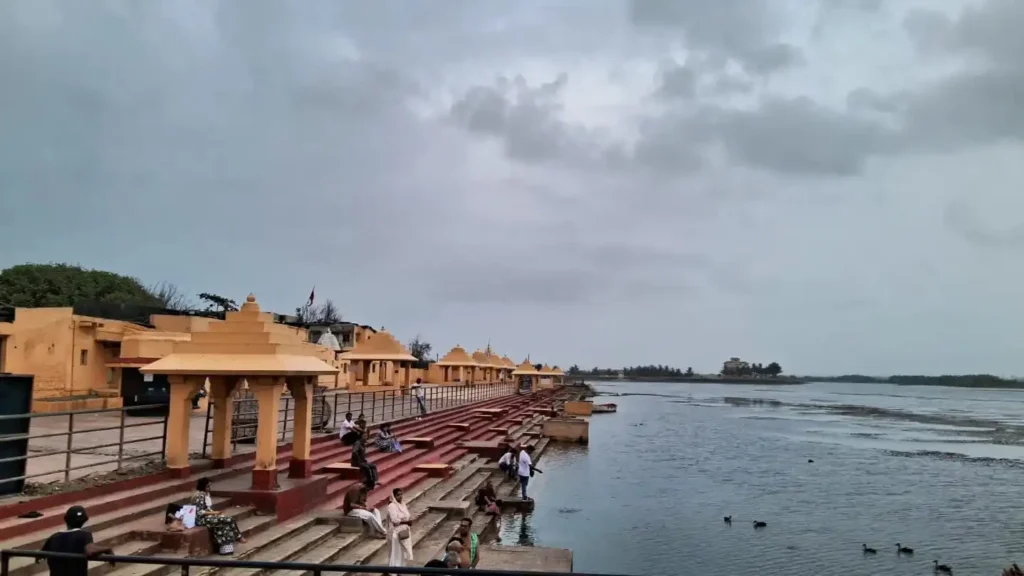
- Timing: 6:00 AM to 7:00 PM
- Best for: Spiritual rituals, holy dip, boat ride
- Entry Fee: Free for all visitors.
Why this place is famous
Triveni Sangam is the most sacred place in Prayagraj where the rivers Ganga, Yamuna, and the invisible Saraswati meet. It is deeply mentioned in Hindu scriptures and is considered one of the most powerful pilgrimage sites in India. Devotees believe that taking a holy dip here removes sins and helps attain spiritual liberation. The site is also the main center of Kumbh Mela and Magh Mela, attracting millions of devotees from across the world. The natural view of merging rivers makes it both spiritually powerful and visually unique.
Important highlights
- Boat ride to river confluence point
- Evening rituals and spiritual atmosphere
- Sunrise view is highly recommended
2. Shri Bade Hanuman Ji Mandir
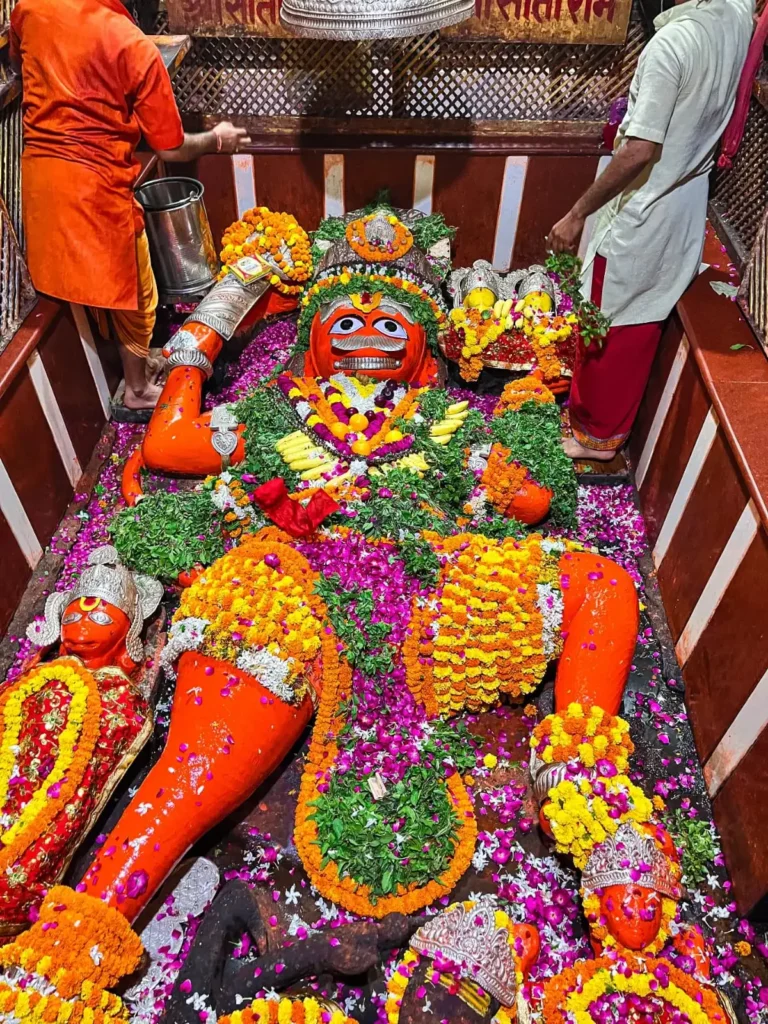
- Timing: 5:00 AM to 2:00 PM (Morning) and 5:00 PM to 8:30 PM (Evening). Evening hours are extended up to 10:00 PM on Tuesdays and Saturday.
- Best for: Devotion and spiritual experience
- Entry Fee: Free for all visitors.
Why this place is famous
Shri Bade Hanuman Ji Mandir is famous for its rare 20-foot-long reclining idol of Lord Hanuman, which is not commonly found in India. It is believed that the idol is self-manifested and holds strong divine energy. The temple is located near Triveni Sangam, making it spiritually significant for pilgrims visiting the river confluence. Devotees believe that prayers here bring strength, courage, and protection from negativity. The temple becomes highly crowded on Tuesdays and Saturdays due to special religious importance.
Important highlights
- Rare reclining Hanuman idol
- High devotion on special days
- Located near Sangam area
3. Patalpuri Temple and Akshayavat
- Timing: 6:00 AM to 6:30 PM
- Best for: Ancient mythology and spirituality
- Entry Fee: Free for all visitors.
Why this place is famous
Patalpuri Temple is an ancient underground temple located inside the historic Allahabad Fort and is considered one of the oldest sacred sites in India. It is deeply connected with Hindu mythology and ancient religious beliefs. Inside the temple lies the sacred Akshayavat tree, which is believed to be immortal and is mentioned in ancient scriptures. Devotees believe that this tree survives even the end of time, making it a symbol of eternity. The temple attracts pilgrims who are interested in spiritual depth and ancient traditions.
Important highlights
- Underground temple inside fort
- Sacred immortal Akshayavat tree
- Strong mythological importance
4. Alopi Devi Temple
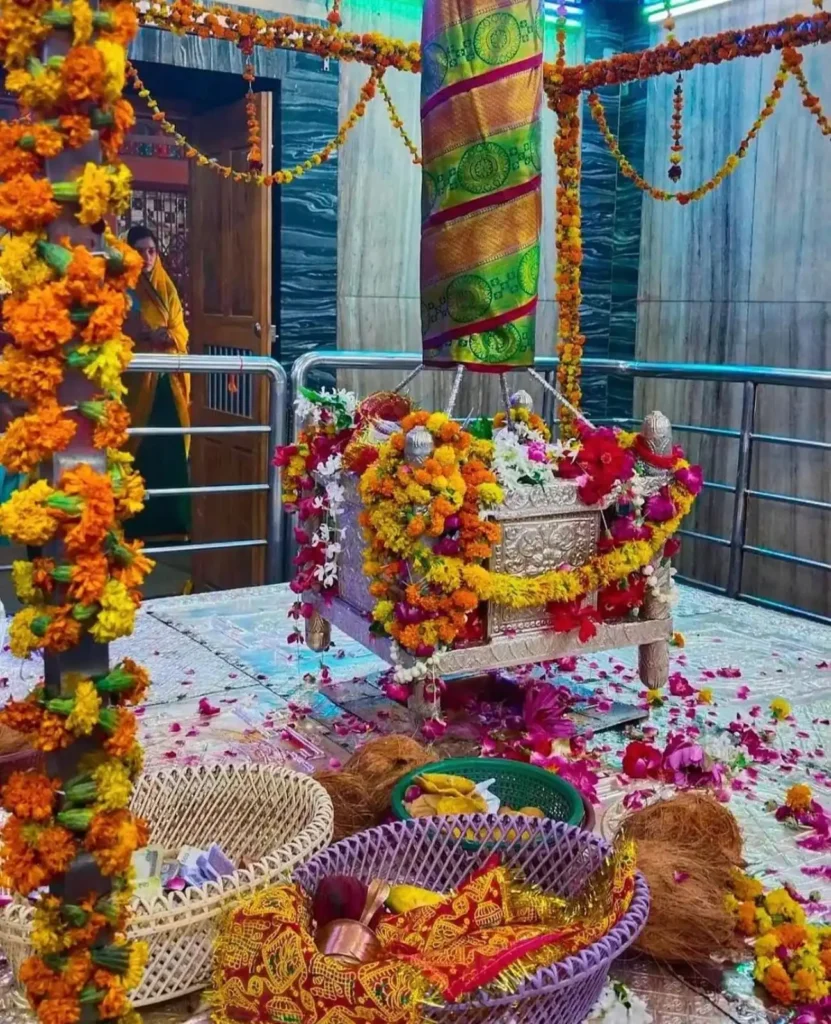
- Timing: 5:00 AM to 10:00 PM
- Best for: Shakti worship and unique rituals
- Entry Fee: Free for all visitors.
Why this place is famous
Alopi Devi Temple is one of the rare temples in India where there is no physical idol for worship. Instead, a symbolic wooden structure is worshipped as the goddess. It is believed to be a Shakti Peeth where a part of Goddess Sati fell, giving it strong mythological importance. The temple is considered very powerful spiritually and is visited by devotees seeking blessings and wish fulfillment. During Navratri, the temple becomes a major center of religious activity.
Important highlights
- No idol worship tradition
- Strong belief in wish fulfillment
- Major Navratri celebrations
5. Allahabad Fort
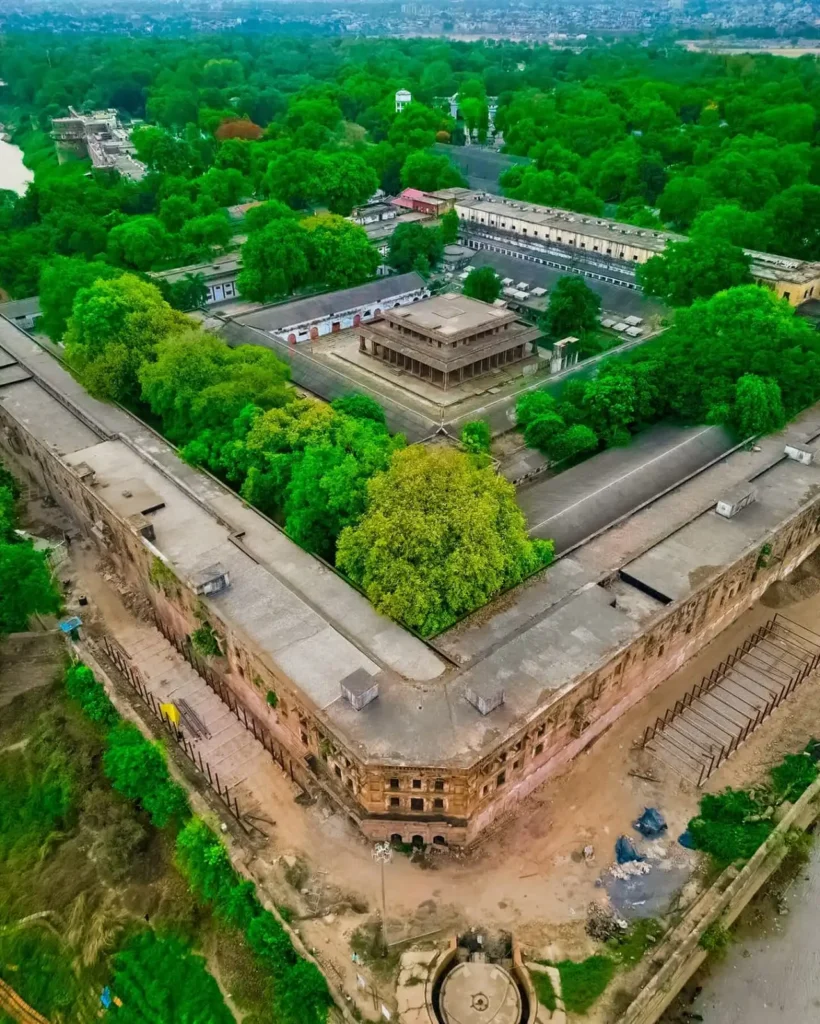
- Timing: Restricted access (Indian Army controlled)
- Best for: Mughal architecture and history
- Entry Fee: No general entry fee, as most parts of the fort are under Indian Army control and not open to the public.
Why this place is famous
Allahabad Fort was built by Mughal Emperor Akbar in 1583 and is one of the largest forts of the Mughal era. It is strategically located near the Triveni Sangam, making it important both spiritually and militarily. The fort contains historical structures like the Ashoka Pillar and sacred sites such as Patalpuri Temple and Akshayavat tree. Its massive architecture reflects the strength and planning of the Mughal Empire. Due to security reasons, most of the fort is not open to the public.
Important highlights
- Built by Emperor Akbar
- Contains ancient religious sites
- Limited public access
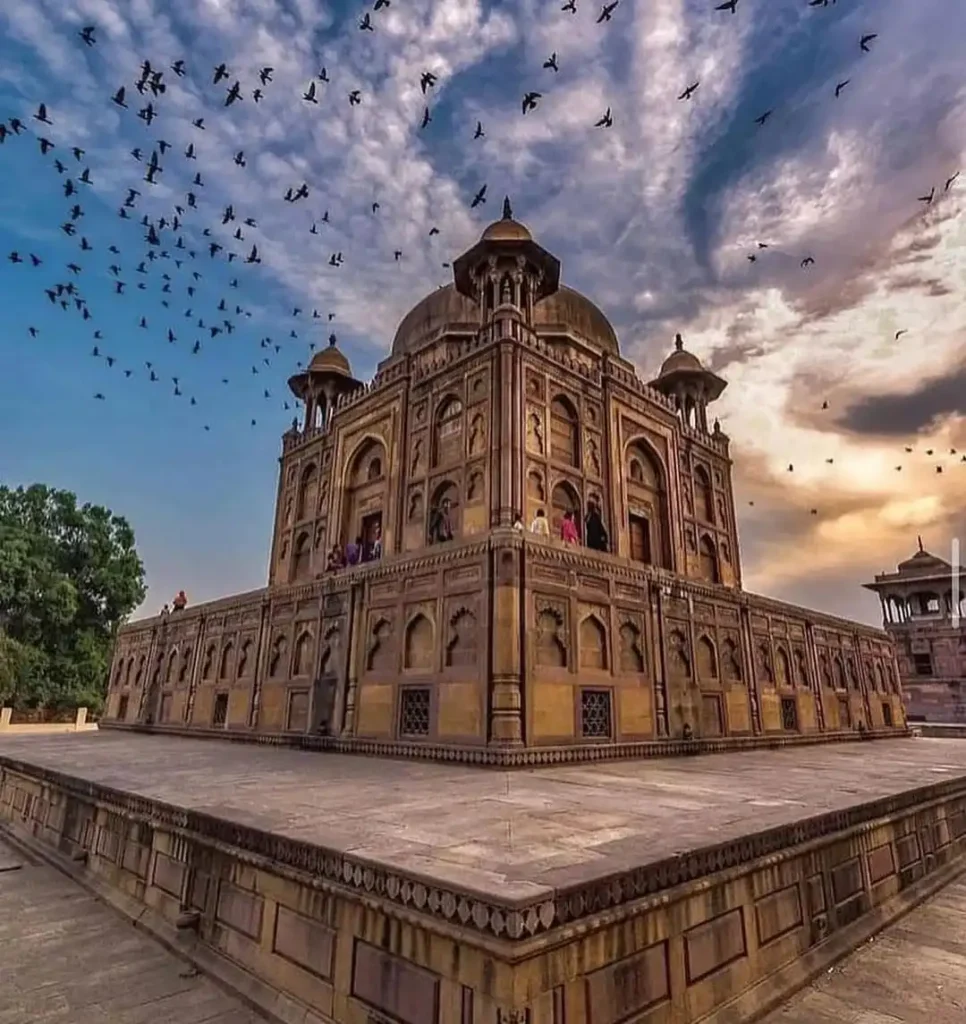
6. Khusro Bagh
- Timing: 6:00 AM to 7:00 PM
- Best for: Heritage walk and photography
- Entry Fee: Free for all visitors.
Why this place is famous
Khusro Bagh is a historical Mughal garden known for its beautifully designed sandstone tombs of Prince Khusro and his family. The architecture reflects Mughal craftsmanship with detailed carvings and symmetry. It is an important site connected to Mughal royal history and political events. The garden also offers a peaceful environment for visitors. It is especially popular among history lovers and photographers.
Important highlights
- Mughal-era tomb structures
- Peaceful garden environment
- Historical significance
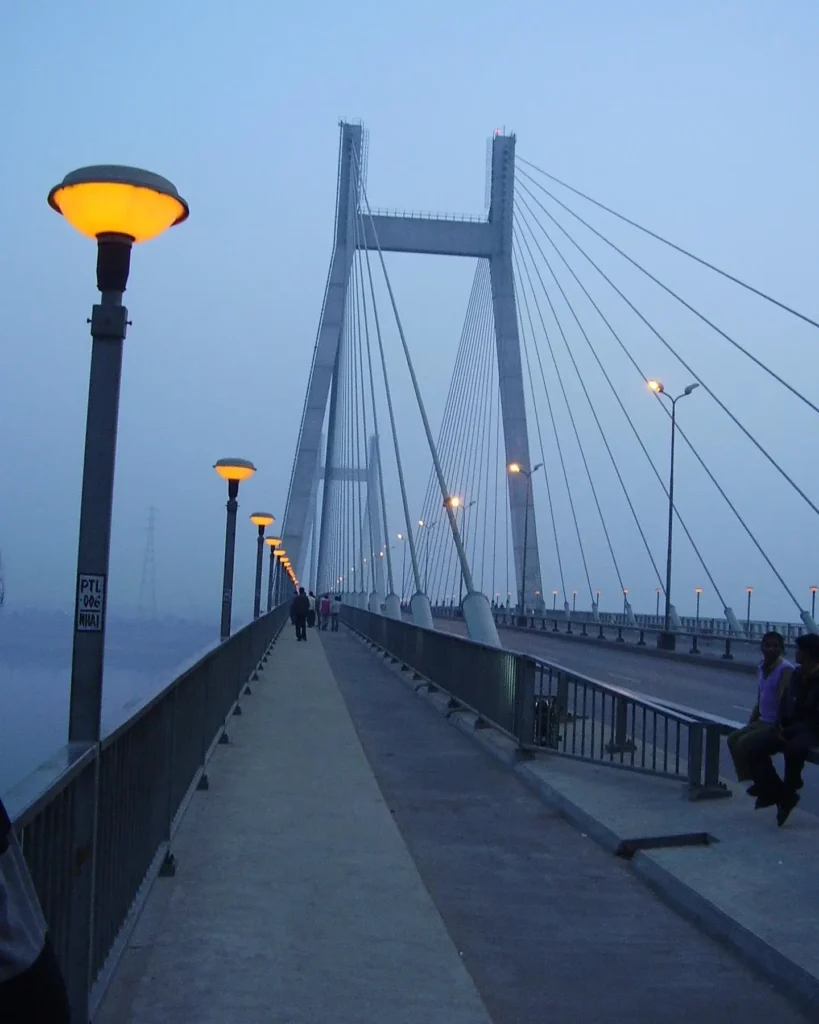
7. New Yamuna Bridge
- Timing: Open 24 hours
- Best for: Night views and modern architecture
- Entry Fee: No Entry Fee
Why this place is famous
New Yamuna Bridge is a modern cable-stayed bridge that connects important parts of Prayagraj city. It is known for its strong engineering design and scenic location over the Yamuna River. The bridge provides beautiful views of the river, especially during sunset and nighttime. It represents modern development in contrast to the city’s ancient heritage. It is also a popular photography spot for visitors.
Important highlights:
- Modern engineering structure
- Night illumination view
- Scenic river photography spot
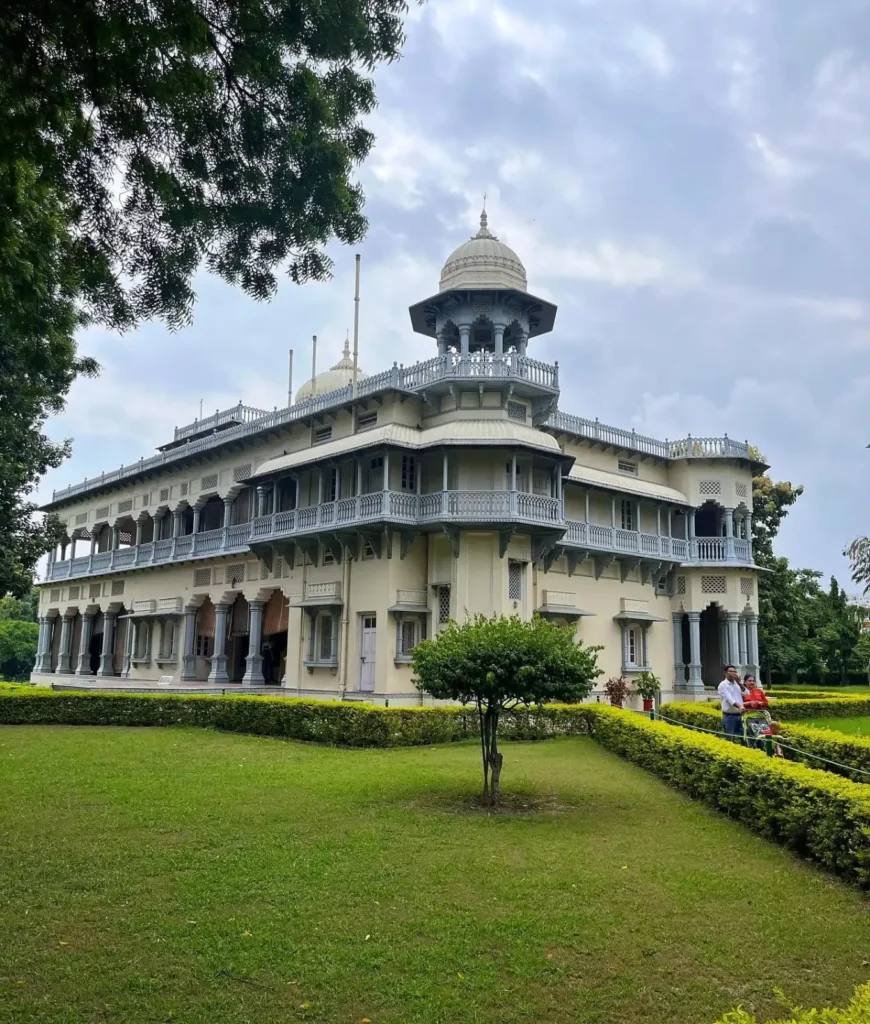
8. Anand Bhawan
- Timing: 9:30 AM to 5:00 PM (Closed Monday)
- Best for: Freedom movement history
- Entry Fee: ₹20 for Indian visitors and ₹200 for foreign visitors. Children below 12 years can enter free.
Why this place is famous
Anand Bhawan was the residence of the Nehru family and played a major role in India’s freedom struggle. It served as a center for political discussions and national movement activities during British rule. Today, it has been converted into a museum preserving historical documents, photographs, and personal belongings of the Nehru family. The place represents India’s political history and independence journey. It remains an important educational site for visitors.
Important highlights
- Nehru family residence
- Freedom movement museum
- Historical artifacts display
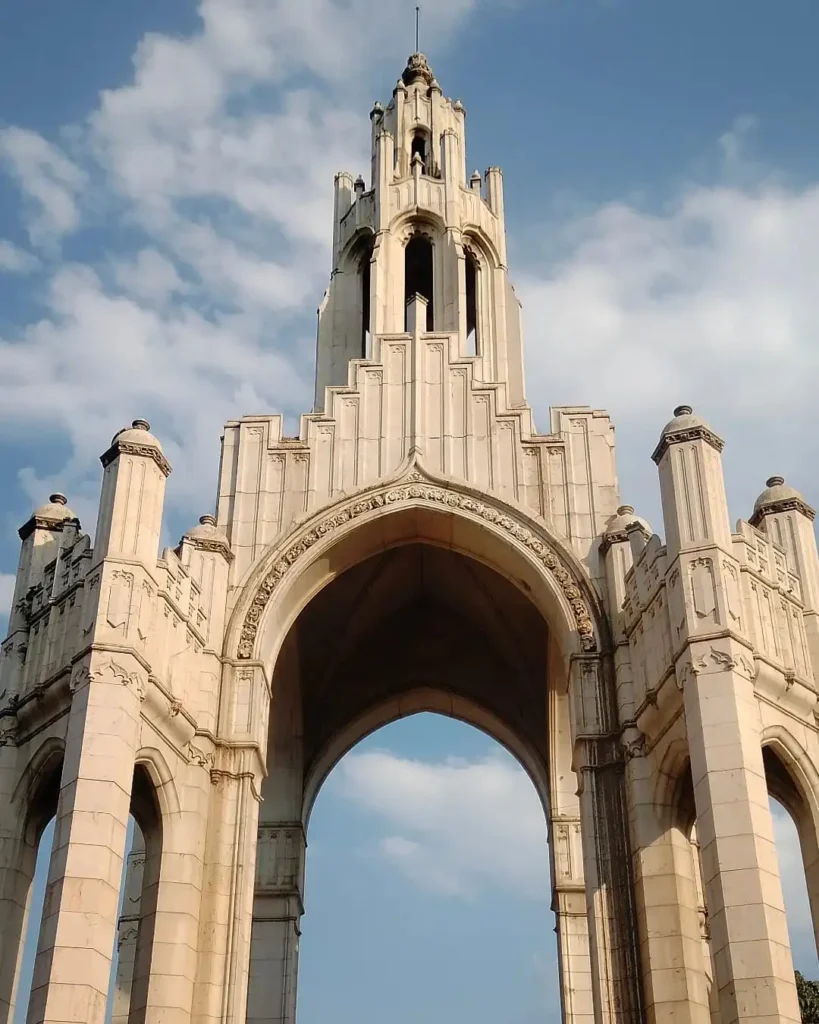
9. Chandra Shekhar Azad Park
- Timing: 5:00 AM to 8:00 PM
- Best for: Relaxation and historical importance
Why this place is famous
Chandra Shekhar Azad Park, formerly known as Alfred Park, is historically important as it is the place where freedom fighter Chandra Shekhar Azad sacrificed his life. It is the largest park in Prayagraj and holds deep national importance related to India’s freedom struggle. The park combines greenery with historical monuments, making it both peaceful and meaningful. It is widely visited by locals and tourists for walking and relaxation.
Important highlights
- Martyrdom site of Chandra Shekhar Azad
- Large green public park
- Historical significance
10. Allahabad Museum

- Timing: 10:00 AM to 5:30 PM (Closed Monday)
- Best for: Art, culture, and history
- Entry Fees: ₹50 for Indian adults and ₹500 for foreign adults. Children aged 9-18 years are charged ₹20 for Indians and ₹200 for foreign visitors, while children below 8 years can enter free.
Why this place is famous
Allahabad Museum is one of the important cultural institutions in India that preserves ancient heritage and historical artifacts. It contains sculptures, coins, paintings, manuscripts, and items related to India’s freedom struggle. The museum also showcases materials connected to the Nehru family and Indian history. It plays an important role in educating visitors about India’s cultural and historical background. It is located inside Chandra Shekhar Azad Park.
Important highlights
- Ancient artifacts and sculptures
- Freedom struggle collections
- Cultural education center
Best Time to Visit Prayagraj
The best time to visit Prayagraj is from October to March, when the weather is pleasant and ideal for sightseeing. During this period, temperatures remain comfortable, making it easy to explore temples, historical places, and the riverfront. This season is also popular because major events like Magh Mela take place in winter, and in Kumbh Mela years, the city attracts millions of visitors.
NOTE: Summer months (April to June) are extremely hot and not suitable for travel. Monsoon season (July to September) brings high humidity and occasional heavy rainfall, which may affect sightseeing plans.
How to Reach Prayagraj
Prayagraj is well connected with all major cities in India through air, rail, and road networks.
- By Air: Prayagraj Airport connects to cities like Delhi, Mumbai, and Bangalore
- By Train: Prayagraj Junction is one of the major railway stations in North India with frequent trains
- By Road: Well connected via highways to Lucknow, Varanasi, Kanpur, and Delhi
- Private taxis and buses are easily available for local travel
Things to Do in Prayagraj
Prayagraj offers a mix of spiritual, historical, and cultural experiences.
- Triveni Sangam Boat Ride: Triveni Sangam is the most important attraction in Prayagraj where three holy rivers meet. A boat ride here gives a peaceful spiritual experience and a clear view of the sacred confluence.
- Ganga Aarti Experience (Limited Local Rituals): Evening prayers and small aarti rituals near the Sangam and nearby ghats create a calm spiritual atmosphere. It is not a large organized event like Varanasi but still holds devotional significance.
- Visit Allahabad Fort Area (Restricted Access): The fort is controlled by the Indian Army and only limited areas like Patalpuri Temple and Akshayavat are open to visitors with permission. It reflects Mughal architecture and historical importance.
- Visit Anand Bhawan Museum: Anand Bhawan shows the lifestyle and contribution of the Nehru family in India’s freedom struggle. It presents important events related to India’s independence history.
- Photography at New Yamuna Bridge: The bridge offers beautiful views of the Yamuna River, especially during sunset and night. It is a popular spot for capturing modern city landscapes.
- Walk in Khusro Bagh: Khusro Bagh is a peaceful Mughal garden with historic tombs and greenery. It is suitable for walking, relaxation, and photography.
- Try Local Market and Street Food: Local markets in Prayagraj offer traditional food, sweets, and shopping experience. It reflects the daily lifestyle and flavors of North Indian culture.
Travel Tips for Visitors
These tips will help you have a smooth and comfortable trip.
- Carry light cotton clothes in summer and warm clothes in winter
- Start sightseeing early morning to avoid heat and crowds
- Book hotels in advance during Kumbh or Magh Mela seasons
- Use authorized boat services at Triveni Sangam
- Keep water, sunscreen, and sunglasses during daytime travel
- Respect religious places and local traditions
- Prefer local guides for better historical understanding
Local Food to Try in Prayagraj
Prayagraj also offers delicious North Indian food options.
- Kachori-Sabzi, a popular breakfast dish
- Traditional lassi and rabri
- Street chaat near Civil Lines and Chowk areas
- Sweets like peda, jalebi, and gulab jamun
- Simple vegetarian thalis in local restaurants
Conclusion
Prayagraj is not just a travel destination but a place where spirituality, history, and culture come together in a powerful way. From the sacred Triveni Sangam to Mughal forts and freedom movement landmarks, every location in the city holds deep meaning. Visiting Prayagraj offers a complete experience of devotion, heritage, and historical learning. It is one of the few cities in India where ancient traditions and modern life exist side by side, making it a truly unique destination for every traveler.
Frequently Asked Questions
Prayagraj is famous for the sacred Triveni Sangam, where three holy rivers meet, and for hosting the world-famous Kumbh Mela. It is also known for historical sites, temples, and its role in India’s freedom struggle.
The best time to visit Prayagraj is from October to March when the weather is pleasant for sightseeing. This season is also ideal for visiting temples, monuments, and riverfront areas comfortably.
A 1-to-2-day trip is enough to cover major attractions like Triveni Sangam, Hanuman Mandir, Anand Bhawan, Khusro Bagh, and Allahabad Museum. For a relaxed experience, 2 days is recommended.
Triveni Sangam is the meeting point of Ganga, Yamuna, and the mythical Saraswati rivers. It is considered one of the holiest places in India, and taking a dip here is believed to bring spiritual purification.
Yes, Prayagraj is generally safe for tourists. Popular tourist areas are well-managed, and local people are helpful. However, like any city, it is advised to take basic travel precautions and avoid isolated areas at night.
People are also reading
- Top Places to Visit in Amritsar
- Best Tourist Places to Visit in India
- Top Haunted Temples and Forts
- Famous Female Journalist in India
- Haunted Places in Lucknow
- Famous Male Journalist in India