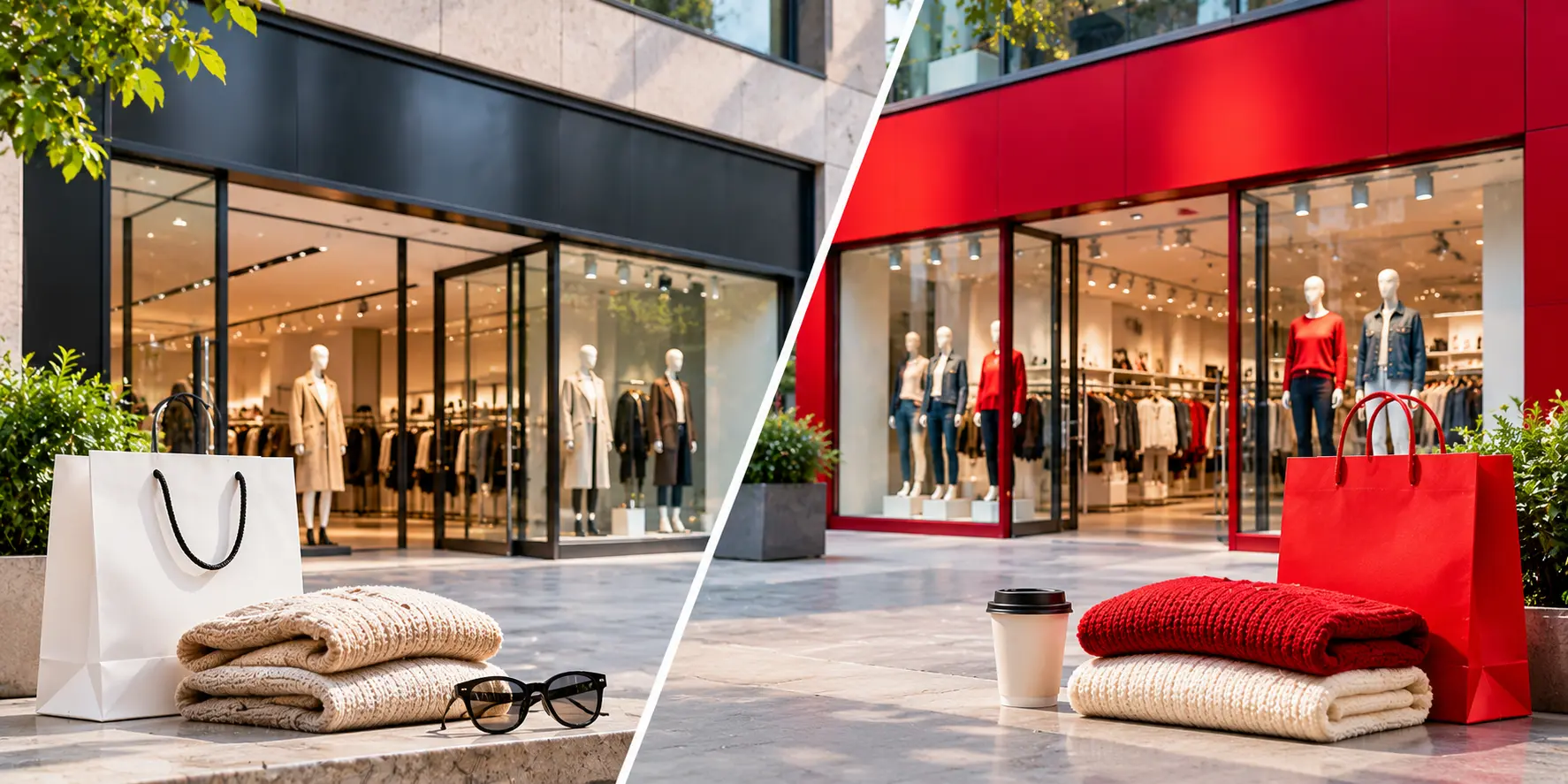
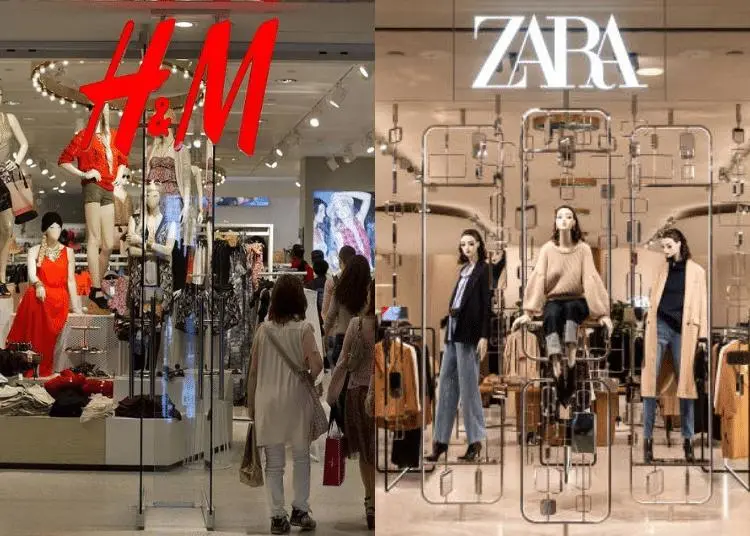
Zara and H&M are two popular fashion brands, but they differ in pricing, clothing quality, and fashion styles. Interestingly, H&M generated higher revenue in India than Zara in FY24. H&M India recorded approximately ₹3,278 crore in revenue, an 11.4% increase from the previous year, while Zara India reported around ₹2,769 crore, growing by 8.4%. H&M also operated 64 stores across India compared with Zara’s 21 stores during that period. Despite this difference in Indian sales, both brands attract shoppers with their own strengths. Zara focuses on contemporary designs, tailored outfits, and the latest fashion trends, while H&M is known for affordable clothing, everyday basics, and casual styles.
So, which brand offers better value for money? Is Zara worth the extra price, or does H&M offer better clothing for everyday use?
This Zara vs H&M comparison looks at their prices, fabric quality, styles, durability, product variety, and sustainability to help you choose the right brand for your wardrobe.
Zara vs H&M: Quick Comparison
Zara is a better fit for shoppers who prefer polished, trend-focused outfits, while H&M suits those looking for affordable everyday clothing.
| Comparison Factor | Zara | H&M |
| Founded | 1975 | 1947 |
| Country | Spain | Sweden |
| Parent Company | Inditex | H&M Group |
| Main Focus | Trend-led fashion | Affordable everyday wear |
| Pricing | Mid-range | Budget-friendly |
| Clothing Quality | Strong in selected tailored pieces | Good value in everyday basics |
| Style | Modern and structured | Casual and versatile |
| Product Range | Clothing, shoes, bags, accessories | Clothing, shoes, beauty, home, activewear |
| Sustainability | Resale, repair, and lower-impact materials | Recycling, resale, and material innovation |
Quick verdict: Choose Zara for statement pieces and tailored outfits. Choose H&M for affordable basics, casual wear, and everyday essentials.
Brand Overview: Zara vs H&M
Although both brands operate in the fast-fashion industry, they target slightly different shopping preferences.
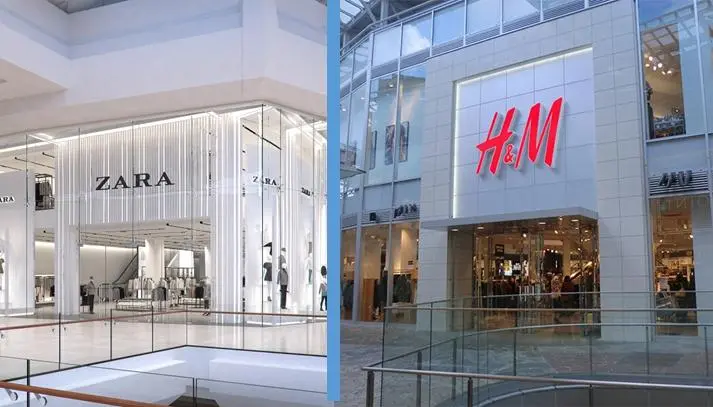
Zara
Founded in Spain in 1975, Zara is the flagship fashion brand of Inditex. It is known for bringing current fashion trends into its collections through modern designs, tailored clothing, and frequently updated styles. Its collections include dresses, blazers, coats, jeans, footwear, and accessories. Zara is particularly popular among shoppers who prefer contemporary outfits and a more polished appearance.
H&M
H&M is a Swedish fashion retailer founded in 1947. It focuses on affordable clothing that is suitable for everyday use. Its collections include T-shirts, jeans, dresses, knitwear, hoodies, and activewear. H&M also offers designer collaborations, beauty products, and home accessories in selected markets. The brand is a practical choice for shoppers who want versatile clothing without spending too much.
Zara vs H&M: Price Comparison
H&M is generally cheaper than Zara, especially for everyday clothing such as T-shirts, jeans, and sweatshirts. Zara charges more for many of its designs, particularly tailored garments and statement pieces. Here is an approximate price comparison in India:
| Clothing Category | Zara | H&M |
| Shirts and Blouses | ₹1,550–₹4,950 | ₹649–₹2,499 |
| Jeans | ₹2,490–₹4,990 | ₹1,499–₹2,999 |
| Hoodies and Sweatshirts | ₹2,150–₹4,990 | ₹1,299–₹2,999 |
| Women’s Dresses | ₹1,990–₹7,550 | ₹999–₹2,999 |
| Blazers and Jackets | ₹2,350–₹5,950 | ₹1,999–₹4,999 |
Note: These are indicative price ranges. Actual prices vary by collection, product, and seasonal discounts.
Which Brand Is Cheaper?
H&M is the more affordable option for most everyday clothing. You can often purchase basic tops, jeans, and casual wear at lower prices than comparable Zara products. Zara is more expensive, but some shoppers prefer its designs and structured clothing.
Verdict: H&M wins on affordability, while Zara is worth considering if you prefer its designs and are comfortable paying more.
Zara vs H&M: Quality and Fabric Comparison
Both brands offer different fabric qualities depending on the collection and product.
| Quality Factor | Zara | H&M |
| Common Fabrics | Cotton, polyester, viscose, wool blends | Cotton, polyester, modal, recycled fibers |
| Strong Categories | Blazers, coats, tailored trousers | T-shirts, knitwear, sweatshirts |
| Construction | More structured in selected garments | Generally simpler in basic collections |
| Premium Lines | Zara Studio and selected premium collections | H&M Premium Selection |
| Main Concern | Inconsistent quality across trend pieces | Simpler construction in some affordable items |
Zara Clothing Quality
Zara pays considerable attention to garment design, fit, and structure. Its blazers, coats, and tailored trousers often have sharper cuts and heavier fabrics.
- Structured clothing: Its blazers and coats are good options for shoppers who prefer a more polished look.
- Denim: Selected jeans use high cotton-content fabrics that provide a firm, structured feel.
- Fabric variety: Zara uses cotton, viscose, polyester, and other blends across its collections.
- Quality differences: Some lightweight tops and synthetic garments may show pilling or wear with frequent use.
H&M Clothing Quality
H&M focuses on comfortable, practical clothing at accessible prices. Its basic collections include cotton T-shirts, knitwear, sweatshirts, and casual denim.
- Everyday basics: Its cotton T-shirts and casual clothing offer good value for regular use.
- Premium collections: H&M Premium Selection includes selected garments made with wool, cashmere, and higher-quality cotton.
- Comfortable fabrics: Many products use cotton and blended materials for everyday comfort.
- Construction: Some entry-level blazers and trousers have lighter fabrics and simpler finishing.
Which Brand Has Better Clothing Quality?
Neither brand offers better quality across every category.
- Choose Zara for structured blazers, coats, tailored trousers, and selected denim.
- Choose H&M for cotton T-shirts, casual clothing, sweatshirts, and everyday knitwear.
- Always check fabric composition, stitching, and washing instructions before purchasing.
The individual garment matters more than the brand name.
Zara vs H&M: Style and Fashion Trends
Zara focuses on contemporary, runway-inspired fashion, while H&M offers more relaxed styles and wearable everyday trends.
| Style Factor | Zara | H&M |
| Main Style | Modern, structured, minimalist | Casual, relaxed, versatile |
| Popular Items | Blazers, dresses, tailored trousers | T-shirts, hoodies, jeans |
| Fashion Trends | Runway-inspired designs | Mainstream and seasonal trends |
| Collaborations | Selected designer collections | Major designer collaborations |
| Best For | Statement outfits | Everyday styling |
Zara’s Fashion Style
Zara is popular for modern clothing that creates a polished appearance. Its collections often include neutral colors, structured silhouettes, oversized designs, and statement pieces.
- Contemporary designs: Collections often reflect current fashion trends.
- Tailored outfits: Blazers, trousers, and coats are among its popular categories.
- Minimalist looks: Neutral colors and clean cuts make many pieces easy to style.
- Frequent updates: New collections keep its product range current.
H&M’s Fashion Style
H&M focuses on comfortable clothing that works for everyday activities. Its collections combine basic wardrobe essentials with seasonal fashion trends.
- Casual clothing: T-shirts, jeans, hoodies, and sweaters are popular choices.
- Relaxed fits: Oversized clothing and comfortable silhouettes feature across its collections.
- Designer collaborations: Partnerships with designers such as Mugler and Simone Rocha bring distinctive styles to its collections.
- Affordable trends: Shoppers can try seasonal styles without spending as much.
Which Brand Is Better for Fashion Trends?
Choose Zara if you prefer statement outfits, tailored clothing, and runway-inspired designs. H&M is better if you enjoy casual fashion, streetwear, and affordable seasonal trends.
Both brands follow changing fashion trends, but their styles appeal to different preferences.
Zara vs H&M: Product Variety and Clothing Categories
H&M offers a wider range of lifestyle products, while Zara focuses more heavily on fashion and accessories.
| Product Category | Zara | H&M |
| Women’s Clothing | Yes | Yes |
| Men’s Clothing | Yes | Yes |
| Kids’ Clothing | Yes | Yes |
| Baby Clothing | Limited selection | Yes |
| Footwear | Yes | Yes |
| Bags and Accessories | Yes | Yes |
| Activewear | Selected collections | H&M Move |
| Beauty | Zara Beauty | H&M Beauty |
| Home Products | Zara Home (separate brand) | H&M Home |
H&M is convenient for shoppers looking for clothing, activewear, beauty products, and home accessories in one place. Zara offers a more focused fashion collection, including dresses, jackets, shoes, bags, and accessories. Its separate Zara Home brand covers home furnishings and decorative products.
Verdict: H&M wins in product variety, while Zara is better suited to shoppers focused on fashion.
Zara vs H&M: Durability and Longevity
Clothing durability depends on fabric, stitching, construction, and care. Neither brand guarantees long-lasting quality across all its collections. Zara’s structured coats, blazers, and selected denim pieces can offer good durability. H&M’s cotton T-shirts, sweatshirts, and knitwear can also hold up well with regular care. Consider these factors before buying:
- Fabric quality: Check the material composition and choose suitable fabrics for how frequently you plan to wear the item.
- Stitching: Look for secure seams, properly finished edges, and strong buttons or zippers.
- Washing: Follow care labels and avoid excessive heat, which can damage some fabrics.
- Storage: Fold knitwear properly and store delicate garments carefully.
Verdict: Zara can be a better choice for selected structured garments, while H&M offers reliable options among its everyday basics. The quality of the individual product matters most.
Zara vs H&M: Sustainability Comparison
Both Zara and H&M have introduced sustainability initiatives, including recycled materials, garment reuse, and efforts to reduce their environmental impact. However, both remain large fast-fashion retailers with challenges related to production volumes and resource consumption.
| Sustainability Factor | Zara (Inditex) | H&M (H&M Group) |
| Material Initiatives | Lower-impact and recycled fibers | Recycled and sustainably sourced materials |
| Climate Target | Net-zero by 2040 | Net-zero by 2040 |
| Circular Fashion | Zara Pre-Owned | Garment collection and resale |
| Main Focus | Material sourcing, repair, and reuse | Recycling, transparency, and material innovation |
Zara’s Sustainability Initiatives
Zara operates under Inditex, which has introduced environmental targets covering materials, emissions, and resource use.
- Lower-impact materials: Inditex aims to increase the use of recycled, organic, and other lower-impact fibers.
- Zara Pre-Owned: Available in selected markets, this service supports clothing resale, repair, and donation.
- Resource reduction: The company has introduced initiatives to reduce water consumption and emissions across its operations.
However, large-scale production and resource use remain important environmental concerns.
H&M’s Sustainability Initiatives
H&M Group focuses on material innovation, recycling, and supply-chain transparency.
- Recycled materials: H&M aims to increase recycled and sustainably sourced materials across its products.
- Garment collection: Its in-store collection programs encourage customers to return unwanted textiles.
- Resale: Investments in secondhand platforms such as Sellpy support the resale of used clothing.
- Supplier information: H&M publishes information about many of its manufacturing suppliers.
Despite these efforts, recycling initiatives cannot fully offset the environmental impact of producing large quantities of new clothing.
Which Brand Is More Sustainable?
H&M has an advantage in some areas of supply-chain transparency and material reporting, while Zara offers resale and repair services through Zara Pre-Owned in selected markets. However, neither brand can be considered fully sustainable. Buying fewer clothes, choosing durable materials, and wearing garments for longer are more practical ways to reduce fashion-related waste.
Zara vs H&M: Shopping Experience
Both brands offer online and in-store shopping, but their retail experiences are different. Zara focuses on a polished store environment, while H&M emphasizes convenience, affordability, and product variety.
Shopping Experience at Zara Stores
Zara stores generally have minimalist interiors and carefully arranged displays that highlight complete outfits.
- Store layout: Clean displays and curated collections create a more premium shopping atmosphere.
- New arrivals: Regular collection updates give shoppers access to different styles throughout the year.
- Product availability: Popular designs and sizes can sell out quickly.
- Online shopping: Its website and app allow customers to browse products and check availability.
- Discounts: Zara mainly offers seasonal sales rather than frequent loyalty-based promotions.
Shopping Experience at H&M Stores
H&M provides a straightforward shopping experience with different sections for everyday clothing and lifestyle products.
- Product organization: Dedicated sections make it easier to find basics, denim, kids’ clothing, and other products.
- Membership benefits: Its free membership program offers selected discounts, points, and promotional benefits in participating markets.
- Regular promotions: Seasonal sales and member offers help shoppers save money.
- Product variety: Customers can shop for clothing, activewear, and home products in selected stores and markets.
- Online convenience: Its website and app make browsing and ordering easy.
Verdict: Zara offers a more curated fashion experience, while H&M is more convenient for affordable everyday shopping.
Zara vs H&M: Which Brand Is Better for Different Occasions?
The right brand depends on where you plan to wear your clothes. Zara is generally better for polished outfits, while H&M offers practical clothing for everyday activities.
| Occasion | Better Choice | Reason |
| Office Wear | Zara | Structured blazers and tailored trousers |
| Parties and Dinners | Zara | Statement dresses and modern designs |
| College Wear | H&M | Affordable casual clothing |
| Weekend Outings | H&M | Comfortable everyday styles |
| Gym and Activewear | H&M | H&M Move collections |
| Travel and Loungewear | H&M | Relaxed and comfortable clothing |
| Fashion Events | Zara | Contemporary statement pieces |
| Seasonal Trends | Both | Zara for bold styles, H&M for affordable trends |
Pros and Cons of Zara vs H&M
Both brands have strengths and limitations. Here is a quick look at what you should consider before shopping.
Zara
Pros
- Modern, runway-inspired designs.
- Strong selection of tailored clothing and outerwear.
- Stylish options for work and special occasions.
- Regularly updated collections.
- Polished store presentation.
Cons
- Generally higher prices than H&M.
- Quality varies across collections.
- Some synthetic garments require extra care.
- Popular sizes can sell out quickly.
- Limited extended-size availability in some markets.
H&M
Pros
- Affordable everyday clothing.
- Wide selection of basics and casual wear.
- More lifestyle product categories.
- Designer collaborations.
- Membership discounts and promotional offers.
Cons
- Some affordable garments have simpler construction.
- Quality varies between collections.
- Selected formalwear lacks structure.
- Popular sizes may not always be available.
- Large-scale production raises sustainability concerns.
Zara vs H&M: Which Brand Should You Choose?
The choice between Zara and H&M depends on your budget, personal style, and clothing requirements. Choose Zara if you prefer modern designs, tailored outfits, statement dresses, and structured outerwear. It is particularly suitable for shoppers who want polished clothing for work, parties, and special occasions. Choose H&M if you want affordable T-shirts, jeans, sweatshirts, knitwear, and casual essentials. Its wider product range also makes it a convenient option for everyday shopping. You can also shop from both brands instead of choosing just one. Buy statement pieces from Zara and everyday basics from H&M to balance style, quality, and spending.
Conclusion
Zara and H&M offer different advantages in the fast-fashion market. Zara stands out for its contemporary designs and structured clothing, while H&M is known for affordable basics, casual styles, and product variety. H&M is generally better for shoppers on a budget, whereas Zara is worth considering if you prefer polished outfits and fashion-forward designs. When comparing quality, always check the fabric and construction of individual garments. Ultimately, the better brand is the one that fits your style, budget, and everyday needs.
Frequently Asked Questions
H&M offers a wider selection of sizes in some collections. However, sizing varies between both brands, so check the product size guide before ordering.
Zara offers structured denim styles, while H&M has more affordable everyday jeans. Compare the fit, fabric, and comfort before choosing.
Yes, Zara is generally more expensive than H&M across categories such as tops, jeans, dresses, and jackets.
Both brands offer return and exchange options in India. However, time limits, fees, and conditions may differ, so check their official websites before purchasing.
Yes, some garments can shrink if washed incorrectly. Follow the care label and avoid excessive heat when washing or drying clothes.
People Are Also Reading:
- Dynamo Gaming Net Worth
- Flavoured Cigarettes
- Nail Paint Remover Brands
- Gym Tshirt Brands for Women
- Handbags for Women
- Best Bag Brands in India