
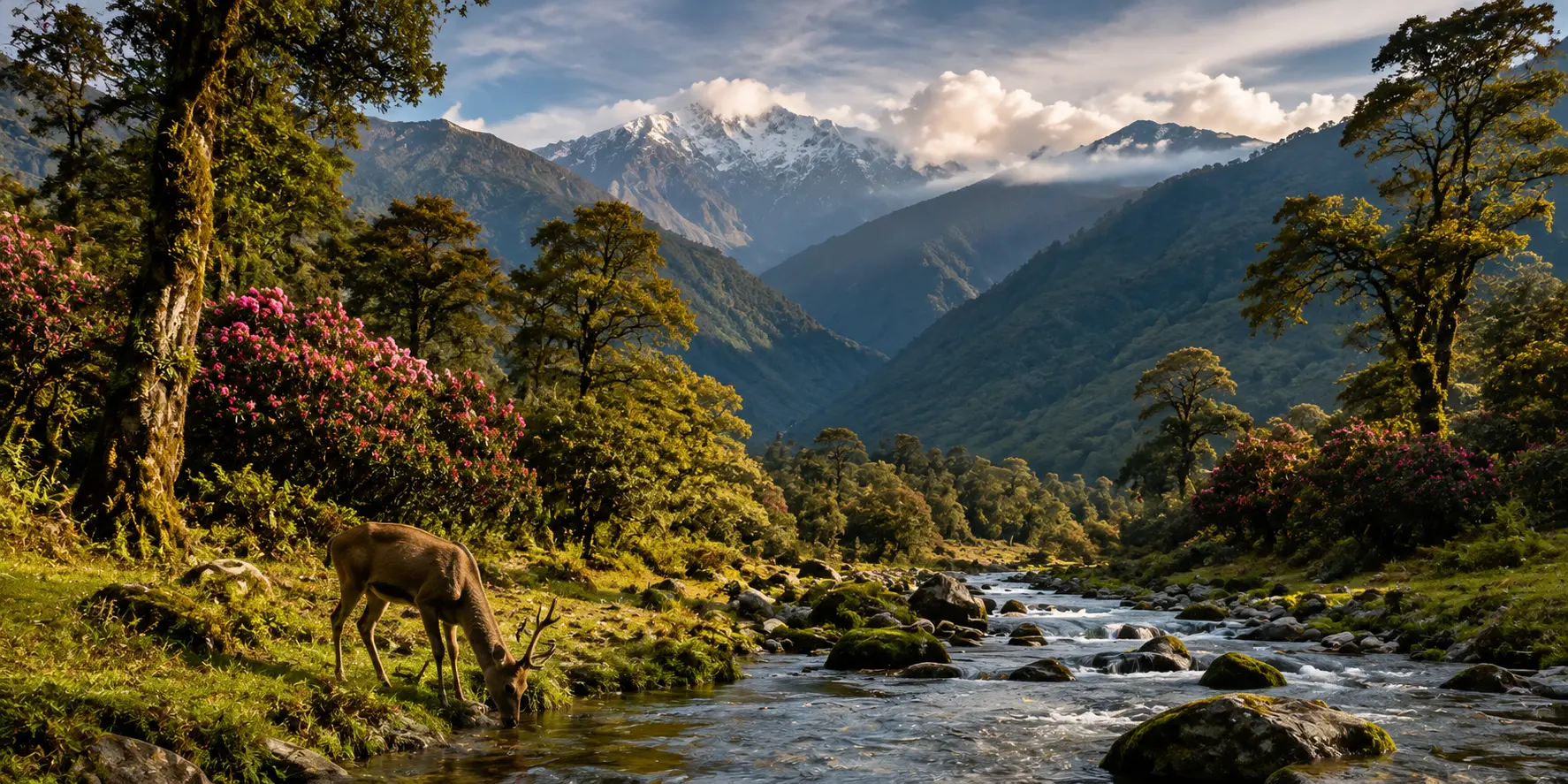
There are places in Uttarakhand that are famous, and then there are places that quietly steal your heart. Askot Wildlife Sanctuary is one of them.
I still remember standing on a narrow mountain trail near Askot early in the morning. The forests were completely silent except for birdsong, clouds floated between the Himalayan peaks, and every turn felt like entering another world. Unlike crowded tourist destinations, Askot offers something much rarer true wilderness.
Located in the Pithoragarh district of Kumaon, Askot Wildlife Sanctuary is known for its rich Himalayan biodiversity, endangered wildlife, alpine forests, and breathtaking views of snow-covered mountains. Whether you’re a wildlife enthusiast, trekker, birdwatcher, or nature photographer, this sanctuary deserves a place on your Uttarakhand itinerary.
Askot Wildlife Sanctuary Highlights
- Location: Pithoragarh district, Uttarakhand
- Famous For: Himalayan Musk Deer, wildlife & birdwatching
- Best Time: March–June & September–November
- Altitude: Approx. 600 m to 6,900 m
- Area: Around 600 sq. km.
- Established: 1986
- Timings: 8:00 AM to 5:00 PM
- Ideal Trip Duration: 1–2 Days
- Entry Fee: Generally free; local vehicle or guide charges may apply
- Guide: Recommended for forest walks and wildlife spotting
- Wildlife: Musk Deer, Himalayan Black Bear, Bharal, Goral, Serow & Himalayan birds
- Mobile Network: May be limited in remote areas
- Travel Note: Check road and weather conditions before travelling, particularly during monsoon and winter.
Where is Askot Wildlife Sanctuary?
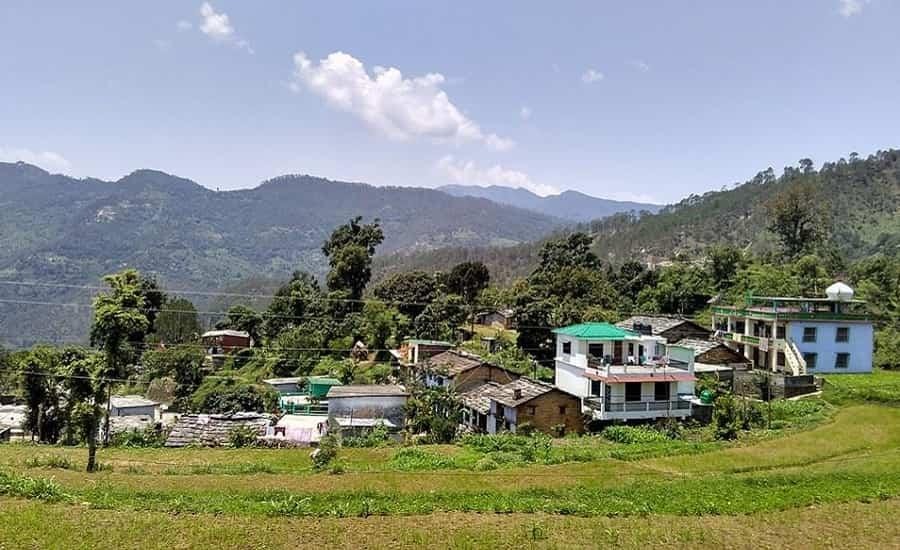
Askot Wildlife Sanctuary lies in the eastern part of Uttarakhand near the India–Nepal border. It stretches across the beautiful Kali River valley and covers approximately 600 square kilometers of protected Himalayan landscape.
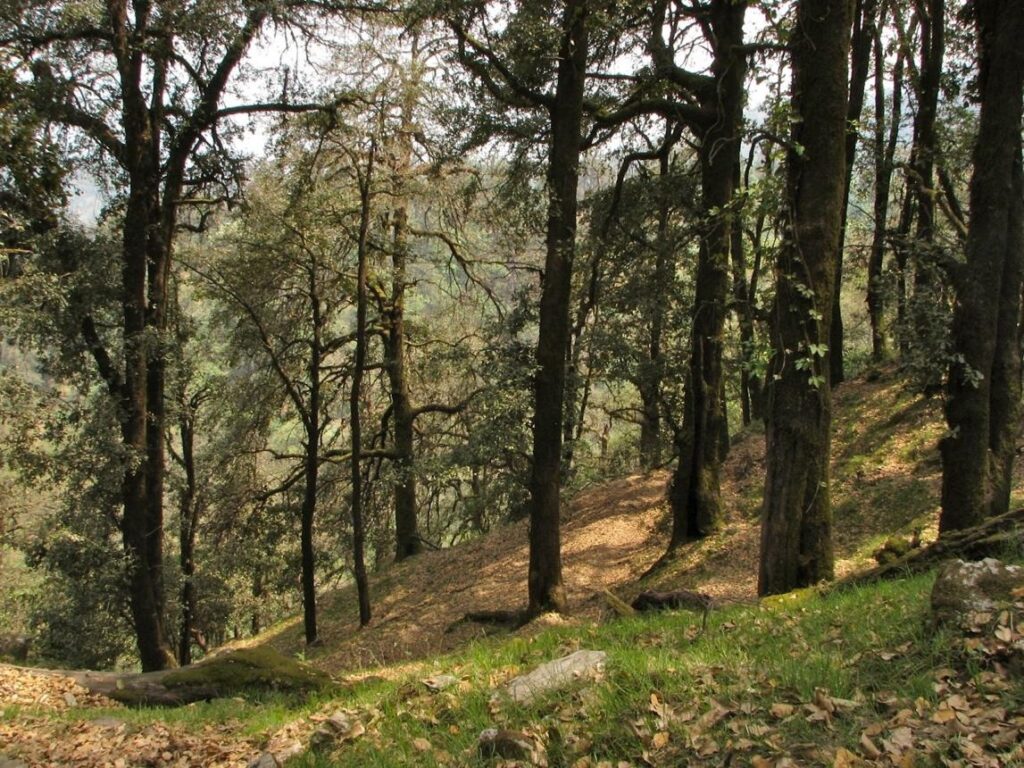
The sanctuary is surrounded by oak forests, rhododendron trees, alpine meadows, glaciers, and deep river valleys, making it one of the most ecologically diverse protected areas in the Kumaon region.
Permits & Entry Requirements
A normal daytime visit to the accessible areas of Askot Wildlife Sanctuary may involve registration or entry clearance at local forest check-posts. However, trekking, camping, interior forest areas, and routes toward sensitive border zones may require additional permissions.
- General Visit: Registration or entry clearance may be required at designated forest check-posts.
- ID Proof: Carry an original government photo ID such as Aadhaar Card, Voter ID, or Passport.
- Forest Permit: Required for certain trekking, camping, or interior forest activities.
- Border/ILP Permit: Additional clearance may apply for sensitive higher-altitude border areas.
- Visiting Hours: Generally 8:00 AM to 5:00 PM; plan activities during daylight.
- Guide: An authorised local guide is recommended for remote forest trails.
- Wildlife Rules: Maintain a safe distance, avoid loud noises, and never feed or disturb animals.
- Forest Rules: Avoid littering, open fires, and prohibited items inside protected areas.
Important: Permit and entry requirements can vary by route and current forest or district regulations, so confirm the latest rules before travelling.
Things to Do in Askot Wildlife Sanctuary
Askot Wildlife Sanctuary offers a variety of experiences for nature and wildlife lovers. From guided forest walks and birdwatching to trekking and photography, visitors can enjoy the diverse landscapes of the Kumaon Himalayas.
1. Explore the Sanctuary Through Nature Walks
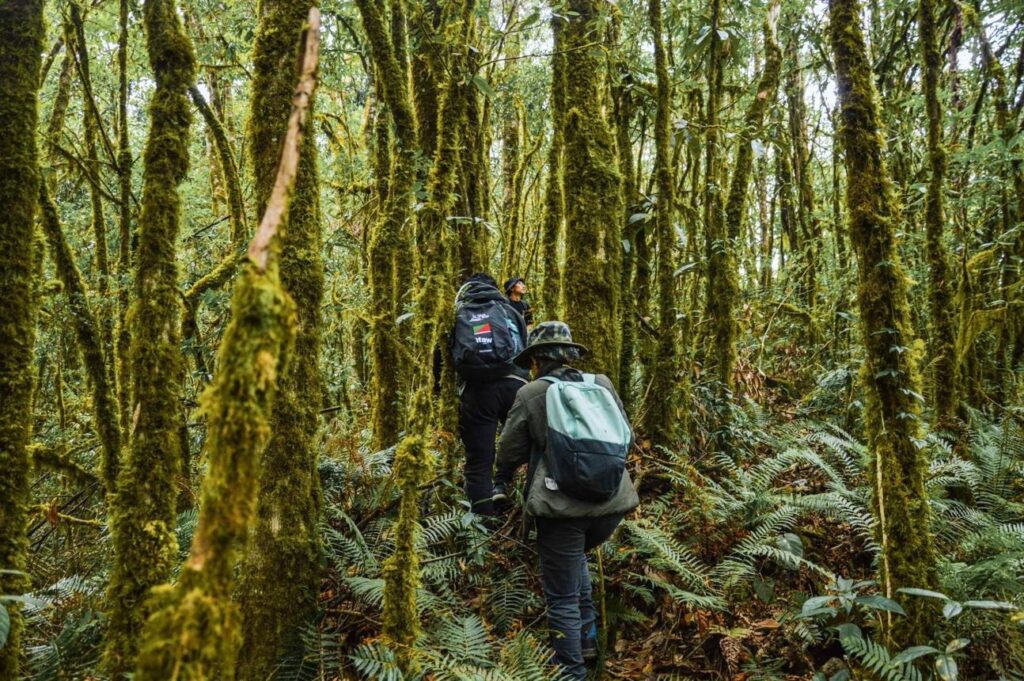
Guided nature walks are a great way to experience Askot’s forests at a relaxed pace. Walk quietly through pine, oak, and rhododendron forests while observing local flora, birds, and wildlife.
Highlights
- Guided forest walks
- Wildlife observation
- Birdwatching
- Nature photography
2. Trek Through Himalayan Trails
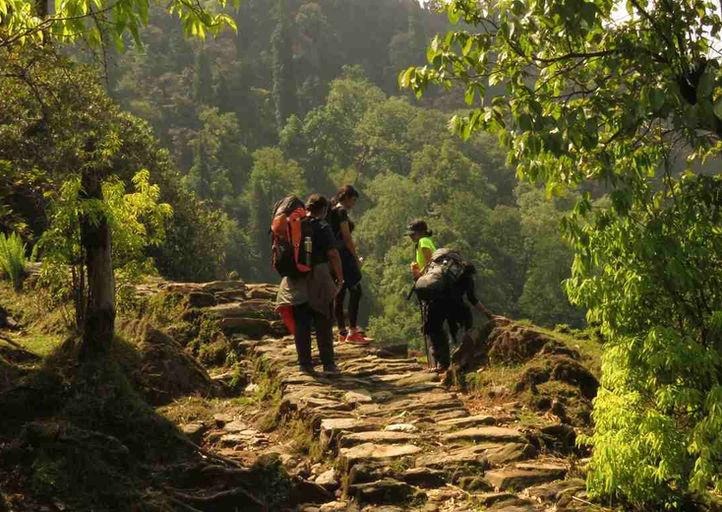
Trekking around Askot takes you through forests, mountain villages, streams, and scenic viewpoints. These trails offer an opportunity to experience the natural beauty and traditional lifestyle of the Kumaon region.
Highlights
- Himalayan trekking
- Village walks
- Mountain views
- Landscape photography
3. Go Birdwatching
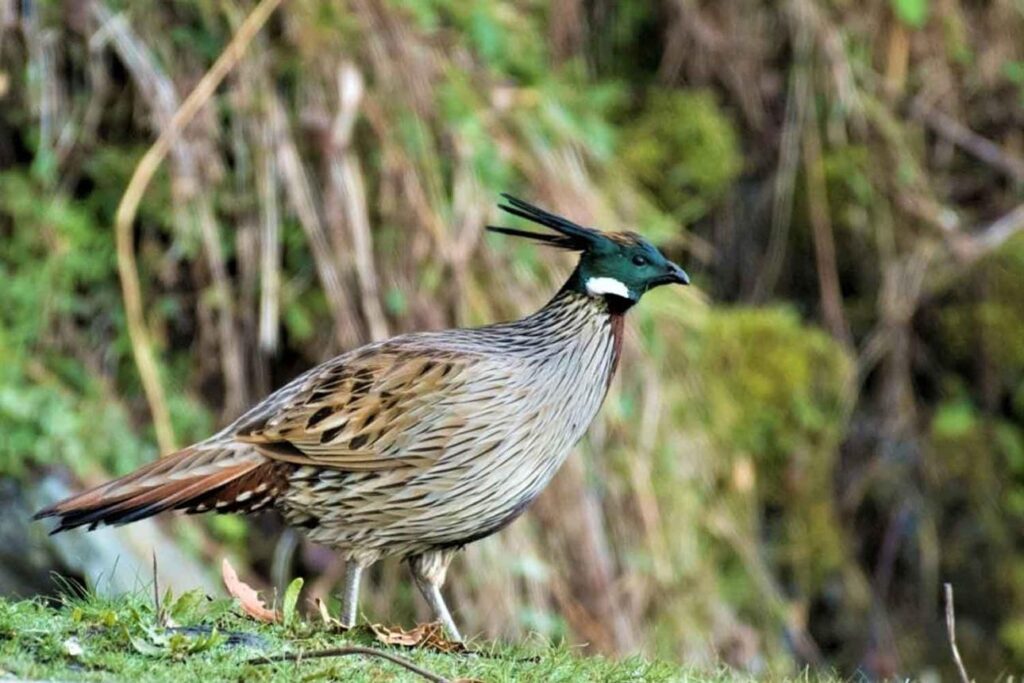
Askot’s diverse forests provide a habitat for many Himalayan bird species. Early mornings are particularly suitable for birdwatching, when the surroundings are quiet and bird activity is higher.
Highlights
- Himalayan bird species
- Early-morning walks
- Bird photography
- Forest observation
4. Enjoy Wildlife Photography
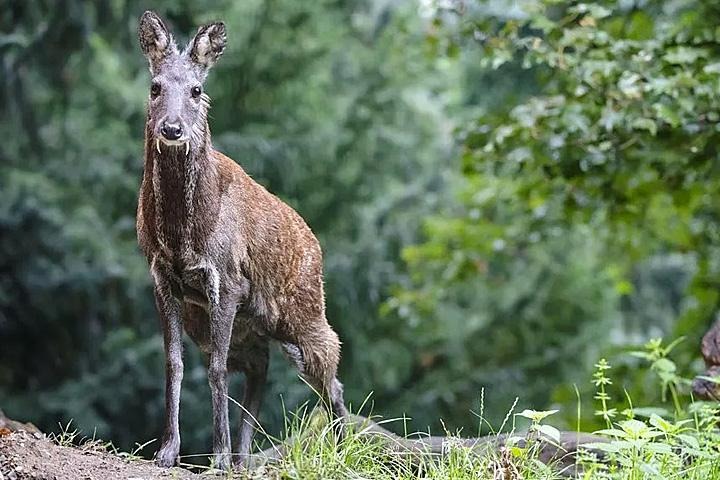
The sanctuary offers excellent opportunities to photograph Himalayan wildlife, birds, forests, and mountain landscapes. Patience and a telephoto lens can be useful when photographing animals from a safe distance.
Highlights
- Himalayan wildlife
- Birds
- Forest landscapes
- Nature photography
5. Experience Local Himalayan Villages
The villages around Askot provide a glimpse into the traditional lifestyle and culture of the Kumaon region. Visitors can observe local architecture, agricultural practices, and everyday village life.
Highlights
- Local culture
- Traditional homes
- Village walks
- Kumaoni lifestyle
6. Enjoy Himalayan Mountain Views
Askot’s elevated location offers beautiful views of the surrounding Himalayan landscape. Clear mornings and post-monsoon days are particularly good for enjoying panoramic scenery and photography.
Highlights
- Himalayan peaks
- Mountain valleys
- Scenic viewpoints
- Landscape photography
7. Explore Himalayan Flora
The sanctuary’s vegetation changes with altitude, ranging from pine and oak forests to rhododendron, birch, and alpine vegetation. Spring is especially attractive when rhododendrons bloom across the hillsides.
Highlights
- Pine and oak forests
- Rhododendron blooms
- Alpine vegetation
- Seasonal wildflowers
Entry Fee & Timings
Askot Wildlife Sanctuary generally has no standard entry fee, although nominal charges for vehicles or local guides may apply. The sanctuary is generally open daily from 8:00 AM to 5:00 PM.
- Entry Fee: Generally free
- Timings: 8:00 AM to 5:00 PM
- Open: Daily
- Ideal Duration: 2–3 hours
- Guide: Recommended for forest exploration
- Best Time to Visit: April to September
Travel Tip: Check the latest entry rules, guide availability, and applicable charges with the local forest department before visiting.
Why is Askot Wildlife Sanctuary Famous?
Askot Wildlife Sanctuary is one of Uttarakhand’s most untouched wildlife destinations, famous for protecting the endangered Himalayan Musk Deer and preserving the rich biodiversity of the eastern Himalayas. From dense oak and rhododendron forests to alpine meadows and glacier-fed valleys, the sanctuary offers a rare opportunity to experience nature in its purest form. Its peaceful location near the Kali River also makes it a hidden gem for trekkers, birdwatchers, and wildlife photographers.
Highlights
- Established: 1986 to conserve the Himalayan Musk Deer
- Area Covered: Around 600 sq. km. of protected Himalayan forest
- Altitude Range: Approximately 600–6,900 metres
- Best Experience: Wildlife spotting, trekking & birdwatching
- Famous Landscape: Oak forests, alpine meadows & snow-clad peaks
Wildlife You Can Spot Here
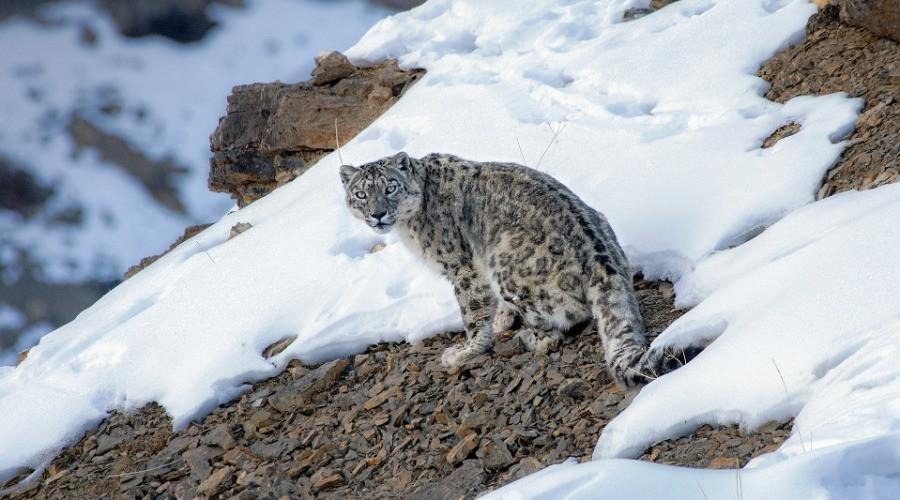
Spotting wildlife in Askot Wildlife Sanctuary takes patience, but that’s part of its charm. The dense Himalayan forests provide a safe habitat for several rare and endangered animals, making every forest trail an exciting experience for nature lovers and wildlife enthusiasts.
Major mammals
- Himalayan Musk Deer
- Himalayan Black Bear
- Leopard
- Snow Leopard (higher elevations)
- Bharal (Blue Sheep)
- Serow
- Goral
Birds you’ll love
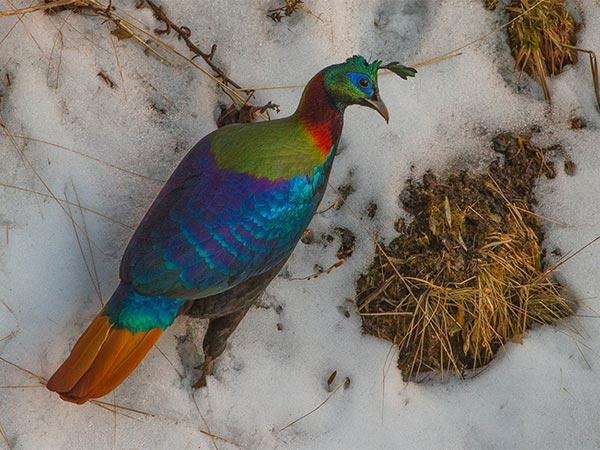
Bird lovers should carry binoculars because Askot is home to many Himalayan birds.
- Himalayan Monal
- Koklass Pheasant
- Golden Eagle
- Himalayan Griffon
- Various woodpeckers and flycatchers
Flora: A Paradise of Himalayan Forests
The sanctuary is known for its rich Himalayan vegetation, which changes significantly with altitude, climate, and terrain. From pine and mixed forests in the lower hills to alpine meadows and medicinal herbs at higher elevations, each zone supports a distinct range of plant life.
| Altitude | Vegetation |
| Low hills | Pine and mixed forests |
| Mid elevation | Oak and rhododendron |
| Higher region | Birch and alpine shrubs |
| Alpine zone | Meadows and medicinal herbs |
Seasonal Highlights
- Spring: Rhododendrons bloom across the hillsides in deep red and pink shades, making the landscape especially photogenic.
- Monsoon: Forests become lush and green, with mosses, ferns, and seasonal plants adding to the biodiversity.
- Summer: Alpine meadows and wildflowers become more visible in higher regions.
- Winter: Higher areas experience colder conditions, and much of the vegetation becomes dormant.
The diverse flora also provides food, shelter, and nesting habitats for birds, mammals, and insects, making vegetation an important part of the sanctuary’s overall ecosystem.
Best Time to Visit Askot Wildlife Sanctuary
Askot Wildlife Sanctuary is best visited from April to June and September to November, when the weather is pleasant, roads are more accessible, and the Himalayan scenery is clear.
Summer Season (April to June)
This is an ideal time for visiting, with comfortable weather, lush forests, and rhododendron blooms adding colour to the landscape.
Monsoon Season (July to August)
Heavy rainfall can cause landslides and difficult road conditions. Check weather and road updates before travelling.
Autumn Season (September to November)
Clear skies, fresh greenery, and pleasant temperatures make autumn excellent for mountain views, wildlife spotting, and photography.
Winter Season (December to March)
Higher areas can experience very cold weather and snowfall, and some routes may become difficult to access. Check local conditions before planning a winter visit.
How to Reach Askot Wildlife Sanctuary
Askot Wildlife Sanctuary is located in Pithoragarh district of Uttarakhand and can be reached by road from nearby towns. The nearest railway station and airport are located at a considerable distance, so the final journey is usually completed by road.
By Road
Road travel is the most convenient way to reach Askot. Regular buses and taxis connect the area with Pithoragarh, Dharchula, and other parts of Kumaon.
| Route | Approx. Distance |
|---|---|
| Pithoragarh → Askot | 54 km |
| Dharchula → Askot | 20 km |
| Munsiyari → Askot | 95 km |
By Railway
The nearest major railway station is Kathgodam Railway Station, located approximately 210 km from Askot. From Kathgodam, travellers can hire a taxi or take a bus towards Pithoragarh and continue to Askot by road.
By Air
The nearest airport is Pantnagar Airport, approximately 250 km away. Taxis are available from the airport for the onward journey to Askot, although the road journey can take several hours due to the mountainous terrain.
Travel Tip: Mountain roads can be affected by weather, landslides, and road conditions. Check the latest route status before starting your journey, particularly during the monsoon and winter months.
Nearby Places to Visit
If you’re planning a longer trip, you can combine your visit to Askot Wildlife Sanctuary with these scenic Himalayan destinations.
1. Dharchula – Approx. 20 km
Dharchula is a scenic border town situated along the Kali River. It is known for its Indo-Nepal border setting, mountain views, and local markets.
Highlights
- Kali River
- Indo-Nepal border
- Local markets
- Himalayan scenery
2. Jauljibi – Approx. 30 km
Jauljibi is a small riverside town located near the confluence of the Kali and Gori rivers. It is a good stop for experiencing local culture and the traditional hill-market atmosphere.
Highlights
- Kali-Gori river confluence
- Local market
- River views
- Kumaoni culture
3. Narayan Ashram – Approx. 35 km
Narayan Ashram is a peaceful spiritual retreat surrounded by forests and Himalayan landscapes. It is ideal for travellers looking for a quiet place away from busy tourist destinations.
Highlights
- Spiritual retreat
- Himalayan views
- Peaceful surroundings
- Nature walks
4. Chirkila Dam – Approx. 35 km
Chirkila Dam is a scenic spot near the Kali River, surrounded by mountains and forests. It is suitable for a short sightseeing break and landscape photography.
Highlights
- Kali River
- Mountain scenery
- Photography
- Peaceful surroundings
5. Pithoragarh – Approx. 54 km
Pithoragarh is the main town of the district and a convenient stop before or after visiting Askot. It offers historical attractions, temples, local markets, and beautiful valley views.
Highlights
- Pithoragarh Fort
- Temples
- Valley views
- Local culture
6. Munsiyari – Approx. 95 km
Munsiyari is one of Kumaon’s popular mountain destinations, famous for its Panchachuli views, trekking trails, and alpine landscapes. It is a great addition if you have more time for exploring the region.
Highlights
- Panchachuli peaks
- Himalayan trekking
- Alpine landscapes
- Nature photography
Note: Distances are approximate and may vary depending on the route and current road conditions.
Travel Tips from My Experience
A few things I genuinely wish someone had told me before visiting:
- Start your forest walk early for better wildlife sightings.
- Carry binoculars and a rain jacket in every season.
- Mobile networks become weak inside forest areas.
- Wear proper trekking shoes the trails can be slippery.
- Avoid loud music and respect wildlife habitats.
The peaceful atmosphere is the biggest attraction here, so letting nature stay undisturbed makes the experience even more rewarding.
Why Askot Wildlife Sanctuary Should Be on Your Uttarakhand Bucket List
If you love destinations that feel raw, peaceful, and untouched, Askot Wildlife Sanctuary won’t disappoint. It’s not about luxury resorts or crowded viewpoints it’s about walking through ancient forests, listening to Himalayan birds, breathing fresh mountain air, and experiencing nature in its purest form.
For me, Askot wasn’t just another wildlife destination; it felt like discovering a quieter side of Uttarakhand that many travelers still haven’t explored.
Conclusion
Askot Wildlife Sanctuary is a perfect destination for travellers seeking wildlife, Himalayan landscapes, peaceful forests, and authentic mountain experiences. From spotting musk deer and Himalayan birds to exploring rhododendron forests, trekking trails, and nearby villages, every experience feels close to nature. Its remote setting also makes it less crowded than many popular Uttarakhand destinations. If you want to experience the quieter and wilder side of Kumaon, Askot Wildlife Sanctuary is well worth adding to your Uttarakhand travel itinerary.
Frequently Asked Questions
Entry and permit requirements can vary by area and forest department guidelines. It is best to confirm the latest permission requirements locally before visiting.
Yes, families can visit Askot, especially for nature walks, sightseeing, birdwatching, and enjoying the Himalayan scenery. However, some forest trails may not be suitable for young children.
Some areas may be accessible without a guide, but hiring a local guide is recommended for forest walks, wildlife spotting, and exploring less familiar trails safely.
Mobile connectivity can be limited or unreliable in remote forest and higher-altitude areas. Download important maps and travel information before entering areas with weak network coverage.
Carry comfortable trekking shoes, warm layers, rain protection, water, sunscreen, binoculars, basic medicines, and a power bank. Weather can change quickly in the Himalayan region.
People are also readinig: