
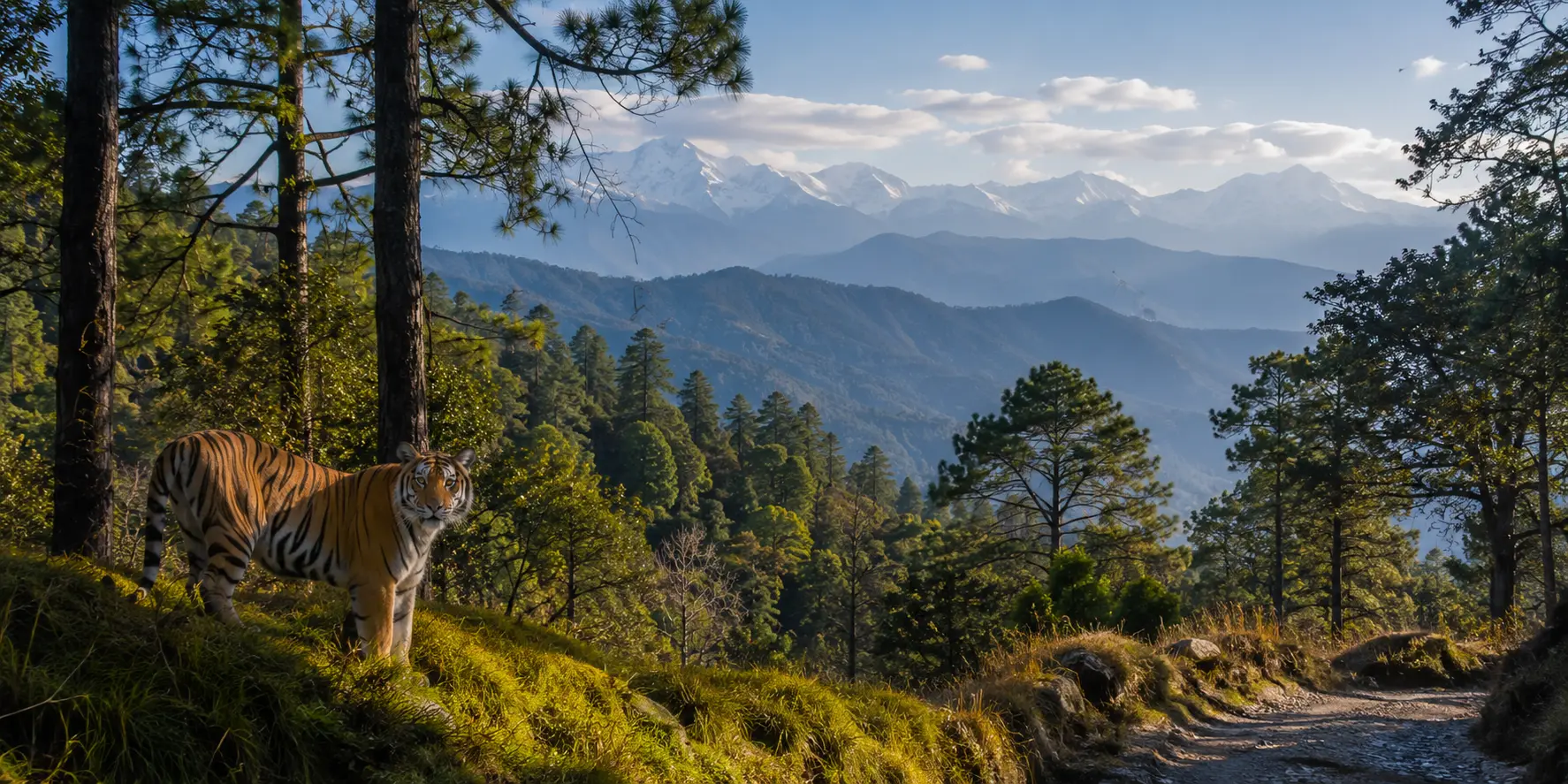
Some places leave a lasting impression long after you return home, and Binsar Wildlife Sanctuary is one of them. During my trip to this peaceful forest near Almora, I discovered a side of Uttarakhand that’s far removed from crowded hill stations. Surrounded by oak and rhododendron forests, the sanctuary offers breathtaking Himalayan views, rich wildlife, and a calm atmosphere that’s perfect for slowing down and reconnecting with nature.
One of my favourite moments was standing at Zero Point, where the snow-capped peaks of the Himalayas stretched across the horizon. Whether you’re a wildlife enthusiast, birdwatcher, photographer, or simply looking for a peaceful getaway, Binsar has something special to offer.
In this travel guide, I’ll share my experience along with everything you need to know before visiting, including the best time to visit, things to do, how to reach, entry fees, nearby attractions, and practical travel tips.
About Binsar Wildlife Sanctuary
Located about 30 km from Almora in Uttarakhand’s Kumaon region, Binsar Wildlife Sanctuary is a protected forest established in 1988. Spread across 46 sq. km at an altitude of 1,500–2,420 metres, it is known for its dense oak and rhododendron forests, rich wildlife, and over 200 bird species. The sanctuary’s biggest attraction is Zero Point, which offers stunning views of Himalayan peaks, including Nanda Devi, Trishul, and Panchachuli, making Binsar a perfect destination for nature lovers, birdwatchers, photographers, and trekkers.
Binsar Wildlife Sanctuary at a Glance
- Location: Almora District, Kumaon, Uttarakhand
- Established: 1988
- Area: Around 46 sq. km
- Altitude: 1,500–2,420 metres above sea level
- Geography: Located on the Jhandi Dhar Ridge of the Kumaon Himalayas
- Famous For: Zero Point, Himalayan views, birdwatching, and rich wildlife
- Best Time to Visit: October to April
- Ideal For: Nature lovers, trekkers, photographers, families, and birdwatchers
Top Things to Do in Binsar Wildlife Sanctuary
Whether you’re a nature lover, wildlife enthusiast, photographer, or simply looking for a peaceful getaway, Binsar Wildlife Sanctuary has something for everyone. From breathtaking Himalayan viewpoints and peaceful forest trails to birdwatching and wildlife spotting, every experience here lets you connect with the untouched beauty of the Kumaon Himalayas. Here are the best things to do during your visit.
1. Visit Zero Point
A visit to Zero Point is the highlight of any trip to Binsar Wildlife Sanctuary. After a short walk through the forest, you’ll reach this famous viewpoint, which offers spectacular panoramic views of the Himalayan range. On a clear day, you can see majestic peaks such as Nanda Devi, Trishul, Kedarnath, Chaukhamba, Panchachuli, and Nanda Kot. Watching the sunrise from here was one of the most memorable moments of my journey.
Activities to Do
- Enjoy panoramic Himalayan views
- Photography
- Nature walk
- Sunrise and sunset viewing
Travel Tip: Visit early in the morning for the clearest mountain views.
2. Go Birdwatching
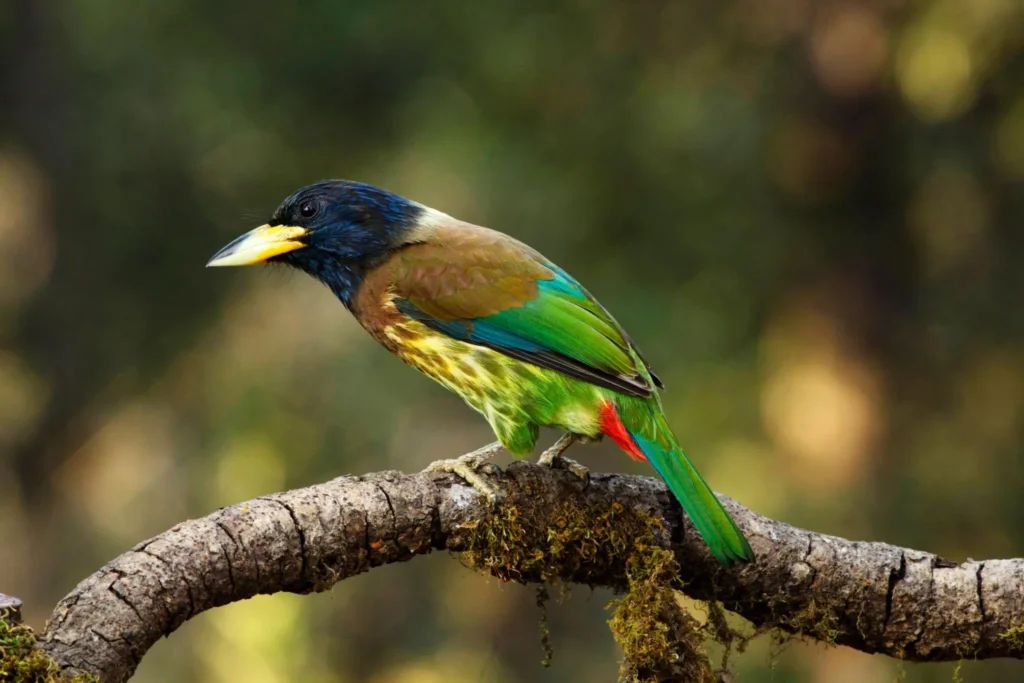
With more than 200 recorded bird species, Binsar Wildlife Sanctuary is a paradise for birdwatchers. The peaceful forests echo with birdsong, especially during the early morning hours. Even if you’re new to birdwatching, carrying a pair of binoculars can make your visit far more enjoyable.
You may spot colourful birds like the Himalayan Monal, Black Eagle, Great Barbet, Scarlet Minivet, Verditer Flycatcher, Blue Whistling Thrush, Himalayan Woodpecker, and White-throated Laughingthrush.
Activities to Do
- Birdwatching
- Nature photography
Travel Tip: Walk quietly along the forest trails and carry binoculars for a better birdwatching experience.
3. Enjoy Nature Walks Through the Forest
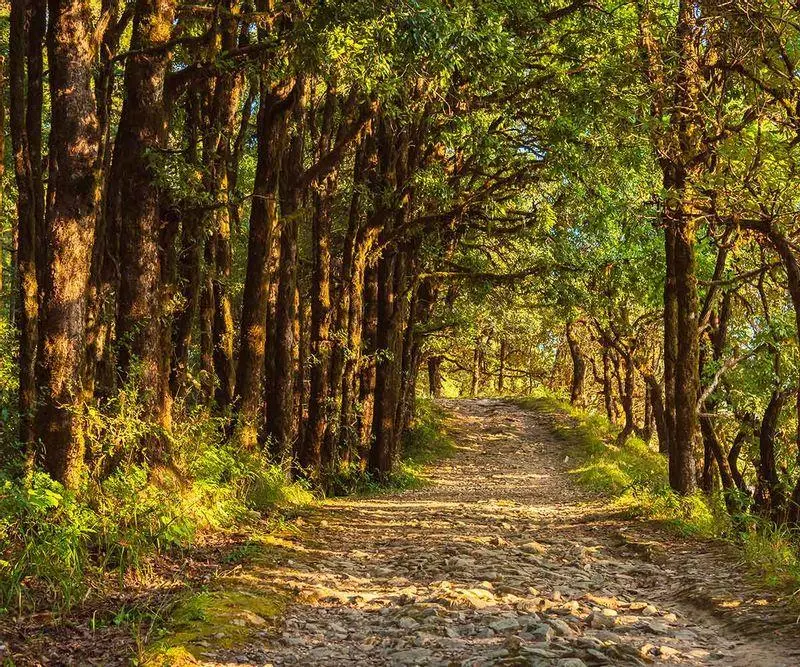
Walking through Binsar’s lush forests is one of the best ways to experience the sanctuary’s natural beauty. The well-marked trails pass through dense oak, rhododendron, pine, and deodar forests, where you’ll find fresh mountain air, peaceful surroundings, and plenty of scenic spots to pause and admire the landscape. It’s a perfect activity for families, couples, and solo travellers looking to unwind in nature.
Activities to Do
- Nature walks
- Easy trekking
- Forest photography
- Relax amidst nature
Travel Tip: Wear comfortable trekking shoes and carry enough drinking water.
4. Go Wildlife Spotting
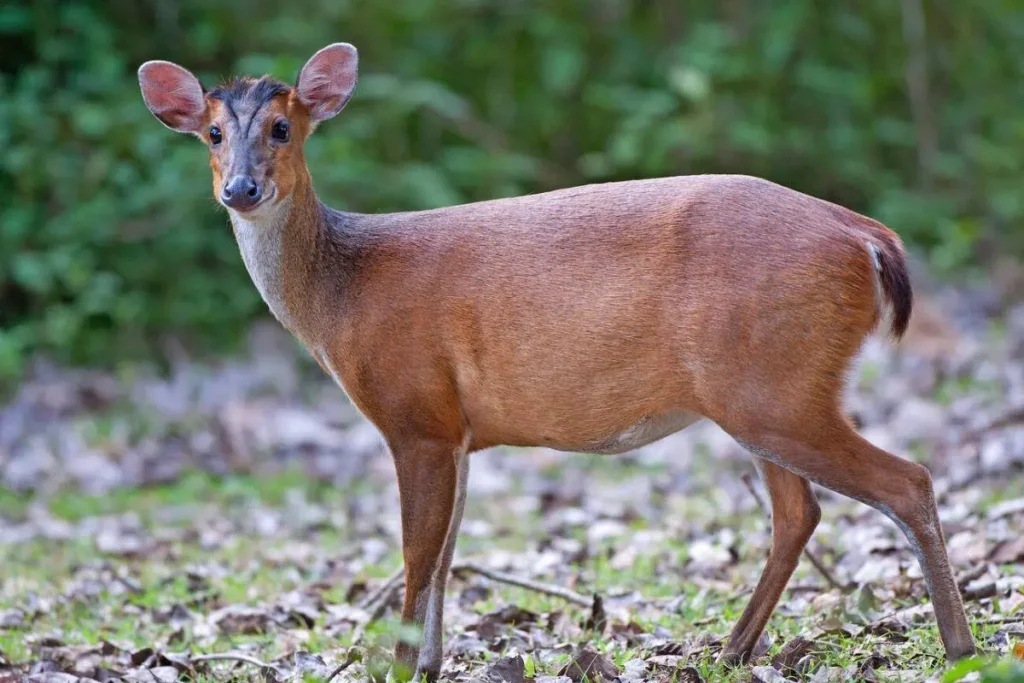
Although wildlife sightings are never guaranteed, exploring the sanctuary in search of animals is an exciting experience. Binsar is home to leopards, barking deer, Himalayan goral, sambar deer, wild boars, langurs, rhesus macaques, porcupines, and the rarely seen Himalayan black bear. During my visit, I was lucky enough to spot barking deer and langurs moving through the forest, making the experience even more memorable.
Activities to Do
- Wildlife spotting
- Nature photography
- Guided forest exploration
Travel Tip: Visit during the early morning or late afternoon and maintain a safe distance from wildlife.
5. Capture Stunning Himalayan Landscapes
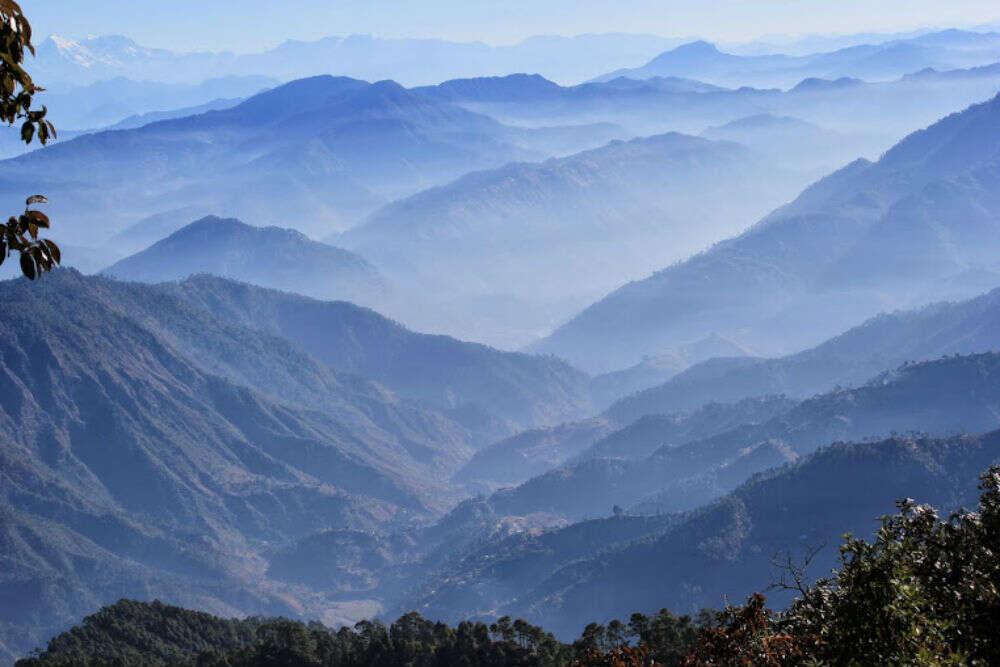
If photography is your passion, Binsar won’t disappoint. From mist-covered forests and colourful rhododendron blooms to snow-capped Himalayan peaks, every corner of the sanctuary offers incredible photo opportunities. Whether you’re carrying a DSLR or simply using your smartphone, you’ll find countless beautiful frames throughout your journey.
Best Photography Spots
- Zero Point
- Forest trails
- Scenic viewpoints
- Sunrise and sunset locations
Travel Tip: Carry extra batteries and memory cards, especially if you plan to spend the entire day exploring.
6. Stay Overnight to Experience the Forest
While many travellers visit Binsar as a day trip, staying overnight lets you experience the sanctuary at its best. Early mornings are filled with birdsong and fresh mountain air, while evenings offer peaceful surroundings far away from the noise of city life. Waking up amidst dense forests and watching the sunrise over the Himalayas is an experience that’s well worth extending your stay for.
Activities to Do
- Enjoy sunrise and sunset
- Stargazing (weather permitting)
- Relax at a forest resort
- Experience the peaceful atmosphere
Travel Tip: Book your stay in advance, especially during the peak tourist season from October to April.
Best Time to Visit Binsar Wildlife Sanctuary
Binsar is beautiful throughout the year, but each season offers a different experience.
Summer (March to June)
Summer is one of the best times to visit. The weather remains pleasant, with temperatures ranging between 15°C and 30°C. This season is perfect for trekking, birdwatching, and sightseeing.
Monsoon (July to September)
The sanctuary turns lush green during the monsoon. However, heavy rainfall can make forest trails slippery, and fog may reduce mountain views. If you enjoy peaceful surroundings and don’t mind occasional rain, this season has its own charm.
Winter (October to February)
Winter is my favourite season in Binsar. The weather is crisp, the skies are usually clear, and the Himalayan peaks are at their most spectacular. Temperatures can drop close to freezing at night, so warm clothing is essential.
Best Overall Time: October to April
Entry Fee and Timings
Before planning your trip, it’s a good idea to check the latest entry charges with the forest department, as they may change periodically.
Entry Fee
| Category | Entry Fee |
| Indian Nationals | ₹150 per person |
| Indian Students | ₹75 per person |
| Foreign Nationals | ₹600 per person |
Vehicle Entry Fee
| Vehicle Type | Fee |
| Small Car / Jeep | ₹250 |
| Medium Vehicle | ₹500 |
| Heavy Vehicle | ₹800 |
Sanctuary Timings
- Opening Time: 6:00 AM
- Closing Time: 6:00 PM
- Open: All days of the week
- Permit Validity: Up to 3 days
Important Information
- Entry to the sanctuary is through the Ayarpani Gate.
- Private vehicles, local taxis, and hired jeeps are the most convenient ways to reach and explore the sanctuary.
- Carry a valid photo ID, as it may be required while purchasing entry tickets.
- Entry fees and vehicle charges are subject to change, so it’s a good idea to confirm the latest rates before your visit.
How to Reach Binsar Wildlife Sanctuary
Despite its peaceful location, Binsar is well connected by road.
By Air
The nearest airport is Pantnagar Airport, approximately 150 km away. From there, taxis are available to Binsar.
By Train
The nearest railway station is Kathgodam, about 120 km from the sanctuary. It is well connected to Delhi, Lucknow, and other major cities.
By Bus
Regular buses operate between Delhi, Haldwani, Kathgodam, and Almora. From Almora, you can hire a taxi to reach Binsar.
By Road
Binsar is around:
- Almora – 30 km
- Nainital – 95 km
- Kathgodam – 120 km
- Delhi – 380 km
Driving through the winding mountain roads is an experience in itself, with scenic valleys and forests accompanying you along the way.
Where to Stay Near Binsar Wildlife Sanctuary
Accommodation options range from budget homestays to luxury mountain resorts.
Budget
- Local homestays
- Guest houses near Almora
Mid-Range
- Nature resorts
- Boutique hotels
Luxury
- Eco resorts inside or near the sanctuary
- Heritage mountain retreats with Himalayan views
I recommend staying for at least one night. Early mornings and evenings reveal a completely different side of Binsar that day visitors often miss.
Nearby Places to Visit
If you’re planning to spend a couple of days around Binsar Wildlife Sanctuary, don’t limit your trip to just the sanctuary. The surrounding Kumaon region is home to ancient temples, scenic hill towns, and heritage sites that are well worth exploring. Here are some of the best places to include in your itinerary.
1. Kasar Devi Temple
Distance from Binsar: Approx. 15 km
Time Required: 1–2 Hours
Perched on a hilltop near Almora, Kasar Devi Temple is one of the most peaceful places in the Kumaon region. The temple is believed to be located within the unique Van Allen Belt, attracting spiritual seekers and meditation enthusiasts from around the world. Apart from its spiritual significance, it offers breathtaking views of the Himalayan ranges and beautiful sunsets.
Highlights
- Famous for its peaceful atmosphere and meditation
- Panoramic Himalayan views
- Associated with Swami Vivekananda and several renowned international travellers
- Ideal for sunrise and sunset photography
2. Jageshwar Dham
Distance from Binsar: Approx. 25 km
Time Required: 2–3 Hours
Nestled amidst towering deodar forests, Jageshwar Dham is one of Uttarakhand’s most important pilgrimage sites. The temple complex consists of more than 100 ancient stone temples, primarily dedicated to Lord Shiva, with a history dating back to the 7th–12th centuries. Its serene surroundings and remarkable architecture make it a must-visit destination.
Highlights
- One of the oldest Shiva temple complexes in India
- More than 100 ancient temples
- Surrounded by beautiful deodar forests
- Ideal for history lovers, pilgrims, and photographers
3. Chitai Golu Devta Temple
Distance from Binsar: Approx. 18 km
Time Required: 1–1.5 Hours
Dedicated to Golu Devta, the revered God of Justice in Kumaon, this temple is famous for the thousands of bells offered by devotees. Visitors also tie written petitions seeking justice or blessings, making it one of the most unique temples in Uttarakhand.
Highlights
- Famous Temple of Golu Devta
- Thousands of bells decorate the temple
- Known for the tradition of written petitions
- A popular spiritual and cultural attraction
4. Almora
Distance from Binsar: Approx. 30 km
Time Required: Half Day
Almora is a charming hill town known for its rich Kumaoni culture, heritage architecture, lively markets, and traditional sweets. From exploring the famous Lala Bazaar to tasting local delicacies like Bal Mithai and Singori, the town offers a perfect blend of history, shopping, and local experiences.
Highlights
- Explore the historic Lala Bazaar
- Taste Bal Mithai and Singori
- Shop for handmade woollens and local handicrafts
- Enjoy panoramic views of the Kumaon Hills
5. Katarmal Sun Temple
Distance from Binsar: Approx. 35 km
Time Required: 1.5–2 Hours
Built during the 9th century by the Katyuri dynasty, the Katarmal Sun Temple is one of the oldest Sun temples in India. Dedicated to Surya Dev (the Sun God), the temple is admired for its impressive stone architecture, intricate carvings, and peaceful surroundings.
Highlights
- One of India’s oldest Sun temples
- Built by the Katyuri dynasty
- Beautiful stone carvings and heritage architecture
- Excellent destination for history lovers and photographers
Suggested 2-Day Itinerary
Day 1
- Arrive at Binsar Wildlife Sanctuary
- Visit Zero Point
- Enjoy a nature walk through the forest
- Watch the sunset and stay overnight
Day 2
- Go birdwatching early in the morning
- Try wildlife spotting
- Visit Kasar Devi Temple and Almora before returning
Essential Travel Tips
- Carry warm clothes even during summer evenings.
- Wear comfortable trekking shoes.
- Bring binoculars for birdwatching.
- Carry a reusable water bottle.
- Avoid feeding or disturbing wildlife.
- Keep the sanctuary clean and avoid plastic waste.
- Start your sightseeing early for the best wildlife and mountain views.
- Mobile network coverage may be limited inside the forest.
Conclusion
Binsar Wildlife Sanctuary is the perfect destination for anyone who wants to experience the peaceful side of Uttarakhand. With its dense forests, diverse wildlife, colourful birdlife, scenic nature trails, and breathtaking Himalayan views, it offers something for every nature lover. Whether you’re planning a short weekend escape or a longer Kumaon trip, Binsar promises a refreshing experience away from the crowds. It’s a place that leaves you with beautiful memories and a deeper appreciation for nature.
Frequently Asked Questions
Yes. It’s one of Uttarakhand’s best destinations for nature lovers, birdwatchers, photographers, and travellers seeking peace away from crowded tourist spots.
The best time is from October to April, when the weather is pleasant and Himalayan views are usually clear.
It is famous for its rich biodiversity, dense oak forests, birdwatching opportunities, wildlife, and breathtaking views of Himalayan peaks from Zero Point.
A full day is enough to visit the main attractions, but staying one or two nights lets you experience sunrise, bird activity, and the peaceful forest atmosphere.
Leopards live in the sanctuary, but sightings are rare because they are shy and mostly active during dawn, dusk, or at night.
People are also reading:

One thought on “Binsar Wildlife Sanctuary Travel Guide 2026”