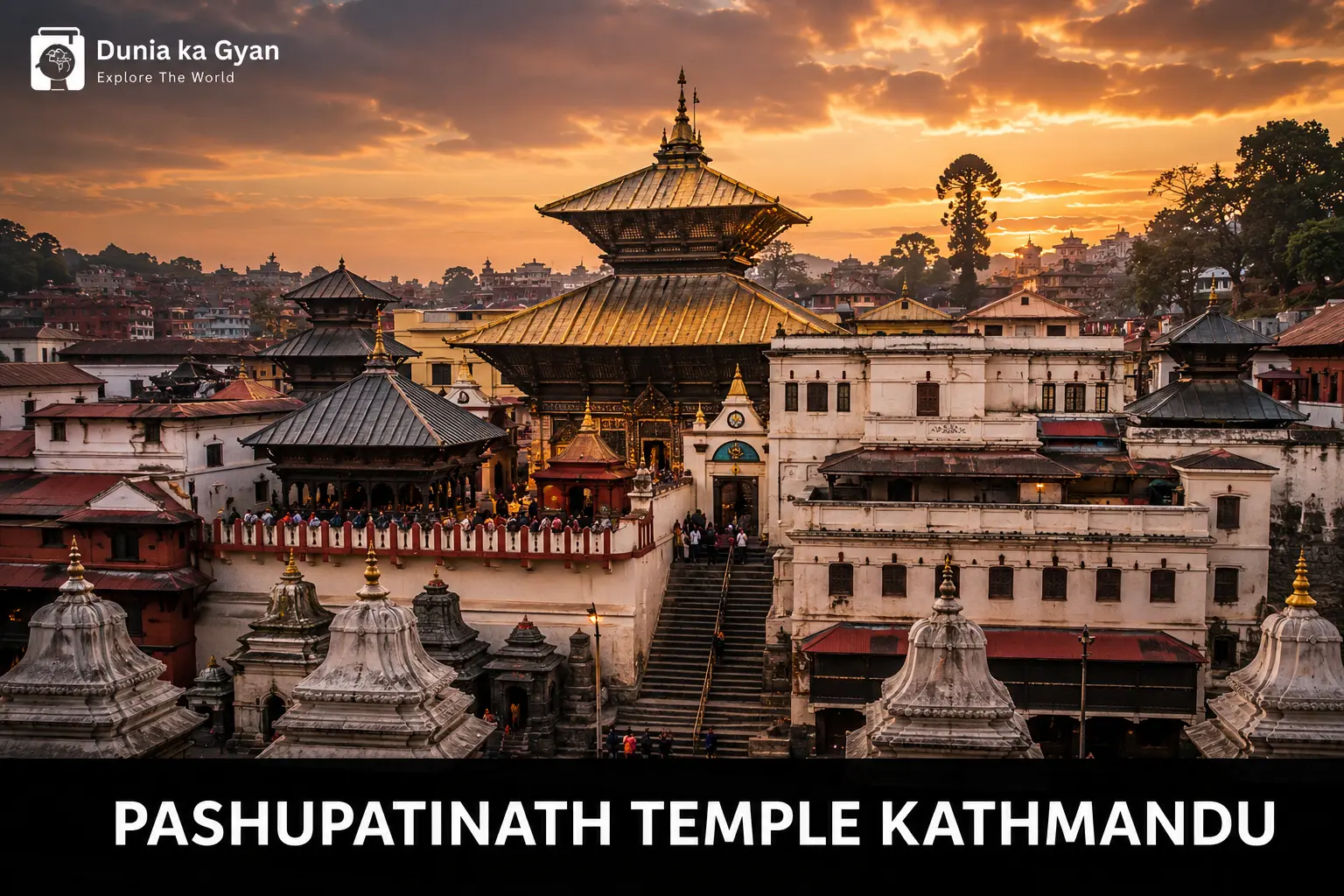
Pashupatinath Temple in Kathmandu stands as one of the most sacred Hindu temples dedicated to Lord Shiva. Located on the banks of the Bagmati River in Kathmandu, Nepal, the temple attracts millions of devotees, pilgrims, and tourists every year. It is not only an important place of worship but also a cultural and historical landmark that reflects Nepal’s rich religious heritage.
The temple showcases centuries-old history, traditional pagoda-style architecture, daily religious rituals, and a deeply spiritual atmosphere. It is also part of the Kathmandu Valley UNESCO World Heritage Site, making it one of the country’s most significant heritage monuments.
Many visitors come to attend darshan, witness the evening Bagmati Aarti, participate in special pujas, or learn about Nepal’s religious traditions. Whether you are planning a pilgrimage or visiting Kathmandu as a tourist, knowing the temple’s history, timings, entry rules, and travel information can help you make the most of your visit.
Quick Information About Pashupatinath Temple
| Information | Details |
| Location | Kathmandu, Nepal |
| Main Deity | Lord Pashupatinath (Lord Shiva) |
| River | Bagmati River |
| UNESCO Status | Part of the Kathmandu Valley UNESCO World Heritage Site |
| Temple Style | Traditional Nepalese Pagoda |
| Best Time to Visit | October to March |
| Famous For | Shiva worship, Bagmati Aarti, Maha Shivaratri Festival |
| Nearest Airport | Tribhuvan International Airport |
| Distance from Airport | Approximately 4 km |
History of Pashupatinath Temple
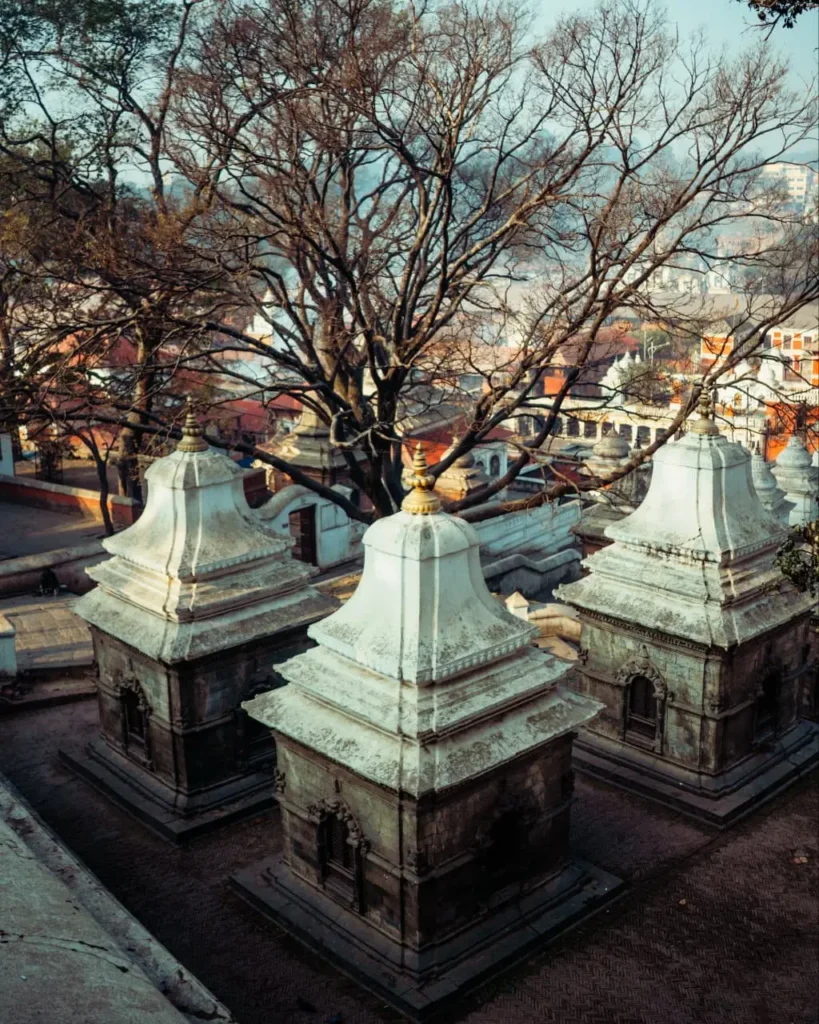
The history of Pashupatinath Temple dates back to at least the 5th century CE, making it one of Nepal’s oldest and most revered Hindu temples. Ancient Hindu texts, including the Skanda Purana, describe the site as the sacred abode of Lord Shiva. According to Hindu mythology, Lord Shiva and Goddess Parvati once took the form of antelopes and wandered through the forests of the Kathmandu Valley. When Shiva’s horn broke, it emerged as the self-manifested four-faced Shiva Lingam worshipped in the temple today. Another popular legend says a cow repeatedly poured milk over the same spot, leading people to discover the sacred Lingam.
Historical records credit King Supuspa Deva of the Licchavi dynasty with building the earliest known temple in the 5th century CE. The Malla kings later renovated and expanded the temple, giving it its present pagoda-style architecture with golden roofs and silver-covered doors. In 1979, Pashupatinath Temple became part of the Kathmandu Valley UNESCO World Heritage Site, recognizing its immense cultural, historical, and religious significance.
Major Attractions Inside the Temple Complex
The Pashupatinath Temple complex covers a large area and contains hundreds of temples, shrines, monuments, and sacred sites. Visitors can easily spend several hours visiting its important attractions.
1. Main Temple
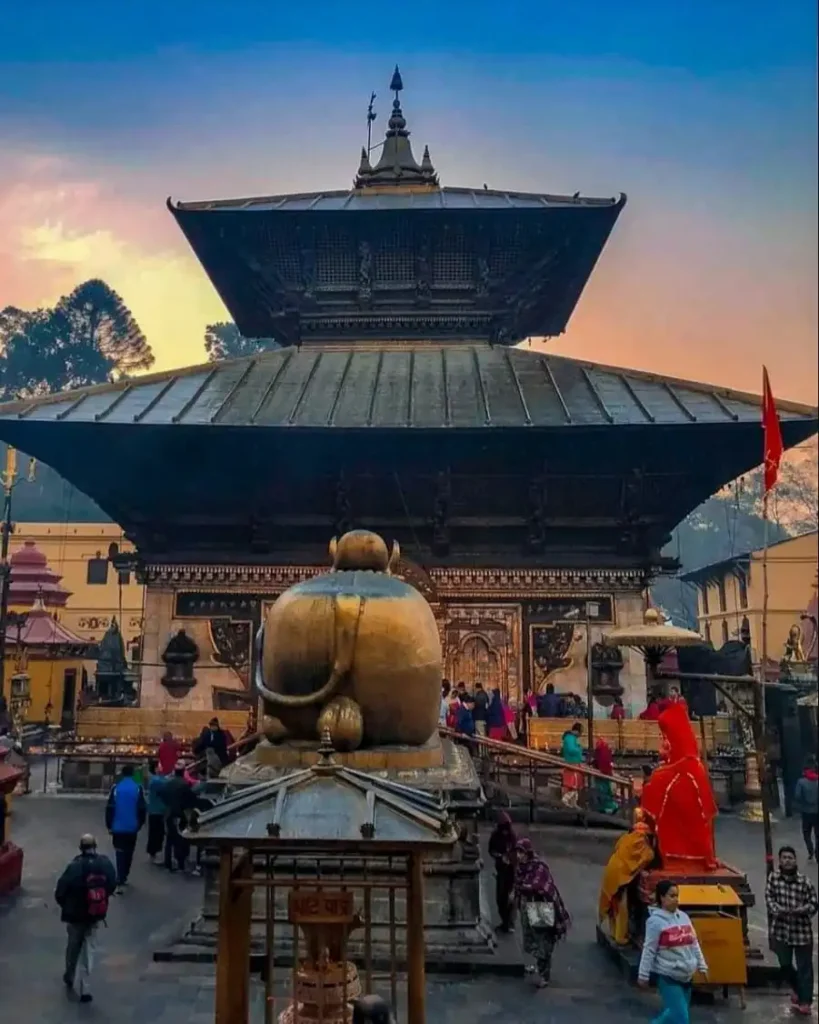
The main temple is the spiritual center of the complex and houses the sacred four faced Shiva Lingam. Built in the traditional Nepalese pagoda style, it features a two-tiered golden roof, silver covered doors, and detailed wooden carvings. Devotees visit the temple to perform darshan, offer flowers, bilva leaves, milk, and other sacred offerings to Lord Shiva. During major festivals, long queues form from early morning as thousands of pilgrims gather for worship.
2. Bagmati River
The Bagmati River flows beside the temple and is one of Nepal’s most sacred rivers. It plays an important role in Hindu religious ceremonies and symbolizes life, death, and spiritual purification. Pilgrims often offer prayers on the riverbanks before entering the temple. In the evening, the river becomes the focal point of the beautiful Bagmati Aarti, where priests perform prayers with lamps, bells, and devotional chanting.
3. Arya Ghat
Arya Ghat is one of Nepal’s most important cremation ghats. It is located on the banks of the Bagmati River beside the temple complex. According to Hindu beliefs, performing the final rites at Arya Ghat helps the soul begin its spiritual journey after death. Cremation ceremonies take place throughout the day, making the ghat an important part of the temple’s religious traditions. Visitors should maintain silence and respect while passing through this area, as funeral ceremonies are deeply personal and sacred.
4. Nandi Statue
A massive bronze statue of Nandi, the sacred bull and vehicle of Lord Shiva, sits directly in front of the main temple entrance. Before entering the temple, many devotees offer prayers to Nandi and whisper their wishes into the statue’s ear, believing that Nandi carries their prayers to Lord Shiva. The statue showcases impressive craftsmanship and ranks among the most photographed landmarks within the temple complex.
5. Smaller Shrines and Temples
The temple complex contains more than 500 smaller temples and shrines dedicated to various Hindu deities. Visitors will find shrines dedicated to Lord Vishnu, Goddess Parvati, Lord Ganesha, Hanuman, Bhairava, and many other gods and goddesses. Numerous Shiva Lingams line the temple complex, adding to its spiritual significance. Many of these shrines date back several centuries and display beautiful examples of traditional Nepalese stone and wood craftsmanship.
6. Sadhu Area
The temple complex attracts resident sadhus, Hindu holy men devoted to meditation and spiritual practices. Many sadhus wear saffron robes or cover themselves with sacred ash. Some have lived near the temple for many years, spending their lives in prayer and devotion. Visitors often interact with sadhus and take photographs with them after asking for permission. Some may request a small donation in return for photographs or blessings.
Pashupatinath Temple Timings
The temple remains open every day of the week. Timings may vary slightly during major festivals and special religious occasions.
| Activity | Timings |
| Temple Opens | 4:00 AM |
| Morning Darshan | 4:00 AM to 12:00 PM |
| Afternoon Break | 12:00 PM to 5:00 PM |
| Evening Darshan | 5:00 PM to 7:00 PM |
| Temple Closes | Around 7:00 PM |
The evening Bagmati Aarti usually begins around 6:00 PM on the riverbank.Visitors should arrive at least 30 minutes early to secure a good viewing spot, especially on weekends and during festivals. Since temple schedules can change on special occasions, it is advisable to confirm the latest timings before planning your visit.
Pashupatinath Temple Entry Fee
Entry rules differ for the main temple and the surrounding temple complex.
| Visitor Category | Entry Fee |
| Nepalese and Indian Hindus | Free entry to the temple complex |
| Foreign Hindu Visitors | Entry permitted with the applicable ticket as per temple regulations |
| Foreign Non Hindu Visitors | Entrance ticket required for the temple complex. Entry into the main temple is not permitted. |
The temple allows only practicing Hindus to enter the main shrine, where the sacred Shiva Lingam is located. Visitors from other religions can visit most areas of the temple complex and enjoy clear views of the main temple from designated viewpoints across the Bagmati River. Since the temple authorities may update the entry fees, visitors should check the latest information before their visit.
Dress Code and Visitor Guidelines
Following the dress code and temple rules helps maintain the religious atmosphere of Pashupatinath Temple.
- Wear clean, modest clothing that covers the shoulders and knees. Traditional Indian, Nepalese, or decent western attire is acceptable.
- Remove footwear before entering the main temple. Shoe storage facilities are available near the entrance.
- Avoid carrying leather items into restricted areas of the temple.
- The temple prohibits smoking, alcohol, and non-vegetarian food inside its premises.
- The temple permits photography in most outdoor areas but strictly prohibits it inside the main temple sanctum..
- Do not photograph cremation ceremonies at Arya Ghat without permission, as they are private religious rituals.
- Follow the queue system, maintain silence, and respect temple staff and devotees.
- Be cautious of monkeys and avoid carrying food openly inside the temple complex.
Rituals and Daily Worship
Daily worship at Pashupatinath Temple follows centuries-old Hindu traditions. Priests perform several rituals throughout the day, and devotees gather to seek the blessings of Lord Pashupatinath.
Daily Puja Schedule
The temple opens early in the morning, and the first rituals begin before sunrise. After the temple doors open, priests perform the morning worship by bathing the Shiva Lingam with holy water, milk, curd, honey, ghee, and other sacred offerings. They then decorate the deity with flowers, sandalwood paste, and sacred ornaments.
Throughout the day, devotees offer bilva leaves, flowers, fruits, incense, and lamps while chanting prayers dedicated to Lord Shiva. Priests also perform special prayers on Mondays, as Hindus consider the day especially auspicious for Lord Shiva’s worship.
Rudrabhishek
Rudrabhishek is one of the most important rituals at Pashupatinath Temple. During this ceremony, priests bathe the Shiva Lingam with sacred items such as water, milk, curd, honey, sugar, and ghee while reciting Vedic mantras from the Rudram.
Many devotees arrange Rudrabhishek to pray for good health, peace, prosperity, success, and family well being. The temple authorities and qualified priests usually perform this ritual.
Evening Bagmati Aarti
The Bagmati Aarti is one of the most memorable ceremonies at Pashupatinath Temple. Priests hold it every evening on the banks of the Bagmati River.
During the aarti, priests offer large oil lamps while devotional songs, bells, and conch shells create a spiritual atmosphere. Hundreds of devotees and visitors gather along the riverbank to witness the ceremony. The aarti usually begins around 6:00 PM, although the timing may change slightly depending on the season and sunset.
Festivals Celebrated at Pashupatinath Temple
Pashupatinath Temple remains active throughout the year, but it becomes especially vibrant during major Hindu festivals.
Maha Shivaratri
The temple celebrates Maha Shivaratri as its largest festival. It usually falls in February or March and attracts hundreds of thousands of pilgrims from Nepal, India, and other countries. Devotees observe fasting, offer milk and bilva leaves for Lord Shiva, chant prayers throughout the night, and wait in long queues for darshan. Sadhus from different parts of South Asia also gather at the temple during this festival.
Teej
Teej is one of Nepal’s most important festivals for women. Married and unmarried women visit Pashupatinath Temple to offer prayers for a happy married life, good health, and family prosperity. The temple remains crowded throughout the festival as women dressed in traditional red attire participate in religious rituals and devotional singing.
Bala Chaturdashi
Devotees observe Bala Chaturdashi in memory of their deceased family members. Devotees scatter seven different types of grains around the temple complex while praying for the peace of departed souls. Generations of devotees have followed this unique tradition, giving it deep spiritual significance in Nepal.
Other Festivals
The temple also celebrates festivals such as:
- Shravan Mondays
- Haritalika Teej
- Makar Sankranti
- Kartik festivals
Each festival attracts large numbers of devotees and showcases Nepal’s rich religious traditions.
Best Time to Visit Pashupatinath Temple
| Time Frame / Season | Ideal For | Key Highlights |
| October – November | Prime Weather & Sightseeing | Clear skies, pleasant temperatures, and major Hindu festivals like Dashain and Tihar create a vibrant atmosphere. |
| February – March | Maha Shivaratri Pilgrimage | Experience the grand Maha Shivaratri celebration, when over a million devotees gather to worship Lord Shiva. |
| July – August | Shravan & Religious Rituals | The holy month of Shravan features special Monday (Shravan Somvar) prayers, along with Teej festivities celebrated by devotees. |
| March – May | Peaceful Exploration | Enjoy comfortable weather, relatively moderate crowds, and excellent conditions for architecture, photography, and sightseeing. |
How to Reach Pashupatinath Temple
Pashupatinath Temple is located in eastern Kathmandu and is easily accessible by air and road.
By Air
The nearest airport is Tribhuvan International Airport, which is approximately 4 kilometers from the temple.
Visitors can reach the temple from the airport in about 15 to 20 minutes by taxi, depending on traffic conditions.
By Road
Taxis, local buses, ride-sharing services, and private vehicles connect the temple to all parts of Kathmandu.
Note: Most hotels in Kathmandu can also arrange transportation to the temple.
Distance from Major Locations
| Location | Approximate Distance |
| Tribhuvan International Airport | 4 km |
| Kathmandu Durbar Square | 6 km |
| Thamel | 5 km |
| Boudhanath Stupa | 3 km |
| Swayambhunath Stupa | 8 km |
Travel times may vary depending on road traffic.
Nearby Attractions
Several famous attractions are located close to Pashupatinath Temple.
Boudhanath Stupa: Located about 3 kilometers away, Boudhanath Stupa is one of the largest Buddhist stupas in the world and an important pilgrimage site for Tibetan Buddhists.
Guhyeshwari Temple: Guhyeshwari Temple, located near Pashupatinath Temple, is one of the revered Shakti Peethas and honors Goddess Parvati.
Kathmandu Durbar Square: Kathmandu Durbar Square showcases historic palaces, temples, and traditional Nepalese architecture. It is one of the most visited heritage sites in the city.
Swayambhunath Stupa: Popularly known as the Monkey Temple, Swayambhunath offers panoramic views of Kathmandu Valley and is another UNESCO World Heritage Site.
Thamel: Thamel is Kathmandu’s popular tourist district, known for its hotels, restaurants, local markets, souvenir shops, and cultural atmosphere.
Travel Tips for Visitors
- Visit early in the morning for a smoother darshan experience.
- Carry valid identification if required for ticket verification.
- Wear comfortable footwear that you can easily remove before entering the temple areas.
- Dress modestly to respect local religious customs.
- Carry drinking water, especially during warmer months.
- Keep your belongings secure in crowded areas.
- Respect temple rules and avoid entering restricted sections.
- Maintain silence near cremation ghats and during religious ceremonies.
- Ask permission before taking photographs of sadhus or local people.
- Allow at least two to three hours to visit the temple complex comfortably.
Conclusion
Pashupatinath Temple Kathmandu is one of the most important Hindu pilgrimage destinations in Nepal. Its ancient history, beautiful pagoda architecture, sacred Shiva Lingam, and centuries old traditions make it a place of immense religious and cultural importance. Whether you wish to attend darshan, witness the evening Bagmati Aarti, admire the temple’s architecture, or learn about Nepal’s spiritual heritage, the temple offers a meaningful experience for every visitor. Planning your visit by knowing the timings, entry rules, dress code, and travel information will help you enjoy a smooth and memorable journey.
Frequently Asked Questions
Yes. Shoe storage facilities are available near the temple entrance. Store small luggage at designated counters or nearby facilities but carry only essential items for a more convenient visit.
Most visitors spend two to three hours visiting the main temple, smaller shrines, Bagmati River, Arya Ghat, and other important attractions within the temple complex.
Yes. The evening Bagmati Aarti takes place on the riverbank, and visitors of all faiths can watch the ceremony from the designated viewing areas.
Yes. Licensed local guides are available near the temple entrance and through many travel agencies in Kathmandu. Hiring an authorized guide can help you understand the temple’s history, architecture, and religious traditions.
Yes. Restaurants, cafes, snack shops, and bottled drinking water are available within walking distance of the temple. Many nearby eateries serve both Nepalese and Indian vegetarian meals.
People are also reading
- Top Places to Visit in Amritsar
- Best Tourist Places to Visit in India
- Top Haunted Temples and Forts
- Mana Village Uttarakhand
- Kartik Swami Temple
- Clock Tower Dehradun